
Understanding the climate of Oakland, California is paramount for any traveler planning a visit to this vibrant San Francisco Bay Area city. While a simple weather search might give you a current number, the true essence of Oakland’s temperature is far more nuanced, influencing everything from what to pack to the best time for specific activities. Situated on the eastern shore of the San Francisco Bay, Oakland enjoys a Mediterranean climate characterized by warm, dry summers and mild, wet winters. However, the city’s diverse topography, ranging from its waterfront to the Oakland Hills, creates microclimates that travelers should be aware of to optimize their experience.
Understanding Oakland’s Unique Climate and Microclimates
Oakland’s climate is heavily influenced by its proximity to the Pacific Ocean and the San Francisco Bay, leading to a much more temperate environment than inland areas of California. The famous San Francisco Bay fog, while often associated with its sister city, frequently rolls over Oakland during summer mornings, acting as a natural air conditioner before burning off to reveal sunny afternoons. This daily cycle is a defining characteristic of an Oakland summer.
The Moderating Influence of the Bay
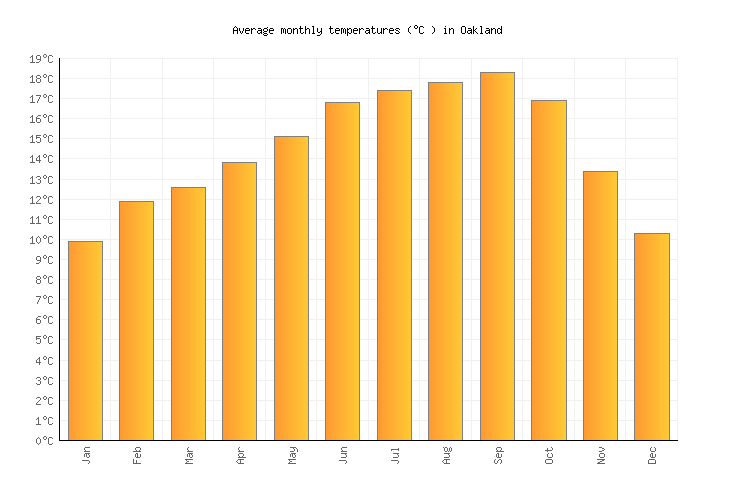
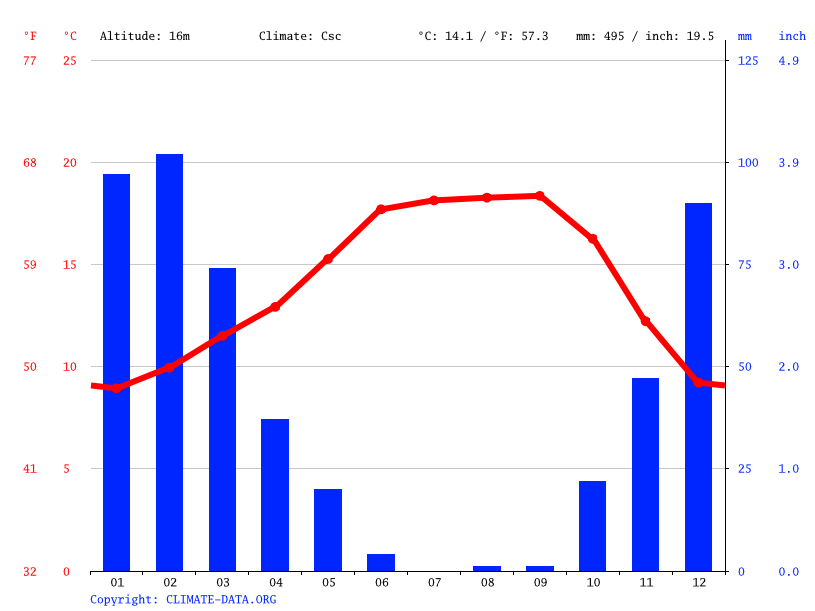
The vast expanse of the San Francisco Bay plays a crucial role in moderating Oakland’s temperatures. During summer, the cool waters keep coastal and bayside areas from overheating, preventing the scorching temperatures often seen further inland. Conversely, in winter, the water releases stored heat, keeping temperatures relatively mild and frost-free. This maritime influence means extreme highs and lows are rare, making Oakland a comfortable destination for much of the year. Travelers should expect average summer daytime temperatures to hover in the high 60s to low 70s Fahrenheit (20-23°C), while nights can cool down significantly, often dropping into the 50s Fahrenheit (10-15°C). Winters are mild, with daytime highs typically in the 50s Fahrenheit (10-15°C) and nighttime lows in the 40s (4-9°C). Rainfall is concentrated between November and April.
Exploring Oakland’s Microclimates
One of the most fascinating aspects for travelers to understand is Oakland’s distinct microclimates. As you move from the bayside through downtown and further up into the Oakland Hills, the temperature and weather patterns can noticeably change.
- Bayside and Downtown: Areas like Jack London Square, Lake Merritt, and Uptown Oakland, being closer to the Bay, experience the strongest maritime influence. Summers here are often cooler, particularly in the mornings when fog is prevalent. Winters are generally milder but also receive more moisture.
- Piedmont and Rockridge: Moving slightly inland, these neighborhoods often see the fog dissipate earlier, leading to warmer afternoons in summer. The temperature differential between morning and afternoon can be more pronounced.
- Oakland Hills: The higher elevations, encompassing areas like Montclair Village and near Redwood Regional Park, tend to be warmer and sunnier in summer once the fog burns off, as they are often above the fog line. Conversely, in winter, they can be cooler and more susceptible to higher winds and occasional frost. Travelers planning hikes in the hills should be prepared for varying conditions.
This variability means that while it might be cool and foggy enjoying brunch at Jack London Square, just a few miles east, the sun could be shining brightly in Rockridge. Layered clothing is not just a suggestion for Oakland travel; it’s an absolute necessity.
Seasonal Travel: Best Times to Visit Oakland
The “best” time to visit Oakland largely depends on a traveler’s priorities and preferred activities, given the city’s distinct seasonal climate patterns. Each season offers unique advantages and temperature considerations.
Summer (June to August)
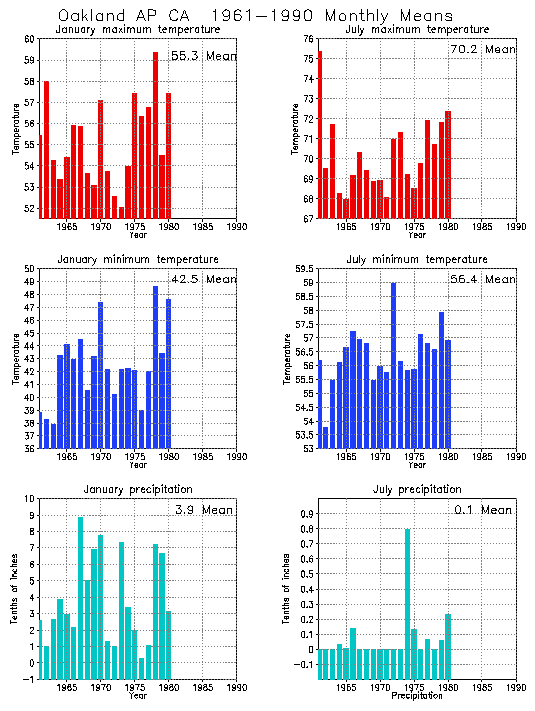
Despite being summer, this period in Oakland is often surprisingly mild, especially compared to other parts of California. Average high temperatures typically range from 68-75°F (20-24°C), with lows in the 50s°F (10-15°C). The “Fogust” phenomenon, where the Bay fog becomes most persistent, can mean cool mornings that give way to pleasant, often sunny, afternoons. This is an excellent time for outdoor events, street festivals, and enjoying Lake Merritt or Jack London Square. It’s also prime time for exploring nearby Redwood Regional Park or the Oakland Zoo. The mild temperatures are ideal for walking tours and alfresco dining.
Fall (September to November)
Many locals and seasoned travelers consider fall to be the absolute best time to visit Oakland. The notorious summer fog begins to recede, leading to what is often referred to as “Indian Summer.” September and October typically offer the warmest and clearest days of the year, with average highs often reaching into the mid-70s and even low 80s Fahrenheit (24-28°C), and nights remaining comfortably in the low 60s Fahrenheit (15-18°C). This period is perfect for outdoor activities, wine tasting in the nearby Livermore Valley, or simply enjoying the city’s vibrant neighborhoods under consistently sunny skies. By November, temperatures start to cool, and the chances of rain increase, signaling the approach of winter.
Winter (December to February)
Oakland winters are characterized by mild temperatures and increased rainfall. Average high temperatures typically range from 55-60°F (13-16°C), with nighttime lows in the 40s°F (4-9°C). While it’s the wettest season, significant snowfall is virtually unheard of. Rainy days can be interspersed with clear, crisp, and beautiful sunny days, especially after a storm front has passed. This season is ideal for travelers who prefer indoor activities like visiting museums, exploring Oakland’s diverse culinary scene, or enjoying cozy cafes. It’s also a fantastic time for whale watching off the California coast, just a short drive away.
Spring (March to May)
Spring in Oakland is a delightful transition, offering a gradual warming trend and the blossoming of natural landscapes. Average high temperatures range from the low 60s to low 70s Fahrenheit (16-22°C), with nights in the high 40s to low 50s (7-13°C). Rainfall decreases significantly as the season progresses, and the days become longer and sunnier. This is an excellent time for exploring Oakland’s parks and gardens, such as the Morcom Rose Garden or the blooming trails in the Oakland Hills. The pleasant temperatures are perfect for outdoor markets and enjoying the city’s growing outdoor dining scene before the summer crowds arrive.
Packing for Oakland: Essential Gear for Varying Temperatures
Given Oakland’s dynamic climate and the prevalence of microclimates, strategic packing is crucial for a comfortable and enjoyable trip. The key is layers, regardless of the season.
The Layering Principle
Even on what seems like a warm day, temperatures can drop quickly as evening approaches or if the Bay fog rolls in. Therefore, a traveler’s wardrobe should be versatile:
- Base Layers: T-shirts or light long-sleeved shirts are good starting points.
- Mid-Layers: Sweaters, cardigans, or light fleeces are essential for warmth, especially in the mornings, evenings, or in shaded areas.
- Outer Layers: A medium-weight jacket or a windbreaker is highly recommended for most of the year. During winter, a waterproof outer shell is advisable.
- Bottoms: Jeans, comfortable trousers, or shorts (especially in summer afternoons) are suitable. For hiking in the hills, consider convertible pants.
Seasonal Packing Nuances
- Summer: While days can be sunny and pleasant, always carry a light jacket or sweater. Sunglasses and sunscreen are also important. Evenings are often cool enough for long pants and a jacket.
- Fall: Similar to summer but with potentially warmer afternoons. A light to medium jacket, sweaters, and comfortable walking shoes are key.
- Winter: Focus on waterproof and warm layers. A good quality waterproof jacket, warm sweaters, and sturdy, water-resistant shoes are crucial. An umbrella is also a smart addition.
- Spring: Lighter layers are generally sufficient, but a mid-weight jacket for cooler mornings and evenings is still recommended. Comfortable walking shoes are a must for exploring.
Remember, even if you are planning to spend most of your time in one specific Oakland neighborhood, a short drive or walk can take you into a different microclimate with a noticeable temperature shift. Being prepared with adaptable clothing will ensure you are comfortable whether you’re strolling along Lake Merritt, exploring the shops in Rockridge, or hiking through Redwood Regional Park.
Experiencing Oakland Weather: Activities and Attractions
Oakland’s diverse temperatures and climatic conditions lend themselves to a wide array of activities, making it an engaging destination year-round. Understanding the weather helps in planning which attractions to visit and when.
Outdoor Adventures for Any Season
- Warm & Sunny Days (Primarily Fall & Summer Afternoons): These are perfect for exploring the Oakland Zoo, enjoying a picnic at Lake Merritt, cycling along the Bay Trail, or kayaking in the Bay. Hiking in Redwood Regional Park or the Joaquin Miller Park is particularly enjoyable when the sun is out, offering stunning views and comfortable temperatures. Outdoor dining at Jack London Square or in Uptown Oakland thrives in this weather.
- Mild & Cool Days (Spring, Summer Mornings, Early Winter): These conditions are ideal for walking tours through Oakland’s historic neighborhoods like Piedmont Avenue or Grand Lake, visiting outdoor markets, or simply enjoying a leisurely stroll. The cooler air makes urban exploration very pleasant, and the fog can add a unique atmospheric charm to photographs.
- Rainy Days (Winter): Don’t let a little rain deter your Oakland travel plans. The city offers plenty of indoor entertainment. Explore the Oakland Museum of California, delve into the vibrant arts scene in Uptown by visiting galleries, or sample the diverse culinary offerings in Rockridge or Temescal. Old Oakland also offers charming covered walkways and historic buildings to explore, complete with cozy cafes.
By understanding the fluctuations in Oakland’s temperature, from the moderating effects of the Bay to its distinct microclimates, travelers can confidently plan their visit, pack appropriately, and engage in activities that perfectly match the conditions, ensuring a memorable California experience.
LifeOutOfTheBox is a participant in the Amazon Services LLC Associates Program, an affiliate advertising program designed to provide a means for sites to earn advertising fees by advertising and linking to Amazon.com. Amazon, the Amazon logo, AmazonSupply, and the AmazonSupply logo are trademarks of Amazon.com, Inc. or its affiliates. As an Amazon Associate we earn affiliate commissions from qualifying purchases.