
Orlando, Florida, often dubbed the “Theme Park Capital of the World,” is a magnet for travelers seeking adventure, relaxation, and unforgettable experiences. From the enchanting realms of Walt Disney World Resort to the thrilling rides at Universal Orlando Resort, this vibrant city in Central Florida promises a world of discovery. However, a crucial element that can significantly shape your travel experience, dictating everything from what to pack to the pace of your days, is the weather. So, what’s the temperature in Orlando, and how does it influence your adventure in this beloved United States destination?
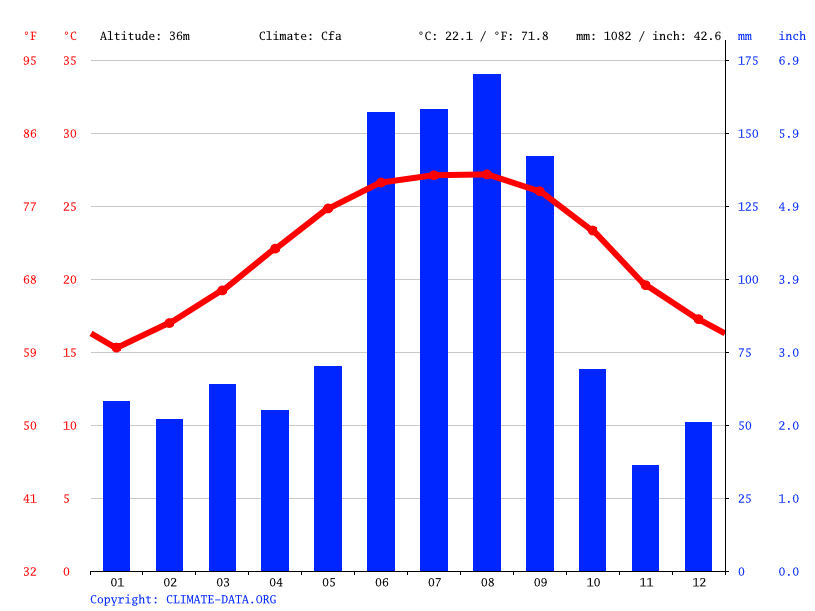
Understanding Orlando’s climate is key to planning a seamless trip, whether you’re focusing on accommodation choices, strategizing your tourism itinerary, or simply packing the right lifestyle attire. The city enjoys a humid subtropical climate, characterized by hot, humid summers and mild, relatively dry winters. This consistent warmth is one of the reasons it’s a popular year-round destination, but knowing the nuances of each season can elevate your journey from good to absolutely magical.
Understanding Orlando’s Climate: A Year-Round Perspective
Orlando’s weather is generally predictable, with distinct patterns emerging across the seasons. The consistent sunshine and lack of extreme cold make it an appealing getaway, but the humidity, particularly during the warmer months, is a factor every visitor should consider. This climate plays a significant role in how visitors engage with the city’s myriad attractions and its unique local culture.
The Warm Embrace of Summer: June to September
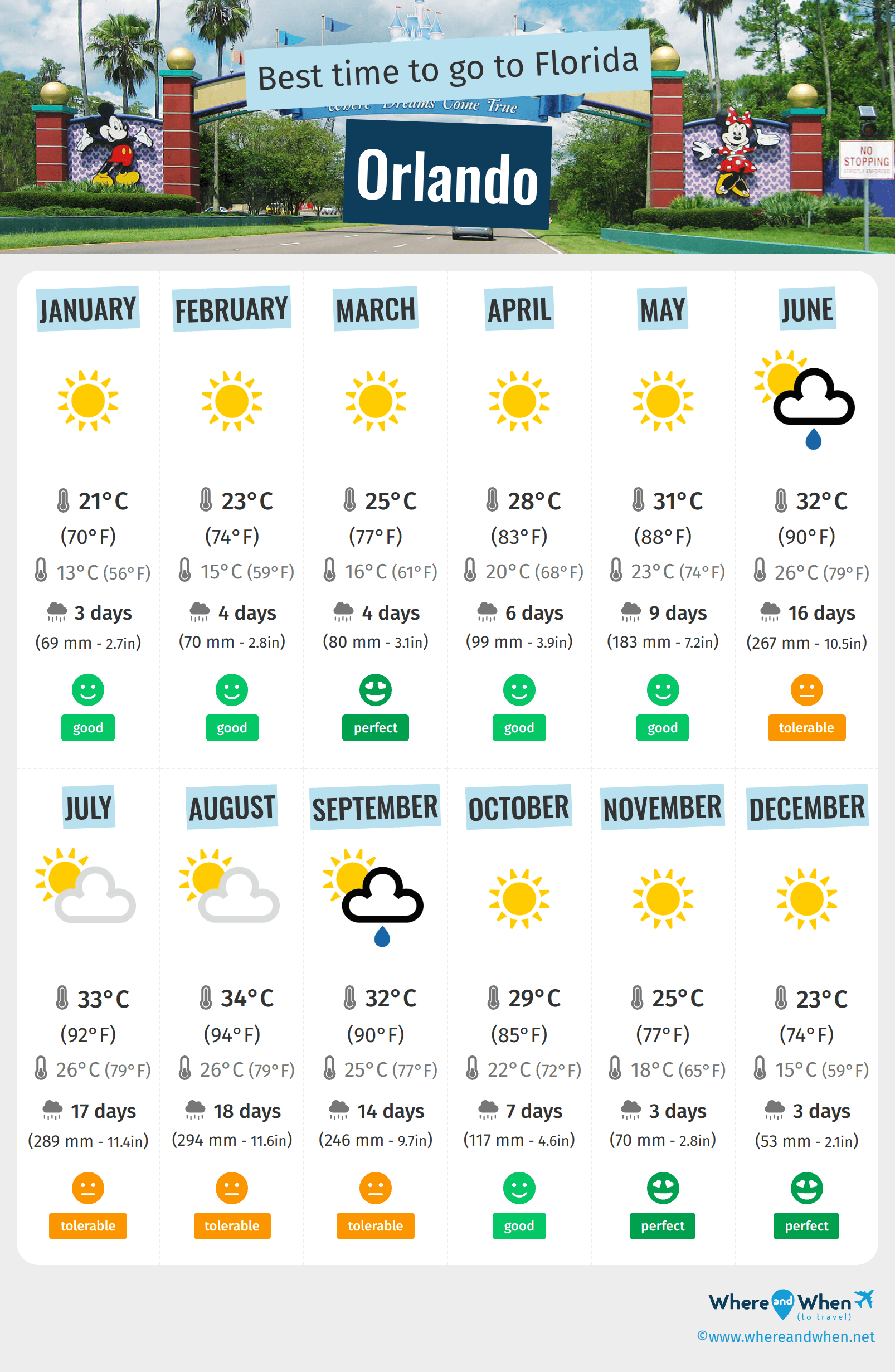
Summer in Orlando is defined by its heat and high humidity. Daily high temperatures typically hover in the low 90s Fahrenheit (around 32-34°C), with nighttime lows remaining in the mid-70s Fahrenheit (around 24-25°C). The “feels like” temperature, due to the oppressive humidity, can often exceed these figures, making it feel even warmer. This period also marks the heart of hurricane season, though direct hits are rare, afternoon thunderstorms are a daily occurrence. These storms often roll in quickly, deliver a torrential downpour, and then dissipate just as fast, leaving behind refreshed air and glistening streets.
For those planning summer travel, embracing the water parks is almost a rite of passage. Volcano Bay at Universal Orlando Resort, Aquatica Orlando, and the various Disney water parks like Blizzard Beach and Typhoon Lagoon become essential havens. Many hotels and resorts are designed with extensive pool areas, providing a crucial escape from the midday sun. Indoor attractions, air-conditioned shows, and strategic breaks in cooler environments become vital components of a successful summer itinerary. The vibrant lifestyle of Orlando in summer is one of adaptability, finding joy between the showers and relishing the cooler evenings.
Mild Marvels: Fall and Spring Transition
The shoulder seasons of fall (October-November) and spring (March-May) are arguably the most pleasant times to visit Orlando, offering a delightful respite from the summer heat and winter’s occasional chill. In spring, temperatures gradually climb from the low 70s Fahrenheit (21-23°C) in March to the low 80s Fahrenheit (27-29°C) by May. Humidity levels are lower, and rainfall is less frequent than in summer. Similarly, fall brings a welcome decrease in both temperature and humidity, with October and November seeing comfortable highs in the mid-70s to low 80s Fahrenheit (24-29°C).
These seasons are ideal for exploring Orlando’s outdoor attractions without the intense heat. Strolling through Epcot during one of its famous festivals, enjoying the vibrant greenery of Disney’s Animal Kingdom Theme Park, or venturing beyond the parks to places like Lake Eola Park in downtown Orlando or the charming boutiques of Winter Park become much more enjoyable. Accommodation during these times often sees slightly higher demand due to the favorable weather, making early booking a wise strategy. The comfortable temperatures also allow for more extensive exploration of Orlando’s diverse food scene, with outdoor dining becoming a delightful option.
Winter’s Gentle Whisper: December to February
Winter in Orlando is a stark contrast to typical northern winters, offering a gentle escape from colder climes. Daily high temperatures generally range from the low 60s to low 70s Fahrenheit (16-22°C), with nights cooling down into the 40s or 50s Fahrenheit (4-15°C). While cold snaps can occur, bringing temperatures occasionally dipping below freezing overnight, these are usually short-lived. The humidity is at its lowest during these months, making for refreshingly crisp air, especially in the mornings and evenings.
This period is often considered prime time for visiting Orlando, particularly for those seeking to avoid crowds associated with summer vacations or school breaks. The cooler temperatures are perfect for spending full days navigating the vast theme parks like Magic Kingdom Park or Universal Studios Florida, and exploring landmarks like the Kennedy Space Center Visitor Complex without the discomfort of intense heat. Luxury travel experiences, such as golfing at one of Orlando’s championship courses like those at The Ritz-Carlton Orlando, Grande Lakes or JW Marriott Orlando, Grande Lakes, are particularly enjoyable. Many hotels offer heated pools, ensuring swimming remains an option even on cooler days.
Navigating Orlando’s Seasons: What to Pack and What to Do
Preparing for Orlando’s climate is about smart packing and flexible planning. Your travel wardrobe and daily itinerary will look significantly different depending on when you visit, directly influencing your comfort and enjoyment of the city’s destinations.
Summer Essentials and Strategies
For summer travel, lightweight, breathable clothing is paramount. Think shorts, t-shirts, sundresses, and swimwear. A wide-brimmed hat, sunglasses, and high-SPF sunscreen are non-negotiable. Don’t forget a lightweight rain jacket or umbrella for those inevitable afternoon showers. Hydration is critical, so always carry a water bottle. Many resorts and parks offer refill stations.
Strategize your park visits by arriving early in the morning, taking a midday break at your hotel (especially if staying at a nearby property like Walt Disney World Dolphin Resort or Hard Rock Hotel Orlando), and returning in the cooler late afternoon or evening. This approach, often favored by family trips, allows for maximum enjoyment without succumbing to heat exhaustion. Look for hotels with excellent amenities like expansive pools, splash pads, and strong air conditioning, which are crucial during these months.
Fall/Spring Versatility
These transitional seasons call for layers. During the day, you’ll likely be comfortable in shorts or light pants and a t-shirt. However, as the sun sets, especially in late fall or early spring, a light jacket, cardigan, or sweatshirt will be appreciated. Comfortable walking shoes are a must, regardless of the season, but even more so when the weather invites extended outdoor exploration.
Fall and spring are perfect for exploring Orlando’s diverse offerings beyond the main theme parks. Consider a day trip to the coast, with Cocoa Beach just an hour’s drive east, or Clearwater Beach to the west. These pleasant temperatures are also ideal for exploring International Drive and its various entertainment options, from ICON Park to dinner shows. Tourism flourishes with outdoor events and festivals taking advantage of the comfortable weather.
Winter Comforts
While “winter” might conjure images of heavy coats, Orlando’s version is far milder. Pack jeans, long-sleeved shirts, and a medium-weight jacket or sweater. A scarf might be nice for cooler evenings. You’ll still want comfortable walking shoes, as park days can be long. For mornings that start chilly, layers are still the best strategy, allowing you to shed clothing as the day warms up.
Winter is excellent for full-day park visits, enjoying holiday decorations and special events at Magic Kingdom Park or Universal Studios Florida without breaking a sweat. It’s also a fantastic time for budget travel, as off-peak rates for accommodation might be available, though holiday weeks can be an exception. Exploring Orlando’s vibrant downtown, visiting landmarks like the Amway Center for a game, or catching a show at the Dr. Phillips Center for the Performing Arts are pleasant winter activities.
Temperature’s Impact on Your Orlando Experience
The temperature in Orlando is more than just a number; it fundamentally shapes the rhythm of your vacation. From your choice of hotel to how you navigate the busiest attractions, understanding the climate is paramount for a successful travel experience.
Choosing Your Accommodation Wisely
When considering accommodation, especially during the hot summer months, prioritize places with excellent air conditioning and inviting pool areas. Many resorts in Orlando, such as Four Seasons Resort Orlando at Walt Disney World Resort or Caribe Royale Orlando, boast elaborate water features and multiple pools, becoming destinations in themselves. For long-term stays or family trips, apartments or villas with private pools or ample indoor amenities can offer a comfortable retreat from the heat.
Conversely, in winter, while pools are still popular, you might seek hotels that offer heated options, allowing for swimming even on cooler days. Cozy common areas or suites with comfortable lounging spaces can be a welcome feature on a chilly evening. For business stays, properties like the Hyatt Regency Orlando or Gaylord Palms Resort & Convention Center provide extensive indoor facilities, ensuring comfort regardless of the outdoor temperature.
Maximizing Your Theme Park Adventures
The vast expanse of Orlando’s theme parks means you’ll be spending a lot of time outdoors. In summer, the heat mandates strategic planning:
- Early bird gets the worm: Arrive at park opening to tackle popular rides before crowds and temperatures peak.
- Water rides are your friend: Integrate attractions like Splash Mountain (at Magic Kingdom Park) or Jurassic Park River Adventure (at Universal’s Islands of Adventure) into your plan.
- Indoor breaks: Schedule time for air-conditioned shows, sit-down meals, or indoor attractions to cool down.
- Midday retreat: Consider returning to your hotel for a swim or nap, then heading back to the parks in the evening.
During milder seasons, you have more flexibility. Full days in the parks are comfortable, allowing you to take your time and enjoy the atmosphere. Winter offers cooler temperatures, which are ideal for long walks and enjoying outdoor parades and fireworks without feeling overheated.
Beyond the Parks: Embracing Orlando’s Diverse Offerings
Orlando’s appeal extends beyond its world-famous theme parks. The temperature dictates how you might explore these other destinations and experiences.
- Nature and Outdoors: In cooler months, venturing to natural landmarks like Gatorland or taking an airboat tour through the everglades is a delightful way to connect with Florida’s unique ecosystem. During summer, these activities are best enjoyed early in the morning or late afternoon.
- Cultural Exploration: Visiting museums like the Orlando Museum of Art or exploring the shops and eateries in charming neighborhoods like Winter Park are comfortable year-round, thanks to air conditioning. However, the mild spring and fall temperatures make strolling outdoor markets or participating in food festivals particularly enjoyable.
- Dining: Outdoor patios and rooftop bars are fantastic options during the pleasant fall and spring evenings. In summer, you’ll likely gravitate towards indoor, air-conditioned dining, though some restaurants in areas like Disney Springs offer comfortable outdoor seating with fans or misters.

The Best Time to Visit Orlando: A Temperature-Guided Choice
Ultimately, the “best” time to visit Orlando depends on your personal preferences and priorities.
- For optimal comfort and manageable crowds: Late fall (late October-November) and late winter/early spring (February-April) offer the most agreeable temperatures, lower humidity, and generally less rainfall. This period is ideal for those planning extensive park days and outdoor exploration, representing a great value for travel due to the enhanced experiences.
- For water park enthusiasts and budget travelers (with caveats): Summer (June-September) provides ample opportunities for water-based fun and often sees lower hotel rates outside of holiday weekends. However, be prepared for intense heat, humidity, and daily thunderstorms. This period is perfect for family trips where splashing is a priority.
- For holiday magic and cooler weather: December and early January offer festive atmospheres, beautiful decorations, and comfortable temperatures, though crowds can be significant around Christmas and New Year’s.
No matter when you decide to visit, Orlando’s dynamic climate is part of its charm. By understanding what to expect from the temperature, you can tailor your accommodation choices, pack strategically, and plan an itinerary that ensures comfort and maximizes enjoyment of all the incredible destinations, attractions, and experiences this world-class city has to offer.
LifeOutOfTheBox is a participant in the Amazon Services LLC Associates Program, an affiliate advertising program designed to provide a means for sites to earn advertising fees by advertising and linking to Amazon.com. Amazon, the Amazon logo, AmazonSupply, and the AmazonSupply logo are trademarks of Amazon.com, Inc. or its affiliates. As an Amazon Associate we earn affiliate commissions from qualifying purchases.