
Planning a trip to the Sunshine State often involves envisioning warm breezes, radiant sun, and pristine beaches. When your sights are set on Port St. Lucie, understanding its climate is paramount to curating the perfect travel experience. Nestled along Florida’s Treasure Coast, Port St. Lucie offers a distinct subtropical climate that promises ample warmth but also introduces seasonal nuances critical for any discerning traveler. This guide delves into the specifics of Port St. Lucie’s temperatures throughout the year, equipping you with the knowledge to pack appropriately, plan activities, and ultimately, maximize your enjoyment of this vibrant Florida gem.
Understanding Port St. Lucie’s Subtropical Climate
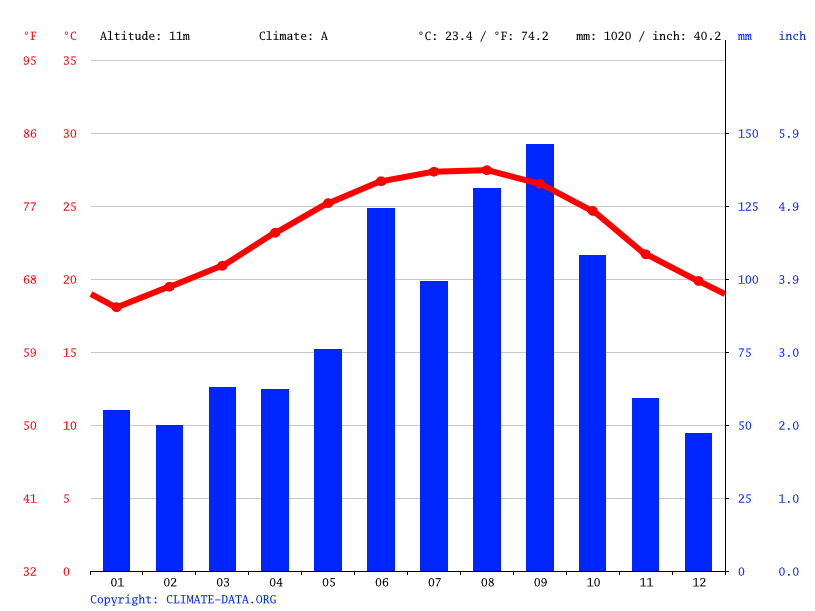
Port St. Lucie benefits from a humid subtropical climate, a characteristic shared with much of central and south Florida. This climate type is distinguished by its warm, humid summers and mild, relatively dry winters. The proximity to the Atlantic Ocean plays a significant role in moderating temperatures, preventing extreme heat waves in summer and severe cold snaps in winter compared to inland areas. However, this oceanic influence also contributes to the region’s notable humidity levels, which can impact how temperatures feel.
A Year-Round Sunshine Destination
One of the primary appeals of Port St. Lucie for travelers is its abundance of sunshine. Even during the cooler months, clear skies are common, making it an ideal escape from colder northern climates. The average number of sunny days contributes significantly to the city’s reputation as a year-round destination, but the nature of that sunshine and the accompanying temperatures shift considerably with the seasons. Travelers can generally expect comfortable conditions for outdoor pursuits for a significant portion of the year, particularly from late fall through spring. The sun’s intensity, even in winter, necessitates proper sun protection, a detail often overlooked by those accustomed to less potent solar radiation.
Humidity: A Key Factor
While temperature gauges provide a numerical value, humidity profoundly influences the perceived temperature. In Port St. Lucie, especially from late spring through early autumn, humidity levels are high. This means that a temperature of 85°F (29°C) might feel significantly warmer, often described as “muggy” or “sultry.” The heat index, which combines air temperature and relative humidity, is a more accurate measure of how hot it truly feels. For travelers, this translates to the need for breathable fabrics, ample hydration, and planning strenuous outdoor activities during cooler parts of the day, even if the thermometer reading doesn’t seem exceptionally high. Understanding and preparing for humidity is crucial for comfort and safety during your visit.
Preparing for Florida’s Weather Dynamics
Florida’s weather, while generally predictable in its seasonal patterns, can also be dynamic. Afternoon thunderstorms are a common occurrence during the summer wet season, often appearing quickly and dissipating just as fast. While these downpours provide a temporary cooling effect, they can disrupt outdoor plans. Furthermore, tropical systems and hurricanes are a consideration during the hurricane season, which officially runs from June 1st to November 30th. While direct hits are infrequent, staying informed about weather forecasts is always a wise practice when traveling to the region during these months. Modern forecasting tools make it easy to monitor local conditions, allowing travelers to adjust plans as needed for a seamless experience.
Seasonal Temperature Breakdown for Travelers
Understanding the temperature variations across the seasons is the cornerstone of planning a successful trip to Port St. Lucie. Each season offers a distinct experience, influencing everything from available activities to the type of clothing you’ll need.
Winter (December – February): The Peak Season
Winter in Port St. Lucie is arguably its most celebrated season, especially for visitors fleeing colder climates. Average daytime temperatures typically range from the low to mid-70s°F (21-24°C), with evenings cooling down to the 50s°F (10-15°C). Frost is rare, and while cold fronts can occasionally drop temperatures into the 40s°F (4-9°C) for a day or two, these are usually brief. The humidity is much lower during these months, making the pleasant temperatures feel even more comfortable. This period is perfect for golf, outdoor festivals, beach walks without the intense summer heat, and exploring attractions like the Port St. Lucie Botanical Gardens or Savannas Preserve State Park. Due to the idyllic weather, winter is considered peak tourist season, meaning accommodations and attractions might be busier and potentially more expensive.
Spring (March – May): Pleasant Transitions
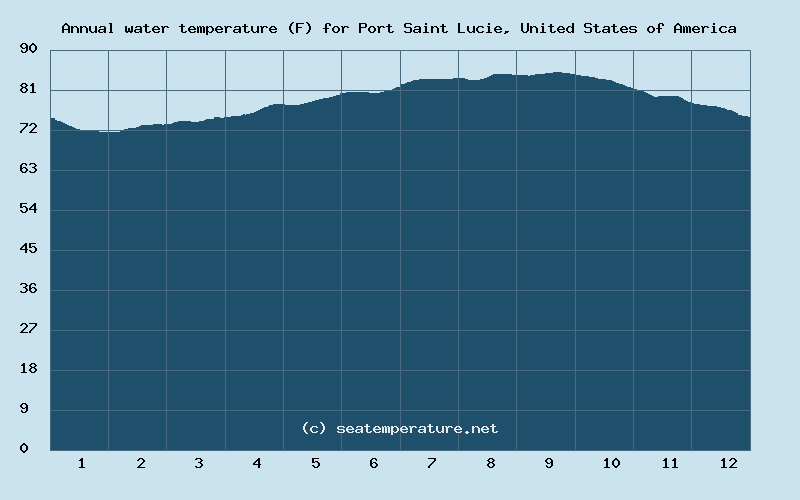
Spring brings a gradual warming trend to Port St. Lucie, maintaining delightful conditions before the summer heat fully sets in. March and April see average highs in the upper 70s°F (25-26°C), creeping into the low 80s°F (27-28°C) by May. Nighttime lows remain comfortable, generally in the 60s°F (16-20°C). Humidity begins to increase, but it’s still generally manageable. This season is excellent for outdoor activities, offering a sweet spot where the water temperatures are warming up for swimming, but the air isn’t yet stifling. Events like spring training baseball at the Clover Park stadium (home of the New York Mets spring training) are popular, taking advantage of the superb weather. It’s a fantastic time for exploring the St. Lucie River or the Indian River Lagoon.
Summer (June – August): Warmth and Wetness
Summers in Port St. Lucie are defined by heat, humidity, and daily afternoon thunderstorms. Average daytime temperatures consistently hover in the upper 80s°F to low 90s°F (31-33°C), with heat index values often pushing into the triple digits. Overnight lows rarely drop below the mid-70s°F (24-25°C). The high humidity makes the air feel thick and heavy. While the heat can be intense, the frequent, brief thunderstorms (usually lasting an hour or less) can offer temporary relief. This season is prime for water-based activities such as swimming, snorkeling, and boating. Indoor attractions like the St. Lucie County Aquarium become particularly appealing during the hottest parts of the day or during rain showers. Travelers visiting during this period should plan their outdoor excursions for early mornings or late afternoons.
Autumn (September – November): Gradual Cooling
As summer gives way to autumn, Port St. Lucie experiences a welcome decrease in both temperature and humidity. September still feels very much like summer, with highs in the mid-80s°F (29-30°C). However, by October, average highs dip into the low 80s°F (27-28°C), and by November, temperatures are typically in the mid-70s°F (24-25°C). Nights become noticeably cooler and more comfortable, often falling into the 60s°F (16-20°C). The risk of hurricanes gradually diminishes by late October, and humidity levels significantly drop, making late autumn another highly desirable time to visit. This period is ideal for enjoying golf courses such as the PGA Village or The Saints Golf Course, exploring parks, or taking day trips to nearby towns like Fort Pierce or Jensen Beach without the crowds or intense heat of summer.
Activities and Experiences Tailored to the Climate
The diverse climate of Port St. Lucie allows for a wide array of activities, but smart planning based on temperature is key to maximizing enjoyment and comfort.

Enjoying the Outdoors in Cooler Months
During the delightful winter and spring months, when temperatures are mild and humidity is low, the outdoors beckon. This is the prime time for activities that involve sustained exposure to the sun or physical exertion. Golfers flock to the championship courses, hikers and birdwatchers explore the numerous preserves and parks, and cyclists enjoy miles of scenic trails. Beach strolls, picnics, and fishing charters are particularly pleasant. Even a visit to the Manatee Observation and Education Center in nearby Fort Pierce is more comfortable when the air is crisp. These seasons are also excellent for exploring the natural beauty of the area, like the ecosystems found in the Indian River Lagoon, which thrive under these temperate conditions.
Embracing Water Activities in Warmer Periods
When summer’s heat and humidity settle in, water becomes your best friend. The ocean and lagoon waters are wonderfully warm, making swimming, paddleboarding, kayaking, and boating irresistible. Many travelers opt for excursions to nearby beaches or explore the waterways connecting Port St. Lucie to the Atlantic Ocean. Early mornings are ideal for fishing or a brisk walk on the beach before the sun reaches its zenith. Aquatics centers and community pools also provide a refreshing escape from the heat. Even simple activities like enjoying a meal at a waterfront restaurant can be more enjoyable when the cooling sea breeze is present.
Indoor Attractions for Rainy Days
Regardless of the season, a pop-up shower or an exceptionally hot afternoon might drive you indoors. Fortunately, Port St. Lucie and its surrounding areas offer engaging indoor alternatives. The St. Lucie County Aquarium provides an educational and cool escape, showcasing local marine life. Shopping centers offer air-conditioned comfort, and local museums or art galleries provide cultural enrichment away from the elements. While Port St. Lucie is renowned for its outdoor lifestyle, having a list of indoor options is a prudent part of any travel plan, ensuring enjoyment no matter what the weather decides.
Essential Packing Tips Based on Temperature
Packing smart for Port St. Lucie means considering both the thermometer and the humidity. Your wardrobe choices and essential items will significantly impact your comfort and overall travel experience.
Wardrobe Essentials for Each Season
During the winter months, layer light. While days are pleasant, evenings can be cool. Think light jackets, cardigans, or sweaters over short-sleeved shirts. Long pants are generally comfortable. For spring and autumn, breathable fabrics like cotton and linen are key. Shorts, t-shirts, and light dresses are perfect for daytime, with a light long-sleeved shirt or a thin jacket for cooler evenings. Summer demands the lightest, most breathable clothing possible. Moisture-wicking fabrics are highly recommended. Swimsuits are essential, as are hats and sunglasses. Always pack more light clothing than you think you’ll need, as humidity can make clothes feel damp.
Sun Protection: Non-Negotiable Year-Round
Regardless of the season or temperature, the Florida sun is strong. Sunscreen with a high SPF is an absolute must, reapplied frequently, especially after swimming or sweating. Wide-brimmed hats and UV-protective sunglasses are also critical for safeguarding your skin and eyes. Even on cloudy days, UV rays can penetrate, so never underestimate the need for protection. Many travelers find lightweight, long-sleeved UPF (Ultraviolet Protection Factor) clothing to be a practical addition to their summer wardrobe, offering excellent protection without feeling overly warm.
Rain Gear: Always a Smart Addition
Given the possibility of unexpected showers, particularly from late spring through early fall, a compact umbrella or a lightweight rain jacket is a valuable item to include in your luggage. These items are easy to carry and can prevent an unexpected downpour from dampening your plans. While heavy rain gear isn’t typically necessary for the brief nature of most Port St. Lucie showers, having a quick-drying outer layer can save you from discomfort and allow you to continue exploring shortly after the rain passes.
Making the Most of Your Port St. Lucie Visit
Ultimately, the temperature in Port St. Lucie is just one piece of the puzzle, albeit a very important one. By understanding its patterns and preparing accordingly, you can ensure a comfortable and memorable trip.
Best Time to Visit for Optimal Weather
For those seeking the most temperate and comfortable weather, the period from November through May is generally considered the optimal time to visit Port St. Lucie. During these months, temperatures are mild, humidity is lower, and the chances of significant rainfall are reduced. This window offers ideal conditions for virtually all outdoor activities, from leisurely beach days to active exploration of the region’s natural beauty. However, be aware that these pleasant conditions also correspond to peak tourist season, which may mean higher prices and larger crowds at popular destinations.
Staying Hydrated and Comfortable
Regardless of the season, hydration is crucial, especially when engaging in outdoor activities. Always carry a reusable water bottle and replenish it regularly. If visiting during the warmer months, consider electrolyte-enhanced drinks. Light-colored clothing can help reflect sunlight and keep you cooler. Planning outdoor activities for the cooler parts of the day (early morning or late afternoon) during summer is a smart strategy. Don’t push yourself too hard in the heat; take frequent breaks in shaded areas or air-conditioned spaces. Listening to your body is key to a safe and enjoyable experience.
Leveraging Local Forecasts
While this guide provides general seasonal expectations, local weather forecasts are your most accurate and up-to-the-minute resource. Before and during your trip, regularly check forecasts for Port St. Lucie to make informed decisions about your daily plans. Modern weather apps can even provide hourly breakdowns, helping you time your beach visits, golf rounds, or park explorations perfectly. Being flexible and ready to adapt to minor weather shifts will ensure that your visit to this delightful Florida city is as smooth and enjoyable as possible, allowing you to fully appreciate the warmth and charm of Port St. Lucie’s unique climate.
LifeOutOfTheBox is a participant in the Amazon Services LLC Associates Program, an affiliate advertising program designed to provide a means for sites to earn advertising fees by advertising and linking to Amazon.com. Amazon, the Amazon logo, AmazonSupply, and the AmazonSupply logo are trademarks of Amazon.com, Inc. or its affiliates. As an Amazon Associate we earn affiliate commissions from qualifying purchases.