
When planning a trip to the vibrant island of Puerto Rico, one of the most crucial pieces of information to consider is the weather. Beyond simply knowing the current temperature, understanding the nuances of Puerto Rico’s climate throughout the year will significantly enhance your travel experience. This guide delves into the typical temperatures, seasonal variations, and how they might influence your choice of activities, accommodations, and overall itinerary. Whether you’re dreaming of basking on the sun-drenched beaches of San Juan, exploring the lush rainforests of El Yunque, or immersing yourself in the rich culture of Ponce, knowing what to expect temperature-wise is key to unlocking the best of this Caribbean paradise.
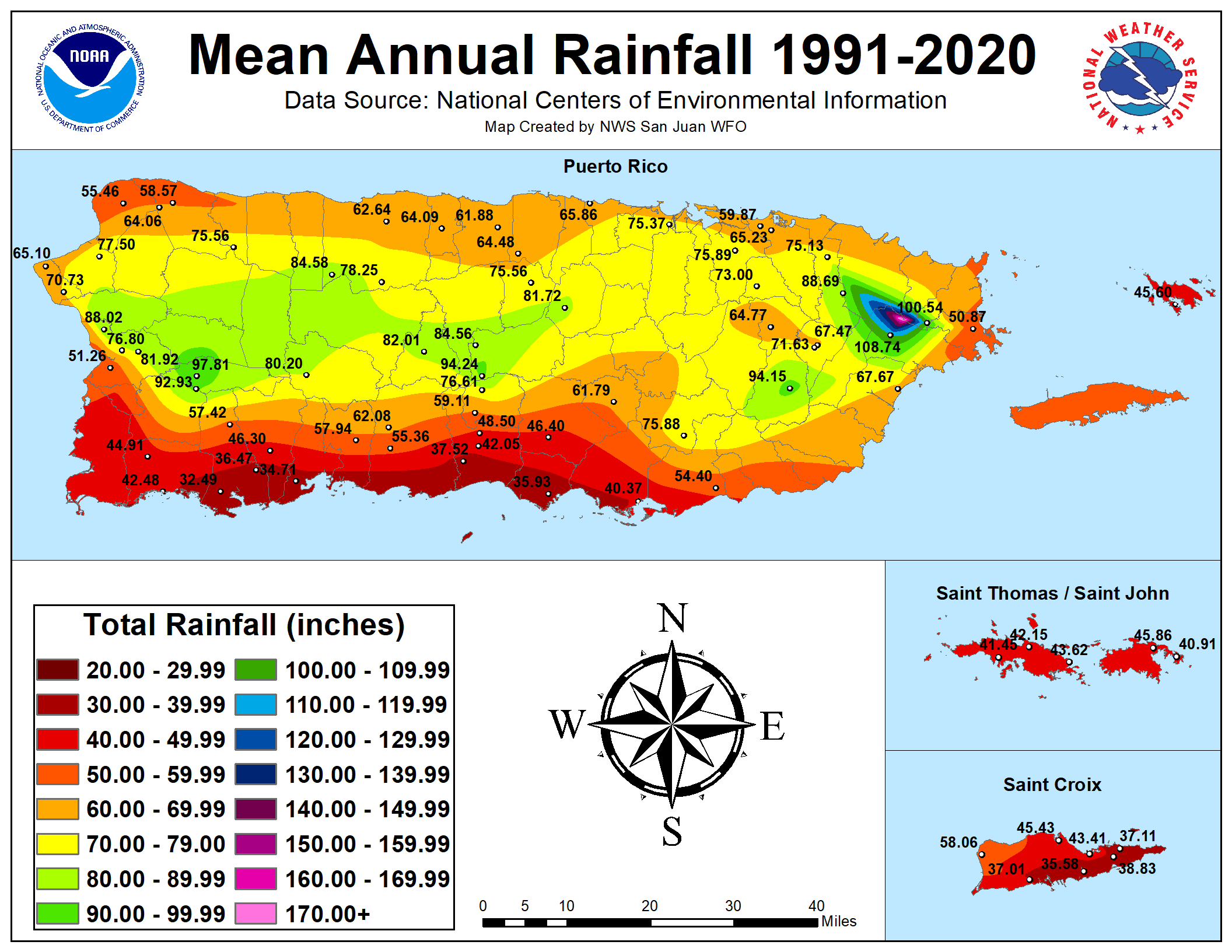
Puerto Rico boasts a tropical maritime climate, characterized by warm temperatures year-round and a distinct wet and dry season. This means that you can generally expect pleasant weather no matter when you choose to visit, but understanding the subtle shifts can help you pack more effectively and plan your excursions with greater precision. The island’s location in the northeastern Caribbean shields it from many of the more extreme weather patterns found elsewhere, offering a consistently inviting environment for travelers.
Understanding Puerto Rico’s Tropical Climate
The allure of Puerto Rico lies not just in its stunning landscapes and historical sites, but also in its reliably warm and sunny disposition. The tropical climate ensures that temperatures rarely dip to uncomfortable levels, making it an attractive destination for those seeking an escape from colder climes. The surrounding ocean plays a significant role in moderating temperatures, preventing extreme heat and providing a gentle, refreshing breeze.
Average Temperatures Throughout the Year
On average, Puerto Rico experiences daily temperatures that hover between the high 70s and mid-80s Fahrenheit (around 25-29 degrees Celsius). These figures represent the average daily highs, meaning that while daytime temperatures are consistently warm, evenings can be slightly cooler, especially in higher elevations.
The Dry Season (Mid-December to Mid-April): This period is often considered the most desirable time to visit Puerto Rico, largely due to the drier weather and abundant sunshine. Temperatures during these months typically range from the low 80s Fahrenheit (27-28 degrees Celsius) during the day, with evenings settling into the comfortable 70s Fahrenheit (21-23 degrees Celsius). The humidity is generally lower, making outdoor activities particularly enjoyable. This is the peak tourist season, so expect larger crowds and potentially higher prices for flights and accommodations at popular spots like the Condado Vanderbilt Hotel or St. Regis Bahía Beach Resort.
The Wet Season (June to November): While often referred to as the “wet season,” this doesn’t mean perpetual rain. Instead, it signifies a higher likelihood of brief, intense showers, often in the afternoon. These showers are usually short-lived and can actually be a welcome respite from the heat, leaving the air fresh and the vegetation vibrant. Temperatures remain consistently warm, with daytime highs still in the mid-80s Fahrenheit (around 29 degrees Celsius) and nighttime lows in the mid-70s Fahrenheit (around 24 degrees Celsius). The humidity tends to be higher during these months, which can make it feel warmer. This season also coincides with hurricane season, typically from June 1st to November 30th. While direct hits are infrequent, it’s wise to stay informed about weather forecasts and consider travel insurance when visiting during this period. Even with the possibility of rain, destinations like Old San Juan with its historical charm and covered arcades, or the indoor museums and galleries, remain fantastic options.
Factors Influencing Temperature
Several geographical and atmospheric factors contribute to Puerto Rico’s distinct climate:
- Latitude: Situated in the tropics, Puerto Rico receives direct sunlight throughout the year, leading to consistently warm temperatures.
- Oceanic Influence: The surrounding Atlantic Ocean and Caribbean Sea act as a natural air conditioner, moderating extreme temperature fluctuations and providing a cooling breeze.
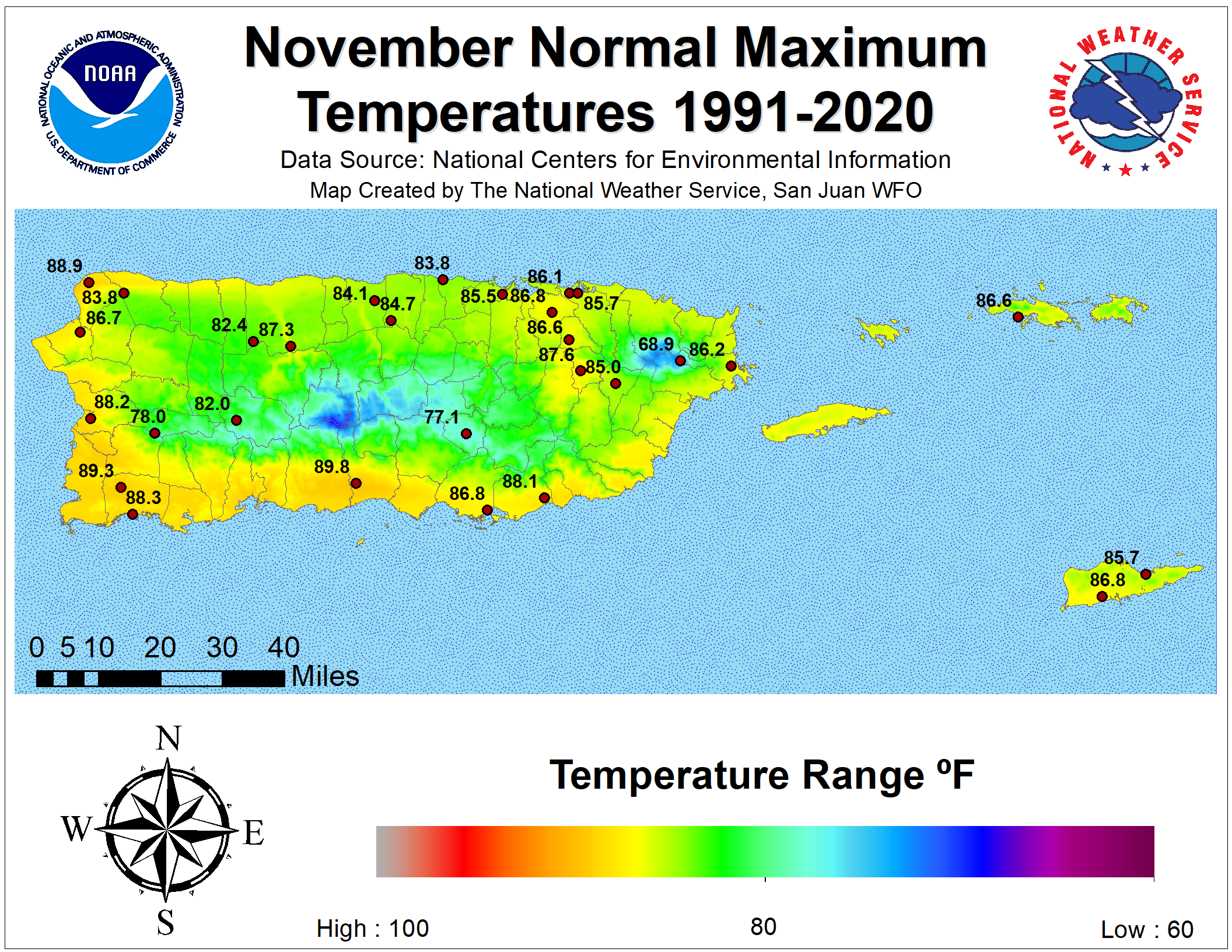
- Elevation: While coastal areas tend to be hotter and more humid, inland regions and the central mountain ranges, such as the Cordillera Central, experience cooler temperatures. For instance, towns like Utuado might offer a slightly more temperate climate compared to the coastal city of San Juan.
- Trade Winds: Prevailing easterly trade winds bring a refreshing breeze to the island, especially to the northern and eastern coasts, making the warm temperatures feel more comfortable. These winds can also influence rainfall patterns.
Planning Your Visit Based on Temperature and Season
Knowing the typical temperature ranges and seasonal patterns for Puerto Rico can significantly influence your travel plans. Whether you prioritize dry, sunny days for beach hopping or are more interested in exploring cultural attractions and don’t mind occasional rain, there’s an ideal time to visit for every traveler.
Activities and Temperature Considerations
The consistent warmth makes Puerto Rico an ideal destination for a wide array of activities year-round. However, certain temperatures might make some pursuits more enjoyable than others.
- Beach and Water Activities: The water temperature in Puerto Rico remains consistently warm, typically in the high 70s to low 80s Fahrenheit (26-28 degrees Celsius) year-round. This makes swimming, snorkeling, diving, and surfing at places like Flamenco Beach or the waters off Vieques and Culebra an absolute pleasure regardless of the season. During the drier months, the predictability of sunshine makes planning a full day at the beach or a boat excursion to the bioluminescent bays like the Mosquito Bay even more appealing.
- Hiking and Nature Exploration: Exploring the trails of El Yunque National Forest or venturing into the mountainous interior can be particularly rewarding when the humidity is lower, which is generally the case during the dry season. While rain can occur in the wet season, it often enhances the lushness of the rainforest, and a brief shower can be invigorating. Always be prepared for rain and wear appropriate footwear when hiking.
- Cultural and Historical Exploration: Visiting historical sites like Castillo San Felipe del Morro in Old San Juan or the museums in Ponce is enjoyable at any temperature. However, walking through the cobblestone streets of Old San Juan might be slightly more comfortable during the cooler parts of the day, especially during the hotter months of the wet season, or during the drier, less humid months.
- Nightlife and Dining: Puerto Rico’s vibrant nightlife and culinary scene are active year-round. The warm evenings are perfect for enjoying outdoor dining experiences or exploring the lively bars and clubs in areas like La Placita de Santurce. The consistent temperatures mean you won’t need heavy outerwear for a night out.
Accommodation Choices and Temperature
Your choice of accommodation can also be influenced by temperature, particularly regarding amenities and location.
- Resorts and Hotels: Many resorts in Puerto Rico, such as the Dorado Beach, a Ritz-Carlton Reserve, offer extensive outdoor facilities like pools, private beaches, and expansive grounds. During the warmer months, air-conditioned rooms and shaded lounging areas become highly valued. Hotels in prime locations, like beachfront properties on the north coast or in the popular tourist zones of Isla Verde and Condado, often have excellent pool areas and direct beach access, catering to guests who want to make the most of the warm weather.
- Villas and Apartments: Renting a villa or apartment can provide a more independent experience. Having access to a private pool or a well-equipped kitchen can be particularly beneficial during the wet season, allowing for more indoor activities and meals if needed. Consider properties with good ventilation or air conditioning to ensure comfort.
- Long-term Stays: For those considering a longer stay, understanding the subtle temperature shifts is crucial for adapting to the local rhythm. The consistent warmth means that even during the wet season, outdoor living is still very much a part of the lifestyle. Many long-term rental properties are designed with the tropical climate in mind, featuring large windows, balconies, and open-plan living areas to take advantage of natural breezes.

Beyond the Numbers: Experiencing Puerto Rico’s Climate
While knowing the exact temperature in Puerto Rico is helpful, it’s also important to embrace the island’s unique atmospheric personality. The Caribbean sun is strong, and even on cooler days, sunscreen is a must. The humidity, particularly during the wet season, contributes to the lush, verdant landscape and the vibrant, energetic atmosphere that Puerto Rico is famous for.
Don’t let the possibility of rain deter you during the wet season. These showers are often brief and refreshing, and they bring life to the island’s incredible biodiversity. Many visitors find that the less crowded atmosphere and the greener scenery of the wet season offer a different, yet equally rewarding, experience.
Ultimately, Puerto Rico’s temperature is a key element of its charm. It’s a place where you can consistently enjoy warm weather, whether you’re lounging on the beach, exploring historical forts, or indulging in the local cuisine. By understanding the general climate patterns and considering the specific activities you wish to pursue, you can plan a trip to Puerto Rico that perfectly suits your preferences, ensuring a memorable and comfortable adventure in this captivating Caribbean gem. From the bustling streets of San Juan to the tranquil shores of Vieques, the warm embrace of Puerto Rico’s climate is an invitation to relax, explore, and create lasting memories.
LifeOutOfTheBox is a participant in the Amazon Services LLC Associates Program, an affiliate advertising program designed to provide a means for sites to earn advertising fees by advertising and linking to Amazon.com. Amazon, the Amazon logo, AmazonSupply, and the AmazonSupply logo are trademarks of Amazon.com, Inc. or its affiliates. As an Amazon Associate we earn affiliate commissions from qualifying purchases.