
As the sun-drenched landscape of Southern California beckons, many prospective visitors and returning enthusiasts find themselves pondering a crucial element of their travel plans: the weather. For those with an eye on Riverside, California, understanding its climatic nuances is key to unlocking the most enjoyable and memorable experiences. This guide delves into the typical temperatures and weather patterns you can expect when visiting this vibrant city, offering insights that will help you pack wisely and plan your itinerary to perfection. Whether you’re drawn by its rich history, burgeoning arts scene, or proximity to natural wonders, knowing the mercury’s disposition is an indispensable part of the travel planning process.

Understanding Riverside’s Climate: A Mediterranean Influence
Riverside, California benefits from a semi-arid climate with significant Mediterranean influences. This translates to long, warm to hot, dry summers and mild, relatively wet winters. The city’s inland location, nestled in the Inland Empire region of Southern California, means it experiences more extreme temperature fluctuations than coastal cities like Los Angeles or San Diego, but it also boasts abundant sunshine year-round.
The absence of a direct oceanic moderating effect leads to distinct diurnal temperature variations, meaning the difference between daytime highs and nighttime lows can be substantial, particularly during the summer months. Understanding this pattern is vital for anyone considering outdoor activities or planning their accommodation.
Seasonal Temperature Breakdown
To better prepare for your visit, let’s break down the typical temperatures you can expect across the seasons.
Summer (June – August)
Summers in Riverside are characterized by prolonged periods of heat and sunshine. Daytime temperatures frequently soar into the 90s Fahrenheit (32-37°C) and can often reach or exceed 100°F (38°C). Evenings offer some respite, with temperatures typically dropping into the 60s or low 70s Fahrenheit (15-22°C), making for pleasant outdoor dining or evening strolls. The air is generally dry, and humidity levels remain low, which can make the high temperatures feel more bearable than in more humid climates. Rainfall is virtually non-existent during these months, with skies remaining predominantly clear. This season is ideal for enjoying the many outdoor attractions, but sun protection and hydration are paramount.
Autumn (September – November)
As summer transitions into autumn, Riverside experiences a delightful shift. September often retains much of the summer heat, with daytime highs still frequently in the 80s and 90s Fahrenheit (27-37°C). However, as the season progresses, temperatures gradually cool. By November, average daytime highs hover in the 70s Fahrenheit (21-26°C), with evenings becoming noticeably cooler, dipping into the 40s or 50s Fahrenheit (4-15°C). This period is often considered one of the most pleasant times to visit, with less intense heat and the possibility of cooler breezes. While rainfall is still infrequent in early autumn, the chance of precipitation increases as November approaches, offering a hint of the wetter winter months to come.
Winter (December – February)
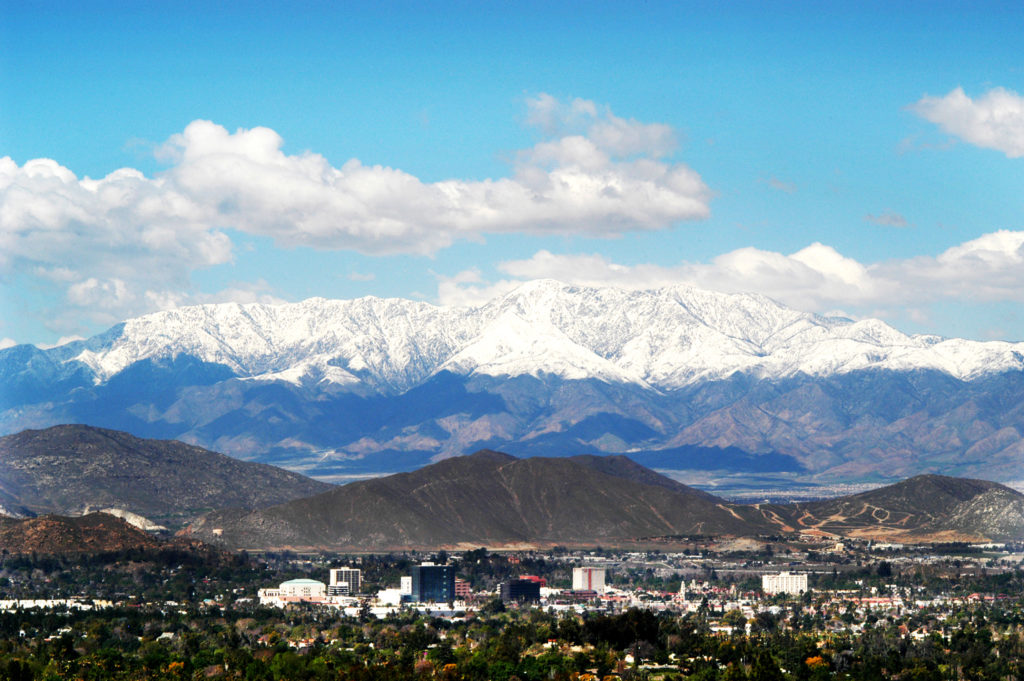
Winters in Riverside are mild and generally pleasant. Daytime temperatures typically range from the high 50s to the low 70s Fahrenheit (10-22°C), making it comfortable for exploring the city’s cultural sites and natural surroundings. Overnight lows can drop into the 40s Fahrenheit (4-9°C), and occasional frost is possible in the early mornings, especially in outlying areas. This is also the wettest season, though “wet” is relative to the dry conditions of the rest of the year. Rainfall is more common, often occurring in the form of light to moderate showers, though occasional heavier downpours are not unheard of. Snowfall is extremely rare in Riverside itself, though the nearby San Bernardino Mountains often receive snow, offering a picturesque contrast.
Spring (March – May)
Spring in Riverside is a time of blooming and refreshing temperatures. March and April still carry a moderate chance of rain, but as the season progresses towards May, the weather becomes increasingly sunny and warm. Daytime temperatures gradually climb from the 60s and 70s Fahrenheit (15-26°C) in early spring to the 70s and 80s Fahrenheit (21-32°C) by May. Evenings remain cool, often in the 50s Fahrenheit (10-15°C). This season is ideal for enjoying the city’s abundant green spaces and outdoor festivals before the full heat of summer arrives. Wildflowers can often be seen in the surrounding hills, adding a splash of color to the landscape.

Factors Influencing Riverside’s Temperature
While the general seasonal patterns provide a reliable framework, several local factors can influence the actual temperature you experience in Riverside.
Proximity to Mountains and Valleys
Riverside’s geographical position plays a significant role in its temperature. Situated east of the Chino Hills and west of the San Jacinto Mountains, it experiences a unique microclimate. The surrounding topography can create temperature inversions and influence wind patterns, sometimes leading to hotter or cooler conditions than might be predicted based solely on latitude. The Santa Ana winds, hot and dry gusts originating from the deserts, can dramatically increase temperatures and decrease humidity, particularly during autumn and winter.
Urban Heat Island Effect
Like many urban centers, Riverside exhibits a degree of the urban heat island effect. This means that built-up areas with concrete, asphalt, and buildings tend to retain more heat than surrounding rural areas or natural landscapes. Consequently, temperatures within the city center can sometimes be a few degrees higher than in the outskirts, especially during the evening hours after a hot day. This is a common phenomenon in populated regions and is worth considering when planning activities or choosing accommodation if you are particularly sensitive to heat.
Elevation
Riverside itself is situated at an average elevation of about 850 feet (260 meters) above sea level. While this elevation is moderate, it contributes to the drier air and greater diurnal temperature swings compared to coastal areas at sea level. Higher elevations in the immediate surrounding hills will naturally be cooler than the valley floor.
Planning Your Visit: Temperature-Specific Tips
Armed with this knowledge of Riverside’s climate, you can optimize your visit for comfort and enjoyment.
Packing Essentials
- Summer: Lightweight, breathable clothing (cotton, linen), wide-brimmed hats, sunglasses, high SPF sunscreen, a reusable water bottle, and comfortable walking shoes are essential. Consider packing a light jacket or cardigan for cooler evenings.
- Autumn: Layering is key. Pack a mix of short-sleeved and long-sleeved shirts, comfortable pants or jeans, and a light to medium-weight jacket or sweater. Comfortable walking shoes remain a priority.
- Winter: While mild, winter days can still be pleasant, but evenings and early mornings will be cool. Pack layers, including sweaters, a light to medium-weight coat, and perhaps a scarf and gloves for particularly chilly mornings. Waterproof footwear is advisable if you plan on being out during potential rain showers.
- Spring: Similar to autumn, layering is recommended. Pack a variety of clothing that can be adapted to changing temperatures throughout the day. A light jacket or windbreaker is useful for breezy days or cooler evenings.
Activity Planning
- Hot Days: If visiting during the summer or a heatwave, schedule strenuous outdoor activities for the cooler parts of the day – early morning or late evening. Utilize indoor attractions like museums (e.g., Riverside Metropolitan Museum), galleries, and shopping centers during the hottest hours. Many hotels and resorts will offer air-conditioned comfort.
- Cooler Days/Evenings: Even during warmer months, evenings can be surprisingly cool due to the inland climate. Bring a light layer for dining al fresco or enjoying outdoor concerts. In winter, pack warmer clothing if you plan on exploring areas at higher elevations near Riverside.
- Rainy Days: While not frequent, winter rain can impact outdoor plans. Have backup indoor activities in mind, such as visiting the California Citrus State Historic Park or exploring the historic downtown area.
Staying Informed
Always check the local weather forecast for Riverside, California just before your departure and daily during your stay. Weather patterns can shift, and real-time information will allow you to make the most informed decisions regarding your activities and attire. Resources like national weather services and local news outlets provide up-to-the-minute reports. Understanding the temperature is not just about comfort; it’s about embracing the unique character of Riverside and ensuring your travel experience is as seamless and enjoyable as possible.
LifeOutOfTheBox is a participant in the Amazon Services LLC Associates Program, an affiliate advertising program designed to provide a means for sites to earn advertising fees by advertising and linking to Amazon.com. Amazon, the Amazon logo, AmazonSupply, and the AmazonSupply logo are trademarks of Amazon.com, Inc. or its affiliates. As an Amazon Associate we earn affiliate commissions from qualifying purchases.