
Understanding San Francisco’s Unique Microclimates
The allure of San Francisco extends far beyond its iconic landmarks and vibrant culture; it is a city defined by its dynamic and often surprising weather patterns. For any traveler planning a visit, understanding the temperature in San Francisco right now, and indeed the general climate, is crucial for packing appropriately and maximizing enjoyment of the city’s diverse attractions. Unlike many other major cities, San Francisco is renowned for its distinct microclimates, meaning the weather can vary significantly from one neighborhood to another, even within a short distance. This phenomenon is largely due to its unique geography: a peninsula jutting into the Pacific Ocean, surrounded by the cold California Current to the west and the warmer waters of San Francisco Bay to the east. The prevailing winds, which often blow in from the west, carry cool, moist air from the ocean, playing a pivotal role in shaping the city’s climate.

The Influence of the Pacific Ocean
The Pacific Ocean is the dominant force dictating San Francisco’s temperatures. The cold California Current, originating from the Alaska Current, flows southward along the coast, significantly cooling the air above it. As this cool, maritime air mass moves inland, it interacts with the warmer continental air and the city’s topography. The result is a persistent cooling effect, particularly along the western and northern parts of the city, which are most exposed to the ocean breeze. This is why areas like the Sunset District and the Richmond District often experience fog and cooler temperatures, even on a seemingly warm day elsewhere. The famous San Francisco fog, a spectacular natural phenomenon, is a direct manifestation of this oceanic influence, acting as a natural air conditioner for the city.
The Role of Topography and Bay Influence
San Francisco’s hilly terrain also contributes to its varied climate. The hills can act as barriers, blocking or channeling winds and affecting temperature distribution. For instance, neighborhoods situated in valleys or on the leeward side of hills may be more sheltered from the ocean breeze, leading to warmer conditions. Furthermore, the influence of San Francisco Bay cannot be overstated. The bay’s waters are generally warmer than the Pacific Ocean, especially during the summer months. Areas closer to the bay, such as downtown and the eastern neighborhoods, tend to be warmer and sunnier, particularly in the afternoon, as the inland heat mixes with the moderating influence of the bay. This contrast is stark and can often be observed by looking at the weather reports for different parts of the city simultaneously.
Real-Time Temperature: What to Expect Today
To provide the most accurate information about the temperature in San Francisco right now, it’s essential to consult live weather data. However, we can generalize typical conditions based on the time of year and the microclimates discussed.
Current Conditions and Forecast
As of any given moment, the temperature in San Francisco will likely be a reflection of these complex interactions. For example, if it’s a typical summer afternoon, you might find temperatures in the Sunset District hovering in the low 60s Fahrenheit (around 15-17°C), often accompanied by a blanket of fog. Meanwhile, in Mission District or Hayes Valley, the mercury could be nudging into the high 70s or even low 80s Fahrenheit (25-28°C), with clear skies and sunshine. This stark contrast is a hallmark of San Francisco and is part of its unique charm. When planning your activities, always check the specific forecast for the area you intend to visit.
Seasonal Variations
While microclimates are a constant, seasonal variations do influence the overall temperature.
- Spring (March-May): Spring in San Francisco is often characterized by a continuation of cool, damp weather, with increased sunshine as the season progresses. Fog is still prevalent, especially in the mornings and evenings. Average temperatures are typically in the 50s and 60s Fahrenheit (10-18°C).
- Summer (June-August): This is paradoxically the foggiest and coolest season in many parts of San Francisco, particularly the western areas. The fog is most prominent in June and July, earning them the nickname “Fogust.” Inland neighborhoods, however, can experience pleasant, warm weather. Temperatures can range from the 50s to 70s Fahrenheit (10-21°C), with inland areas reaching higher.
- Autumn (September-November): Autumn is often considered San Francisco’s most pleasant season, with the fog often receding and clearer, warmer days becoming more common. This period, especially September and October, can offer the most reliably sunny and warm weather, with temperatures often reaching into the 70s and 80s Fahrenheit (21-28°C) in many parts of the city.
- Winter (December-February): Winter is generally mild and wet, with cooler temperatures and the highest chance of rainfall. However, freezing temperatures are rare. Average highs are in the 50s Fahrenheit (10-15°C), and lows can dip into the 40s Fahrenheit (4-9°C). Fog can still occur, but it is often less persistent than in the summer.
Packing for San Francisco: Layering is Key

Given the unpredictable nature of San Francisco’s weather, packing efficiently is an art form. The golden rule for visitors is to embrace the principle of layering.
The Art of Layering
The strategy of layering allows you to adapt to the fluctuating temperatures throughout the day and across different neighborhoods. Start with a base layer that can wick away moisture, such as a light t-shirt or long-sleeved shirt. Your mid-layer can be a sweater, fleece, or a light cardigan, providing insulation. The outer layer is crucial. A windproof and water-resistant jacket is indispensable. This could be a stylish trench coat, a practical anorak, or a waterproof shell. Even on what appears to be a warm, sunny day, the arrival of the ocean breeze can bring a significant chill, making this outer layer a necessity.
Essential Clothing Items
Beyond the principle of layering, certain items are particularly useful for a trip to San Francisco:
- Comfortable Walking Shoes: You’ll likely be doing a lot of walking, whether exploring the charming streets of North Beach or ascending the hills of Telegraph Hill to visit Coit Tower.
- Jeans or Durable Trousers: These are versatile and suitable for most weather conditions and activities.
- Scarf: A light to medium-weight scarf can provide extra warmth for your neck and can be easily added or removed.
- Light Gloves (Optional): Particularly useful for early morning or late evening excursions, especially during the spring and autumn.
- Sunglasses: Even with fog, the sun can be surprisingly bright when it breaks through.
Considering Your Itinerary
Your packing list should also be influenced by your planned activities. If your itinerary includes outdoor adventures like visiting Golden Gate Park or exploring the Presidio, prioritizing comfort and adaptability is key. For evenings out in more upscale dining areas like those around Union Square or Nob Hill, you can certainly pack more stylish attire, but always remember to bring a warm layer as even indoor venues can sometimes be cool. For specific attractions like a visit to Alcatraz Island, where the weather can be particularly exposed and windy, a robust jacket is non-negotiable.
Making the Most of San Francisco’s Climate
Embracing San Francisco’s unique climate, rather than fighting it, is the best approach to enjoying your visit. The temperature in San Francisco right now is just one piece of the puzzle; understanding the city’s weather dynamics will enhance your entire experience.
Embracing the Fog
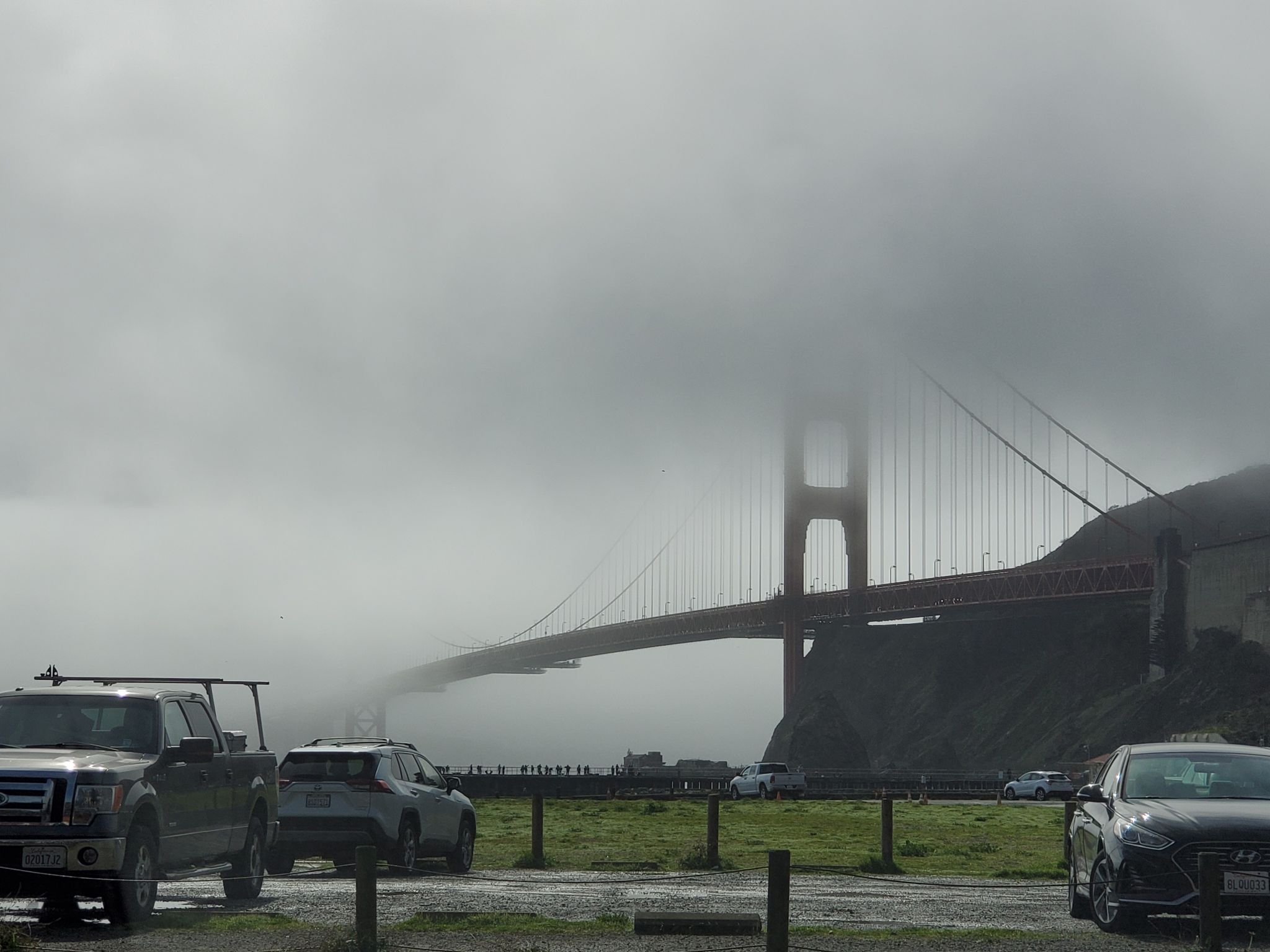
The iconic San Francisco fog is not just a meteorological phenomenon; it’s an integral part of the city’s character. When the fog rolls in, it transforms the city, lending a mysterious and ethereal beauty to landmarks like the Golden Gate Bridge. Instead of lamenting its presence, embrace it as a unique visual spectacle. Some of the most dramatic and memorable photographs of the city are taken when the fog is at its peak. Consider visiting viewpoints like Twin Peaks or the edge of Land’s End during foggy conditions for a truly unforgettable experience.
Planning Activities Around Weather Patterns
With a little foresight, you can plan your daily activities to take advantage of the microclimates. For instance, if you know the western parts of the city are typically foggy and cool in the morning, plan your museum visits or indoor activities there. As the day progresses and the sun potentially breaks through over the eastern side, head towards neighborhoods like North Beach or the Embarcadero for warmer, sunnier exploration. This strategic approach will allow you to experience the best of San Francisco regardless of the prevailing weather. Remember that even on cooler days, the sunshine can be intense, so sun protection is advisable.
Staying Informed
Finally, the most direct answer to “What’s the temperature in San Francisco right now?” is to consult a reliable weather app or website. Services like the National Weather Service, AccuWeather, or The Weather Channel provide real-time updates and detailed forecasts for specific neighborhoods within San Francisco. Checking these resources daily, and even multiple times a day, will ensure you are always prepared for whatever temperature and conditions await you. This simple habit can prevent discomfort and allow you to fully immerse yourself in the magic of this extraordinary city.
LifeOutOfTheBox is a participant in the Amazon Services LLC Associates Program, an affiliate advertising program designed to provide a means for sites to earn advertising fees by advertising and linking to Amazon.com. Amazon, the Amazon logo, AmazonSupply, and the AmazonSupply logo are trademarks of Amazon.com, Inc. or its affiliates. As an Amazon Associate we earn affiliate commissions from qualifying purchases.