
As the enchanting capital city of New Mexico, Santa Fe is renowned for its unique adobe architecture, vibrant arts scene, and rich history. However, for any traveler planning a visit, understanding the local climate is paramount to curating the perfect itinerary. The question “What’s the temperature in [Santa Fe], [New Mexico]?” is more than a simple inquiry about the weather; it’s a gateway to understanding the city’s distinct seasonal charm and how to best experience its many offerings.
Santa Fe sits at a high elevation, approximately 7,200 feet above sea level, which significantly influences its weather patterns. This altitude contributes to intense sunshine, clear skies, and dramatic diurnal temperature variations, meaning the difference between daytime highs and nighttime lows can be substantial. Unlike many other destinations, Santa Fe boasts four distinct seasons, each offering a unique perspective on this captivating city.
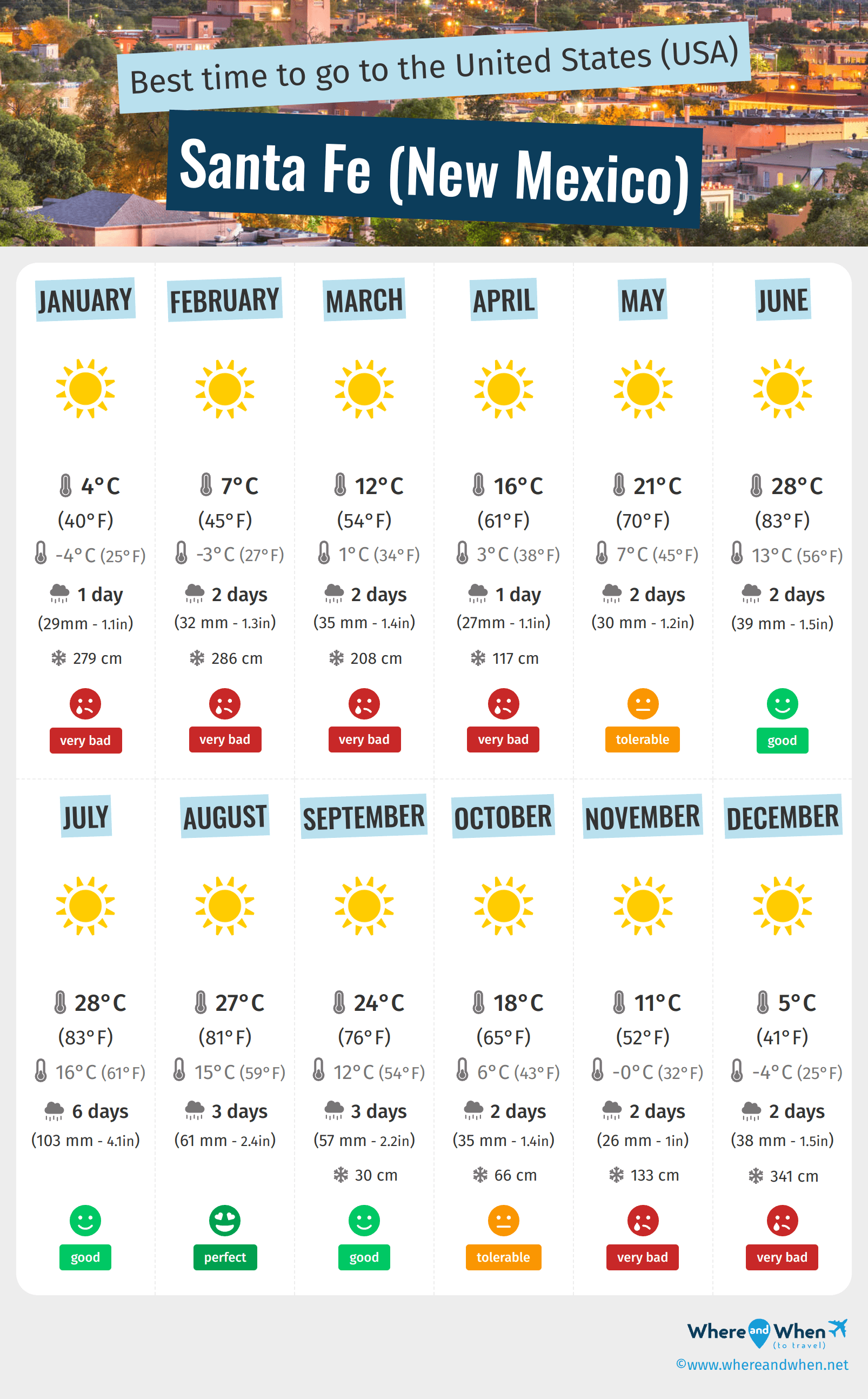
Understanding [Santa Fe]’s Seasonal Climate
The climate of Santa Fe is best understood by examining its typical weather throughout the year. Knowing these patterns allows travelers to pack appropriately, plan outdoor activities, and fully appreciate the city’s seasonal beauty.
Spring: A Gentle Awakening (March – May)
Spring in Santa Fe is a period of transition, marked by a gradual warming trend after the chill of winter. While the early days of March can still bring frost and occasional snow, by April and May, the city begins to burst with life.
- Temperatures: Daytime temperatures in spring typically range from the low 50s to the low 70s Fahrenheit (around 10-22 degrees Celsius). Nights can remain cool, often dipping into the 30s and 40s Fahrenheit (around 0-7 degrees Celsius).
- Precipitation: Spring is generally a drier season, though occasional rain showers can occur, especially in late April and May, bringing a fresh scent to the desert landscape.
- Activities: This is an ideal time for exploring the Plaza, visiting art galleries, and enjoying outdoor dining without the intense summer heat. Hiking in the surrounding Sangre de Cristo Mountains becomes increasingly pleasant.
Summer: Warm Days and Starlit Nights (June – August)
Summers in Santa Fe are warm and sunny, characterized by long days and comfortably cool evenings. While not as oppressively hot as many other desert cities, the sun’s intensity at this altitude is significant.
- Temperatures: Daytime highs frequently reach the 80s Fahrenheit (around 27-32 degrees Celsius), occasionally climbing into the low 90s Fahrenheit (around 32-34 degrees Celsius). Nights offer welcome relief, usually settling in the 50s and 60s Fahrenheit (around 10-18 degrees Celsius).
- Precipitation: The monsoon season typically runs from July through September. These afternoon thunderstorms are often brief but can be intense, bringing dramatic cloudbursts and spectacular lightning displays. This is a crucial time for the region’s arid ecosystem.
- Activities: Summer is prime time for enjoying outdoor events, festivals, and exploring the historic districts. Outdoor markets, concerts, and the popular Santa Fe Opera season are in full swing. Remember to stay hydrated and utilize sun protection.
Autumn: The Golden Season (September – November)
Autumn is widely considered Santa Fe’s most picturesque season. The air becomes crisp, the skies remain a brilliant blue, and the landscape transforms with vibrant autumnal hues.
- Temperatures: September often retains summer warmth, with daytime temperatures in the 70s Fahrenheit (around 21-26 degrees Celsius). As the season progresses into October and November, temperatures cool significantly. Daytime highs may hover in the 50s and 60s Fahrenheit (around 10-18 degrees Celsius), with nights dropping into the 20s and 30s Fahrenheit (around -7 to 4 degrees Celsius), often bringing the first frosts.
- Precipitation: Autumn is generally dry and sunny, offering ideal conditions for exploration.
- Activities: This is the perfect time for hiking, visiting museums, and enjoying the rich cultural tapestry of the city without the summer crowds. The crisp air makes exploring the historic adobe streets particularly delightful.
Winter: Crisp Air and Snowy Peaks (December – February)
Santa Fe winters are characterized by cold temperatures, sunny days, and occasional snowfall. While snow can accumulate in the city, it rarely lingers for extended periods, often melting by midday due to the strong sun. The surrounding mountains, however, typically receive ample snow, making them a draw for winter sports enthusiasts.

- Temperatures: Daytime highs in winter often range from the high 30s to the low 40s Fahrenheit (around 3-7 degrees Celsius). Nights are cold, frequently dropping into the teens and 20s Fahrenheit (around -12 to -1 degrees Celsius), with sub-zero temperatures not uncommon.
- Precipitation: Snowfall is a common occurrence, particularly from December through February.
- Activities: Winter offers a unique charm in Santa Fe. Visitors can enjoy cozy evenings by the fireplace, explore the festive holiday decorations and markets, and venture to nearby ski resorts like Ski Santa Fe for skiing and snowboarding. The stark beauty of the snow-dusted adobe landscape is truly captivating.
Packing for [Santa Fe]’s Climate
Given the significant temperature fluctuations and distinct seasons, packing wisely is essential for a comfortable and enjoyable visit to Santa Fe. Layers are the key to adapting to the ever-changing conditions.
Essential Items for Any Season
Regardless of the time of year, a few items are always recommended for a trip to Santa Fe:
- Sun Protection: The high altitude means the sun’s rays are intense. A wide-brimmed hat, sunglasses, and high SPF sunscreen are crucial year-round.
- Lip Balm: The dry air can be harsh on lips, so a good quality lip balm is a must.
- Comfortable Walking Shoes: You’ll be doing a lot of exploring on foot, so comfortable footwear is non-negotiable.
- Reusable Water Bottle: Staying hydrated is paramount at this elevation. A reusable bottle allows you to refill easily.
Seasonal Packing Considerations
- Spring & Autumn: Pack layers that include long-sleeved shirts, sweaters, a light to medium-weight jacket, and possibly a scarf. Evenings can get chilly.
- Summer: Lightweight, breathable clothing is ideal. Think shorts, t-shirts, and light dresses. Include a light jacket or sweater for cooler evenings and a rain jacket or umbrella for potential afternoon thunderstorms.
- Winter: Warm layers are essential. Pack thermal base layers, fleece or wool sweaters, a heavy, insulated coat, gloves, a warm hat, and a scarf. Waterproof footwear is advisable if snow is expected.
Navigating [Santa Fe]’s Altitude and Weather
The high elevation of Santa Fe can affect visitors, particularly those coming from lower altitudes. Understanding the impact of altitude and the local weather can help you prepare and acclimatize.
Acclimatizing to High Altitude
When you first arrive in Santa Fe, it’s advisable to take it easy.
- Hydration is Key: Drink plenty of water, more than you typically would. Avoid excessive alcohol and caffeine, as they can contribute to dehydration.
- Pace Yourself: Avoid strenuous activity on your first day or two. Allow your body time to adjust to the lower oxygen levels.
- Listen to Your Body: If you experience symptoms like headache, nausea, or dizziness, rest, drink water, and consider over-the-counter pain relievers if needed. Most symptoms are mild and temporary.

Local Weather Phenomena
- “Monsoon Season”: As mentioned, summer afternoons often bring dramatic thunderstorms. While these can be disruptive for short periods, they are also a visually stunning part of the Santa Fe experience.
- Diurnal Temperature Swings: The significant difference between daytime and nighttime temperatures is a hallmark of Santa Fe’s climate. Always be prepared for cooler evenings, even on warm days.
- Sunshine: The intense sunshine year-round can be deceptive. Even on cooler days, the sun can feel warm, so sun protection is always a good idea.
By understanding Santa Fe, [New Mexico]’s unique temperature profiles and seasonal variations, travelers can better plan their visit to this extraordinary city. Whether you are drawn by its cultural heritage, artistic allure, or the breathtaking natural beauty of the high desert, a well-prepared journey ensures you can fully immerse yourself in the magic of Santa Fe no matter the thermometer’s reading.
LifeOutOfTheBox is a participant in the Amazon Services LLC Associates Program, an affiliate advertising program designed to provide a means for sites to earn advertising fees by advertising and linking to Amazon.com. Amazon, the Amazon logo, AmazonSupply, and the AmazonSupply logo are trademarks of Amazon.com, Inc. or its affiliates. As an Amazon Associate we earn affiliate commissions from qualifying purchases.