
Seattle, Washington, a city renowned for its evergreen landscapes, vibrant arts scene, and groundbreaking tech industry, beckons travelers with a unique blend of urban sophistication and natural beauty. Nestled on the Puget Sound, this Pacific Northwest gem offers a diverse range of experiences, from exploring iconic landmarks to indulging in its burgeoning culinary scene. For any visitor, understanding the prevailing weather conditions is paramount to crafting an unforgettable trip. Whether you’re planning a summer expedition to hike in the nearby Olympic National Park, a spring visit to witness the cherry blossoms in bloom, or a winter escape to experience the cozy charm of its coffeehouses, knowing what to expect from the temperature in Seattle, Washington, is key. This guide delves into Seattle’s climate, providing insights to help you pack appropriately and plan your activities, ensuring your journey is as comfortable as it is exciting.

Understanding Seattle’s Climate: A Seasonal Overview
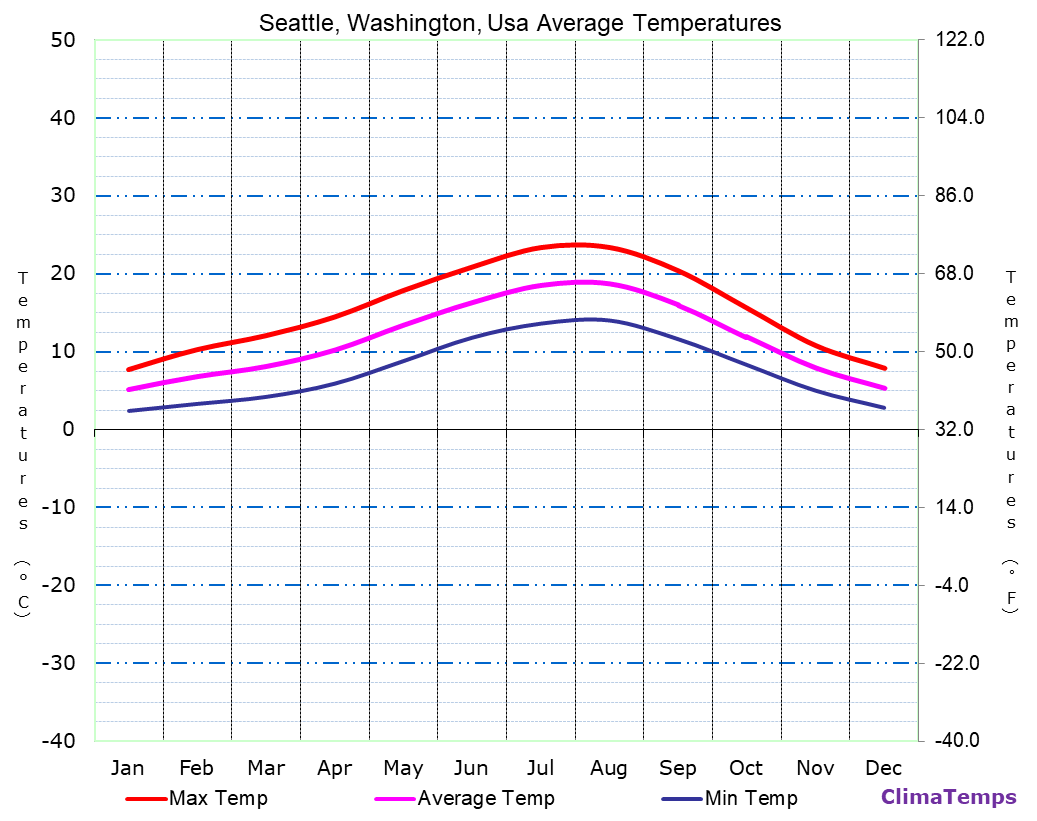
Seattle’s climate is characterized by mild, wet winters and relatively dry, warm summers. This oceanic climate, heavily influenced by the Pacific Ocean, means that extreme temperatures are rare. However, “dry” in Seattle’s summer context doesn’t mean completely devoid of precipitation, merely a significant reduction compared to the rain-soaked months of fall and winter. Understanding these seasonal nuances will significantly enhance your travel planning.
Summer: The Golden Season
From June through September, Seattle experiences its most pleasant weather. The temperatures during these months are generally warm and inviting, making it the peak tourist season.
Daytime Temperatures
Average daytime temperatures in the summer hover around the mid-70s Fahrenheit (approximately 24°C). However, it’s not uncommon for the mercury to climb into the 80s and occasionally even the 90s Fahrenheit (27-35°C) during heatwaves, particularly in July and August. These warmer spells offer fantastic opportunities for outdoor activities, such as exploring Discovery Park, kayaking on Lake Union, or enjoying a ferry ride to Bainbridge Island. The sunshine is abundant, with long daylight hours that allow for extended sightseeing.
Evening and Nighttime Temperatures
Evenings remain comfortable, typically cooling down to the mid-50s Fahrenheit (around 13°C). This is perfect for enjoying an outdoor dinner on a patio or taking a leisurely stroll through neighborhoods like Fremont. While shorts and t-shirts are often the attire of choice during the day, a light jacket or sweater is advisable for cooler evenings.
Summer Precipitation
While summer is Seattle’s dry season, it’s not entirely precipitation-free. You might encounter occasional scattered showers, but these are usually short-lived and followed by sunshine. The humidity is generally low, making the warmth feel more comfortable than in more humid climates.
Fall: A Colorful Transition
September marks the transition into autumn, and Seattle begins to embrace a cooler, wetter pattern. This season offers a beautiful display of changing leaves and a more introspective atmosphere.
September and October
September often retains some of the summer’s warmth, with average daytime temperatures in the low 70s Fahrenheit (around 22°C). As October progresses, temperatures begin to dip into the 50s Fahrenheit (10-15°C). The evenings become noticeably cooler, often requiring a medium-weight jacket.
November and Beyond
By November, Seattle fully embraces its reputation as a rainy city. Daytime temperatures consistently hover in the 40s and low 50s Fahrenheit (4-10°C), and nights can drop into the 30s Fahrenheit (0-4°C). While this might deter some outdoor pursuits, it’s the ideal time to explore Seattle’s numerous indoor attractions, such as the Museum of Pop Culture (MoPOP), the Seattle Art Museum, or the historic Pike Place Market, where you can sample local delicacies and find unique crafts.
Fall Precipitation
Rain becomes a much more frequent visitor in the fall. Expect overcast skies and consistent drizzle, with heavier downpours possible. Investing in a good waterproof jacket and umbrella is essential if you plan to visit during these months.
Winter: Cozy and Crisp
Seattle’s winters are mild compared to many other major cities, characterized by cool temperatures and frequent rain. Snowfall is relatively rare, but when it occurs, it can bring the city to a standstill due to its limited infrastructure for snow removal.
Daytime Temperatures
During the winter months, from December to February, average daytime temperatures typically range from the mid-30s to the low 40s Fahrenheit (2-7°C). It’s generally too cold for light summer clothing, and layering becomes the strategy for staying comfortable.
Evening and Nighttime Temperatures
Nights are consistently cold, often dipping below freezing, especially inland. Temperatures can range from the upper 20s to low 30s Fahrenheit (-2 to 0°C). The possibility of frost and occasional icy patches makes caution advisable when driving or walking.
Winter Precipitation and Activities
Rain is the dominant form of precipitation, often accompanied by gray, overcast skies. However, these cooler months are perfect for enjoying Seattle’s renowned coffee culture, visiting cozy bookstores, or exploring the vibrant nightlife. The holiday season brings festive decorations and events, adding a cheerful ambiance to the city. For those seeking winter sports, the nearby Cascade Mountains offer opportunities for skiing and snowboarding, though travel to these areas can be affected by weather.
Spring: Reawakening and Renewal

Spring in Seattle, from March to May, is a time of gradual warming and increasing sunshine, though it remains a period with a good chance of rain.
March and April
March and April can be quite variable. You might experience days with crisp sunshine and temperatures in the 50s Fahrenheit (10-15°C), followed by days of persistent rain and cooler temperatures in the 40s Fahrenheit (4-9°C). Layering is again key, as you can encounter all types of weather within a single day.
May
By May, the weather typically becomes much more settled and pleasant. Daytime temperatures can reach into the 60s Fahrenheit (15-20°C), and the city bursts into bloom. The famous Japanese cherry blossoms around the University of Washington campus are a breathtaking sight. This is an excellent time for outdoor exploration before the summer crowds fully arrive.
Spring Precipitation
While spring sees a decrease in rainfall compared to winter, it remains a wet season. Expect showers and cloudy days, interspersed with periods of sunshine. The landscape, however, is incredibly vibrant and green due to the ample rainfall.
Packing Essentials for Seattle’s Climate
Given the variability of Seattle’s weather, packing smart is crucial. Regardless of the season, a few key items will ensure you’re prepared for whatever the Emerald City throws your way.
Layering is Key
The most important principle for packing for Seattle is layering. This allows you to adapt to changing temperatures and conditions throughout the day.
- Base Layers: Lightweight, moisture-wicking t-shirts and long-sleeved tops are ideal. Merino wool or synthetic fabrics are excellent choices.
- Mid Layers: Fleece jackets, sweaters, or down vests provide essential warmth without excessive bulk.
- Outer Layer: A waterproof and windproof jacket is non-negotiable, especially if you’re visiting outside of the peak summer months. Look for something with a hood for added protection against the rain. Consider a packable option that can be easily stowed in your daypack.
Footwear for All Occasions
Comfortable and practical footwear is essential for exploring Seattle.
- Waterproof Walking Shoes: A pair of sturdy, waterproof walking shoes or boots will be your best friend. They’ll keep your feet dry and provide good traction on slippery surfaces.
- Casual Shoes: For drier days or indoor activities, comfortable sneakers or casual shoes are suitable.
- Hiking Boots (Optional): If your itinerary includes extensive hiking in the surrounding natural areas like the North Cascades National Park or Mount Rainier National Park, appropriate hiking boots are recommended.
Accessories to Consider
Don’t underestimate the importance of these small but vital items.
- Umbrella: A compact, sturdy umbrella is a lifesaver during Seattle’s frequent drizzles.
- Scarf and Gloves: Especially for fall and winter visits, a warm scarf and gloves will make a significant difference on cooler days.
- Sun Protection: Even on cloudy days, UV rays can penetrate. Sunglasses and sunscreen are advisable, particularly during the summer months.
- Reusable Water Bottle: Stay hydrated and reduce waste by carrying your own water bottle. Many places in Seattle offer refill stations.
Beyond the Temperature: Planning Your Seattle Adventure
While the temperature in Seattle, Washington, is a crucial factor, it’s just one piece of the puzzle for planning a memorable trip. Seattle offers a wealth of attractions and experiences that can be enjoyed in various weather conditions.
Embracing the Outdoors
When the weather cooperates, Seattle’s natural surroundings are a major draw.
- Parks and Green Spaces: Beyond the aforementioned Discovery Park, explore Green Lake Park for a refreshing walk or run, or visit the Washington Park Arboretum for stunning botanical displays.
- Water Activities: The Puget Sound and its numerous lakes offer opportunities for whale watching tours, ferry rides to picturesque islands, and kayaking.
- Day Trips: Consider excursions to nearby natural wonders such as Snoqualmie Falls, the Olympic Peninsula, or the majestic Mount Rainier National Park.
Indoor Delights
Seattle’s vibrant indoor scene ensures that even a rainy day can be filled with discovery.
- Museums and Galleries: From the interactive exhibits at MoPOP to the impressive collections at the Seattle Art Museum, there’s something to spark every interest. Don’t miss the Chihuly Garden and Glass, showcasing the mesmerizing work of glass artist Dale Chihuly.
- Culinary Exploration: Seattle is a foodie paradise. Explore the diverse offerings at Pike Place Market, sample fresh seafood, or discover the city’s thriving craft brewery and coffee scene. Consider a food tour to get the most out of your culinary adventures.
- Cultural Hubs: Catch a show at the Paramount Theatre, visit the historic Smith Tower, or explore the unique shops and cafes in neighborhoods like Ballard or Capitol Hill.
Accommodation Options
Seattle offers a wide range of accommodation to suit every traveler’s needs and budget, from luxury resorts to cozy boutique hotels and convenient apartment rentals. Whether you’re seeking a room with a view of the Space Needle or a quiet retreat in a residential neighborhood, booking in advance, especially during peak season, is highly recommended. Many hotels offer amenities like complimentary breakfast, fitness centers, and on-site dining, further enhancing your stay.
In conclusion, while the temperature in Seattle, Washington, varies significantly throughout the year, the city’s enduring charm and diverse attractions make it a compelling destination regardless of the season. By understanding the climate and packing accordingly, you can ensure a comfortable and enriching experience as you explore all that this captivating Pacific Northwest city has to offer. From its iconic landmarks to its hidden gems, Seattle promises an adventure for every type of traveler.
LifeOutOfTheBox is a participant in the Amazon Services LLC Associates Program, an affiliate advertising program designed to provide a means for sites to earn advertising fees by advertising and linking to Amazon.com. Amazon, the Amazon logo, AmazonSupply, and the AmazonSupply logo are trademarks of Amazon.com, Inc. or its affiliates. As an Amazon Associate we earn affiliate commissions from qualifying purchases.