
Seattle, Washington, a city renowned for its coffee culture, innovative spirit, and stunning natural beauty, often evokes images of perpetual rain and grey skies. While it’s true that precipitation is a frequent visitor, the reality of Seattle’s temperature and climate is far more nuanced and, dare we say, delightful than its stereotype suggests. For any traveler planning a visit, understanding the seasonal shifts in temperature and weather patterns is paramount to packing appropriately, booking the right accommodation, and making the most of the diverse activities this vibrant Pacific Northwest gem has to offer. Whether you’re chasing the sun, seeking a cozy urban escape, or venturing into the region’s breathtaking wilderness, knowing what to expect from the mercury will undoubtedly enhance your Seattle experience.

Understanding Seattle’s Unique Climate
Seattle enjoys a temperate marine climate, primarily influenced by the Pacific Ocean and protected by the Olympic Mountains to the west and the Cascade Range to the east. This geographical positioning results in milder temperatures year-round compared to inland cities at similar latitudes, with relatively warm summers and cool, wet winters. The city rarely experiences extreme highs or lows, making it a comfortable destination almost any time of year, provided you’re prepared for its particular brand of weather.
The Mild, Marine Influence
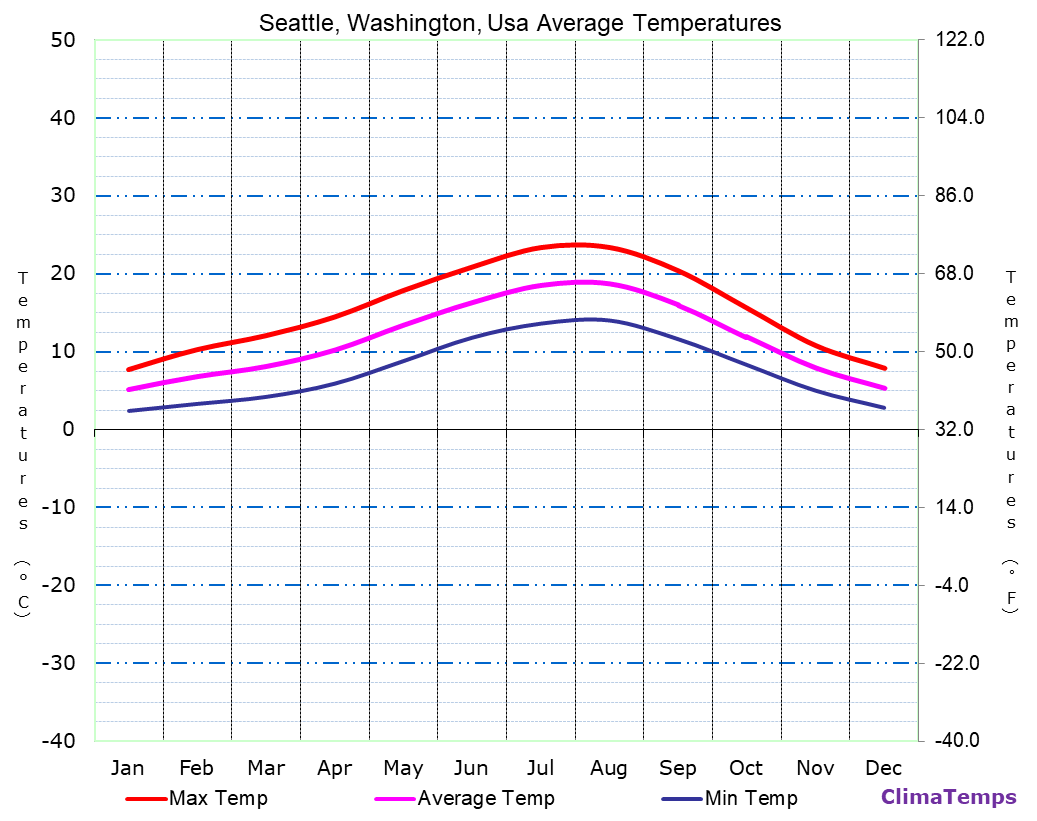
The Pacific Ocean acts as a giant climate moderator for Seattle. Warm currents keep winter temperatures from plummeting too low, typically hovering in the 30s and 40s Fahrenheit (around 0-10°C). Conversely, the cooling effect of the ocean prevents summer from becoming excessively hot, with average highs usually in the 70s Fahrenheit (21-26°C), though occasional heatwaves can push temperatures higher. This consistent marine influence means that severe snowstorms are rare, and scorching, humid days are infrequent, contributing to a generally pleasant environment for travel and exploration.
A Common Misconception: The Rain Factor
Perhaps the most enduring myth about Seattle is the intensity of its rain. While the city does receive a significant amount of precipitation, it’s often characterized by light drizzle or misty conditions rather than torrential downpours. The total annual rainfall is comparable to cities like Boston or New York City, but Seattle experiences a higher number of “rainy days.” This means that you’re more likely to encounter a persistent, light shower than a sudden deluge. The crucial difference is in the timing: the wettest months are typically from October to April, while summer (July and August) is surprisingly dry and sunny, often referred to by locals as “the glorious Seattle summer.”
A Seasonal Guide to Seattle’s Weather and What to Pack
Understanding the distinct characteristics of each season will help you tailor your itinerary and packing list, ensuring a comfortable and memorable journey.
Spring Blooms and Mild Breezes (March-May)
As winter loosens its grip, Seattle awakens with vibrant color. Spring temperatures range from the mid-40s to low 60s Fahrenheit (7-18°C). While still prone to rain, days begin to lengthen, and bursts of sunshine become more frequent. This is an excellent time for those who appreciate fewer crowds and the beauty of blooming cherry blossoms, rhododendrons, and tulips.
- What to Pack: Layers are key! A waterproof jacket or umbrella is essential. Bring comfortable walking shoes, light sweaters, long-sleeved shirts, and perhaps a warmer fleece for cooler evenings.
- Activities: Explore Discovery Park or the Washington Park Arboretum for nature walks, visit the Chihuly Garden and Glass to see art amidst greenery, or enjoy a stroll through Pike Place Market.
Glorious Summer Sunshine (June-August)
This is arguably the most popular time to visit Seattle, and for good reason. Summers are characterized by warm, dry weather, abundant sunshine, and long daylight hours. Average temperatures typically range from the low 60s to high 70s Fahrenheit (16-26°C), with minimal rainfall. Humidity is generally low, making for very comfortable conditions.
- What to Pack: Light clothing like shorts, t-shirts, and sundresses are perfect for daytime. A light jacket or sweater might be useful for cooler evenings or air-conditioned indoor spaces. Don’t forget sunscreen, sunglasses, and a hat for outdoor activities.
- Activities: Enjoy outdoor attractions like kayaking on Lake Union, hiking near Mount Rainier National Park, exploring the San Juan Islands, or simply relaxing at a waterfront park. Festivals, outdoor concerts, and farmers’ markets are abundant.
Autumn Hues and Crisp Air (September-November)
Autumn in Seattle is a beautiful transition, as the landscape transforms with vibrant fall foliage. Temperatures gradually cool from the high 60s in September to the low 40s by November (10-20°C). Rainfall begins to increase, especially in October and November, but there are still plenty of clear, crisp days to enjoy.
- What to Pack: Layers remain essential. A good waterproof jacket, sweaters, long-sleeved shirts, and sturdy, waterproof shoes are advisable. A scarf and hat can add extra warmth as the season progresses.
- Activities: Discover stunning fall colors at the Washington Park Arboretum or Kubota Garden. Cozy up in one of Seattle’s many coffee shops, visit museums like the Museum of Pop Culture (MoPOP), or take a scenic drive through the nearby mountains.
Winter’s Cool Embrace (December-February)
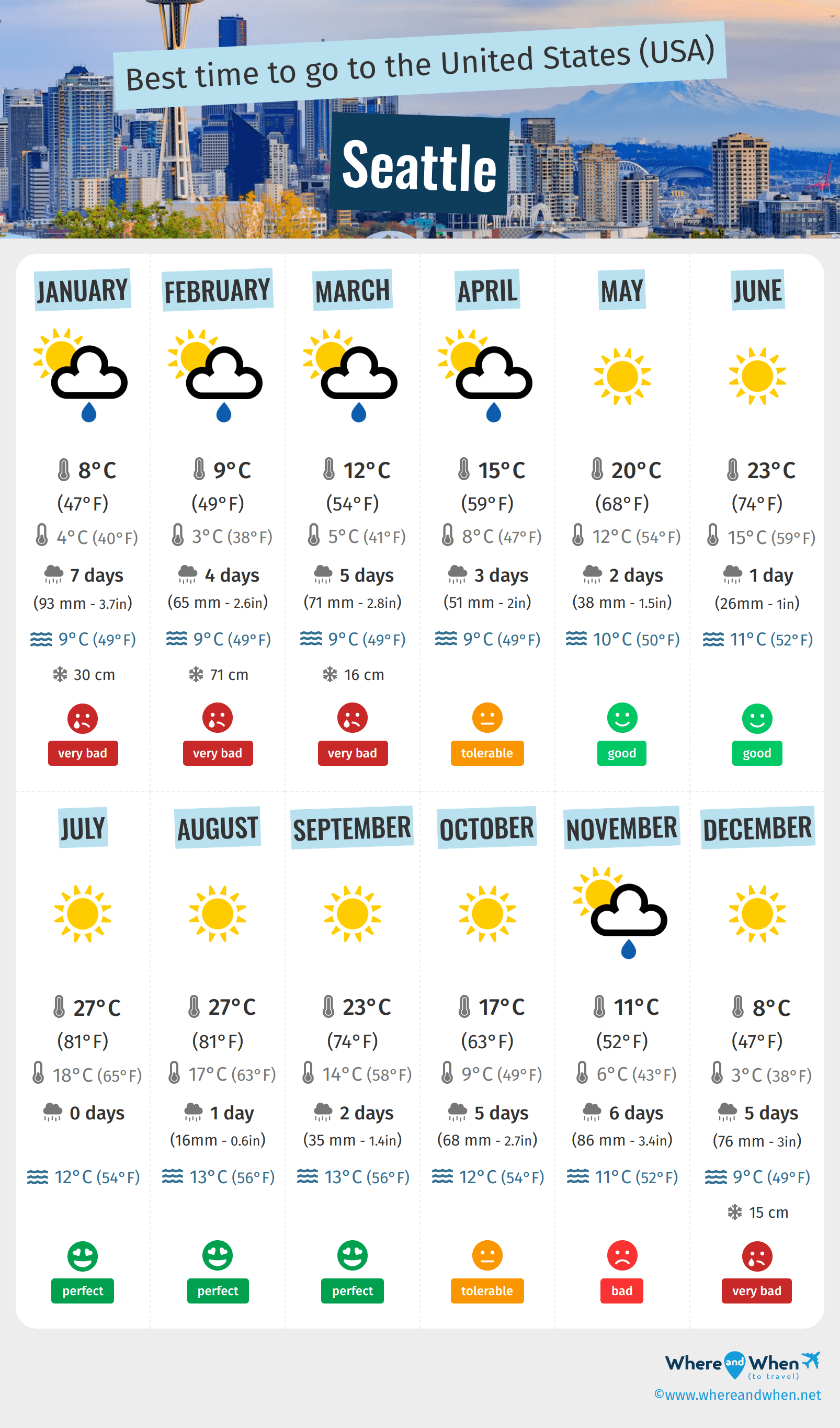
Seattle’s winter is characterized by cool, wet weather, with temperatures typically ranging from the mid-30s to mid-40s Fahrenheit (2-10°C). While rain is common, snow is less frequent, usually limited to a few days a year and rarely accumulating significantly in the city center. It’s a time for cozy indoor experiences and enjoying the festive holiday season.
- What to Pack: Warm, waterproof outerwear is non-negotiable. Think insulated jackets, waterproof boots, hats, gloves, and scarves. Layers of warm clothing, including wool or fleece sweaters, are crucial for staying comfortable.
- Activities: Explore Seattle’s diverse museums, enjoy a performance at a local theater, indulge in the vibrant culinary scene, or take a scenic ferry ride across Puget Sound. For snow lovers, ski resorts like Stevens Pass or Snoqualmie Pass are just a short drive away.
Making the Most of Any Seattle Temperature: Activities and Attractions
Regardless of the temperature outside, Seattle offers a wealth of attractions and experiences that cater to every interest and weather condition.
Iconic Landmarks and Urban Adventures
No visit to Seattle is complete without experiencing its most famous landmarks. The Space Needle, offering panoramic views of the city, Puget Sound, and the surrounding mountains, is an iconic sight, enjoyable year-round. Adjacent to it, Chihuly Garden and Glass dazzles with its exquisite glass art, a perfect indoor escape on a rainy day or a vibrant spectacle under the summer sun.
Pike Place Market is a sensory explosion whatever the weather, bustling with vendors, fishmongers, and artisan crafts. You can spend hours exploring its levels, sampling local delicacies, and soaking in the lively atmosphere. For history buffs and those interested in music and pop culture, the Museum of Pop Culture (MoPOP) provides an immersive experience. On sunny days, consider a ride on the Seattle Great Wheel for stunning waterfront views, or take a leisurely stroll through Kerry Park for that quintessential Seattle skyline photo op, with Mount Rainier often gracing the background.
Culinary Delights and Vibrant Neighborhoods
Seattle’s food scene is as diverse as its climate. From the freshest seafood straight from Puget Sound to innovative farm-to-table restaurants, there’s something for every palate. The city’s famous coffee culture means there’s always a cozy cafe to duck into when the temperature dips, offering warmth and expertly brewed beverages. Explore neighborhoods like Capitol Hill for its trendy eateries and nightlife, Fremont for its quirky charm, or Ballard for its craft breweries and historic locks. Each neighborhood offers a unique local culture and ambiance, perfect for discovery regardless of the season.
Beyond the City: Nature’s Grandeur
Seattle’s proximity to unparalleled natural beauty makes it an ideal base for outdoor adventures. Day trips to Mount Rainier National Park, Olympic National Park, or the enchanting San Juan Islands are accessible, each offering distinct experiences depending on the season. Summer is prime for hiking and camping in the national parks, while whale watching in the San Juan Islands is thrilling from spring through fall. Even in winter, snowshoeing in the mountains or enjoying the dramatic, misty coastlines can be incredibly rewarding.
Curating Your Stay: Accommodation for Every Season
Seattle offers a vast array of accommodation options to suit every budget and lifestyle, from luxurious resorts to charming boutique hotels and convenient long-term stay apartments.
Luxury Retreats and Boutique Gems
For those seeking an indulgent escape, Seattle boasts several high-end hotels that provide impeccable service and amenities. The Fairmont Olympic Hotel, a historic landmark downtown, offers opulent suites and a world-class spa, perfect for a romantic winter getaway or a sophisticated summer stay. The Four Seasons Hotel Seattle, with its prime waterfront location near Pike Place Market, provides stunning views and a heated outdoor infinity pool, a unique amenity regardless of the season. For a boutique experience, consider the Inn at the Market, known for its elegant design and unbeatable location right within Pike Place Market.
Practical Stays and Prime Locations
Mid-range and budget-friendly hotels are plentiful throughout Seattle, offering comfortable bases for exploring the city. Hotel Max in downtown Seattle combines modern art with a vibrant atmosphere, while The Edgewater Hotel offers a unique pier-side experience, allowing guests to sleep over the water of Puget Sound. For long-term stays or those preferring more space, various apartment and villa rentals are available, especially in neighborhoods like South Lake Union or Capitol Hill, offering convenient access to tech hubs, restaurants, and attractions. When booking, consider the amenities that matter most to you, whether it’s proximity to public transport for rainy days, air conditioning for summer heatwaves, or a cozy fireplace for winter evenings.
Planning Your Perfect Seattle Journey
Ultimately, the best time to visit Seattle depends on your personal preferences for weather, crowds, and activities. If abundant sunshine and outdoor adventures are your priority, summer is undeniably ideal. For those who appreciate vibrant fall colors or spring blossoms, and don’t mind a bit of rain, the shoulder seasons offer a beautiful experience with fewer tourists. Winter, while wet and cool, presents a cozy charm, perfect for indoor cultural experiences, holiday markets, and enjoying Seattle’s renowned culinary scene.
Seattle’s temperature is a story of mild variations, adaptable beauty, and a climate that truly encourages exploration in all seasons. Armed with the right information and a versatile wardrobe, your journey to the Emerald City will be comfortable, exciting, and filled with unforgettable moments, no matter what the thermometer says.
LifeOutOfTheBox is a participant in the Amazon Services LLC Associates Program, an affiliate advertising program designed to provide a means for sites to earn advertising fees by advertising and linking to Amazon.com. Amazon, the Amazon logo, AmazonSupply, and the AmazonSupply logo are trademarks of Amazon.com, Inc. or its affiliates. As an Amazon Associate we earn affiliate commissions from qualifying purchases.