
For any traveler planning an adventure, understanding the climate of their chosen destination is paramount. The question “What’s the temperature in Tallahassee, Florida?” is more than just a casual inquiry; it’s the gateway to knowing what to pack, what activities to prioritize, and ultimately, how to best experience the capital city of the Sunshine State. Tallahassee, nestled in the Panhandle region, offers a unique climatic profile that distinctly separates it from the more tropical southern parts of Florida. Here, the seasons are more defined, providing a diverse range of experiences throughout the year. From scorching summers ideal for water-based fun to surprisingly crisp winters perfect for exploring historical sites, the city’s temperature dictates much of its charm and appeal to visitors. This comprehensive guide delves into Tallahassee’s weather patterns, offering insights to help you perfectly plan your visit, no matter the season.
Understanding Tallahassee’s Climate: A Traveler’s Guide
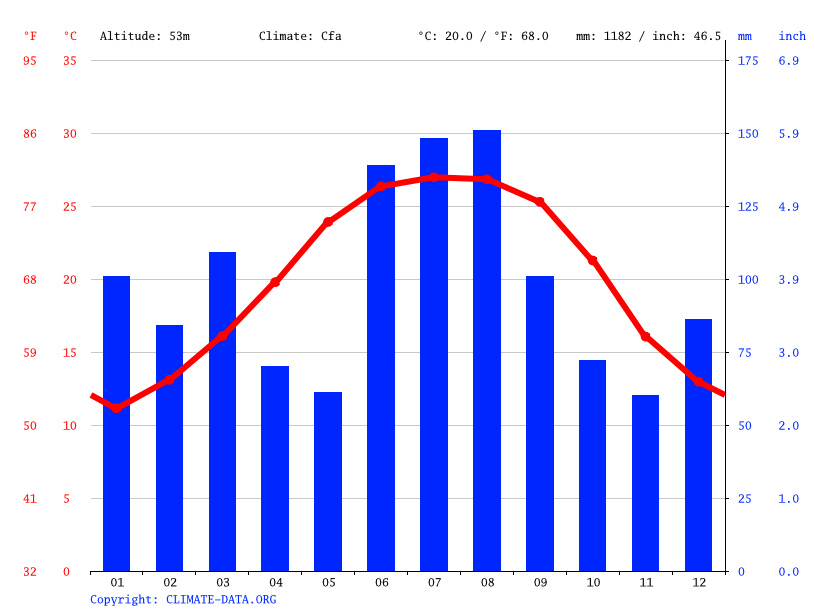
Tallahassee’s climate is officially classified as humid subtropical, a designation that promises warm, often hot, summers and mild to cool winters. Unlike the perpetual summer found in Miami or the Keys, Tallahassee experiences a more pronounced fluctuation in temperatures, offering a broader spectrum of weather conditions for travelers to consider. This climatic characteristic is largely influenced by its northern Florida location, making it susceptible to cold fronts sweeping down from the continental United States during the colder months, while still benefiting from the warm, moist air masses originating from the Gulf of Mexico in the summer.
Subtropical Nuances: Humidity and Seasons
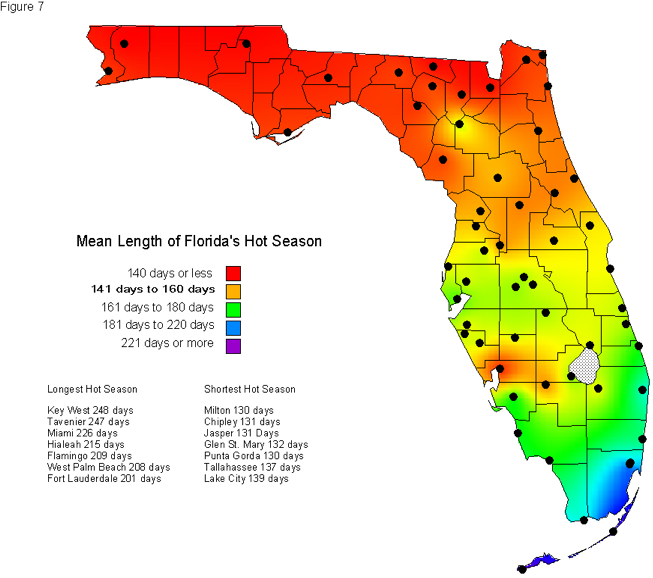
The hallmark of a humid subtropical climate is, as the name suggests, humidity. This is particularly noticeable during the summer months when the air can feel thick and heavy. High humidity levels mean that while the air temperature might be high, the “real feel” or heat index can be even higher, making proper hydration and sun protection critical. The presence of distinct seasons further defines Tallahassee’s climate. Spring is characterized by pleasant warmth and blooming flora, autumn brings a refreshing coolness and even some fall foliage (a rarity in much of Florida), and winter offers a temperate escape from harsher northern climates, albeit with occasional cold snaps. These seasonal shifts open up different opportunities for exploration, from enjoying outdoor festivals in spring to cozying up by a fire in winter. Understanding these nuances is key to appreciating the city’s unique position within the state’s diverse geography and climate.
Average Temperatures Year-Round
To give travelers a concrete idea of what to expect, here’s a breakdown of Tallahassee’s average temperatures throughout the year:
- Spring (March – May): This is arguably one of the most pleasant times to visit. March sees average highs in the low 70s°F (21-23°C) and lows in the upper 40s°F to low 50s°F (9-12°C). By May, temperatures climb, with highs reaching the upper 80s°F (30-32°C) and lows in the mid-60s°F (18-20°C). Humidity is moderate in early spring, increasing as summer approaches.
- Summer (June – August): Prepare for heat and high humidity. Average daily highs consistently hover in the low to mid-90s°F (32-35°C), often feeling much hotter due to the humidity. Nighttime lows typically remain in the low to mid-70s°F (22-24°C). This season also marks the start of the hurricane season and frequent afternoon thunderstorms, which, while intense, often provide a brief cooling relief.
- Autumn (September – November): Much like spring, autumn is a fantastic time to visit. September is still quite warm, with highs in the upper 80s°F (30-32°C), but by October, a noticeable crispness enters the air, with highs in the mid-70s°F (24-26°C) and lows in the mid-50s°F (12-14°C). November brings cooler days, with highs in the mid-60s°F (18-20°C) and lows dipping into the low 40s°F (4-6°C). Humidity significantly decreases, making outdoor activities much more comfortable.
- Winter (December – February): While not frigid, Tallahassee winters are mild to cool. December and January are the coolest months, with average highs in the low to mid-60s°F (15-18°C) and lows in the low to mid-40s°F (4-7°C). Occasional cold fronts can drop temperatures below freezing overnight, and light frost is not uncommon. February sees a slight warming trend, hinting at the approaching spring.
Seasonal Travel in Tallahassee: What to Expect
The variability in Tallahassee’s climate means that the optimal travel experience largely depends on the time of year you choose to visit. Each season brings with it a unique atmosphere and set of recommended activities, allowing travelers to tailor their itinerary to the prevailing weather conditions.
Spring Blooms and Mild Adventures
Spring is a truly magical time in Tallahassee. The mild temperatures and lower humidity create perfect conditions for exploring the city’s abundant natural beauty and outdoor attractions. Gardens burst into bloom, and the air is filled with the scent of jasmine and azaleas. This season is ideal for leisurely strolls through places like Alfred B. Maclay Gardens State Park, renowned for its ornamental gardens, or taking a scenic bike ride along the St. Marks Historic Railroad Trail. Outdoor festivals and events also begin to populate the city’s calendar, drawing locals and visitors alike to celebrate the pleasant weather. Hiking, picnicking, and engaging in light water activities like kayaking on nearby rivers become highly enjoyable without the intense summer heat.
Summer Heat: Embracing the Sunshine State
Summers in Tallahassee are synonymous with heat, humidity, and vibrant thunderstorms. While the intensity might deter some, those who embrace it will find a city alive with unique opportunities. This is the season for splashing around, with numerous springs and freshwater swimming holes within an easy drive, such as Wakulla Springs State Park, offering refreshing escapes. Indoor attractions provide a welcome respite from the midday sun. Museums like the Florida Historic Capitol Museum or the Mission San Luis de Apalachee offer fascinating dives into history and culture in climate-controlled comfort. Evenings often bring cooler (relatively) temperatures, perfect for enjoying outdoor dining on a patio, or attending events under the stars once the sun sets. The vibrant green landscape, nourished by the summer rains, is also a sight to behold.
Autumn’s Gentle Embrace: Ideal Exploration
Fall, particularly from late September through November, rivals spring as the best time to visit Tallahassee. The oppressive summer humidity lifts, and temperatures become wonderfully comfortable, ranging from warm days to cool, crisp evenings. This season is perfect for exploring the city’s many outdoor historical sites and parks. The changing leaves, while not as dramatic as in New England, still provide a picturesque backdrop for activities at Lake Jackson Mounds Archaeological State Park or leisurely walks through the campuses of Florida State University and Florida A&M University. Football season brings an electric energy to the city, especially on game days. It’s also an excellent time for birdwatching at the St. Marks National Wildlife Refuge as migratory birds begin their journey south.
Winter Chill: A Northern Florida Experience
Winter in Tallahassee is a pleasant escape for those accustomed to colder climes. While it can get chilly, especially overnight, daytime temperatures are generally mild, making it an ideal season for those who prefer cooler weather for sightseeing. You can comfortably explore downtown Tallahassee’s architectural marvels, visit art galleries in the Railroad Square Art District, or enjoy a peaceful stroll through Cascades Park without breaking a sweat. Opportunities for indoor activities abound, including visiting the numerous museums, enjoying the local culinary scene, or catching a performance. The occasional cold front adds a refreshing bite to the air, reminiscent of a true winter without the snow. It’s an excellent time for those seeking a tranquil and less crowded travel experience, particularly before the spring break rush.
Preparing for Your Tallahassee Trip: Packing Essentials
Knowing the temperature trends is only half the battle; translating that knowledge into practical packing decisions is crucial for a comfortable and enjoyable trip. Tallahassee’s varied climate means your packing list will fluctuate significantly depending on the season.
Wardrobe for Warm Weather
If you’re visiting during the late spring, summer, or early fall, light, breathable clothing is a must. Think cotton, linen, and moisture-wicking fabrics. Shorts, t-shirts, sundresses, and light skirts will be your best friends. A wide-brimmed hat and sunglasses are essential for sun protection. Don’t forget a swimsuit for those refreshing dips in springs or hotel pools. Evenings might bring a slight drop in temperature, but usually, a light long-sleeved shirt or a thin jacket is more than sufficient. Given the possibility of sudden afternoon thunderstorms, a compact umbrella or a light rain jacket could also prove invaluable.
Gear for Cooler Seasons
For trips planned in late fall, winter, or early spring, layering is key. While days can be pleasant, mornings and evenings can be quite cool, even chilly. Pack long-sleeved shirts, sweaters, light jackets, and perhaps a medium-weight coat, especially for December and January. Trousers or jeans will be more comfortable than shorts. Closed-toe shoes are recommended, and if you plan to be out early or late, a scarf or light gloves might be appreciated on the coolest days. The humidity is much lower during these months, making the air feel crisp rather than heavy.
Hydration and Sun Protection
Regardless of the season, two items are universally important for any Tallahassee trip: a reusable water bottle and high-SPF sunscreen. Even on cooler days, walking around can lead to dehydration, and the Florida sun is strong year-round. Staying hydrated is critical, especially when engaging in outdoor activities. Applying sunscreen regularly will protect your skin from harmful UV rays, preventing sunburn and ensuring you can continue enjoying your adventures without discomfort. Insect repellent is also a wise addition, particularly if you plan to explore natural areas, as mosquitoes and other biting insects can be present, especially during warmer, humid periods.
Top Tallahassee Attractions and Activities by Season
Tallahassee’s array of attractions offers something for every interest, and understanding the temperature helps in selecting the perfect activities for your visit.
Outdoor Escapes for Spring and Fall
The temperate weather of spring and fall makes these seasons prime time for outdoor exploration.
- Alfred B. Maclay Gardens State Park: Famous for its intricately designed ornamental gardens, particularly stunning when azaleas and camellias bloom in spring.
- St. Marks National Wildlife Refuge: Ideal for birdwatching, hiking, and enjoying scenic drives, especially during the migratory seasons of fall and spring.
- Cascades Park: A downtown oasis with walking trails, an amphitheater, and a splash pad (though the splash pad is more popular in warmer months), perfect for a leisurely stroll or picnic.
- Tallahassee-St. Marks Historic Railroad State Trail: A paved 16-mile trail perfect for biking, jogging, or walking through scenic natural areas.
Indoor Comforts During Summer and Winter
When the weather is at its most extreme—hot in summer or chilly in winter—Tallahassee’s indoor attractions provide a welcome refuge.
- Florida Historic Capitol Museum: Delve into the state’s political history within the beautifully restored Old Capitol building.
- Mission San Luis de Apalachee: A living history museum that recreates a 17th-century Spanish mission and Apalachee village, offering fascinating insights into colonial Florida.
- Tallahassee Museum: More than just a museum, it features historic buildings, a natural habitat zoo, and ziplining, with plenty of indoor exhibits for hotter or colder days.
- Railroad Square Art District: Explore a vibrant collection of art galleries, studios, and unique shops. Many are indoors, allowing for a comfortable browse regardless of the temperature.
Water Activities and Nature Trails
Year-round, Tallahassee offers access to incredible natural landscapes.
- Edward Ball Wakulla Springs State Park: Home to one of the world’s largest and deepest freshwater springs. Glass-bottom boat tours (weather permitting) and swimming are popular, especially in summer.
- Lafayette Heritage Trail Park: Offers extensive trails for hiking and biking, with stunning views of the Lake Lafayette system.
- Apalachicola National Forest: Just a short drive away, this vast forest offers opportunities for hiking, camping, and enjoying pristine natural Florida wilderness, best enjoyed in cooler weather.
Beyond the Thermometer: Experiencing Tallahassee’s Charm
While temperature heavily influences how you interact with Tallahassee, the city’s charm extends far beyond just the mercury readings. It’s a city steeped in history, vibrant culture, and a distinct Southern sensibility that warmly welcomes visitors.
Local Events and Festivals
Tallahassee’s calendar is dotted with events throughout the year, many of which are weather-dependent. Spring brings the Springtime Tallahassee Festival, a major celebration with parades and arts. Fall sees a flurry of activities centered around college football, especially with the Florida State Seminoles and Florida A&M Rattlers games creating an electric atmosphere. Winter often features holiday light displays and cultural performances, while summer can include outdoor concerts in the evenings once temperatures cool down. Checking the local events calendar closer to your travel dates will provide a deeper insight into unique experiences that complement the prevailing weather.
Culinary Delights and Dining
Tallahassee’s culinary scene reflects its Southern roots and Florida fresh produce. From upscale dining establishments to casual eateries, there’s a flavor for every palate. The cooler months are perfect for savoring hearty Southern comfort food indoors, perhaps by a cozy fireplace. Warmer weather invites patrons to enjoy al fresco dining, with many restaurants offering outdoor seating where you can enjoy the evening breeze. Seafood is always a popular choice, given Tallahassee’s proximity to the Gulf Coast. Don’t miss trying local specialties like smoked fish dip, fresh oysters, or classic shrimp and grits.
Historical Sites and Cultural Immersion
As the state capital, Tallahassee is rich in history and culture. Exploring the Florida Capitol Complex, including the historic and new capitol buildings, offers insights into state governance. The Knott House Museum provides a glimpse into Victorian-era life and its role in the Emancipation Proclamation reading in Florida. The city’s universities, Florida State University and Florida A&M University, contribute significantly to its cultural tapestry, offering events, lectures, and a youthful vibrancy. Whether you’re an avid historian or simply curious, Tallahassee offers numerous opportunities to connect with its past and present, often best enjoyed in comfortable temperatures that allow for unhurried exploration.
In conclusion, “What’s the temperature in Tallahassee, [Florida]?” is a question with a nuanced answer that profoundly impacts a traveler’s experience. From the blossoming springs and golden autumns to the warm summers and mild winters, each season offers a distinct character and a curated list of activities. By understanding and preparing for Tallahassee’s unique humid subtropical climate, you can ensure your visit is not just comfortable, but truly unforgettable, allowing you to fully immerse yourself in the natural beauty, rich history, and vibrant culture of this remarkable Florida city.
LifeOutOfTheBox is a participant in the Amazon Services LLC Associates Program, an affiliate advertising program designed to provide a means for sites to earn advertising fees by advertising and linking to Amazon.com. Amazon, the Amazon logo, AmazonSupply, and the AmazonSupply logo are trademarks of Amazon.com, Inc. or its affiliates. As an Amazon Associate we earn affiliate commissions from qualifying purchases.