
Florida, the beloved Sunshine State, is renowned for its vibrant cities, stunning beaches, world-class theme parks, and rich cultural tapestry. Millions flock to its shores each year, eager to soak up the sun and experience everything from the magical allure of Orlando to the historic charm of St. Augustine and the breathtaking beauty of the Florida Keys. However, amidst the excitement of planning a perfect getaway, many travelers overlook a crucial detail that can significantly impact their itinerary: Florida’s time zones. Unlike many states that observe a single time zone, Florida is uniquely split between two, a detail that, if not understood, can lead to missed flights, late check-ins, or confusion about attraction operating hours.
Understanding the temporal nuances of Florida is more than just a matter of curiosity; it’s a practical necessity for any well-organized trip. Whether you’re booking accommodations, scheduling excursions, or simply coordinating with friends and family across different regions of the state, knowing which time zone applies where is paramount. This comprehensive guide will illuminate the complexities of Florida‘s time zones, providing essential insights for travelers, from navigating the main distinctions to offering practical advice on how to ensure a seamless and punctual vacation experience.
The Dual Time Zones of the Sunshine State
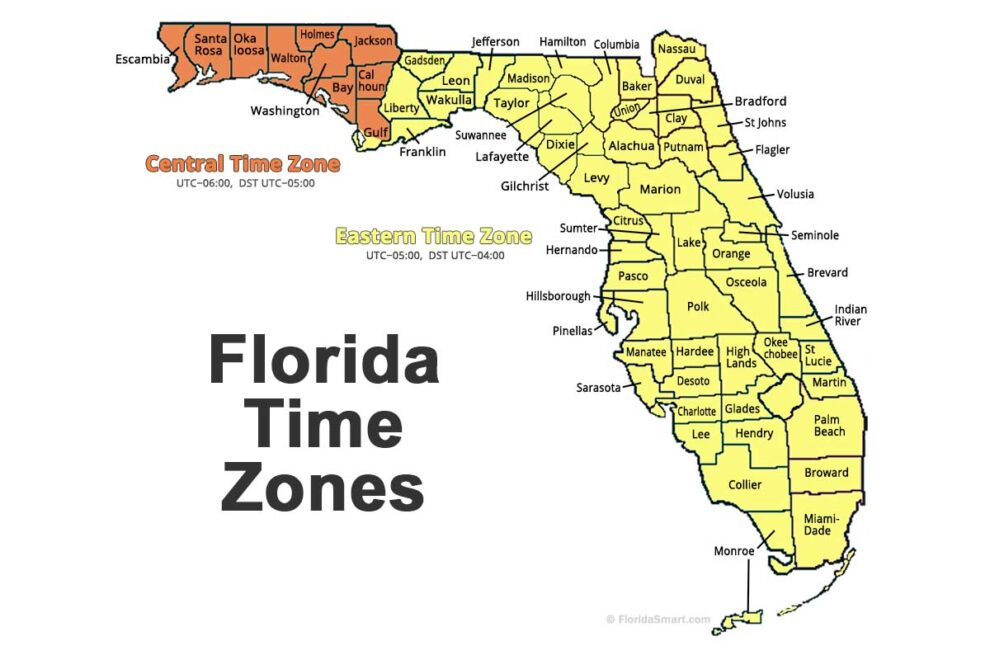
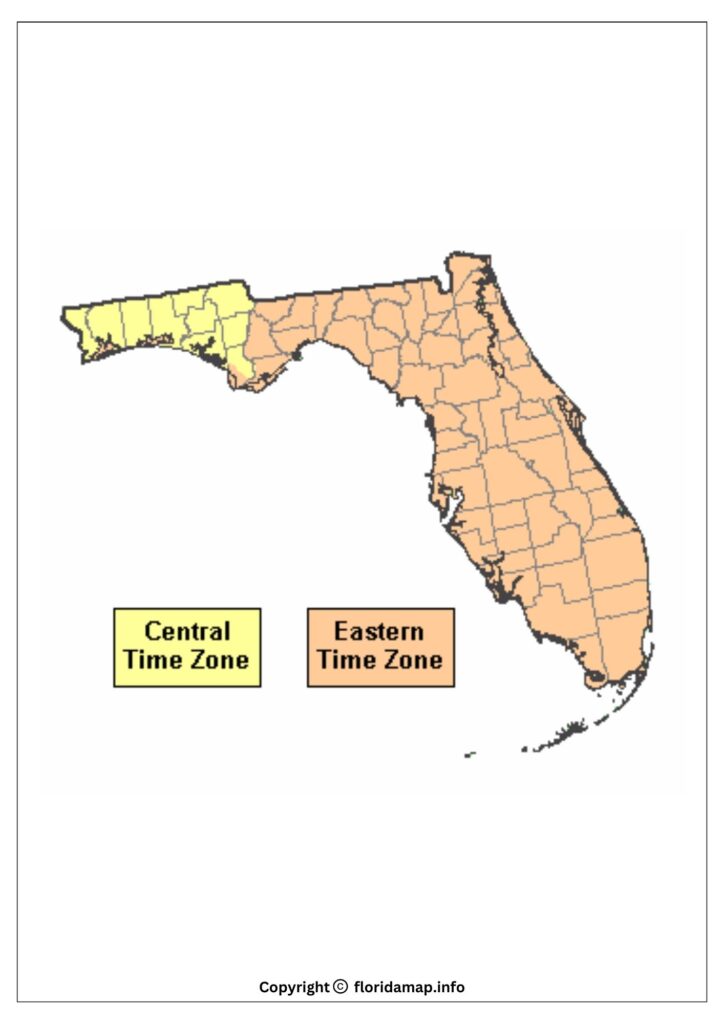
At first glance, one might assume a state like Florida, largely positioned on a north-south axis, would uniformly fall under a single time zone. However, a significant portion of its westernmost reaches, particularly in the panhandle, adheres to a different standard. This split creates two distinct time zones within the state: the Eastern Time Zone and the Central Time Zone.
Eastern Time Zone: The Dominant Standard
The vast majority of Florida, including its most populous areas and iconic tourist destinations, operates under the Eastern Time Zone. This zone observes Eastern Standard Time (EST) during the winter months, which is UTC-5, and switches to Eastern Daylight Time (EDT) during the spring, summer, and fall, which is UTC-4.
This includes major cities like Miami, Orlando, Tampa, Jacksonville, and the entirety of the Florida Keys. If your travel plans focus on these bustling hubs or the south and central parts of the state, you can comfortably set your watch to Eastern Time. This covers everything from the magical kingdoms of Walt Disney World and Universal Studios Florida in Orlando to the vibrant nightlife of Miami Beach and the historic forts of St. Augustine. Most visitors will find themselves operating within this time zone for the duration of their trip, simplifying their planning considerably.
Central Time Zone: A Panhandle Exception
Heading west into the Florida Panhandle, the temporal landscape shifts. A significant portion of this region observes the Central Time Zone, meaning it is one hour behind Eastern Time. This zone operates on Central Standard Time (CST), which is UTC-6, and transitions to Central Daylight Time (CDT), UTC-5, during Daylight Saving Time.
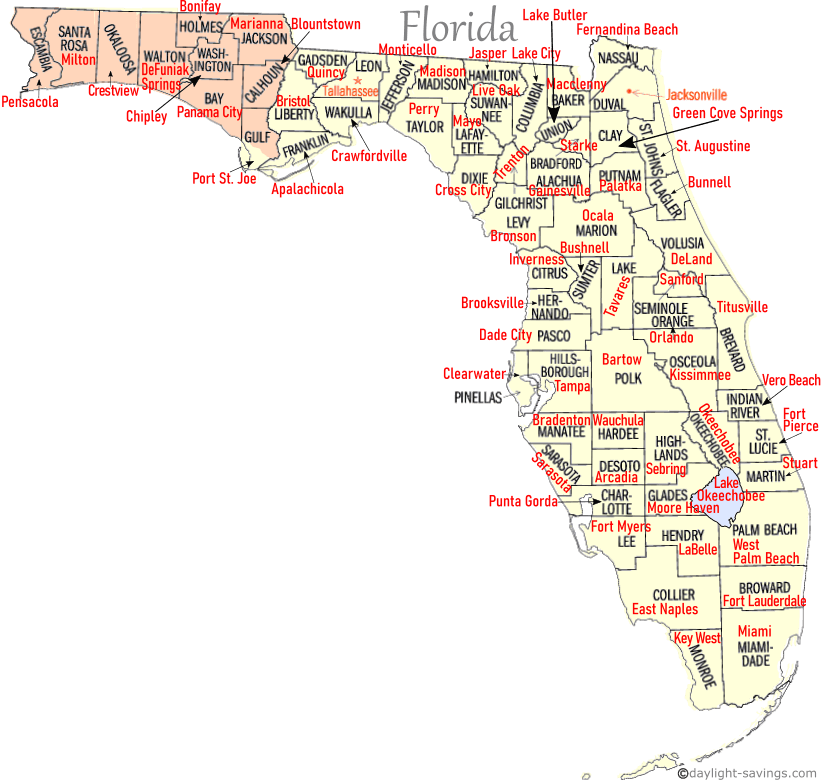
The counties that fall under the Central Time Zone include Escambia County, Santa Rosa County, Okaloosa County, Walton County, and Bay County. Iconic destinations like Pensacola, Destin, and Panama City Beach are all firmly in Central Time.
Adding a layer of complexity, the time zone line in Florida isn’t always a neat county border. Specifically, Gulf County and Franklin County are split. The area of Gulf County west of the Apalachicola River (including the city of Port St. Joe) observes Eastern Time, while the rest of the county operates on Central Time. Similarly, Franklin County is almost entirely in the Eastern Time Zone, but a small westernmost sliver is technically in Central Time. This can be particularly confusing when traversing these specific areas, highlighting the importance of staying vigilant and checking local time.
Why Florida’s Time Zones Matter for Travelers
For visitors planning a trip to Florida, understanding the state’s time zone division is not just a trivial detail but a critical component of successful travel planning and execution. Overlooking this aspect can lead to various logistical hiccups, from missed appointments to altered experiences.
Planning Your Itinerary and Bookings
The most immediate impact of differing time zones is on travel logistics. When booking flights, rental cars, or accommodations, ensure you confirm the local time of arrival and departure. A flight arriving at “3:00 PM” in Pensacola will feel an hour earlier to someone flying from Orlando, which operates on Eastern Time. This can affect connections, shuttle services, and hotel check-in times. A hotel reservation made for 3:00 PM in Destin (CT) will mean arriving at 4:00 PM Eastern Time, which could be a late check-in if you’re not careful.
For those planning a road trip across Florida, especially one that traverses the time zone boundary, a mental adjustment will be necessary. Imagine driving from Tallahassee (ET) to Panama City Beach (CT). Upon crossing the invisible line, you’ll “gain” an hour, which could be a pleasant surprise, but the reverse journey will mean “losing” an hour, potentially making you feel rushed if you have a tight schedule. Always double-check reservation confirmations and schedules to verify the local time specified for each event or booking.
Navigating Local Activities and Events
Beyond travel arrangements, daily activities and planned excursions are also subject to local time. Theme parks, museums, tour operators, and restaurants all operate on their respective local time. If you’re staying in Eastern Time but planning a day trip to a Central Time attraction, be mindful of the one-hour difference. A dolphin cruise advertised for 9:00 AM in Fort Walton Beach (CT) means you need to be there at 9:00 AM local time, not your home Eastern Time. This is particularly important for timed entry tickets, show schedules, and dining reservations, where punctuality is often crucial. Missing a scheduled activity due to time zone confusion can be both disappointing and costly.
Practical Tips for a Seamless Trip
To avoid any time-related pitfalls, here are some practical tips for your Florida adventure:
- Rely on Your Smartphone: Modern smartphones automatically adjust to local time zones using GPS, making them your most reliable tool. Ensure your phone’s automatic time zone setting is enabled.
- Confirm with Locals: If you’re unsure, don’t hesitate to ask hotel staff, tour guides, or locals about the current time.
- Double-Check All Bookings: Before finalizing any reservation or commitment, verify the time zone explicitly stated on your confirmation emails or tickets.
- Use a Dual-Time Watch: For traditionalists, a watch with dual time zone display can be helpful, allowing you to keep track of both your origin time and local time.
- Communicate Clearly: When coordinating with others, especially if they are in a different time zone within Florida or outside the state, specify “ET” or “CT” to avoid ambiguity.
- Plan Buffer Time: Always build in extra buffer time, particularly when traveling across the time zone line, to account for any unexpected delays or confusion.
Iconic Destinations and Their Time Affiliations
To further assist in your planning, let’s categorize some of Florida’s most popular destinations by their respective time zones.
Eastern Time Zone Hotspots
These destinations are where most Florida visitors spend their time, operating on Eastern Standard Time (EST) or Eastern Daylight Time (EDT):
- Orlando: Home to Walt Disney World, Universal Studios Florida, and countless other theme parks, Orlando is firmly in the Eastern Time Zone. All park operating hours, showtimes, and dining reservations will follow ET.
- Miami & Miami Beach: The vibrant South Florida metropolis, known for its stunning beaches, Art Deco architecture, and Latin flair, observes Eastern Time.
- Fort Lauderdale: Often dubbed the “Venice of America” for its extensive canal system, Fort Lauderdale also operates on Eastern Time.
- Tampa & St. Petersburg: Located on Florida’s Gulf Coast, these sister cities with their cultural attractions and beautiful beaches are in the Eastern Time Zone.
- Jacksonville: The largest city by land area in the contiguous United States, situated in Northeast Florida, follows Eastern Time.
- St. Augustine: The nation’s oldest continuously inhabited European-established settlement, with its rich history and charming streets, is in the Eastern Time Zone.
- Key West & The Florida Keys: This unique chain of islands extending into the Atlantic Ocean observes Eastern Time, from Key Largo down to the southernmost point in Key West.
- Kennedy Space Center: The launchpad of American space exploration, located on the Space Coast, also adheres to Eastern Time.
Central Time Zone Gems
These beautiful destinations, primarily located along the Florida Panhandle, operate on Central Standard Time (CST) or Central Daylight Time (CDT):
- Pensacola & Pensacola Beach: Known for its historic downtown, vibrant arts scene, and stunning white-sand beaches, Pensacola is in the Central Time Zone.
- Destin: Often called the “World’s Luckiest Fishing Village,” Destin is a popular spot for fishing, water sports, and beautiful emerald waters, all operating on Central Time.
- Panama City Beach: A spring break mecca and family vacation hotspot with miles of sandy beaches and attractions, Panama City Beach observes Central Time.
- Fort Walton Beach: Situated between Destin and Pensacola, this area offers beautiful beaches and family-friendly attractions, operating in the Central Time Zone.
Understanding Daylight Saving Time in Florida
Adding another layer to the time zone discussion is the observance of Daylight Saving Time (DST). Both the Eastern Time Zone and the Central Time Zone in Florida participate in this annual practice.
The Annual Shift and Its Implications
Traditionally, on the second Sunday in March, clocks “spring forward” by one hour, initiating Daylight Saving Time. This means Eastern Standard Time (EST) becomes Eastern Daylight Time (EDT), and Central Standard Time (CST) becomes Central Daylight Time (CDT). The shift “back” occurs on the first Sunday in November when clocks “fall back” by one hour.
For travelers, this means being extra mindful if your trip spans these transition weekends. A flight scheduled for 7:00 AM on the day Daylight Saving Time begins might effectively feel like 8:00 AM if you forget to adjust your internal clock. Most digital devices will update automatically, but analog clocks or personal schedules might require manual adjustment. The shift can briefly disrupt sleep patterns and travel rhythms, particularly for families with young children whose routines are sensitive to time changes.
Potential Future Changes
Florida has been at the forefront of the debate to make Daylight Saving Time permanent. In 2018, the state legislature passed the “Sunshine Protection Act,” which would permanently keep Florida on Daylight Saving Time year-round, effectively eliminating the bi-annual clock change. This act, however, requires federal approval from the U.S. Congress to take effect, as federal law currently mandates the observance of Standard Time for the majority of the year unless a state is granted an exception.
If this act were to be fully implemented, it would mean that Florida’s Eastern Time Zone would permanently be UTC-4, and its Central Time Zone would permanently be UTC-5. This would eliminate the confusion associated with the spring forward and fall back, offering greater consistency for residents and visitors alike. While the act has passed the state level, its federal status remains pending, meaning for now, Florida continues to observe the traditional Daylight Saving Time changes. Staying informed about these potential legislative changes is wise for frequent visitors or those planning long-term stays.
In conclusion, while the dual time zones of Florida might seem like a minor detail, they are an essential consideration for ensuring a smooth and enjoyable travel experience. By understanding where the Eastern Time Zone ends and the Central Time Zone begins, being diligent with bookings, and utilizing modern technology, you can navigate the temporal landscape of the Sunshine State with ease. A little preparation goes a long way in maximizing your precious vacation time and avoiding any unnecessary stress, allowing you to focus on creating unforgettable memories in this diverse and captivating state.
LifeOutOfTheBox is a participant in the Amazon Services LLC Associates Program, an affiliate advertising program designed to provide a means for sites to earn advertising fees by advertising and linking to Amazon.com. Amazon, the Amazon logo, AmazonSupply, and the AmazonSupply logo are trademarks of Amazon.com, Inc. or its affiliates. As an Amazon Associate we earn affiliate commissions from qualifying purchases.