
Planning a trip often involves meticulous research: where to stay, what to see, and crucially, what to pack. For those setting their sights on the picturesque city of Colorado Springs, understanding the local weather patterns isn’t just a suggestion; it’s an imperative for an enjoyable and well-prepared travel experience. Nestled at the foot of the majestic Pikes Peak and part of the vibrant Front Range of the Rocky Mountains, Colorado Springs boasts a climate as dynamic and varied as its landscape. Visitors can expect everything from sunny, mild days to sudden snowfalls, often within the same week, especially during the transitional seasons. This guide delves deep into the meteorological nuances of this stunning destination, offering insights into its unique climate, seasonal breakdowns, and practical advice to ensure your visit is comfortable and memorable, regardless of what the skies decide to do. From the sun-drenched summers perfect for hiking to the crisp, snowy winters ideal for cozy retreats, navigating the weather in Colorado Springs is key to unlocking the full potential of your adventure in this enchanting part of Colorado.
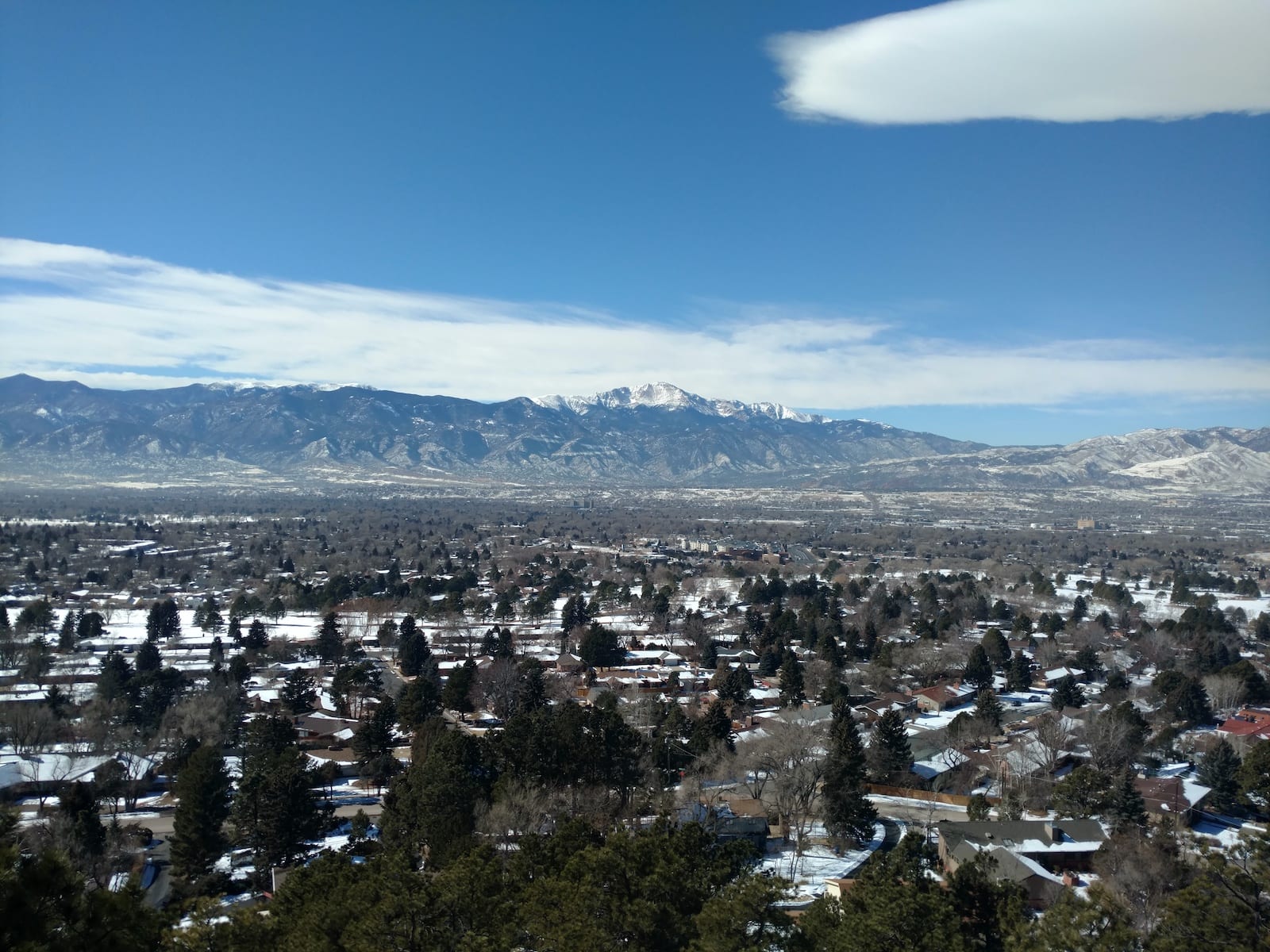
The Unique Climatic Tapestry of Colorado Springs
Colorado Springs is renowned for its distinct and often surprising weather, a direct consequence of its geographic position and elevation. Standing at an impressive 6,035 feet (1,839 meters) above sea level, the city experiences a semi-arid climate characterized by abundant sunshine, relatively low humidity, and significant temperature fluctuations. This high-altitude setting plays a crucial role in shaping daily weather patterns, making it imperative for travelers to be well-informed and adaptable.
High Altitude and Semi-Arid Conditions
The elevation of Colorado Springs means that the air is thinner, which intensifies the sun’s rays, even on cooler days. This translates to a higher risk of sunburn and faster dehydration if visitors aren’t mindful. The semi-arid designation points to the city receiving less precipitation than more humid regions, though when it does rain or snow, it can often be quite intense. This dryness contributes to wide diurnal temperature ranges, meaning mornings and evenings can be significantly cooler than midday, even in summer. Such conditions also mean that cloud cover offers less insulation, allowing temperatures to drop more sharply once the sun sets. Travelers should always be prepared for these rapid changes, understanding that a comfortable afternoon can quickly transition into a chilly evening. The unique interplay of sun, altitude, and dry air shapes not only the natural landscape but also the daily experience of everyone in the region.
Four Distinct Seasons: A Year-Round Guide
Unlike many destinations with more subtle transitions, Colorado Springs embraces four clearly defined seasons, each offering its own set of weather characteristics and opportunities for exploration.
- Spring (March-May): This is perhaps the most unpredictable season. While temperatures generally begin to warm, ranging from the 40s to 60s Fahrenheit (4-18°C), snow is still a common occurrence, sometimes even into May. Spring snows can be heavy but typically melt quickly, giving way to sunny skies. This period sees the landscape gradually awaken, with early wildflowers blooming in the lower elevations.
- Summer (June-August): Summers are generally warm and sunny, with average daytime temperatures hovering in the high 70s to low 80s Fahrenheit (25-29°C), though occasional spikes into the 90s are possible. Evenings cool down comfortably into the 50s and 60s (10-18°C). Afternoon thunderstorms are a frequent occurrence, often bringing brief, intense downpours and dramatic lightning displays, usually clearing up by sunset. Humidity remains low, making the warmth quite tolerable.
- Fall (September-November): Many consider fall the most delightful season. Days are crisp, clear, and sunny, with temperatures ranging from the 50s to 70s Fahrenheit (10-24°C). The humidity is low, and the cooler nights, dropping into the 30s and 40s (0-9°C), create stunning displays of golden aspen foliage in the surrounding mountains, typically peaking in late September to early October. Snowfall becomes more likely towards late October and November.
- Winter (December-February): Winters are cold and snowy, but punctuated by frequent sunny days. Daytime temperatures average in the 30s and 40s Fahrenheit (0-9°C), with nights often dipping below freezing. While snowstorms can be significant, the sun often makes an appearance shortly after, leading to rapid melting on roads and south-facing slopes. The dry air means snow tends to be light and powdery, ideal for winter sports in nearby mountain resorts.
Understanding these seasonal variations is fundamental for any traveler planning their visit, allowing them to align their expectations and activities with the typical weather patterns of each period.
Seasonal Weather Breakdown for Travelers
A detailed understanding of each season is vital for travelers to Colorado Springs, enabling them to pack appropriately and plan activities that complement the prevailing weather. While the general trends hold true, the adage “if you don’t like the weather, wait five minutes” often applies here, especially during the transitional months.
Spring (March-May): A Season of Surprises
Spring in Colorado Springs is a fascinating period marked by dramatic shifts. March can still feel very much like winter, with significant snowfalls possible. As April progresses, temperatures begin a more consistent upward climb, yet surprise snow showers are not uncommon, even when daytime highs reach into the 60s Fahrenheit (15-18°C). By May, the weather generally stabilizes, offering more consistently mild and sunny days, ideal for exploring the natural beauty as it awakens. The average high in March is around 48°F (9°C), climbing to 68°F (20°C) in May. Lows range from the low 20s to low 40s (-6 to 4°C). The landscape transforms from snow-dusted to vibrant green, with wildflowers beginning to emerge, particularly in protected areas like Garden of the Gods. For travelers, spring necessitates versatile packing: layers are crucial, including waterproof outer shells, warm sweaters, and lighter shirts. Activities like hiking in Palmer Park or exploring the unique rock formations of Garden of the Gods are popular, but always check local conditions for trail closures, especially after a late-season snow. Visiting Pikes Peak via the scenic highway or the Pikes Peak Cog Railway is possible, but be prepared for significantly colder temperatures and potential snow at the summit, regardless of the weather in the city below.
Summer (June-August): Sunny Skies and Afternoon Storms
Summer is peak tourist season in Colorado Springs, and for good reason. The weather is generally delightful, characterized by abundant sunshine and comfortably warm temperatures. Average daytime highs range from the upper 70s to low 80s Fahrenheit (25-29°C), with nights cooling down to the pleasant 50s and 60s (10-18°C). The low humidity makes even the warmer days feel less oppressive. The defining feature of a Colorado Springs summer is the almost daily occurrence of afternoon thunderstorms. These usually roll in during the late afternoon, bringing brief but intense rain, lightning, and sometimes hail. They typically dissipate within an hour or two, leaving behind refreshed air and often a stunning sunset. Travelers should plan outdoor activities for the mornings and early afternoons, reserving late afternoons for indoor pursuits or being prepared to take shelter. This is the ideal time for exploring Seven Falls, tackling the challenging Manitou Incline, or enjoying a scenic drive up Pikes Peak. Hydration is key, as is sun protection. Light layers for cooler evenings are also advisable.
Fall (September-November): Golden Hues and Crisp Air
Fall in Colorado Springs is a favorite among locals and offers some of the most stunning photographic opportunities. September brings a continuation of summer’s warmth, but with a noticeable crispness in the air, especially in the mornings and evenings. Average highs range from the upper 60s to low 70s Fahrenheit (19-23°C) in September, gradually dropping to the 40s and 50s (4-15°C) by November. Nights become significantly cooler, often dipping into the 30s and even 20s (0 to -6°C) as the season progresses. The highlight of fall is undoubtedly the vibrant display of aspen foliage in the surrounding mountains, which typically peaks in late September or early October. Scenic drives along the Gold Camp Road or through nearby canyons become breathtaking. While the weather is generally clear and sunny, the likelihood of early-season snow increases dramatically in October and November. These snowfalls are often transient, quickly melting on sunny days. Packing layers that can accommodate both warm afternoons and chilly evenings, along with a good waterproof jacket, is essential. Activities like visiting the Cheyenne Mountain Zoo or exploring downtown Colorado Springs and Manitou Springs are perfect during this season, enjoying the comfortable temperatures and fewer crowds compared to summer.
Winter (December-February): Snowy Scenery and Sunny Breaks
Winter in Colorado Springs offers a unique charm, transforming the landscape into a snowy wonderland. While average daytime temperatures typically hover in the 30s and 40s Fahrenheit (0-9°C), with nights well below freezing, the city experiences an impressive number of sunny days. This means that while snowstorms can be significant, bringing several inches or even feet of snow, the sun often emerges quickly afterward, leading to rapid melting on roads and sidewalks. The dry air typical of Colorado also means the cold often feels less biting than in more humid climates. Travelers should be prepared for cold weather with warm, waterproof layers, hats, gloves, and sturdy, waterproof boots. Activities during winter include enjoying the festive lights and atmosphere at The Broadmoor Hotel, ice skating, or venturing to nearby ski resorts for snow sports. For those planning to drive, it’s crucial to check road conditions, especially if venturing into higher elevations or mountain passes, as closures can occur during and immediately after heavy snowfall. Despite the cold, the abundant sunshine makes winter an inviting time for those who appreciate snowy vistas and crisp, clean air.
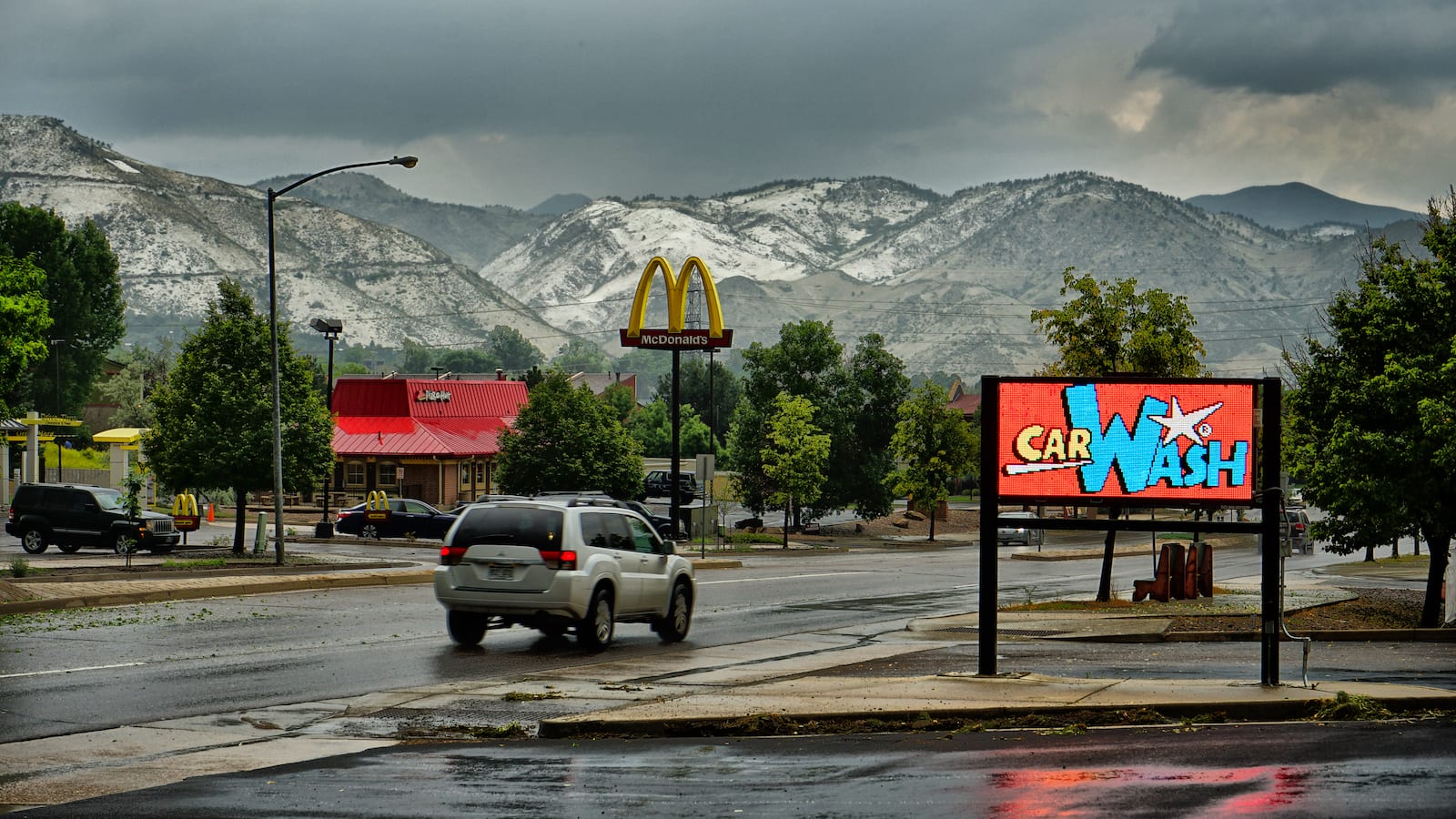
Preparing for Colorado Springs’ Variable Weather
The hallmark of Colorado Springs weather is its variability. A single day can present conditions that feel like multiple seasons, making preparation a critical component of any successful trip. Understanding how to pack, acclimatize, and stay informed will ensure a more comfortable and enjoyable visit.
Packing Essentials: Layers, Sun Protection, and Hydration
Given the dramatic temperature swings and intense sun, packing strategy is paramount. The golden rule for Colorado Springs is layers. This allows you to easily adjust your clothing to match the rapidly changing conditions throughout the day. Start with a moisture-wicking base layer, add insulating layers like fleece or wool, and top it with a waterproof and windproof outer shell. Even in summer, a light jacket or sweater is essential for cool mornings, evenings, or sudden afternoon thunderstorms.
Sun protection is non-negotiable year-round. The high altitude significantly increases UV radiation exposure. Bring high SPF sunscreen, a wide-brimmed hat, and sunglasses, regardless of the season. Snow reflects sunlight, doubling your exposure in winter.
Hydration is equally critical. The dry, high-altitude air can lead to quicker dehydration than you might expect. Carry a reusable water bottle and drink plenty of water throughout the day, even if you don’t feel thirsty. This is especially important if you plan on strenuous outdoor activities. Additionally, comfortable, sturdy walking shoes or hiking boots are a must, as many attractions involve walking on uneven terrain. For winter, waterproof boots with good traction are advisable.
Altitude Sickness and Weather’s Role
While not directly weather-related, altitude sickness is a common concern for visitors to Colorado Springs, and the dry air conditions can sometimes exacerbate its effects. Symptoms can include headaches, nausea, dizziness, and shortness of breath. To mitigate this:
- Acclimatize gradually: Take it easy for the first 24-48 hours. Avoid strenuous activity upon arrival.
- Stay hydrated: As mentioned, water is your best friend. Avoid excessive alcohol and caffeine, which can contribute to dehydration.
- Listen to your body: If you experience symptoms, rest, hydrate, and consider descending to a lower elevation if they worsen.
Being prepared for the physical effects of altitude is just as important as being prepared for the weather itself, ensuring your body can cope with the dry, thin air while enjoying the beautiful surroundings.
Staying Informed: Checking Local Forecasts
The dynamic nature of Colorado Springs weather means that checking the local forecast regularly is more than a good idea—it’s essential. Rely on reputable local weather sources for the most accurate and up-to-date information. Many local news stations and weather apps provide specific forecasts for the Colorado Springs area, including details on afternoon storm chances, wind advisories, and mountain weather (which can differ significantly from city conditions). Before heading out for a day of exploration, especially if venturing into the mountains or planning outdoor activities like hiking, always check the forecast. This vigilance will allow you to make real-time adjustments to your plans and ensure you’re dressed appropriately for whatever the day brings. Local forecasts often include specific advisories for fire danger in dry periods or flash flood warnings during intense summer thunderstorms, adding another layer of safety for outdoor enthusiasts.
Best Times to Visit Based on Weather and Activities
Choosing the “best” time to visit Colorado Springs largely depends on your personal preferences and the types of activities you envision for your trip. Each season offers a distinct charm and a different array of experiences, perfectly aligned with its unique weather patterns.
For Outdoor Adventures: Summer and Early Fall
If your primary goal is to immerse yourself in the abundant outdoor adventures that Colorado Springs offers, then summer (June-August) and early fall (September-early October) are undeniably the prime times. The warm, sunny days of summer are ideal for hiking the myriad trails in Garden of the Gods, tackling the challenging Manitou Incline, or exploring the majestic Pikes Peak. Activities like white-water rafting on nearby rivers, rock climbing, or visiting attractions like Seven Falls are in full swing. While afternoon thunderstorms are common, they are usually short-lived and add to the dramatic beauty of the landscape. Early fall continues this trend with milder temperatures, fewer crowds, and the spectacular bonus of changing aspen leaves, making scenic drives and photography particularly rewarding. The crisp air and lower humidity make for incredibly comfortable hiking conditions before the chill of winter sets in.
For Snow Sports and Winter Charm: Winter
For those who dream of a white holiday or enjoy the serene beauty of a snow-covered landscape, winter (December-February) is the ideal time. While Colorado Springs itself is not a major ski destination, its proximity to numerous world-class ski resorts in the Rocky Mountains makes it a convenient base for day trips. The city itself offers a magical atmosphere with festive lights, especially around the historic Broadmoor Hotel, and opportunities for ice skating or cozying up by a fireplace. The frequent sunny days after snowfalls create stunning vistas, perfect for winter photography or simply enjoying the quiet beauty. While temperatures are cold and snow is present, the low humidity often makes the cold more tolerable, and the ample sunshine ensures that outdoor activities are still very much possible for those warmly dressed. This season also offers a unique chance to experience Pikes Peak cloaked in snow, a truly unforgettable sight.

For Mild Weather and Fewer Crowds: Spring and Late Fall Shoulder Seasons
If you prefer milder temperatures, fewer crowds, and potentially better deals on accommodations and flights, consider visiting during the shoulder seasons of spring (April-May) and late fall (late October-November). These periods offer a unique blend of seasonal transitions. In spring, you’ll witness the landscape coming alive, with increasing warmth and the first wildflowers, though you must be prepared for the occasional late-season snow. It’s an excellent time for nature walks and enjoying attractions with fewer people. Late fall brings crisp, cool weather, often beautiful sunny days interspersed with the first dustings of snow. The brilliant fall foliage typically fades by late October, but the quiet atmosphere and often clear skies make it perfect for a more relaxed trip. While weather during these times can be more unpredictable, being prepared with layers will ensure you can comfortably enjoy the transition from one beautiful season to the next. These shoulder seasons provide an excellent balance for travelers seeking both good weather and a more tranquil experience.
In conclusion, the weather in Colorado Springs is as much a part of its identity as Pikes Peak itself. Its high-altitude, semi-arid climate ensures a dynamic experience, characterized by abundant sunshine, dry air, and distinct seasonal shifts. From the vibrant energy of summer’s outdoor adventures and the golden spectacle of fall to the serene beauty of a snowy winter and the refreshing unpredictability of spring, Colorado Springs offers something for every traveler in every season. The key to a fulfilling trip lies in preparedness: pack layers, protect yourself from the intense sun, stay hydrated, and always consult local forecasts. By embracing the unique meteorological tapestry of this stunning Colorado city, you’re not just visiting a destination; you’re immersing yourself in an ever-changing, breathtaking landscape that promises an unforgettable journey.
LifeOutOfTheBox is a participant in the Amazon Services LLC Associates Program, an affiliate advertising program designed to provide a means for sites to earn advertising fees by advertising and linking to Amazon.com. Amazon, the Amazon logo, AmazonSupply, and the AmazonSupply logo are trademarks of Amazon.com, Inc. or its affiliates. As an Amazon Associate we earn affiliate commissions from qualifying purchases.