
California, the Golden State, is a land of unparalleled geographic diversity, boasting everything from sun-drenched beaches and towering mountain ranges to vast deserts and fertile valleys. This incredible topographical variety directly translates into a fascinating, and often surprising, array of climates across its expansive territory. For any traveler planning an unforgettable journey through this iconic state, understanding “What’s the weather for California?” isn’t just a matter of curiosity; it’s the key to unlocking the perfect trip, ensuring you pack appropriately, choose the right activities, and select the ideal destinations for your preferred experience.
From the perpetually cool, foggy summers of San Francisco to the scorching extremes of Death Valley National Park, and from the snowy peaks of the Sierra Nevada Mountains to the balmy, Mediterranean climate of San Diego, California’s weather is as diverse as its landscapes and its people. This guide will delve into the distinct climatic zones of the state, explore seasonal patterns, and provide invaluable insights for optimizing your travel plans, whether you’re seeking a luxurious coastal escape, an adventurous mountain expedition, or a cultural deep dive into bustling city life. By aligning your travel aspirations with California’s intricate weather tapestry, you can transform a good trip into an extraordinary one, making every moment count in this endlessly fascinating destination.

Unpacking California’s Diverse Climates: A Region-by-Region Guide
California’s sheer size and varied topography mean that weather patterns can differ dramatically within just a few hours’ drive. Understanding these distinct microclimates is crucial for planning your itinerary, especially when considering the range of attractions and experiences available.
The Coastal Charm: Mild Winters and Sunny Summers
The vast majority of California’s population lives along its extensive coastline, drawn by the famously pleasant Mediterranean climate. This climate is characterized by warm, dry summers and mild, wet winters, though there are significant regional variations even within this zone.
- Southern California (e.g., Los Angeles, San Diego): This region often epitomizes the “sunny California” stereotype. Summers are warm to hot and exceptionally dry, with abundant sunshine. Average summer temperatures hover in the mid-70s to low-80s Fahrenheit (24-29°C) in coastal areas, occasionally climbing higher inland. Winters are mild and relatively wet, with daytime temperatures typically in the mid-60s Fahrenheit (18-20°C). Rain, when it occurs, is usually gentle and infrequent, concentrated between November and March. This makes Southern California an ideal year-round destination for beach lovers, theme park enthusiasts visiting Disneyland Park or Universal Studios Hollywood, and those seeking an active outdoor lifestyle. Resorts like Hotel del Coronado in San Diego or Terranea Resort near Los Angeles capitalize on this consistently pleasant weather. Be aware of phenomena like “May Gray” and “June Gloom,” where coastal areas can experience morning clouds that burn off by afternoon, particularly in late spring and early summer.
- Central Coast (e.g., Santa Barbara, Big Sur): This stretch of coastline enjoys a similar, if slightly cooler, Mediterranean climate. Summers are notably milder than Southern California, often staying in the high 60s to low 70s Fahrenheit (19-23°C), with cool evenings. Winters are gentle, conducive to exploring the dramatic cliffs of Big Sur or the charming towns of Santa Barbara and Carmel-by-the-Sea.
- Northern California (e.g., San Francisco): While also coastal, Northern California’s climate is distinct. San Francisco is famous for its cool, often foggy summers, where temperatures rarely exceed the high 60s Fahrenheit (18-20°C), even in July and August. Winters are mild and wet, similar to the rest of the coast, but with more consistent rainfall. Travelers to San Francisco in summer should always pack layers, as the marine layer can bring a chilly breeze even on a sunny day. The Golden Gate Bridge is often shrouded in its iconic fog during these months.
Mountain Majesty: Winter Snow and Summer Escapes
Away from the coast, California’s impressive mountain ranges, particularly the Sierra Nevada Mountains, experience dramatically different weather.
- Sierra Nevada and Cascade Ranges: These areas are defined by severe winters with heavy snowfall, making them prime destinations for skiing and snowboarding from November to April or even later, especially in resorts like Mammoth Lakes or around Lake Tahoe. Snow depths can be significant, leading to road closures (like some passes into Yosemite National Park‘s high country). Summer, by contrast, brings warm, sunny days and cool nights, perfect for hiking, camping, and exploring national parks like Yosemite, Sequoia, and Kings Canyon. Daytime temperatures in the valleys of these parks might reach the 80s Fahrenheit (27-32°C), while higher elevations remain cooler. Spring and fall offer stunning transitional beauty with wildflowers or fall foliage, but weather can be unpredictable, with early snowfalls or late thaws. Accommodation options like Tenaya Lodge at Yosemite provide comfortable bases for exploring these majestic regions year-round.
Desert Dramatics: Extreme Heat and Stargazing Nights
Eastern California is home to vast desert regions, characterized by extreme temperature fluctuations.
- Mojave and Colorado Deserts: These areas, including popular destinations like Palm Springs, Joshua Tree National Park, and Death Valley National Park, experience intensely hot summers. Death Valley frequently records the highest temperatures on Earth, often exceeding 120°F (49°C) in July and August. These months are generally avoided by travelers unless they are specifically seeking the extreme heat or limiting activities to early mornings and evenings. Winters, however, are delightfully mild and sunny, with daytime temperatures in the 60s and 70s Fahrenheit (16-24°C), making it the peak season for desert resorts like Parker Palm Springs, golf, hiking, and exploring the unique landscapes. Spring brings the possibility of spectacular wildflower blooms, while fall offers a pleasant transition. Nighttime temperatures can drop significantly, especially in winter, so packing layers is essential even in the desert.
The Inland Empire and Central Valley: Hotter Summers, Cooler Winters
Away from the moderating influence of the Pacific Ocean, California’s interior valleys exhibit a more continental climate.
- Central Valley (e.g., Sacramento, Fresno) and Inland Empire: These regions experience very hot, dry summers, with temperatures frequently reaching or exceeding 100°F (38°C) from June to September. Winters are cooler and often foggy, particularly in the Central Valley due to “tule fog,” which can reduce visibility to near zero. While summers can be intense for outdoor activities, spring and fall offer pleasant temperatures for exploring agricultural regions, visiting state parks, or enjoying urban centers like Sacramento.
Seasonal Travel Planning: Navigating California’s Weather Calendar
Understanding California’s seasonal weather shifts is paramount for crafting an unforgettable travel experience. Each season presents a unique set of climatic conditions, dictating the best activities, ideal destinations, and even the type of accommodation to consider.
Spring (March-May): Wildflowers, Mild Weather, and Coastal Breezes
Spring in California is a season of renewal, offering some of the most pleasant weather conditions across many parts of the state.

- Best for: This is an excellent time for hiking, as wildflowers carpet hillsides and temperatures are mild before the summer heat sets in. It’s also perfect for exploring cities like San Francisco and Los Angeles before peak tourist season. The Wine Country (Napa Valley, Sonoma) is beautiful, with vineyards just beginning to green. Desert regions are at their prime for exploration, with comfortable temperatures and the potential for superblooms after a wet winter.
- Weather Considerations: Coastal areas are mild but can still experience chilly mornings and evenings, particularly in Northern California. Inland and desert areas are warm and sunny. Mountain passes might still be closed due to snow, but lower elevations in national parks are accessible and stunning.
- Packing: Layers are essential. Light jackets, sweaters, and comfortable walking shoes are a must. Don’t forget sunscreen and sunglasses.
Summer (June-August): Beach Days, Mountain Adventures, and Desert Heat
Summer is synonymous with quintessential California fun, drawing crowds to its famous attractions.
- Best for: Coastal cities and beaches are incredibly popular, offering perfect conditions for swimming, surfing, and sunbathing (though remember the “May Gray” and “June Gloom” on certain parts of the coast). The high country of the Sierra Nevada is fully accessible, making it ideal for hiking, backpacking, and exploring alpine lakes.
- Weather Considerations: Southern California beaches are warm and sunny. Inland valleys and deserts will be extremely hot; visiting these areas requires careful planning to avoid the midday sun. Northern California coastal regions remain cool and foggy.
- Things to Consider: This is peak tourist season, so expect larger crowds and higher prices for flights and accommodations. Booking hotels, particularly popular resorts like The Ritz-Carlton, Laguna Niguel, well in advance is crucial. Be mindful of potential wildfire risks, especially in drier areas.
Fall (September-November): Harvest Season, Perfect Temperatures, and Fewer Crowds
Many consider fall the absolute best time to visit California, offering a sublime blend of pleasant weather and fewer crowds.
- Best for: The Wine Country is buzzing with harvest activities and vibrant fall colors. Coastal areas enjoy some of their warmest, clearest weather (often referred to as “Indian Summer” in Northern California), with the marine layer receding. Desert regions become comfortably warm, ideal for hiking and exploring. Mountain areas still offer great hiking until the first significant snows arrive.
- Weather Considerations: Generally warm and stable across most of the state. Coastal fog less prevalent. Desert temperatures are perfect for daytime activities.
- Packing: A versatile wardrobe with layers is still recommended, as evenings can cool down, especially after sunset.
Winter (December-February): Snow Sports, Whale Watching, and Mild City Breaks
California in winter is a study in contrasts, offering snow-capped adventures just a few hours from sunny cityscapes.
- Best for: The Sierra Nevada Mountains are transformed into a winter wonderland, perfect for skiing, snowboarding, and other snow sports at resorts like Heavenly Mountain Resort or Squaw Valley Alpine Meadows. Southern California offers mild, pleasant weather for sightseeing, visiting theme parks, and enjoying outdoor activities without the summer heat or crowds. It’s also prime season for whale watching along the coast. Desert cities like Palm Springs are at their peak, providing a warm escape from colder climates.
- Weather Considerations: Heavy snow and cold temperatures in the mountains. Mild, often rainy, conditions along the coast (especially Northern California). Sunny and comfortably warm in the deserts and Southern California interior.
- Packing: Bring warm, waterproof gear for mountain excursions. For coastal and desert trips, layers will suffice, with a jacket for evenings.
Weather-Wise Travel Tips and Accommodation Choices
Effective travel planning in California goes beyond just knowing the forecast; it involves smart packing, strategic accommodation selection, and a degree of flexibility to navigate the state’s diverse and sometimes unpredictable weather patterns.
Packing Smart for California’s Climate Swings
The golden rule for packing for California is layers. Due to the significant microclimates and diurnal temperature shifts, especially in coastal and desert areas, a versatile wardrobe is your best friend.
- Coastal Regions: Even on a summer day in San Francisco or Los Angeles, temperatures can drop sharply in the evening or when the marine layer rolls in. Pack light long-sleeved shirts, a sweater or fleece, and a medium-weight jacket. Sunscreen, hats, and sunglasses are a year-round necessity, regardless of cloud cover.
- Mountain Regions: If you’re heading to the Sierra Nevada in winter, waterproof and insulated outer layers are crucial, along with thermal base layers, hats, gloves, and waterproof boots. In summer, pack for warm days but be prepared for chilly evenings and potential afternoon thunderstorms; a rain jacket is a wise addition.
- Desert Regions: In winter and spring, daytime temperatures are lovely, but nights can be cold. Bring a jacket or warm sweater. For summer visits (only recommended for those who can tolerate extreme heat), focus on light-colored, breathable clothing, wide-brimmed hats, and ensure ample hydration. Always carry more water than you think you’ll need.
- General: Comfortable walking shoes are a must for exploring cities, national parks, and attractions. A reusable water bottle is also highly recommended to stay hydrated and reduce plastic waste.
Choosing Your Accommodation Based on Seasonal Weather
Your choice of accommodation can significantly enhance your experience, particularly when factoring in the weather.
- Coastal Resorts: For summer getaways, look for resorts and hotels near the beach, like The Resort at Pelican Hill or Shutters on the Beach, that offer ocean access, pools, and perhaps air conditioning for warmer days. In cooler months, properties with cozy fireplaces or ocean-view rooms can be particularly appealing.
- Mountain Lodges: During winter, staying at a ski-in/ski-out lodge or a hotel with easy access to ski slopes, such as The Ritz-Carlton, Lake Tahoe, is ideal. Many mountain accommodations offer amenities like hot tubs, heated pools, and drying rooms for ski gear. In summer, look for lodges that provide direct access to hiking trails and offer outdoor dining options.
- Desert Villas and Hotels: In the cooler months (fall to spring), a resort in Palm Springs with a luxurious pool, spa services, and outdoor patios, like The Saguaro Palm Springs or Hyatt Regency Indian Wells Resort & Spa, is perfect. During the intense summer, prioritize hotels with excellent air conditioning and large, shaded pools.
- City Hotels: For urban explorations, consider hotels that offer comfortable sanctuaries regardless of the weather. In cooler climates like San Francisco, a hotel with good heating and perhaps a cozy bar might be preferred. In warmer cities like Sacramento, air conditioning is paramount for summer stays.
Flexibility and Forethought: Preparing for the Unexpected
While California’s weather is generally predictable seasonally, unexpected events can occur.
- Wildfires: During dry seasons, particularly late summer and fall, wildfires can be a concern, especially in forested and brush-filled areas. Always check local news and air quality reports before traveling to affected regions.
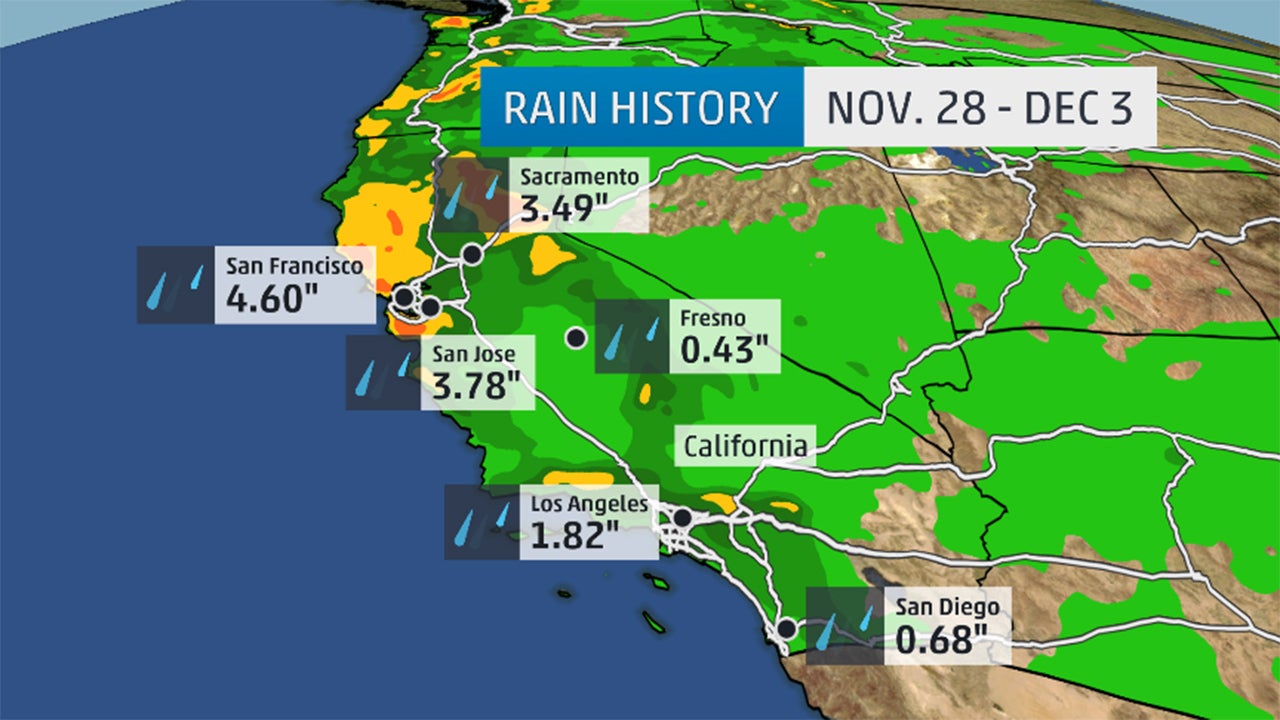
- Droughts and Floods: California is prone to cycles of drought and heavy rainfall. Extreme rain events can lead to flash floods and mudslides, especially in areas recently affected by fires.
- Mountain Road Conditions: In winter, snow chains may be required on mountain roads, or passes may be closed entirely. Always check road conditions before heading into the mountains.
- Checking Forecasts: Before and during your trip, regularly check detailed local weather forecasts for each specific destination on your itinerary. This will help you adjust your plans and packing as needed.
In conclusion, California’s weather is as captivating and varied as its landscapes. From the cool fogs of the Northern California coast to the intense heat of its deserts and the snowy grandeur of its mountains, every region offers a distinct climatic personality. By understanding these nuances and embracing a flexible, well-prepared approach, you can curate a travel experience that perfectly aligns with your desires, making the most of the Golden State’s incredible natural bounty. Whether you’re seeking endless summer sunshine, pristine winter snows, or temperate fall days, California truly has a season and a climate for every type of traveler, promising adventures that are as diverse and memorable as the state itself.
LifeOutOfTheBox is a participant in the Amazon Services LLC Associates Program, an affiliate advertising program designed to provide a means for sites to earn advertising fees by advertising and linking to Amazon.com. Amazon, the Amazon logo, AmazonSupply, and the AmazonSupply logo are trademarks of Amazon.com, Inc. or its affiliates. As an Amazon Associate we earn affiliate commissions from qualifying purchases.