
Understanding the meteorological patterns of Las Vegas, Nevada is more than just a matter of curiosity; it is a fundamental component of planning a successful trip to the world’s entertainment capital. Situated in the heart of the Mojave Desert, this vibrant city experiences a subtropical hot desert climate characterized by long, sweltering summers, brief and mild winters, and transitional seasons that offer some of the most pleasant conditions in North America. For the modern traveler, knowing the forecast means the difference between a comfortable stroll down The Strip and an exhausting battle against the elements.
The Seasonal Rhythm of the Mojave Desert
The weather in Las Vegas is defined by its extremes. Because the city is located in a high-desert basin surrounded by mountain ranges like the Spring Mountains, it remains shielded from significant moisture, resulting in over 300 days of sunshine per year. However, this lack of humidity means that temperatures can fluctuate wildly between day and night, a phenomenon every tourist should prepare for.
Scorching Summers and the Art of the Heat Wave
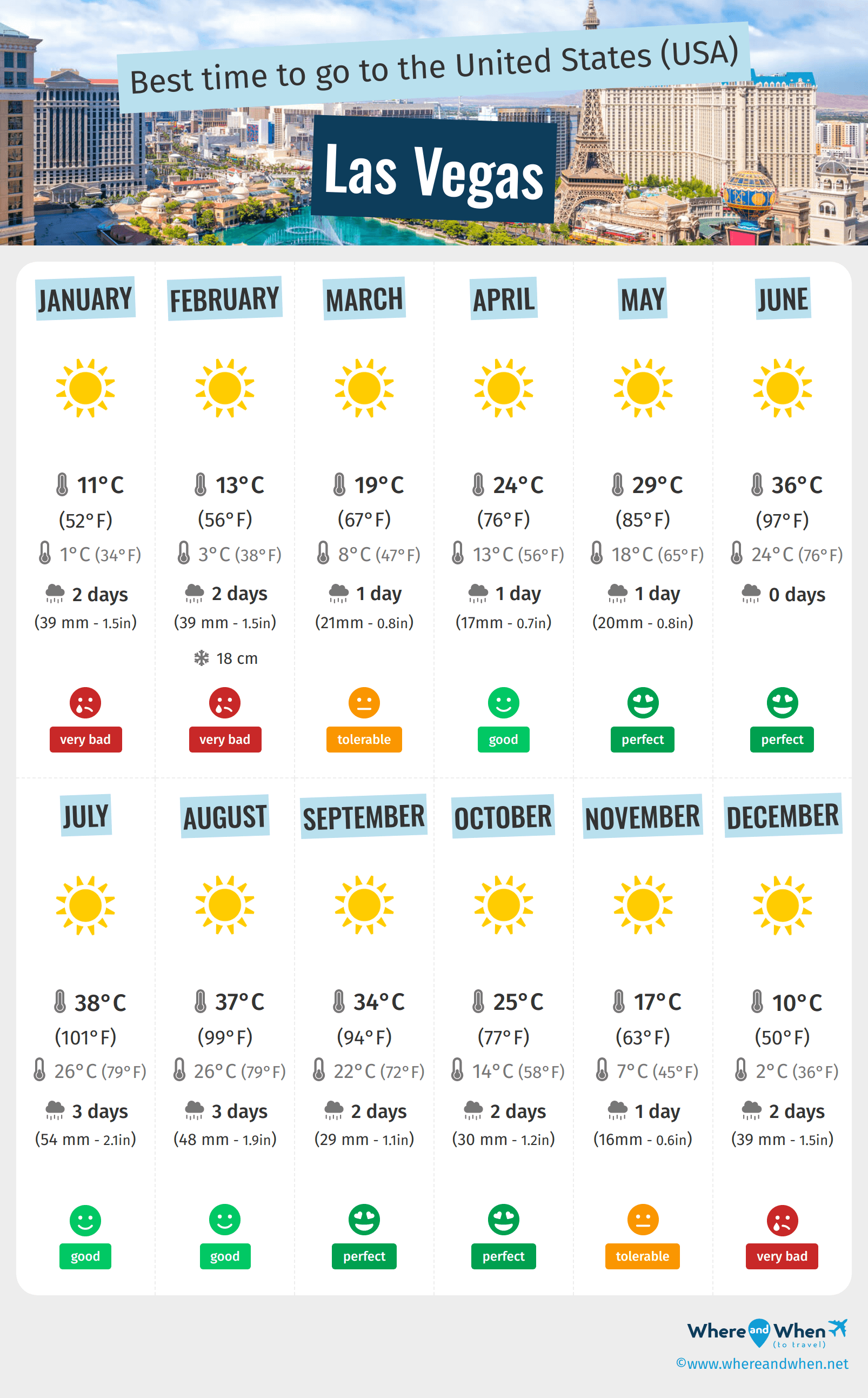
From June through August, Las Vegas experiences intense heat. Daytime highs frequently exceed 100°F (38°C), and it is not uncommon for the mercury to climb toward 115°F during peak heat waves. During this time, the city’s lifestyle shifts inward. Visitors often spend their afternoons enjoying the massive climate-controlled environments of resorts like Caesars Palace or the MGM Grand.
Despite the heat, summer remains a popular time for tourism due to the legendary pool culture. “Dayclubs” and massive pool complexes become the center of social life. However, if you are planning to visit landmarks such as the Hoover Dam or take a walking tour of the Fremont Street Experience, it is crucial to schedule these activities for the early morning hours to avoid the most punishing rays of the sun.
Mild Winters and the Surprise of Desert Chills
Contrastingly, winter in Nevada is surprisingly mild but can catch the unprepared traveler off guard. From December to February, daytime temperatures usually hover around 50°F to 60°F. While this may sound pleasant, the desert air loses heat rapidly once the sun sets over the Red Rock Canyon National Conservation Area. Evening temperatures can drop near freezing, requiring visitors to swap their swimwear for heavy jackets and scarves. This is the ideal time for hikers to explore the trails of Valley of Fire State Park, as the cooler air makes strenuous physical activity much more manageable than in the summer months.
The Transitional Grace of Spring and Autumn
Many seasoned travelers argue that the best time to visit Las Vegas is during the “shoulder seasons”—March to May and September to November. During these windows, the weather is nearly perfect, with highs ranging from 70°F to 80°F. These months facilitate the full spectrum of Las Vegas tourism, from al fresco dining at The Linq Promenade to watching the Bellagio Fountains without the discomfort of extreme heat or cold.
Strategic Tourism: Maximizing Your Stay Based on the Forecast
The weather dictates the rhythm of activities in Southern Nevada. To truly enjoy the city, one must align their itinerary with the expected atmospheric conditions. This ensures that you aren’t just surviving the climate, but thriving within it.
Best Times for Outdoor Exploration and Sightseeing
For those whose primary goal is to see the natural wonders surrounding the city, timing is everything. A visit to Death Valley National Park, which is a common day trip from the city, should strictly be avoided in the summer due to life-threatening temperatures. Instead, late autumn and early spring provide the clear skies and moderate temperatures necessary for exploring the salt flats and colorful canyons safely.
Closer to the city, the Seven Magic Mountains art installation offers a stunning photographic opportunity, but its lack of shade makes it a “quick stop” during the summer and a more leisurely destination during the spring. Similarly, the botanical gardens at the Springs Preserve are best viewed when the desert flora is in bloom during April and May.
Navigating the Heat: The Indoor Tourism Experience
When the Las Vegas sun is at its most aggressive, the city’s architecture provides a sanctuary. The United States has few places with a higher density of indoor attractions. From the high-end shopping at Wynn Las Vegas to the immersive art experiences at Area15, the city is designed to keep the tourism engine running regardless of the temperature outside.
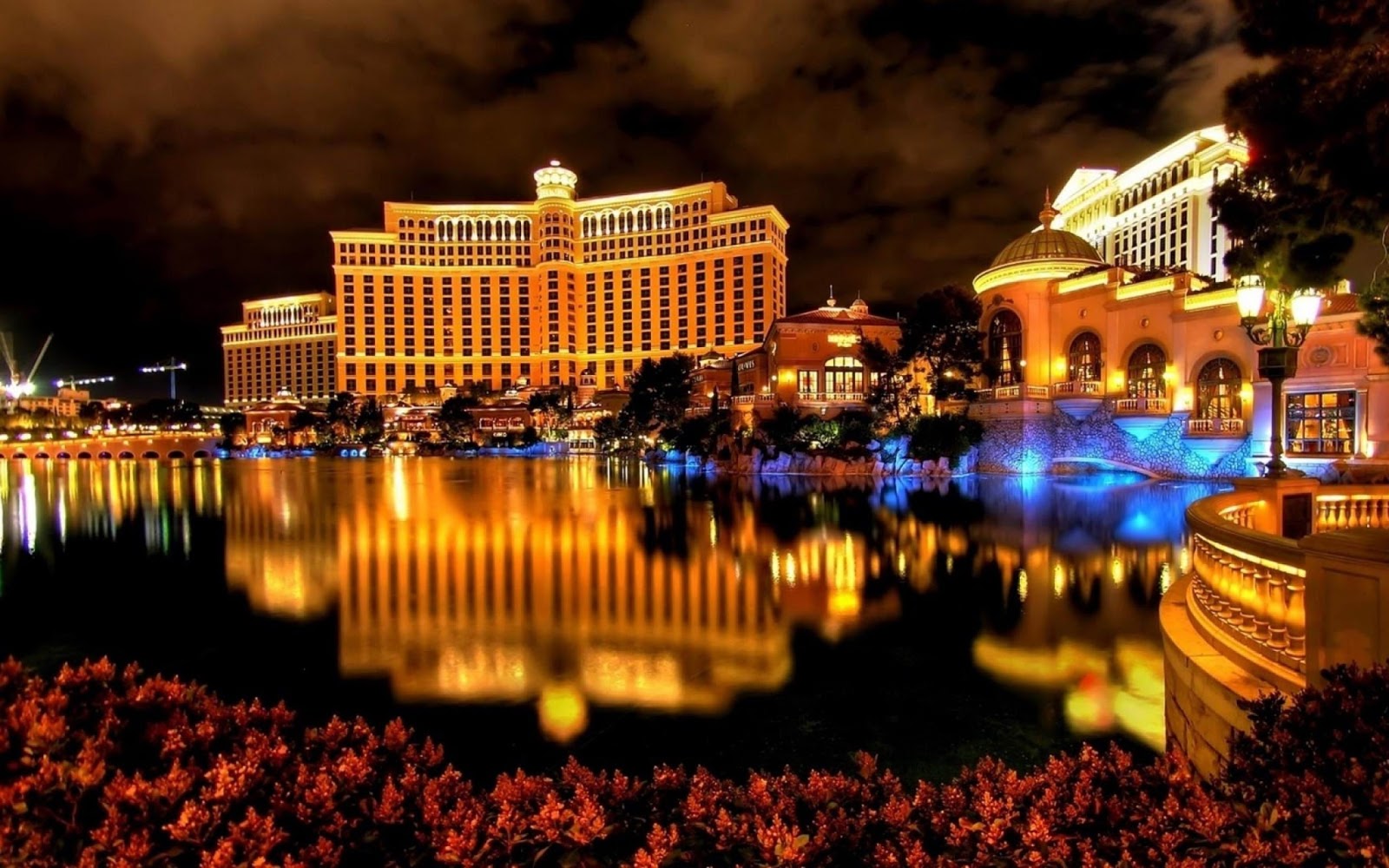
The “underground” or “interior” paths between major resorts allow visitors to traverse large sections of The Strip while remaining in air-conditioned comfort. Professional tips for summer tourism include utilizing the Las Vegas Monorail or ride-sharing services from Harry Reid International Airport to avoid excessive walking in the midday sun.
Seasonal Events and Cultural Festivals
The weather also influences the local cultural calendar. The Life Is Beautiful Music & Art Festival, held in Downtown Las Vegas, typically takes place in September to take advantage of the cooling temperatures. Meanwhile, winter visitors might enjoy the holiday displays and ice skating rink at the Cosmopolitan of Las Vegas, which offers a festive atmosphere that contrasts beautifully with the dry desert backdrop.
Packing Essentials and Local Survival Tips
Packing for Las Vegas requires a “layered” philosophy. Because the transition from the 110°F heat of the sidewalk to the 68°F interior of a casino like The Venetian Las Vegas is so drastic, your wardrobe must be versatile.
Sun Protection and Hydration
Regardless of the season, the Mojave Desert sun is potent. High-SPF sunscreen, polarized sunglasses, and wide-brimmed hats are non-negotiable items. Hydration is equally critical. The low humidity means that sweat evaporates almost instantly, which can lead to dehydration before you even realize you’re thirsty. Always carry a reusable water bottle, especially when visiting landmarks like Lake Mead.
The Layering Strategy for Desert Nights
For those visiting in the fall, winter, or spring, a light jacket or pashmina is essential for evening outings. Even in the height of summer, the air conditioning in large venues like the Allegiant Stadium or the Sphere can be quite chilly. A professional traveler always carries a light layer to ensure comfort during long shows or gaming sessions.
Footwear for the Strip and Beyond
Many first-time visitors underestimate the sheer scale of Las Vegas. Walking from one end of The Strip to the other is a multi-mile journey. Comfortable, breathable walking shoes are a must. If your itinerary includes a trip to Mount Charleston for a change of pace, you may even need sturdy hiking boots to navigate the rocky terrain and potentially snowy paths found at higher elevations.
Meteorological Oddities and Regional Variations
Las Vegas weather is not just about heat and sun; there are unique phenomena that every visitor should be aware of to ensure a safe and enjoyable trip.
The Impact of the Urban Heat Island
The massive concentration of concrete, asphalt, and glass on The Strip creates what meteorologists call an “urban heat island.” This effect causes the city center to remain significantly warmer at night than the surrounding desert outskirts. While a guest at the Resorts World Las Vegas might find the midnight air quite warm, someone staying in a residential area of Summerlin might experience a much cooler breeze.
Monsoon Season and Flash Flooding
From July through September, the Southwest United States enters its monsoon season. During this time, moisture from the Gulf of California can trigger sudden, intense thunderstorms. While these storms provide a dramatic spectacle against the desert sky, they also pose a risk of flash flooding. Visitors should exercise caution when exploring canyons or washes in Lake Mead National Recreation Area during a storm warning, as dry beds can turn into raging torrents in a matter of minutes.
The Alpine Escape: Mount Charleston
If the heat of the valley becomes too much to bear, locals and tourists alike flee to Mount Charleston. Located only 45 minutes from the city, the temperatures here are consistently 20 to 30 degrees cooler than on The Strip. In the winter, it serves as a snowy retreat for skiing and snowboarding, providing a surreal contrast to the palm trees and neon lights just a short drive away. This regional variation allows visitors to experience two entirely different climates in a single afternoon.
In conclusion, while the weather for Las Vegas, Nevada is predominantly sunny and dry, its seasonal nuances play a vital role in shaping the tourism experience. By understanding the desert’s rhythms, packing strategically, and choosing activities that complement the forecast, you can ensure that your visit to this iconic destination is comfortable, safe, and truly unforgettable.
LifeOutOfTheBox is a participant in the Amazon Services LLC Associates Program, an affiliate advertising program designed to provide a means for sites to earn advertising fees by advertising and linking to Amazon.com. Amazon, the Amazon logo, AmazonSupply, and the AmazonSupply logo are trademarks of Amazon.com, Inc. or its affiliates. As an Amazon Associate we earn affiliate commissions from qualifying purchases.