
Planning a trip to the neon-soaked heart of the Mojave Desert requires more than just booking a flight or reserving a room at a world-class resort. It requires a keen understanding of the unique meteorological patterns of Las Vegas. As a premier destination for thrill-seekers, convention-goers, and luxury travelers, the city offers a climate that is as extreme as its nightlife. Knowing what to expect when you step out onto the Las Vegas Strip is essential for curating the perfect itinerary.
The Desert Climate Dynamic
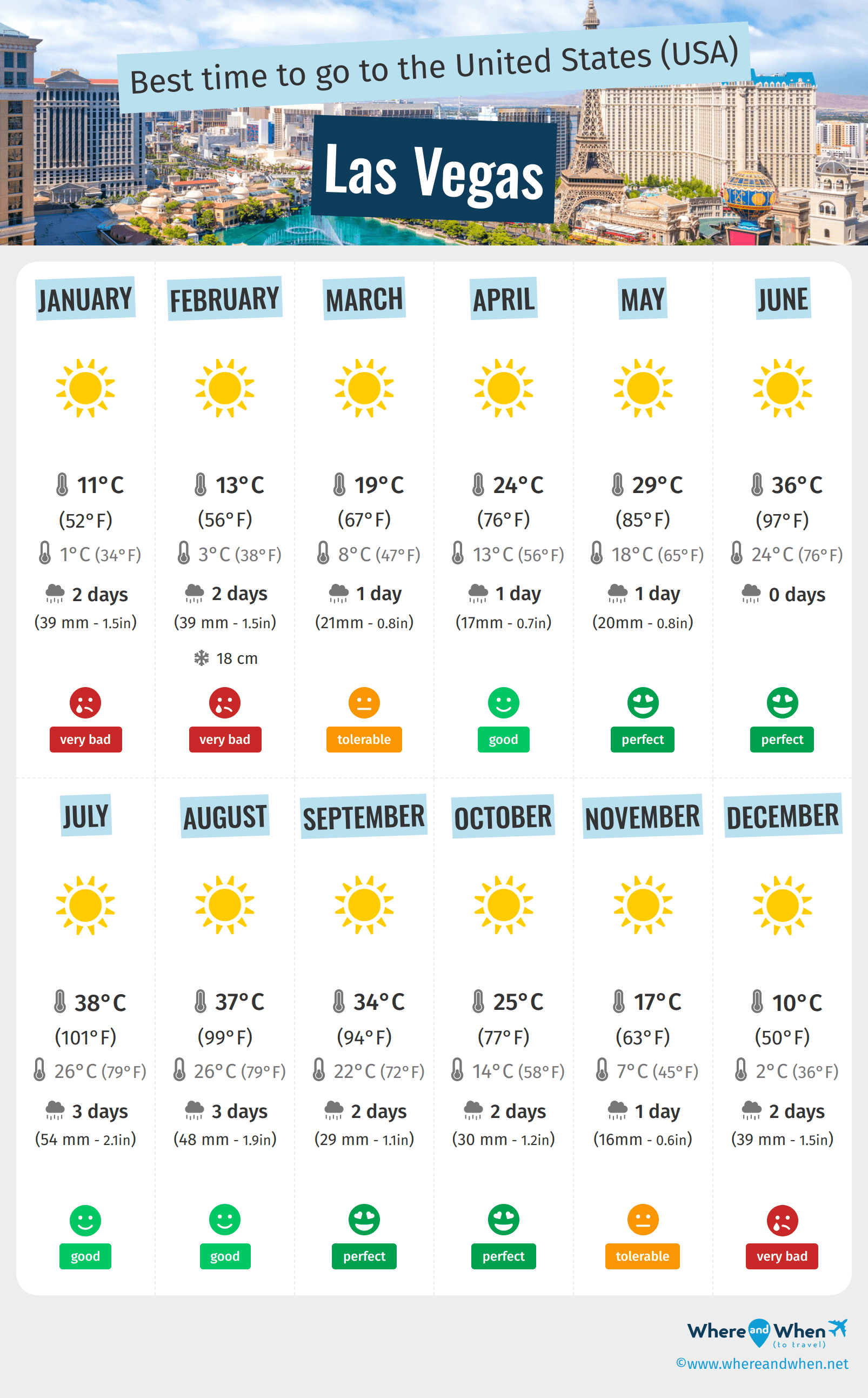
The weather in this part of Nevada is classified as a subtropical hot desert climate. What this means for the modern traveler is a distinct lack of humidity and an abundance of sunshine that stretches across the calendar year. While visitors often equate the city with blistering heat, the reality of daily weather fluctuates significantly depending on the season and the time of day.
Understanding Daily Temperature Swings
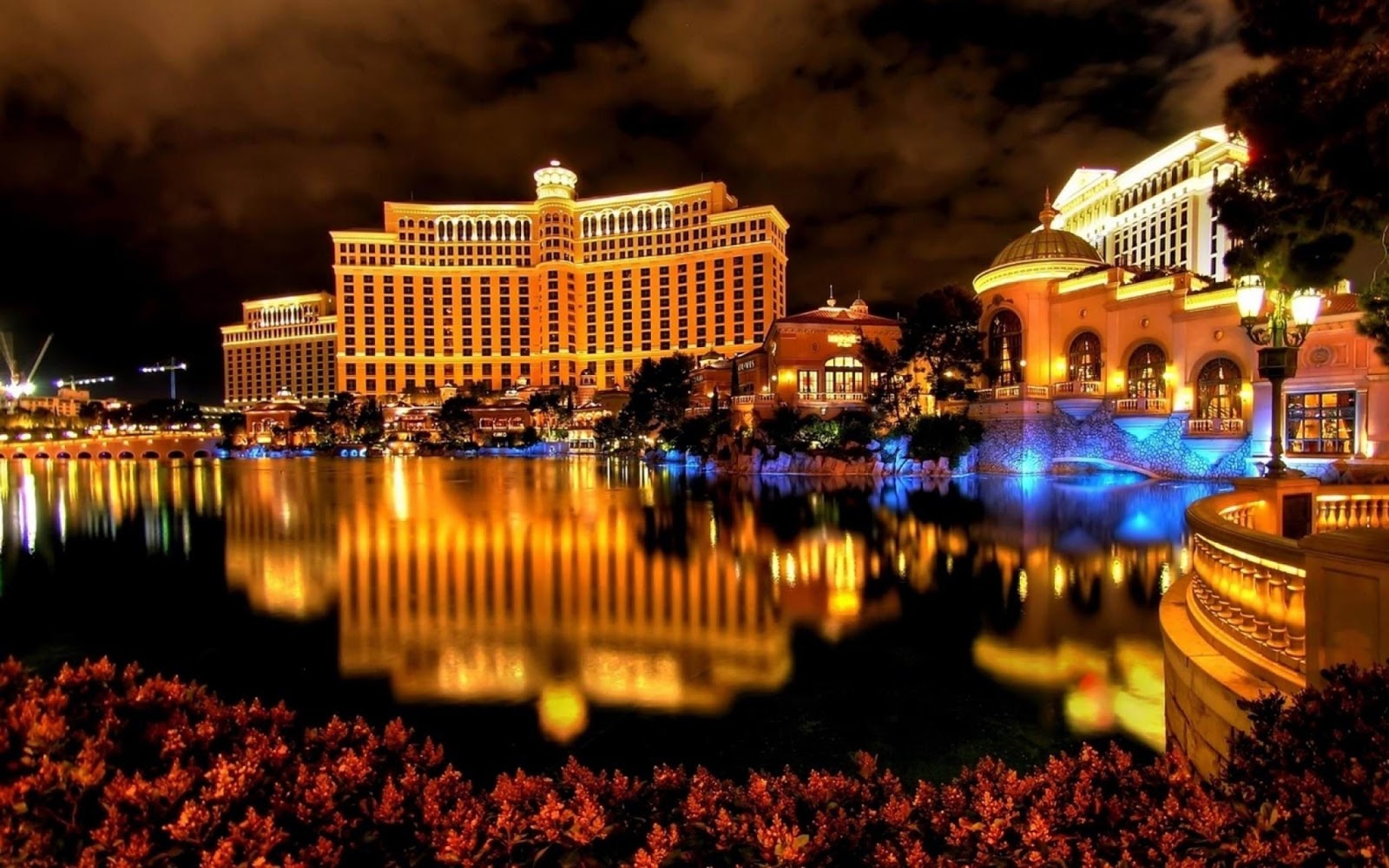
One of the most surprising aspects for first-time visitors is the “diurnal temperature variation.” Because of the high altitude and the lack of moisture in the air, the desert loses heat rapidly once the sun dips below the horizon. You might find yourself basking in 100-degree heat while walking past the Bellagio at midday, only to require a light jacket by the time you are heading to a late-night show at Caesars Palace. Understanding these swings is the secret to packing effectively.
The Illusion of “Always Hot”
While summer temperatures frequently climb above 105°F (40°C), winter months bring a refreshing coolness. December and January can see temperatures drop toward the freezing point overnight. This diversity in weather is why many seasoned travelers prefer the “shoulder seasons”—specifically spring and autumn—when the climate is arguably some of the most pleasant in the United States.
Seasonal Trends and Trip Planning
When asking “what is the weather today,” it is helpful to place that day within the broader seasonal context of the Southwest. By aligning your expectations with the time of year, you can better navigate the city’s vast array of indoor and outdoor attractions.
Spring and Autumn: The Golden Window
From March to May and September to November, Las Vegas experiences its most temperate days. With highs generally hovering between 70°F and 85°F, this is the prime time to explore outdoor wonders like the Red Rock Canyon National Conservation Area. During these months, the intensity of the sun is tempered by gentle breezes, making it comfortable to walk from the MGM Grand to the Park MGM without the thermal exhaustion that accompanies mid-summer explorations.
Summer: Managing the Heat
If your travel dates fall between June and August, prepare for high-intensity sun. The city’s infrastructure is designed to combat this, with expansive climate-controlled walkways and interior corridors connecting major landmarks. During these peak heat months, tourism pivots toward pool culture. Resorts like The Venetian and Wynn Las Vegas offer sprawling pool decks that become the epicenter of social activity. Hydration is not merely a suggestion here; it is a necessity. Even when the weather app says the air is dry, the lack of humidity masks the body’s perspiration, meaning you may dehydrate faster than you realize.
Winter: The Cool Desert Chill
Winter visitors often find the city surprisingly crisp. While snow is a rarity on the Las Vegas Strip, the nearby Mount Charleston is often capped with white, providing a stunning backdrop for city photos. During the day, the skies remain a brilliant, piercing blue, offering perfect conditions for walking the Fremont Street Experience in Downtown Las Vegas without the sweltering crowds of the summer season.
How to Check and Interpret Local Forecasts
In the modern age, your smartphone provides real-time data, but knowing how to interpret it for this specific geography is key. A standard weather forecast will give you the numbers, but your experience in Nevada will be dictated by how you choose to spend your time.
The Impact of Ultraviolet Index
Even on cooler, overcast days, the high elevation of the Mojave Desert results in a high UV index. Sun protection is a critical element of your daily weather strategy. Whether you are golfing at a course near the Wynn Las Vegas or simply walking between Caesars Palace and The Venetian, wear sunblock. The bright, reflective surfaces of the glass-clad skyscrapers in the city can intensify UV exposure, catching many tourists off guard.
Wind Advisories and Their Impact
Occasionally, Las Vegas experiences high-wind events, particularly during the spring transition. While rarely dangerous, these winds can impact outdoor experiences. If you have booked a trip to the Grand Canyon or a helicopter tour over the city, high winds may lead to minor delays. It is always wise to keep an eye on local wind advisories, as these are often more impactful on your itinerary than the temperature itself.

Strategic Travel Tips Based on Weather
- The Midday Pivot: If the forecast indicates a high of over 100°F, schedule your outdoor activities—such as visiting the Neon Museum or the High Roller Observation Wheel—for the early morning or after sunset.
- Layering is Key: Even if it is 90°F outside, the interior of the Bellagio or the MGM Grand will likely be kept at a cool 68°F. Always carry a light layer.
- Evening Transitions: For evening dining reservations at the Park MGM or a night out in Downtown Las Vegas, check the night low, not just the daytime high. The temperature can drop by as much as 30 degrees once the sun sets.
- Hydration Stations: Map out where you can find water. While the Las Vegas Strip is filled with amenities, knowing the distance between cool spots helps in managing physical exertion.
By keeping these factors in mind, you can transform your approach to the weather from a point of concern into a tool for better travel planning. The climate of Nevada is part of what makes the region so distinct, offering a backdrop of clear, bright skies that make the lights of the city shine even brighter. Whether you are here for a weekend of leisure or a week of high-stakes business, the weather serves as the constant, vibrant stage upon which the drama of your Las Vegas experience will unfold.
LifeOutOfTheBox is a participant in the Amazon Services LLC Associates Program, an affiliate advertising program designed to provide a means for sites to earn advertising fees by advertising and linking to Amazon.com. Amazon, the Amazon logo, AmazonSupply, and the AmazonSupply logo are trademarks of Amazon.com, Inc. or its affiliates. As an Amazon Associate we earn affiliate commissions from qualifying purchases.