
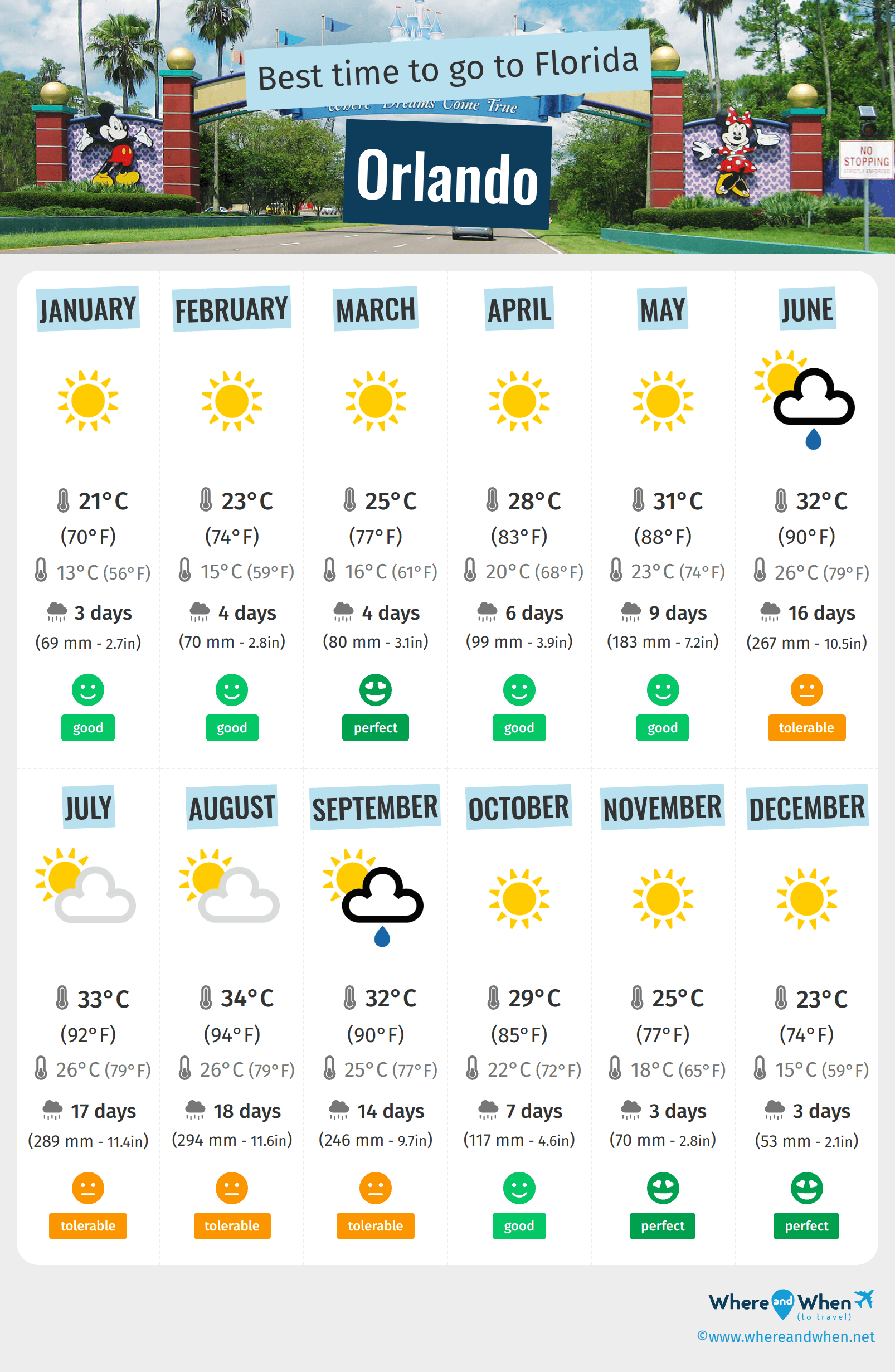
Planning a trip to Orlando, Florida, often revolves around the enchanting allure of its world-famous theme parks, vibrant attractions, and diverse culinary scene. However, a crucial element that can significantly shape your experience – from your daily itinerary to your packing list and even your choice of accommodation – is the weather. Orlando’s climate is subtropical, characterized by hot, humid summers and mild, pleasant winters. Understanding these seasonal shifts is key to optimizing your travel plans and ensuring a memorable visit to this magical destination.
As a premier hub for travel, tourism, and lifestyle, Orlando caters to millions of visitors each year, each with different expectations and preferences. Whether you’re chasing the thrills of Walt Disney World Resort or Universal Orlando Resort, exploring the natural wonders of Central Florida, or simply looking to unwind by a luxurious resort pool, the weather will undoubtedly play a starring role. From the sun-drenched days perfect for water parks to the cooler evenings ideal for outdoor dining, let’s delve into what you can expect from Orlando’s dynamic weather patterns throughout the year.
Understanding Orlando’s Seasonal Climate
Orlando’s subtropical climate means you’ll generally find warm temperatures year-round, but there are distinct seasons that bring their own set of considerations for travelers. Knowing these patterns will help you plan everything from which attractions to prioritize to the type of clothing to pack and even the best time to book your accommodation.
Summer: Hot, Humid, and Thundery (June – September)
Summer in Orlando is defined by its heat and humidity. Average daily temperatures typically hover in the high 80s to low 90s Fahrenheit (30-34°C), often feeling even warmer due to the high humidity levels. Mornings can be warm and clear, but almost like clockwork, afternoon thunderstorms roll in. These storms are usually brief but intense, bringing heavy rain, lightning, and sometimes strong winds. They typically clear out quickly, leaving behind refreshed air and often a beautiful sunset.
This season also marks the official start of hurricane season in the Atlantic, which runs from June 1st to November 30th, with peak activity typically between August and October. While direct hurricane strikes on Orlando are rare due to its inland location, the area can experience tropical storm-force winds and heavy rainfall from systems passing nearby. Travel during this period requires vigilance and flexibility, with many hotels and resorts offering hurricane policies for peace of mind.
Despite the challenging weather, summer is a peak time for family travel, especially for those visiting Walt Disney World Resort, Universal Orlando Resort, and SeaWorld Orlando. Water parks like Typhoon Lagoon Water Park, Blizzard Beach Water Park, Universal’s Volcano Bay, and Aquatica Orlando become essential havens for cooling off. Early mornings at the parks are crucial to beat the heat and crowds, and indoor attractions offer welcome respite during the midday sun or afternoon storms. Choosing accommodation with excellent air conditioning and a fantastic pool becomes a top priority for summer visitors.
Fall: Pleasant Transition with Lingering Storms (October – November)
As summer wanes, Orlando’s fall weather begins a beautiful transition. October sees a noticeable drop in humidity, and average temperatures settle into the high 70s to low 80s Fahrenheit (25-29°C). While hurricane season technically continues through November, the risk generally lessens towards the end of fall. Afternoon thunderstorms become less frequent and less intense than in summer, making for more consistently pleasant outdoor conditions.
This period is often considered one of the best times to visit Orlando. The comfortable temperatures make exploring theme parks, visiting attractions like ICON Park, or enjoying outdoor activities at Lake Eola Park much more enjoyable. Crowds tend to be lighter outside of major holiday weekends, offering a more relaxed experience. Many themed events like Halloween Horror Nights at Universal Studios Florida or the Epcot International Food & Wine Festival at Epcot take place during the fall, adding unique cultural and culinary experiences to your trip.
Winter: Mild, Sunny, and Peak Season (December – February)
Orlando’s winter is a stark contrast to most northern climates, making it a highly popular escape. Temperatures are typically mild and comfortable, averaging in the 60s and 70s Fahrenheit (15-24°C), with low humidity. Frost is rare, and snow is virtually unheard of. While daytime highs are pleasant, evenings can get cool, sometimes dipping into the 40s or 50s Fahrenheit (4-10°C), especially in January and early February. Rainfall is at its lowest during this period, offering abundant sunshine.
This is peak tourist season, particularly around the Christmas and New Year holidays, and during school breaks. The comfortable weather is perfect for prolonged park visits, exploring outdoor landmarks like the Kennedy Space Center Visitor Complex, or even enjoying a round of golf. However, the popularity of winter travel means higher hotel prices and larger crowds at major attractions. Booking accommodation well in advance is highly recommended, especially if you’re looking for specific resorts or suites. Many resorts feature heated pools, allowing guests to enjoy swimming even on cooler days.
Spring: Warm, Dry, and Ideal for Exploration (March – May)
Spring in Orlando is characterized by steadily rising temperatures and relatively low humidity, making it another fantastic time to visit. March and April offer delightful weather, with average temperatures in the 70s and 80s Fahrenheit (21-29°C) and minimal rainfall. By May, temperatures begin to climb towards summer levels, often reaching the high 80s, and the humidity starts to increase. Brief afternoon showers may become more common towards the end of spring.
Spring Break brings significant crowds, but outside of these specific weeks, the parks can be quite manageable. The dry, warm conditions are perfect for exploring all that Orlando has to offer, from the thrilling rides at Disney’s Hollywood Studios to the animal encounters at Gatorland. It’s also an excellent time for water park visits, as the temperatures are warm enough to enjoy without the intense heat of summer. Accommodation during this period can vary, with higher demand during Spring Break but potentially more favorable rates outside those peak weeks.
Planning Your Orlando Trip Around the Weather
Strategic planning can make all the difference in maximizing your enjoyment of Orlando, regardless of the season. Considering the weather in conjunction with the website’s themes of travel, accommodation, tourism, and lifestyle will help you curate the perfect trip.
Best Times to Visit for Optimal Weather and Experience
For those prioritizing comfortable weather and manageable crowds, the sweet spots are late fall (late October-November) and spring (March-early May). During these periods, you’ll experience pleasant temperatures, lower humidity, and generally less rain, making outdoor activities and extensive theme park exploration much more enjoyable. Winter, particularly from January to mid-February, also offers fantastic weather, though it comes with higher crowd levels due to school holidays and the appeal of escaping colder climates.
Travelers looking for budget-friendly options might consider late August and September. While still hot and within hurricane season, these weeks often see lower attendance at the parks and reduced rates for hotels, suites, and villas. With proper planning and flexibility, this can be an excellent option for budget-conscious families.
Packing Essentials for Every Season
Regardless of when you visit, breathable clothing is a must. Cotton and moisture-wicking fabrics are ideal.
- Summer: Lightweight clothing, shorts, t-shirts, swimsuits, wide-brimmed hats, sunglasses, and plenty of sunscreen. Don’t forget a compact umbrella or poncho for those afternoon downpours. Comfortable walking shoes are non-negotiable.
- Fall & Spring: Layers are your best friend. Light jackets or cardigans for cooler evenings, along with your summer attire for warm days. A light rain jacket can also be useful.
- Winter: Long pants, long-sleeved shirts, sweaters, and a medium-weight jacket are recommended for evenings and cooler days. You’ll still want shorts and t-shirts for surprisingly warm afternoons.
Strategies to Beat the Heat and Humidity
For summer visitors, navigating the heat and humidity requires a game plan:
- Early Starts: Arrive at the parks before opening (“rope drop”) to enjoy cooler temperatures and shorter lines for popular rides.
- Midday Breaks: Retreat to your hotel, resort, or apartment for a swim or a nap during the hottest part of the day. Many luxury resorts offer incredible pool complexes perfect for this.
- Water Parks: Dedicate entire days to Typhoon Lagoon Water Park, Blizzard Beach Water Park, Universal’s Volcano Bay, or Aquatica Orlando.
- Indoor Attractions: Plan to hit air-conditioned shows, restaurants, and indoor rides during the hottest parts of the day.
- Hydration: Drink plenty of water. Most parks offer free ice water at quick-service locations.
- Cooling Accessories: Portable fans, cooling towels, and misters can provide significant relief.
Hurricane Season Preparedness
While rare, it’s wise to be informed if traveling during hurricane season. Keep an eye on weather forecasts from reliable sources like the National Hurricane Center. Many hotels and theme parks have specific policies regarding cancellations or rescheduling during declared hurricane events, so familiarize yourself with these when booking. Travel insurance that covers weather-related disruptions can offer additional peace of mind.
Weather’s Influence on Orlando Activities and Accommodation
The weather in Orlando directly impacts the types of activities you’ll enjoy and even the features you might prioritize in your accommodation, tying directly into the website’s focus on tourism, travel, and lifestyle.
Theme Parks and Attractions: Adapting to the Forecast
Orlando’s reputation as the “Theme Park Capital of the World” means that millions come to experience Magic Kingdom Park, Universal’s Islands of Adventure, Disney’s Animal Kingdom Theme Park, and LEGOLAND Florida Resort. Good weather allows for seamless enjoyment of outdoor rides and parades. During hot periods, the allure of water-based attractions like Kali River Rapids or Jurassic Park River Adventure increases. Conversely, cooler weather makes even the longest outdoor queues more bearable.
Rainy afternoons might push you towards indoor attractions like The Wizarding World of Harry Potter rides, shows at Disney’s Hollywood Studios, or a visit to the Orlando Science Center. Beyond the major parks, attractions like ICON Park, with its The Wheel at ICON Park and various indoor entertainment options, offer flexibility regardless of the forecast. Shopping and dining districts like Disney Springs and Universal CityWalk are also great for inclement weather days, offering a mix of sheltered and open-air experiences.
Choosing Your Accommodation: Features for Every Season
Your accommodation choice can significantly enhance your comfort, especially when considering Orlando’s weather.
- Summer: Look for resorts or hotels with fantastic pool areas, lazy rivers, and splash pads – places like the Walt Disney World Swan and Dolphin Resort or Universal’s Hard Rock Hotel come to mind. Strong air conditioning, in-room refrigerators, and proximity to transportation (to minimize outdoor walking) are key. Villas or apartments, often found in areas like Kissimmee, offer more space and private pools, which can be a godsend for families.
- Winter: While pools are still desirable, ensure they are heated. Resorts with good indoor dining, entertainment, and spa facilities provide excellent options for cooler evenings. For those seeking luxury travel, a resort with a heated infinity pool or a cozy fire pit area could be ideal.
- Any Season: Consider hotels on International Drive for easy access to a variety of dining and entertainment options, many of which can be enjoyed regardless of the weather. Always check reviews regarding air conditioning effectiveness and pool heating status.

Lifestyle and Budget Considerations
The weather also influences lifestyle choices and budget travel strategies. Traveling during off-peak seasons (like late August or September) often means lower prices for flights and accommodation, appealing to budget-conscious travelers. However, this comes with the trade-off of hotter weather and hurricane season risk. Conversely, peak seasons like winter holidays, while offering ideal weather, command premium prices for luxury resorts and prime hotel suites.
Families might find that spring or fall offer the best balance of good weather and somewhat lighter crowds, allowing for a more relaxed family trip. Business travelers visiting Orlando for conventions might appreciate the mild winter temperatures for networking events and exploring the city after work. The array of accommodation options, from budget hotels to expansive villas and boutique resorts in areas like Winter Park, means there’s something to suit every preference and pocket, no matter what the forecast holds.
In conclusion, Orlando’s weather is an integral part of its charm and a significant factor in planning a successful trip. By understanding the seasonal variations and preparing accordingly, visitors can fully embrace the magic of this unparalleled destination, ensuring that rain or shine, their Orlando adventure is nothing short of spectacular.
LifeOutOfTheBox is a participant in the Amazon Services LLC Associates Program, an affiliate advertising program designed to provide a means for sites to earn advertising fees by advertising and linking to Amazon.com. Amazon, the Amazon logo, AmazonSupply, and the AmazonSupply logo are trademarks of Amazon.com, Inc. or its affiliates. As an Amazon Associate we earn affiliate commissions from qualifying purchases.