
St. Petersburg, Florida, often affectionately called “St. Pete,” is a jewel on the Gulf Coast, renowned for its sunshine, pristine beaches, vibrant arts scene, and an array of family-friendly attractions. Understanding the local weather is paramount for anyone planning a visit, whether you’re dreaming of a leisurely stroll along St. Pete Beach or an immersive cultural experience at the Dalí Museum. The climate here is best described as a humid subtropical climate, characterized by warm, wet summers and mild, dry winters. This distinction is crucial for packing appropriately and scheduling your activities to make the most of your St. Petersburg adventure.
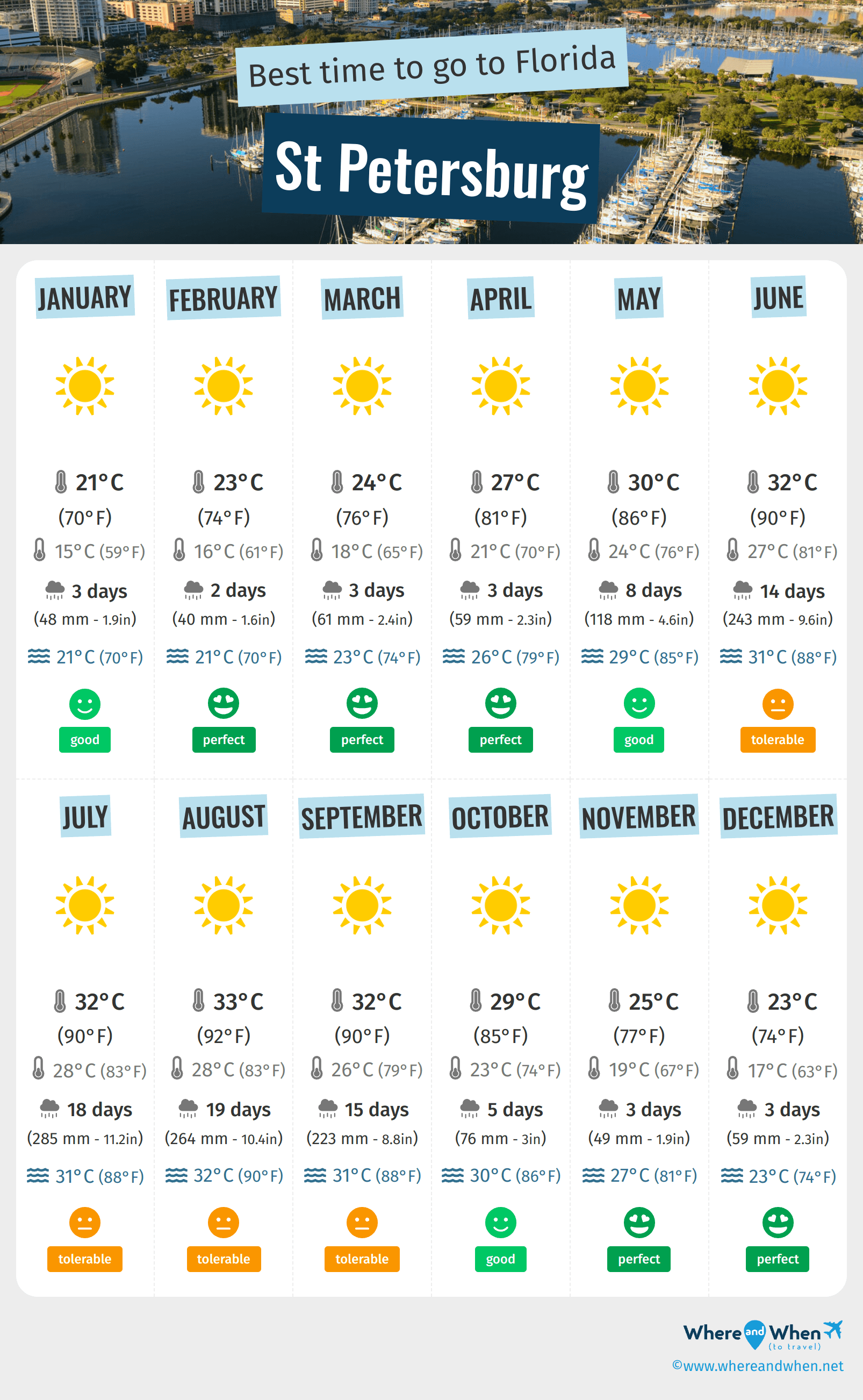
Understanding St. Petersburg’s Climate Patterns
The weather in St. Petersburg, Florida, is heavily influenced by its coastal location, which moderates temperatures and introduces a distinct wet and dry season. This predictable pattern allows for effective planning, ensuring that visitors can tailor their itineraries to align with optimal weather conditions.
The Sunshine State’s Distinct Seasons
While St. Petersburg enjoys a reputation for sunshine year-round, its weather does exhibit seasonal variations that impact daily life and tourism.
Summer: The Wet and Warm Season
From late May through early October, St. Petersburg experiences its summer months. This period is defined by high temperatures, elevated humidity, and frequent, albeit often brief, afternoon thunderstorms. Daily highs typically range from the upper 80s to the low 90s Fahrenheit (around 31-33°C). The humidity can make it feel even warmer, creating that quintessential tropical atmosphere.
The thunderstorms are a common feature of Florida summers. They usually develop in the late afternoon due to the intense solar heating of the land and sea. These storms can bring heavy rainfall, lightning, and gusty winds, but they often pass quickly, leaving behind cooler, fresher air. It’s advisable for visitors to have flexible plans during this time, perhaps scheduling indoor activities like museum visits or shopping for the mid-afternoon hours. The water temperatures in the Gulf of Mexico are delightfully warm during summer, making it perfect for swimming, snorkeling, and various water sports.
Winter: The Mild and Dry Season
The winter months, from December through March, offer a stark contrast to the summer. This is St. Petersburg’s dry season, with significantly less rainfall and more comfortable temperatures. Daily highs typically hover in the pleasant 60s and 70s Fahrenheit (around 16-25°C), with occasional cooler days where temperatures might dip into the 50s. Nights can be cool, sometimes requiring a light jacket.
This period is often considered the prime tourist season for St. Petersburg due to the absence of oppressive heat and humidity, and the significantly lower chance of rain. It’s an ideal time for exploring the city’s outdoor attractions, such as Fort De Soto Park or the Sunken Gardens, without the inconvenience of frequent downpours. The Gulf waters, while cooler than in summer, are still often pleasant enough for a brisk dip, particularly in late winter.
Spring and Fall: The Transitional Marvels
The shoulder seasons of spring (April and May) and fall (November) are often heralded as the most delightful times to visit St. Petersburg. These months bridge the gap between the extremes of summer and winter, offering a sweet spot of agreeable weather.
Spring: As winter’s chill recedes, spring brings gradually warming temperatures and increasing sunshine. Humidity levels are generally lower than in summer, and the chances of significant rainfall are less frequent. Highs start in the 70s Fahrenheit (around 21-26°C) in April and climb into the 80s by May. This is a fantastic time for outdoor festivals, exploring the historic downtown district, and enjoying the beaches before the peak summer crowds and heat arrive.
Fall: Conversely, fall sees temperatures gradually cooling from the summer highs, and the frequency of thunderstorms diminishes. November, in particular, often offers crisp, sunny days with comfortable temperatures, making it an excellent month for visiting. The Gulf waters retain warmth from the summer, often remaining inviting well into the autumn.
Packing Essentials Based on the Forecast
Knowing what to pack for your St. Petersburg trip is key to enjoying its attractions, regardless of the season. The prevailing weather patterns offer clear guidance.

Summer Preparedness
For a summer visit, lightweight, breathable clothing is essential. Think cotton t-shirts, shorts, sundresses, and swimwear. Don’t forget a wide-brimmed hat and sunglasses to protect yourself from the intense sun. Sunscreen with a high SPF is an absolute must-have. An umbrella or a lightweight rain jacket is crucial for the inevitable afternoon showers. Comfortable walking shoes are important, but sandals are perfect for beach days.
Winter Comfort
Packing for a winter visit is about layers. While days are generally mild, evenings can bring a noticeable chill. Pack long-sleeved shirts, light sweaters or fleeces, and a light to medium-weight jacket. Jeans or comfortable trousers are suitable. Again, comfortable walking shoes are recommended for exploring. If you plan on spending significant time outdoors, a hat and gloves might be useful for the cooler mornings and evenings.
Spring and Fall Versatility
The transitional seasons offer the most flexibility in packing. A mix of short-sleeved tops and longer-sleeved options is advisable. Shorts and lighter trousers or skirts are appropriate. A light jacket or cardigan will be perfect for cooler mornings or evenings. As with all seasons, swimwear is a must, and comfortable walking shoes will serve you well for exploring the numerous parks and attractions, like the Imagine Museum.
Key St. Petersburg Attractions and Weather Considerations
St. Petersburg boasts a wealth of attractions, and understanding how the weather might influence your experience can help you optimize your visit.
Beach Bliss and Water Activities
The world-class beaches, including Clearwater Beach (a short drive away, but often considered in the wider Tampa Bay experience), Indian Rocks Beach, and Madeira Beach, are central to the St. Petersburg experience.
- Summer: The warm Gulf waters are ideal for swimming, paddleboarding, and jet skiing. Be mindful of afternoon thunderstorms, which can lead to beach closures for safety reasons. Always heed lifeguard warnings.
- Winter: While cooler, the water is often still pleasant for a dip, especially for the brave or those seeking a refreshing experience. The calmer seas and lower humidity make for excellent sunbathing and beachcombing.
- Spring & Fall: These seasons offer the perfect balance of comfortable air temperatures and warm water, making them ideal for extended beach days without overheating or feeling too chilly.
Cultural and Urban Exploration
St. Petersburg’s thriving arts and culture scene, centered around its downtown core and waterfront, offers plenty of indoor options.
- Summer: The afternoons are perfect for exploring institutions like the Mahaffey Theater, the Great Explorations Children’s Museum, or browsing the many art galleries. Evenings, after the thunderstorms have passed, are pleasant for dinner and walks along the waterfront.
- Winter: This is prime time for outdoor exploration of the downtown area, including visiting the St. Pete Pier and enjoying the numerous outdoor cafes and street performers. The mild weather is perfect for walking tours and exploring historic neighborhoods.
- Spring & Fall: These seasons allow for a seamless transition between indoor cultural experiences and outdoor strolls, enjoying the pleasant temperatures for exploring the Central Arts District or the Beach Drive promenade.

Nature and Outdoor Adventures
Beyond the beaches, St. Petersburg and its surrounding areas offer beautiful natural landscapes.
- Summer: Parks like Weedon Island Preserve offer opportunities for kayaking and birdwatching. It’s wise to start these activities in the morning to avoid the heat and potential afternoon storms.
- Winter: This is an excellent time for longer hikes and exploring nature trails without the oppressive heat. The cooler, drier conditions make for a more comfortable experience.
- Spring & Fall: These seasons provide comfortable temperatures for exploring the numerous nature preserves, botanical gardens, and wildlife sanctuaries scattered throughout the region.
By understanding the nuances of St. Petersburg’s weather, from its humid summers to its mild winters, visitors can better plan their itineraries, pack appropriately, and fully immerse themselves in the beauty and activities this captivating Florida city has to offer. Whether you are drawn by the promise of sun-drenched beaches, a vibrant cultural scene, or the tranquility of its natural landscapes, a little weather wisdom will ensure your St. Petersburg experience is nothing short of spectacular.
LifeOutOfTheBox is a participant in the Amazon Services LLC Associates Program, an affiliate advertising program designed to provide a means for sites to earn advertising fees by advertising and linking to Amazon.com. Amazon, the Amazon logo, AmazonSupply, and the AmazonSupply logo are trademarks of Amazon.com, Inc. or its affiliates. As an Amazon Associate we earn affiliate commissions from qualifying purchases.