
Understanding Anchorage’s Climate
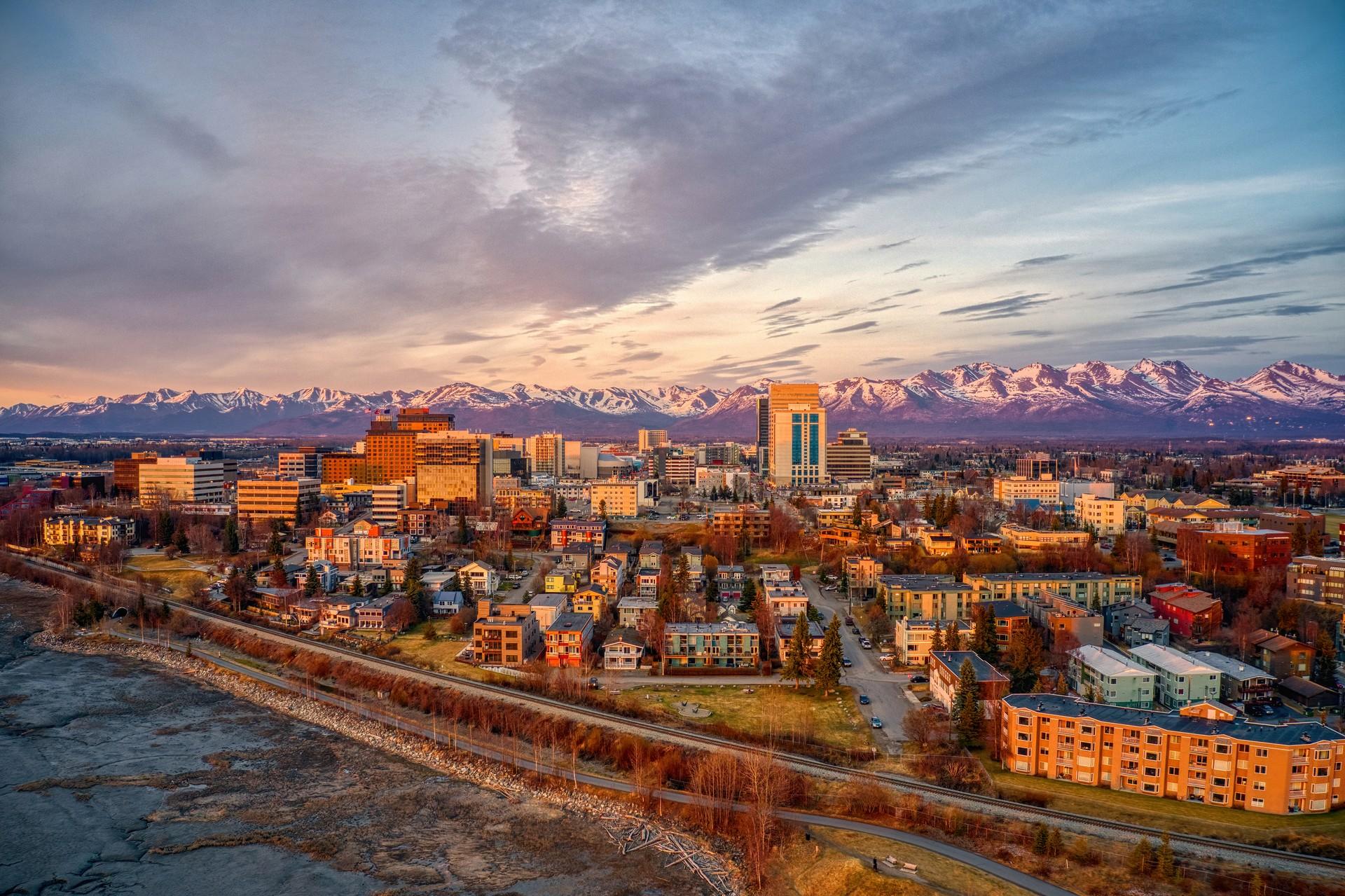
Anchorage, Alaska‘s largest city, boasts a unique climate profile that significantly shapes any travel experience. Nestled on the shores of Cook Inlet and cradled by the majestic Chugach Mountains to the east, the city benefits from a relatively milder climate compared to interior Alaska. This coastal influence means that while winters are undoubtedly cold and snowy, they are often less extreme than inland regions, and summers are pleasantly cool rather than hot. Anchorage falls within a subarctic climate zone, characterized by long, cold winters and short, mild summers.
A defining feature of Anchorage’s weather, crucial for travelers to understand, is the dramatic variation in daylight hours throughout the year. In mid-summer, the city experiences nearly 20 hours of daylight, offering endless opportunities for exploration under the “midnight sun.” Conversely, winter days are strikingly short, with as little as 5-6 hours of daylight around the winter solstice, creating a profound sense of an Alaskan winter wonderland and prime conditions for viewing the Northern Lights. This seasonal shift in light, alongside temperature and precipitation patterns, dictates the type of activities available and the necessary preparations for any visit. Understanding these nuances is paramount for planning a successful and enjoyable trip to this extraordinary destination.
Seasonal Weather Breakdown
The distinct seasons in Anchorage each offer a unique atmospheric canvas, influencing the types of adventures and experiences travelers can anticipate.
Summer (June-August): The Golden Season
Summer in Anchorage is a highly anticipated and vibrant period, marked by mild temperatures and extended daylight. Average high temperatures typically range from the low 60s to low 70s Fahrenheit (15-22°C), while nighttime lows comfortably hover in the 50s Fahrenheit (10-15°C). While the occasional warmer day can push temperatures higher, extreme heat is rare, making it an ideal escape from sweltering climates elsewhere. The most striking feature of an Alaskan summer is the incredible duration of daylight. In late June, Anchorage basks in nearly 19-20 hours of sunlight, leading to the phenomenon of the “midnight sun” where twilight lingers late into the night. This ample daylight allows for extended outdoor activities and sightseeing well beyond traditional hours.
Precipitation during summer is moderate, with July and August often being the wettest months, though rainfall tends to be scattered rather than prolonged downpours. Travelers should be prepared for cooler, potentially rainy days even amidst sunshine. This season is the peak for tourism, with conditions perfect for hiking the trails of Chugach State Park, scaling Flattop Mountain for panoramic views, fishing for salmon, or embarking on wildlife viewing excursions. The lush greenery, blooming wildflowers, and active wildlife make summer an enchanting time to visit, though demand for accommodations and tours will be at its highest. Packing layers, including a waterproof jacket, is essential, as temperatures can vary significantly from morning to evening and depending on elevation.
Fall (September-November): A Symphony of Colors
As summer gradually recedes, Anchorage transitions into a picturesque fall, a season characterized by rapidly cooling temperatures, dramatic changes in foliage, and decreasing daylight. September often begins with pleasant daytime temperatures in the 50s Fahrenheit (10-15°C), but by October, they typically drop into the 40s (5-10°C), and by November, daytime highs rarely climb above freezing, settling into the 20s and 30s Fahrenheit (-5 to 0°C). The length of day shortens noticeably each week, setting the stage for longer nights.
Precipitation in early fall usually comes in the form of rain, particularly in September and early October, before transitioning to the season’s first significant snowfalls in November. This period is renowned for its spectacular fall colors, as birch and aspen trees turn brilliant shades of gold and amber against the backdrop of evergreen conifers and snow-capped peaks. It’s an ideal time for scenic drives and photography. While some summer outdoor activities might still be possible in early fall, travelers should anticipate colder, wetter conditions. This shoulder season offers fewer crowds than summer, providing a more serene experience, but requires robust preparation for varying weather. Warm, waterproof clothing, insulated footwear, hats, and gloves become increasingly important as the season progresses.
Winter (December-February): A Wonderland of Snow
Winter in Anchorage transforms the city into a true wonderland of snow and ice, offering quintessential Alaskan experiences. Temperatures during the core winter months are consistently cold, with average highs typically in the teens and low 20s Fahrenheit (-10 to -5°C). It is not uncommon for temperatures to dip well below 0°F (-18°C), especially during clear, calm spells. Daylight hours are at their minimum, with only about 5-6 hours of sunlight around the winter solstice in December and January, creating long, dark nights perfect for viewing the ethereal Northern Lights dancing across the sky.

Snowfall is abundant, turning the landscape into a pristine, white expanse. Anchorage receives substantial annual snowfall, which creates ideal conditions for a plethora of winter sports. Popular activities include skiing and snowboarding at nearby Alyeska Resort, cross-country skiing on the city’s extensive trail system, ice skating, snowshoeing, and dog sledding. Despite the cold, the air often feels crisp and invigorating. Traveling during winter demands serious preparation: heavy-duty insulated parkas, thermal layers, waterproof snow pants, insulated boots, hats, gloves, and scarves are absolute necessities. While roads are generally well-maintained, travelers should be aware of potential delays due to snowstorms and exercise caution when driving. Winter travel offers a unique charm and is a peak season for those seeking aurora borealis sightings or thrilling snow adventures.
Spring (March-May): Thaw and Rebirth
Spring in Anchorage is a season of transition, often referred to as “break-up” as the snow and ice begin to melt, leading to the rebirth of the landscape. March still feels very much like winter, with average highs in the 20s and 30s Fahrenheit (-5 to 0°C) and continued snowfall. As April progresses, temperatures climb into the 30s and 40s (0-10°C), and by May, average highs reach the 40s and 50s (5-15°C). The increase in daylight hours is dramatic and rapid, quickly bringing back longer evenings after the short winter days.
Precipitation during spring is a mix of late-season snow and increasing rain, especially as temperatures rise. The melting snow can lead to muddy conditions on trails and unpaved areas. This season sees the gradual emergence of wildlife, as bears wake from hibernation and migratory birds return. While some winter sports can extend into early spring (e.g., spring skiing), the focus shifts towards preparing for the summer season. Early hiking might be possible on lower, cleared trails, but many higher elevation paths remain snowy and wet. Spring is a shoulder season, offering fewer crowds and potentially more budget-friendly travel options. However, travelers must be prepared for highly variable weather, including everything from crisp, sunny days to cold, slushy conditions. Waterproof outerwear, sturdy, waterproof hiking boots, and flexible layering are crucial for navigating Anchorage’s spring environment.
Preparing for Anchorage’s Weather
Regardless of the season you choose to visit Anchorage, understanding and preparing for its distinct weather patterns is essential for a comfortable and enjoyable trip. The cornerstone of proper packing for Anchorage is the art of layering. Alaskan weather is known for its variability, with conditions capable of changing rapidly within a single day.
During the warmer summer months, while daytime temperatures can be mild and pleasant, evenings and early mornings can be surprisingly cool. A waterproof and windproof outer shell, a fleece or wool mid-layer, and breathable base layers are advisable. Even in summer, durable, comfortable hiking shoes are recommended, and waterproof footwear is a plus, especially if venturing onto trails or near water. Don’t forget sunglasses and sunscreen due to the long daylight hours, and effective insect repellent is a must for mitigating mosquitoes, particularly in wooded areas.
For fall and spring, the layering strategy becomes even more critical. These shoulder seasons can present a mix of rain, snow, and cool temperatures. A heavy waterproof and windproof jacket, insulated layers (such as down or synthetic puff jackets), warm hats, gloves, and scarves are necessary. Waterproof hiking boots with good traction are paramount to navigate potentially muddy trails or slushy streets.
Winter travel demands the most robust preparation. A high-quality, insulated, waterproof parka designed for sub-zero temperatures is indispensable. Thermal base layers (wool or synthetic), a warm mid-layer (fleece or down), insulated and waterproof snow pants, heavy-duty insulated and waterproof boots, and extremely warm hats, gloves, and scarves are non-negotiable. Chemical hand and foot warmers can also be a valuable addition. Staying hydrated is also important, as the cold, dry air can lead to dehydration. Always check the local forecast before heading out for the day and be prepared to adjust your plans if conditions become extreme. Embracing the right gear allows travelers to fully immerse themselves in Anchorage’s natural beauty without being hindered by the elements.

Best Time to Visit Based on Weather
The “best” time to visit Anchorage largely depends on the specific experiences you seek, as each season’s unique weather profile caters to different travel priorities.
For travelers yearning for long daylight hours, abundant outdoor activities, and milder temperatures, June through August is undoubtedly the peak season. This is when Anchorage truly comes alive with hiking, fishing, wildlife cruises, and general exploration under the famous “midnight sun.” The weather is generally at its most favorable for these pursuits, offering the highest likelihood of comfortable conditions for enjoying Chugach State Park or exploring the city’s myriad attractions. Be prepared for larger crowds and higher prices during this time.
If your ideal trip involves witnessing spectacular fall foliage, enjoying fewer crowds, and potentially catching glimpses of early aurora activity on clear nights, then September is an excellent choice. The crisp air and vibrant colors create a stunning backdrop for photography and more relaxed sightseeing before the full onset of winter. Early fall still allows for many outdoor activities, albeit with the need for warmer layers.
For those dreaming of a true winter wonderland experience, complete with snow sports and the chance to witness the mesmerizing Northern Lights, December through March is the optimal window. While undeniably cold and dark for extended periods, this season offers unparalleled opportunities for skiing, snowboarding at Alyeska Resort, dog sledding, and experiencing the quiet magic of an Alaskan winter. This period requires the most extensive preparation in terms of warm clothing and an adventurous spirit.
Travelers on a budget or those who prefer fewer tourists might consider the shoulder seasons of late May or October/November. May offers rapidly lengthening days and the early signs of spring, though conditions can be mixed with melting snow and mud. October and November see the transition from fall colors to the first snows, offering a unique perspective but with variable and often chilly, wet weather. Regardless of when you choose to visit, Anchorage’s weather is an integral part of its identity, ensuring a memorable and distinct travel experience year-round, provided you pack appropriately and embrace the elements.
LifeOutOfTheBox is a participant in the Amazon Services LLC Associates Program, an affiliate advertising program designed to provide a means for sites to earn advertising fees by advertising and linking to Amazon.com. Amazon, the Amazon logo, AmazonSupply, and the AmazonSupply logo are trademarks of Amazon.com, Inc. or its affiliates. As an Amazon Associate we earn affiliate commissions from qualifying purchases.