
When planning a trip to Boise, the capital city of Idaho, understanding the regional climate is essential for curating the perfect itinerary. Nestled in the high desert of the Pacific Northwest, this city experiences a semi-arid climate characterized by four distinct seasons. Unlike the humid coastal regions or the extreme alpine winters of higher mountain elevations, the weather in this valley region offers a dynamic environment that dictates the flow of local life and outdoor recreation.
Understanding the Four-Season Cycle in the Treasure Valley
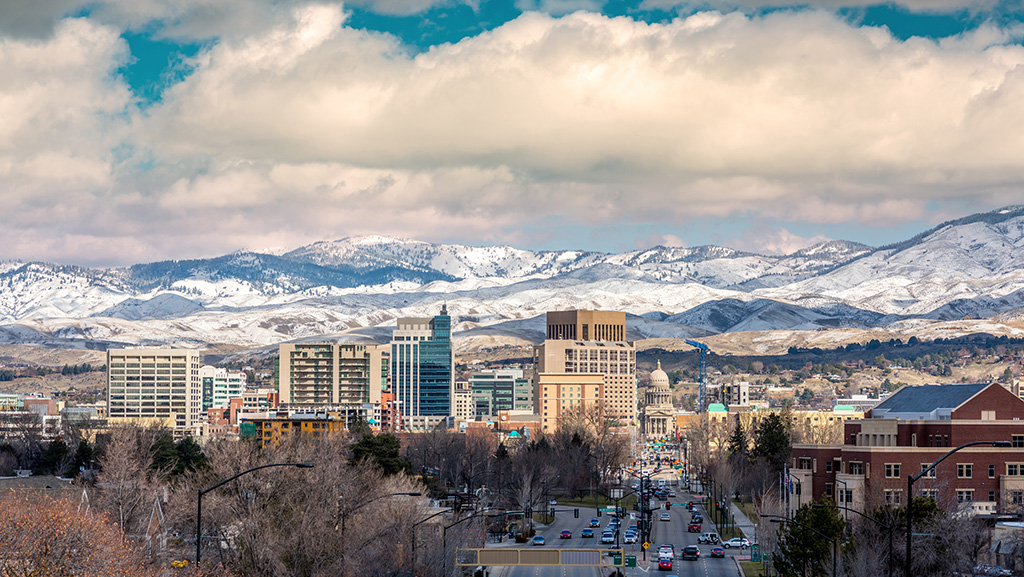
The Treasure Valley operates on a rhythm dictated by its geography. Because it sits at an elevation of approximately 2,700 feet, the city benefits from a unique microclimate that keeps it somewhat sheltered by the surrounding foothills and mountain ranges.
Spring: The Season of Awakening
Spring in Boise is often described as a period of rapid transition. Between March and May, the temperatures begin a steady climb, shaking off the residual frost of winter. During these months, daytime highs typically hover between 50°F and 70°F. This is an ideal time for visiting the Idaho Botanical Garden, as the blooming flora turns the local landscape into a vibrant canvas. While precipitation can be common during the spring, it is generally light, making it a perfect time for urban hiking in the Boise Foothills.
Summer: Golden Days and Cool Nights
Summer is arguably the most popular time for travelers to explore the region. From June through August, the sun dominates the sky, with temperatures frequently reaching the 80s and 90s. Despite the heat, the low humidity levels typical of a high-desert climate ensure that even the warmest afternoons feel manageable. Most importantly, the temperature drops significantly once the sun dips below the horizon, often falling into the 50s or 60s at night. This diurnal shift allows for comfortable evening dining along the Boise River Greenbelt.
Autumn: The Crisp Transition
As September arrives, the intensity of the summer heat dissipates. Autumn is often cited by locals as the most pleasant time of year. With cool, crisp mornings and sunny afternoons, it is the peak season for mountain biking and exploring nearby Bogus Basin. The foliage throughout the city, particularly in Julia Davis Park, provides a stunning display of gold and crimson, drawing photographers and outdoor enthusiasts alike.
Winter: The Snowy Embrace
Winters in this city are moderate but certainly festive. December and January bring cold temperatures, usually ranging from the mid-20s to the low 40s. While snow accumulation is not as heavy as it is in the neighboring Sawtooth Mountains, the city does receive enough to create a picturesque winter landscape. This is the time when residents head to the nearby ski resorts, embracing the colder weather as a gateway to winter sports.
Weather-Dependent Activities and Travel Planning

Planning your travel dates around the weather ensures that you can take full advantage of the specific attractions that make the United States Northwest so unique. Whether you are an adrenaline junkie or a leisure traveler, the seasonal variance here provides something for everyone.
Warm-Weather Adventures
If your objective is to enjoy the water, focus your trip between mid-June and early September. Floating the Boise River is a quintessential local activity during the heat of July and August. The water is refreshing, and the slow-moving currents provide a relaxing way to see the city from a different perspective. Additionally, the dry weather is perfect for exploring Camel’s Back Park, where the well-maintained trails offer panoramic views of the entire valley.
Cold-Weather Excursions
For those who prefer a winter wonderland, the period between January and March is optimal. The proximity of Bogus Basin means that even if the city center has only a light dusting of snow, you are only a short drive away from excellent skiing, snowboarding, and snowshoeing conditions. The infrastructure is well-prepared for winter travel, and the city maintains a cozy, hospitable atmosphere that is perfect for visiting indoor attractions like the Idaho State Museum.
Packing Tips for a High-Desert Climate
One of the most important aspects of traveling to this region is mastering the art of layering. Because the temperature can swing as much as 30 degrees from morning to afternoon, your wardrobe must be adaptable.
The Essential Layering Strategy
- Base Layers: Regardless of the season, a light, moisture-wicking base layer is beneficial. It helps regulate your body temperature during outdoor excursions in the foothills.
- Insulation: During the fall and winter, a high-quality fleece or a down jacket is mandatory. In the spring and summer, a simple light sweater or denim jacket will suffice for those chilly desert evenings.
- Outerwear: If visiting during the wetter months of spring, a water-resistant shell is a wise investment. The weather can change rapidly, and having a portable layer to protect against a sudden breeze or light sprinkle will keep your travel experience comfortable.
- Footwear: Because the terrain varies from paved paths like the Boise River Greenbelt to the rugged dirt trails of the Boise Foothills, versatile footwear is essential. A pair of supportive, broken-in walking shoes or light hiking boots will serve you well for the majority of your trip.

Seasonal Events and the Local Calendar
The climate directly influences the social calendar in Boise. Throughout the warmer months, the city comes alive with outdoor concerts, farmers’ markets, and festivals. The Capitol City Public Market is a cornerstone of the spring and summer experience, allowing visitors to sample local produce and artisanal goods in the open air.
As the weather cools, the focus shifts to indoor gatherings and holiday traditions. The lighting of the tree at the Idaho State Capitol is a focal point of the winter season, drawing residents and visitors together. By understanding the climate, you can align your visit with the events that best suit your interests, ensuring that you witness the city at its vibrant best.
Ultimately, whether you are seeking the scorching sunshine of a high-desert summer or the quiet, snow-covered beauty of a mountain winter, this destination offers a reliable and enjoyable climate. By preparing for the temperature fluctuations and staying informed about the seasonal shifts, travelers can maximize their enjoyment of this remarkable corner of Idaho. Every season here brings a new set of opportunities to experience the natural beauty, rich culture, and warm hospitality that define the city. Pack appropriately, keep an eye on the forecast, and prepare for a memorable journey into the heart of the Pacific Northwest.
LifeOutOfTheBox is a participant in the Amazon Services LLC Associates Program, an affiliate advertising program designed to provide a means for sites to earn advertising fees by advertising and linking to Amazon.com. Amazon, the Amazon logo, AmazonSupply, and the AmazonSupply logo are trademarks of Amazon.com, Inc. or its affiliates. As an Amazon Associate we earn affiliate commissions from qualifying purchases.