
California, the Golden State, is a land of dazzling diversity, not just in its landscapes and culture, but also in its weather patterns. From the sun-drenched beaches of Southern California to the majestic, snow-capped peaks of the Sierra Nevada, understanding the prevailing weather conditions is paramount for any traveler or resident looking to make the most of this expansive and varied state. This guide delves into the meteorological nuances across California, offering insights to help you plan your adventures and appreciate the unique climate of each region.
Understanding California’s Diverse Climates
California’s vast geographical expanse and varied topography create a remarkable tapestry of climates. The state stretches over 800 miles north to south, and its interior ranges from below sea level in the Death Valley National Park to over 14,000 feet in the Sierra Nevada. This dramatic elevation change, coupled with the moderating influence of the Pacific Ocean, results in distinct weather zones. Generally, California experiences a Mediterranean climate, characterized by warm, dry summers and mild, wet winters. However, this broad definition barely scratches the surface of the state’s microclimates.

Coastal Climate: The Pacific Influence
The California Coast enjoys a climate heavily influenced by the cool Pacific Ocean. This influence results in moderate temperatures year-round, with less extreme highs and lows compared to inland areas. Summer days are typically warm but rarely sweltering, thanks to the marine layer—a layer of low-lying clouds and fog that often blankets the coast in the mornings, burning off by the afternoon. This fog is particularly prevalent in cities like San Francisco, where it can persist throughout the day during certain times of the year. Winters along the coast are mild and wet, with rainfall concentrated between November and March. Snowfall is virtually nonexistent at sea level.
Coastal cities like Los Angeles, San Diego, and Santa Barbara offer pleasant weather for most of the year, making them perennial favorites for tourists. However, even here, subtle variations exist. Southern California’s coast generally enjoys warmer temperatures and more sunshine than its northern counterparts. For instance, a summer day in Santa Monica might be significantly warmer than a day in Eureka.
Inland Valleys and Deserts: Extremes of Heat and Cold
Moving inland, the moderating effect of the ocean diminishes, and temperatures can become much more extreme. The Great Central Valley experiences hot, dry summers with temperatures frequently soaring above 100°F (38°C). Winters are cooler, with occasional frosts and a higher chance of rain and fog. Cities like Fresno and Bakersfield are prime examples of this climate.
Further east lie California’s desert regions, including the vast Mojave Desert and the iconic Colorado Desert. These areas are characterized by scorching summers, where daytime temperatures can exceed 110°F (43°C) and even reach 120°F (49°C) in places like Palm Springs and Indio. Winters are pleasantly warm during the day but can dip to freezing temperatures at night. Rainfall is scarce throughout the year, making these regions arid and distinct.
Mountain Regions: Snow and Cooler Temperatures
The Sierra Nevada mountain range, a majestic backbone of California, presents a starkly different climate. At higher elevations, temperatures are significantly cooler year-round. Summers are pleasant and mild, ideal for hiking and outdoor activities in places like Yosemite National Park and Lake Tahoe. Winters, however, bring heavy snowfall, transforming these areas into winter wonderlands and popular destinations for skiing and snowboarding. Resorts like Mammoth Mountain and Palisades Tahoe rely heavily on these winter snowfalls. The precipitation here is vital, as it melts and feeds the state’s crucial water systems.
Seasonal Weather Patterns and What to Expect
California’s weather is best understood by examining its seasonal transitions. Each season brings its own unique characteristics and influences what activities are best suited for different parts of the state.
Spring (March – May): A Time of Transition and Blooming
Spring in California is a period of beautiful transition. The winter rains begin to taper off, and temperatures gradually warm. Coastal areas remain mild, with occasional spring showers. Inland valleys start to warm up considerably, and the deserts experience pleasant daytime temperatures before the intense summer heat sets in. Wildflowers bloom across the state, particularly in the southern and central regions, creating a spectacular display of color. This is an excellent time to visit areas like Anza-Borrego Desert State Park to witness the desert bloom. Mountain regions in the Sierra Nevada may still experience snow at higher elevations, with lower slopes becoming accessible for hiking.
Summer (June – August): Sunshine and Heat
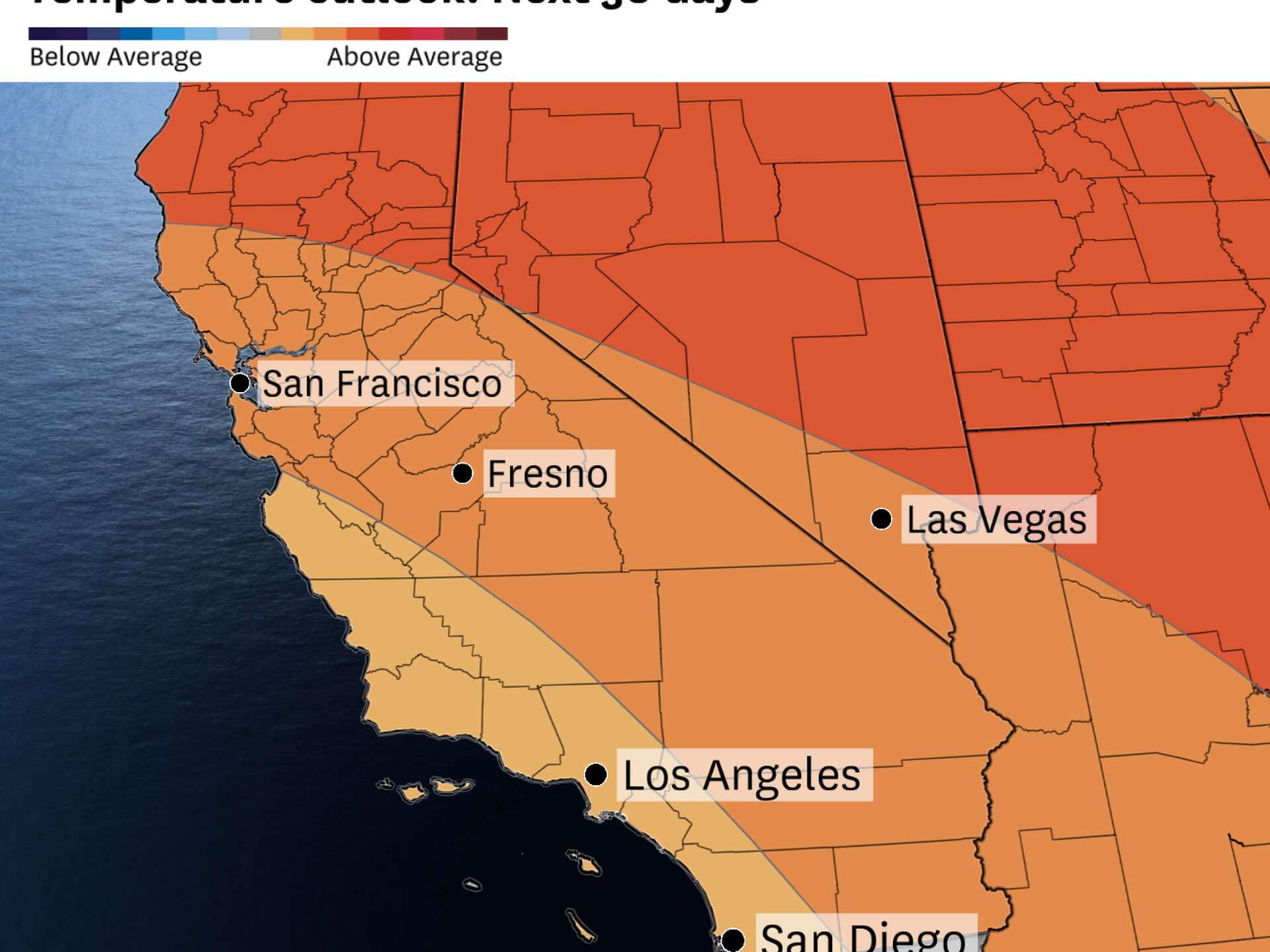
Summers in California are synonymous with sunshine, especially in the southern and inland regions. Coastal areas benefit from the marine layer, which keeps temperatures moderate, though it can be cooler than inland. This is the driest season for most of the state. Inland valleys and deserts experience intense heat, making it crucial to stay hydrated and seek shade during peak hours. The mountains offer a welcome respite from the heat, with perfect weather for outdoor adventures. However, the dry conditions also contribute to an increased risk of wildfires, particularly in the foothills and forested areas, which can affect air quality and travel plans.
Autumn (September – November): Crisp Air and Clear Skies
Autumn is often considered one of the most pleasant seasons in California. The intense heat of summer begins to recede, and the air becomes crisp and clear, especially in September and October. Coastal areas experience warm days and cooler nights, often with less fog than in summer. Inland areas see a significant drop in temperatures, making it ideal for outdoor activities that might have been too hot during summer. The mountains experience their first frosts and snow at the highest peaks. This season is also known for its beautiful fall foliage in certain areas, such as the Eastern Sierra. Rainfall typically begins to increase in late autumn, signaling the start of the wet season.
Winter (December – February): Rain and Snowfall
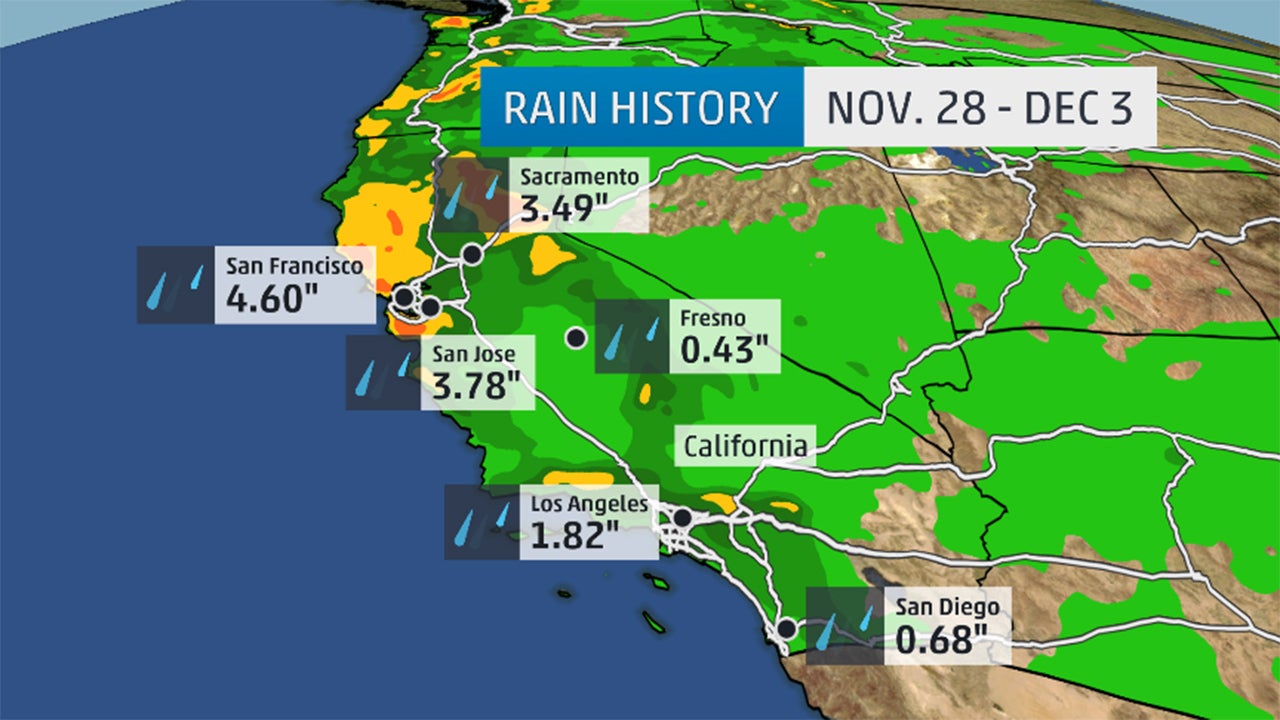
California’s winters are generally mild and wet, particularly along the coast and in the northern parts of the state. This is when most of the state’s annual precipitation occurs, replenishing reservoirs and vital water supplies. Inland valleys can experience cooler temperatures, occasional fog, and even frost. The mountain regions, however, receive significant snowfall, making them prime destinations for winter sports. Travelers heading to the Sierras during winter should be prepared for cold temperatures and potential road closures due to snow. While the south coast usually remains temperate and rain showers are common, it rarely snows at sea level.
Regional Weather Breakdowns for Planning Your Trip
To truly grasp California’s climatic diversity, it’s helpful to look at how the weather manifests in its key regions. This granular understanding can significantly enhance your travel planning and overall experience.
Southern California: Sunshine and Mediterranean Bliss
Southern California is often what comes to mind when people think of California weather. Its coastal cities, including Los Angeles, Orange County, and San Diego, enjoy a classic Mediterranean climate. Summers are warm and dry, with abundant sunshine and average temperatures in the 70s and 80s (°F). Winters are mild and wet, with temperatures rarely dropping below 50°F. The marine layer can provide a cooling effect in the mornings, especially during June and July, a phenomenon locals call “June Gloom” or “May Gray.” Inland areas, such as the Coachella Valley, experience much hotter summers and cooler winter nights.
Northern California: Fog, Redwoods, and Cooler Air
Northern California offers a more varied climate, with the iconic fog playing a significant role, particularly in the San Francisco Bay Area. Summers here are generally cooler and foggier than in the south, with temperatures often in the 60s and 70s (°F) along the coast. Inland, areas like Sacramento experience hotter summers and cooler, wetter winters. The northern coast, including regions near the Redwood National and State Parks, is characterized by mild, wet winters and cool, foggy summers. This climate is ideal for the lush redwood forests.
The Sierra Nevada and Mountains: Seasonal Extremes
The Sierra Nevada mountains are a world apart climatically. During summer, the high elevations offer cool, crisp air perfect for hiking and exploring national parks like Sequoia National Park and Kings Canyon National Park. Temperatures typically range from the 50s to the 70s (°F) during the day. Winters are cold and snowy, with significant accumulations transforming the landscape into a winter sports paradise. Lower elevations in the foothills will experience milder temperatures and less snow.
The Deserts: Arid Heat and Dramatic Nights
California’s desert regions, including Death Valley National Park, Joshua Tree National Park, and the areas around Palm Springs, are defined by their arid conditions. Summers are extremely hot, with daytime temperatures regularly exceeding 100°F (38°C) and often reaching 110-120°F (43-49°C). Water is scarce, and extreme caution is advised during these months. Winters are a stark contrast, with warm, sunny days and cool to cold nights, making it an ideal time to visit if you prefer to avoid the intense heat. Spring and autumn offer the most comfortable temperatures for exploring these unique landscapes.
By understanding these regional and seasonal variations, you can better plan your California adventure, whether you’re seeking sun-drenched beaches, snow-capped peaks, or desert serenity. Always check the most current weather forecasts for your specific destination as you prepare for your journey.
LifeOutOfTheBox is a participant in the Amazon Services LLC Associates Program, an affiliate advertising program designed to provide a means for sites to earn advertising fees by advertising and linking to Amazon.com. Amazon, the Amazon logo, AmazonSupply, and the AmazonSupply logo are trademarks of Amazon.com, Inc. or its affiliates. As an Amazon Associate we earn affiliate commissions from qualifying purchases.