
When planning a trip to the vibrant and sun-drenched city of Miami, understanding its weather patterns is paramount to ensuring an enjoyable experience. The allure of Miami lies not only in its stunning beaches and lively atmosphere but also in its consistently warm climate, which beckons travelers year-round. However, “warm” can encompass a spectrum, and the city experiences distinct seasons that influence everything from what to pack to what activities are best suited for your visit. This guide delves into the nuances of Miami‘s weather, offering insights to help you make the most of your travel, accommodation, and tourism endeavors.
Understanding Miami’s Tropical Climate
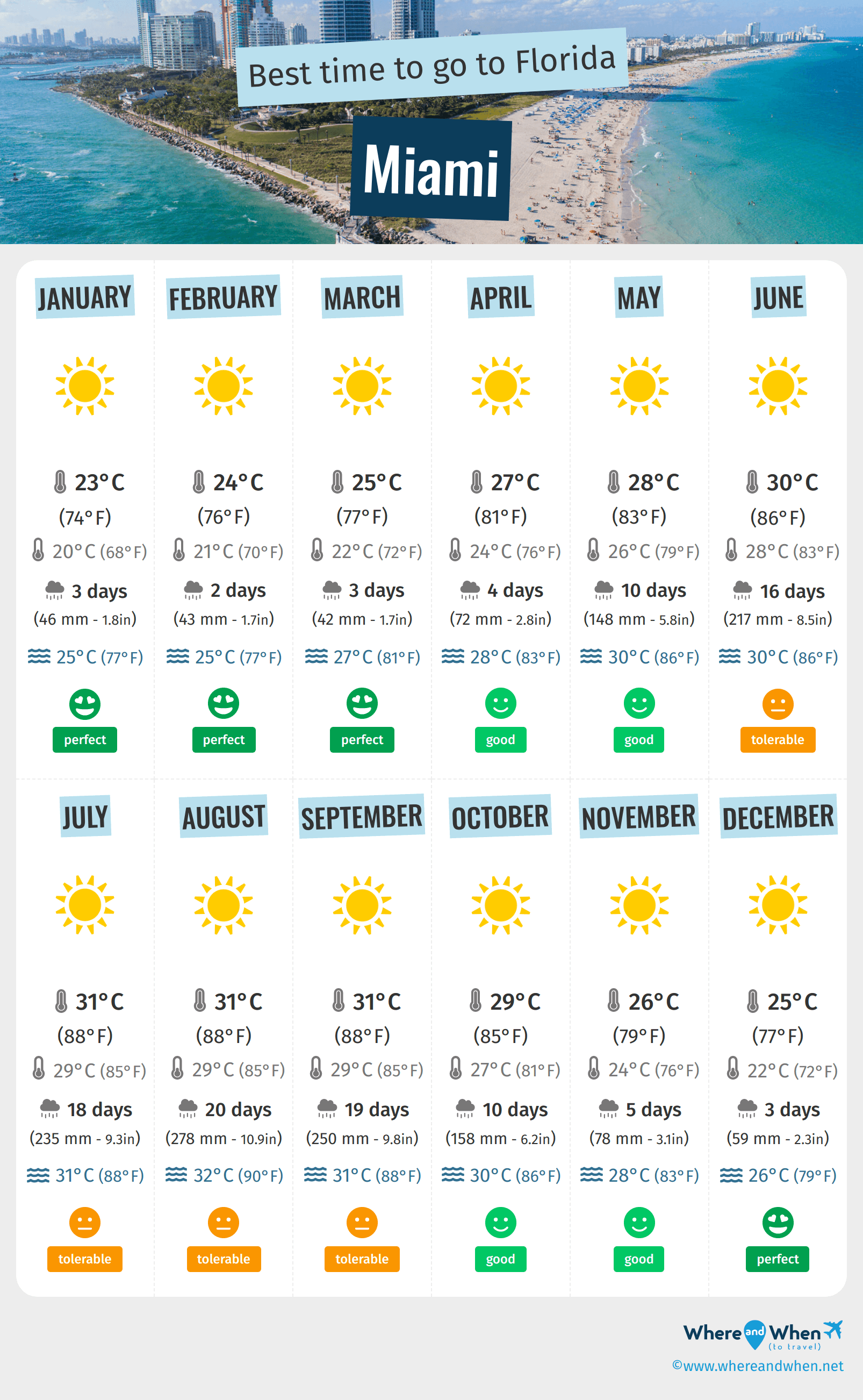
Miami boasts a tropical monsoon climate, characterized by hot, humid summers and warm, drier winters. This classification means that while temperatures are generally pleasant, the presence of significant rainfall, particularly during the summer months, is a key factor to consider. The city’s proximity to the ocean significantly moderates its temperatures, preventing the extreme highs and lows often found in continental climates.
Seasonal Breakdown:
The weather in Miami can be broadly divided into two main seasons: a wet season and a dry season.
The Wet Season (June to October)
This period is synonymous with summer and early autumn in Miami. It’s characterized by high temperatures, substantial humidity, and a significant chance of daily thunderstorms.
- Temperatures: Expect average high temperatures to hover around the high 80s to low 90s Fahrenheit (around 30-33 degrees Celsius). Nights offer little respite, with lows typically in the mid-70s Fahrenheit (around 24 degrees Celsius). The high humidity can make these temperatures feel even warmer, a phenomenon often referred to as the “heat index.”
- Rainfall: This is the wettest period, with Miami receiving a substantial portion of its annual rainfall during these months. Thunderstorms are common, often occurring in the afternoon. These storms are usually brief but intense, bringing heavy downpours and lightning. While they can disrupt outdoor plans temporarily, they often clear up as quickly as they arrive, leaving behind cooler, fresher air.
- Hurricane Season: It’s crucial to note that the wet season coincides with the Atlantic hurricane season, which officially runs from June 1st to November 30th. While the likelihood of a direct hurricane hit is relatively low, tropical storms and hurricanes can significantly impact travel plans, leading to flight cancellations, hotel evacuations, and widespread disruptions. It’s always advisable to monitor weather forecasts and have travel insurance that covers such events.
The Dry Season (November to May)
This period represents Miami‘s version of “winter” and “spring,” offering a more temperate and less humid climate.
- Temperatures: Temperatures during the dry season are significantly more comfortable. Average highs range from the mid-70s to low 80s Fahrenheit (around 24-28 degrees Celsius). Evenings can be cooler, with lows dropping into the 60s Fahrenheit (around 15-20 degrees Celsius), making it pleasant for exploring the city’s attractions and enjoying its nightlife.
- Rainfall: Rainfall decreases considerably during these months. While occasional showers can occur, they are far less frequent and intense than during the wet season. This makes the dry season ideal for extended outdoor activities, beach days, and exploring Miami‘s numerous landmarks and natural wonders without the constant threat of heavy rain.
- Breeze: The dry season often brings a refreshing ocean breeze, which helps to mitigate the warmth and enhance comfort, especially along the coastline.
Planning Your Miami Getaway: Weather-Informed Strategies
Understanding these seasonal nuances allows for strategic planning, whether you’re booking your accommodation, choosing your travel dates, or selecting activities. The weather plays a significant role in the overall experience of visiting Miami.
Peak Tourist Seasons and Weather Considerations
Miami attracts visitors throughout the year, but certain periods align with the most favorable weather conditions, leading to peak tourist seasons.
- Winter (December to February): This is arguably the most popular time to visit Miami. The weather is at its most pleasant, with warm sunshine, low humidity, and minimal rainfall. This makes it an ideal escape for those seeking to avoid colder climates. Consequently, hotel prices tend to be higher, and popular attractions can be more crowded. It’s an excellent time for beach activities, exploring areas like South Beach and the Art Deco Historic District, and enjoying outdoor dining.
- Spring (March to May): The spring months continue to offer fantastic weather, though temperatures begin to climb as summer approaches. Humidity is still relatively low, and rainfall is infrequent. This period is also popular, especially during Spring Break, which can bring a more energetic and sometimes rowdier crowd to areas like South Beach. It’s a great time for a variety of activities, from visiting Everglades National Park to enjoying cultural events.
- Fall (September to November): While the very beginning of fall (September and October) still falls within the wet and hurricane season, November marks a noticeable shift towards the drier, more pleasant weather. The crowds begin to thin out after the summer, and hotel rates may become more attractive. The weather in late fall is often a delightful blend of warmth and comfort, making it a good choice for a more relaxed visit.
Off-Season Advantages and Weather Realities
The “off-season” in Miami generally corresponds with the hottest and wettest months, from June to August, and the core of hurricane season.
- Summer (June to August): While the temperatures are high and humidity is at its peak, the summer months can offer some advantages for budget-conscious travelers. Hotel rates and flight prices may be lower. However, visitors must be prepared for frequent, intense thunderstorms and the ongoing risk of tropical weather disturbances. This is a time when indoor attractions, like the Perez Art Museum Miami or the shopping at Bayside Marketplace, become particularly appealing.
- Early Fall (September to October): These months present the highest risk of tropical storms and hurricanes. While you might find good deals on accommodation, travel plans can be significantly impacted. If traveling during this period, flexibility and robust travel insurance are essential. The weather can be very hot and humid, with heavy rainfall.
Packing and Preparing for Miami’s Climate
Your packing list should be tailored to the season you choose to visit Miami. Regardless of the time of year, however, some essentials remain constant.
Essential Items for Any Miami Trip:
- Lightweight Clothing: Think breathable fabrics like cotton and linen. T-shirts, shorts, sundresses, and light trousers are ideal.
- Swimwear: Essential for enjoying Miami‘s world-famous beaches and hotel pools, such as those found at the Fontainebleau Miami Beach.
- Sun Protection: A wide-brimmed hat, sunglasses, and high SPF sunscreen are non-negotiable to protect yourself from the intense Florida sun.
- Comfortable Footwear: You’ll likely do a lot of walking, whether exploring the streets of Wynwood or strolling along Ocean Drive. Comfortable sandals or walking shoes are a must.
- Rain Gear (especially during wet season): A lightweight, packable umbrella or a rain jacket is highly recommended for the frequent afternoon showers.
- Insect Repellent: Mosquitoes can be present, especially during the warmer, more humid months and near natural areas.
Season-Specific Packing Adjustments:
- Dry Season (November to May): You might want to pack a light jacket or sweater for the cooler evenings. Long-sleeved shirts can also be useful for sun protection during the day.
- Wet Season (June to October): Focus on quick-drying fabrics. Consider packing waterproof sandals or shoes. An umbrella is crucial.
Activities and Attractions: Embracing the Weather
The weather in Miami influences the types of activities and attractions that are most enjoyable.
Outdoor Adventures and Weather Compatibility:
Miami is an outdoor paradise. During the dry season, you can fully embrace activities like:
- Beach Days: Relaxing on the sands of South Beach, Mid-Beach, or North Beach.
- Water Sports: Kayaking, paddleboarding, jet skiing, and boat tours in Biscayne Bay.
- Exploring Neighborhoods: Walking tours through areas like Little Havana and the Design District.
- Visiting Parks: Enjoying the greenery at Bayfront Park or exploring the unique ecosystems of the Everglades National Park.
- Outdoor Dining: Savoring Miami‘s diverse culinary scene at sidewalk cafes and restaurants.
During the wet season, while outdoor activities are still possible, it’s wise to have a backup plan.
- Embrace the Thunderstorms: Sometimes, a brief afternoon thunderstorm can be an exciting spectacle. Seek shelter in a cafe or museum and enjoy the dramatic skies.
- Indoor Attractions: This is the perfect time to explore Miami‘s world-class museums, such as the Phillip and Patricia Frost Museum of Science, art galleries, or shopping malls like Aventura Mall.
- Covered Areas: Many attractions offer covered walkways or indoor sections, allowing you to enjoy them even during a downpour.

Accommodation Choices and Weather
Your choice of accommodation can also be influenced by the weather and your tolerance for heat and humidity.
- Beachfront Resorts: For the ultimate beach experience, resorts like the Fontainebleau Miami Beach or the Faena Hotel Miami Beach offer direct access to the sand and stunning ocean views. These are particularly enjoyable during the dry season.
- City Hotels: Hotels in downtown Miami or the Brickell area provide easy access to business districts, cultural institutions, and a vibrant nightlife. Many offer excellent rooftop pools and bars, which are enjoyable in most weather, though more so when it’s not excessively hot or raining.
- Vacation Rentals and Apartments: For longer stays or families, renting an apartment or villa can offer more space and amenities, like kitchens, which can be helpful during the wetter months for preparing meals. Consider locations that are close to indoor activities or offer good public transport access.
- Eco-Lodges and Nature Retreats: If your travel plans include extensive exploration of areas like the Everglades, consider accommodations that offer guided tours or easy access to natural landscapes. These might be more appealing during the drier, cooler months.
By considering Miami‘s distinct weather patterns, you can move beyond simply asking “What’s the weather in Miami?” to truly understanding how to leverage its climate for an unforgettable journey. Whether you’re seeking sun-drenched relaxation, cultural immersion, or adventurous exploration, a little weather-savvy planning will ensure your Miami adventure is perfectly aligned with the tropical rhythm of the Sunshine State.
LifeOutOfTheBox is a participant in the Amazon Services LLC Associates Program, an affiliate advertising program designed to provide a means for sites to earn advertising fees by advertising and linking to Amazon.com. Amazon, the Amazon logo, AmazonSupply, and the AmazonSupply logo are trademarks of Amazon.com, Inc. or its affiliates. As an Amazon Associate we earn affiliate commissions from qualifying purchases.