
When planning a trip to the theme park capital of the world, knowing what the weather has in store is paramount. While a precise, real-time forecast for “today” can be found with a quick search, understanding the broader climate patterns of Orlando, Florida, is far more valuable for any discerning traveler. Orlando’s weather is a significant character in the story of your vacation, influencing everything from your packing list to your daily itinerary, and ultimately, your overall experience. This guide delves into the subtropical rhythms that define the city’s climate, offering insights to help you navigate its sunny days, humid summers, and occasional surprises.

Understanding Orlando’s Climate: A Traveler’s Guide
Orlando is nestled in a humid subtropical zone, characterized by long, hot, and humid summers, and short, mild, and relatively dry winters. This translates to an environment where sunshine is abundant for much of the year, but also one prone to afternoon thunderstorms, especially during the warmer months. For travelers, this means preparing for warmth and humidity is almost always a good idea, even if the specific daily forecast calls for a slight deviation.
The Subtropical Reality
The pervasive humidity is perhaps the most defining characteristic of Orlando’s climate, particularly from May through October. This isn’t just about feeling sticky; it impacts how hot the air feels, how quickly you might tire, and how effective your cooling strategies need to be. Coupled with high temperatures, the heat index can often push into triple digits. The sun in Florida is also famously intense, making sun protection a non-negotiable part of your daily routine. UV indices are frequently high, even on cloudy days, necessitating diligent application of sunscreen, wearing wide-brimmed hats, and seeking shade whenever possible.
Precipitation in Orlando follows a distinct seasonal pattern. The wet season aligns with summer, bringing frequent, often intense, but typically short-lived afternoon thunderstorms. These showers provide a brief cool-down and often pass as quickly as they arrive, allowing outdoor activities to resume. While these can be inconvenient for theme park visitors, many locals and seasoned travelers embrace them as an expected part of the Florida experience, often using the downtime to grab a bite or enjoy an indoor attraction. The dry season, running from November to April, sees significantly less rainfall, contributing to the popularity of Orlando as a winter escape.
Seasonal Variations for Planning Your Trip
Understanding the nuances of each season is crucial for optimizing your Orlando adventure:
- Summer (June-September): This is Orlando’s peak heat and humidity season, with daily highs consistently in the high 80s to low 90s Fahrenheit (30-35°C), often feeling much hotter. Afternoon thunderstorms are almost a daily occurrence, usually rolling in between 2 PM and 5 PM. This period also coincides with the Atlantic hurricane season, which officially runs from June 1st to November 30th, with peak activity typically from August through October. While direct hurricane strikes on Orlando are rare due to its inland location, tropical systems can bring extended periods of heavy rain and strong winds. Travelers during this time should monitor forecasts closely, especially from reliable sources like the National Hurricane Center.
- Fall (October-November): A beautiful transition period. Early fall can still feel very much like summer, but by late October and November, temperatures begin to moderate, and humidity levels drop considerably. Daily highs typically range from the low to mid-80s Fahrenheit (27-30°C) early in the season, cooling to the mid-70s (24°C) by November. Rainfall decreases significantly, making this a highly desirable time to visit, especially for those who prefer cooler, drier weather.
- Winter (December-February): Orlando’s mildest season, offering a pleasant respite from colder climates. Daily highs are often in the low to mid-70s Fahrenheit (21-24°C), with cooler evenings dropping into the 50s (10-15°C). While rare, cold fronts can bring temperatures down to the 30s or 40s Fahrenheit (0-10°C) for a few days, so packing layers is advisable. This is the driest time of year, with very low chances of rain.
- Spring (March-May): Generally considered one of the best times to visit. The weather is warm but not excessively hot, with increasing sunshine and relatively low humidity. Daily highs typically climb from the mid-70s to low 80s Fahrenheit (24-29°C). Rainfall is still infrequent compared to summer, making for mostly clear, comfortable days. As May approaches, temperatures and humidity begin to rise, signaling the transition back to summer conditions.
Preparing for Orlando’s Weather: Packing Essentials & Activities
Armed with an understanding of Orlando’s climate, you can now fine-tune your packing and planning to ensure maximum comfort and enjoyment.
Summer Strategies: Heat, Humidity, and Hurricanes
For summer visits, your packing strategy should prioritize lightweight, breathable fabrics like cotton or moisture-wicking synthetics. Loose-fitting clothing will be your best friend. Sun protection is critical:
- Sunscreen: A high SPF is essential and should be reapplied frequently, especially after swimming or sweating.
- Hats & Sunglasses: A wide-brimmed hat offers superior face and neck protection, while good quality sunglasses protect your eyes from intense UV rays.
- Water Bottles: Staying hydrated is non-negotiable. Many theme parks offer free ice water, so bringing a refillable bottle is both eco-friendly and practical.
- Rain Gear: Despite the heat, don’t forget light rain ponchos or a compact umbrella. They’re invaluable for those sudden afternoon downpours, especially in outdoor attractions like Walt Disney World Resort or Universal Orlando Resort.
- Cooling Towels: These can provide instant relief from the heat.
- Footwear: Comfortable, broken-in walking shoes are a must, ideally quick-drying if you plan on water rides or unexpected rain. Consider bringing a second pair in case one gets soaked.
Activity planning during summer should factor in the heat. Start your days early to tackle outdoor attractions before the midday sun peaks. Utilize indoor shows, air-conditioned restaurants, and water parks (like Volcano Bay at Universal Orlando Resort or the water parks at Walt Disney World Resort) during the hottest part of the day. Afternoon thunderstorms often mean shorter lines for outdoor rides once they pass, so don’t let them derail your entire day.

Winter Wonders: Mild Days and Cooler Evenings
Winter visits require a more versatile wardrobe. While days are often gloriously mild, evenings can get genuinely cool, sometimes even chilly. Layers are key:
- Light to Medium Jacket or Sweater: Essential for evenings, early mornings, and air-conditioned indoor spaces.
- Long Pants and Shorts: Bring a mix to accommodate fluctuating daytime temperatures.
- Closed-Toe Shoes: While sandals are fine for warmer days, closed-toe shoes will be more comfortable for cooler evenings and mornings.
- Scarf or Light Gloves (Optional): For those rare cold snaps, these can make a big difference, especially if you’re sensitive to cold.
Winter is perfect for exploring Orlando’s outdoor attractions without the oppressive heat. Enjoy longer strolls around Lake Eola Park, extended time in the theme parks, or even day trips to coastal areas like the Kennedy Space Center Visitor Complex. Crowds can be heavier during holiday periods, but the comfortable weather often compensates.
Spring and Fall: The Golden Months
These shoulder seasons often offer the best balance of pleasant temperatures and lower humidity, making them ideal for all types of travelers. Packing should reflect this balance:
- Mix of Shorts and Light Pants: Prepare for warm days and potentially cooler evenings.
- Light Jacket or Cardigan: Handy for mornings and evenings.
- Swimwear: The weather is usually warm enough for swimming, especially later in spring and earlier in fall.
- Standard Sun Protection: Always a must in Florida.
These months are excellent for hitting the theme parks, exploring International Drive’s myriad attractions, or taking scenic drives to nearby destinations like St. Augustine without the extreme weather considerations of summer or the slight chill of winter.
Beyond the Forecast: How Weather Shapes Your Orlando Experience
The weather in Orlando doesn’t just dictate what you wear; it profoundly influences the flow of your vacation. Smart travelers leverage weather patterns to enhance their trip.
Theme Park Preparedness
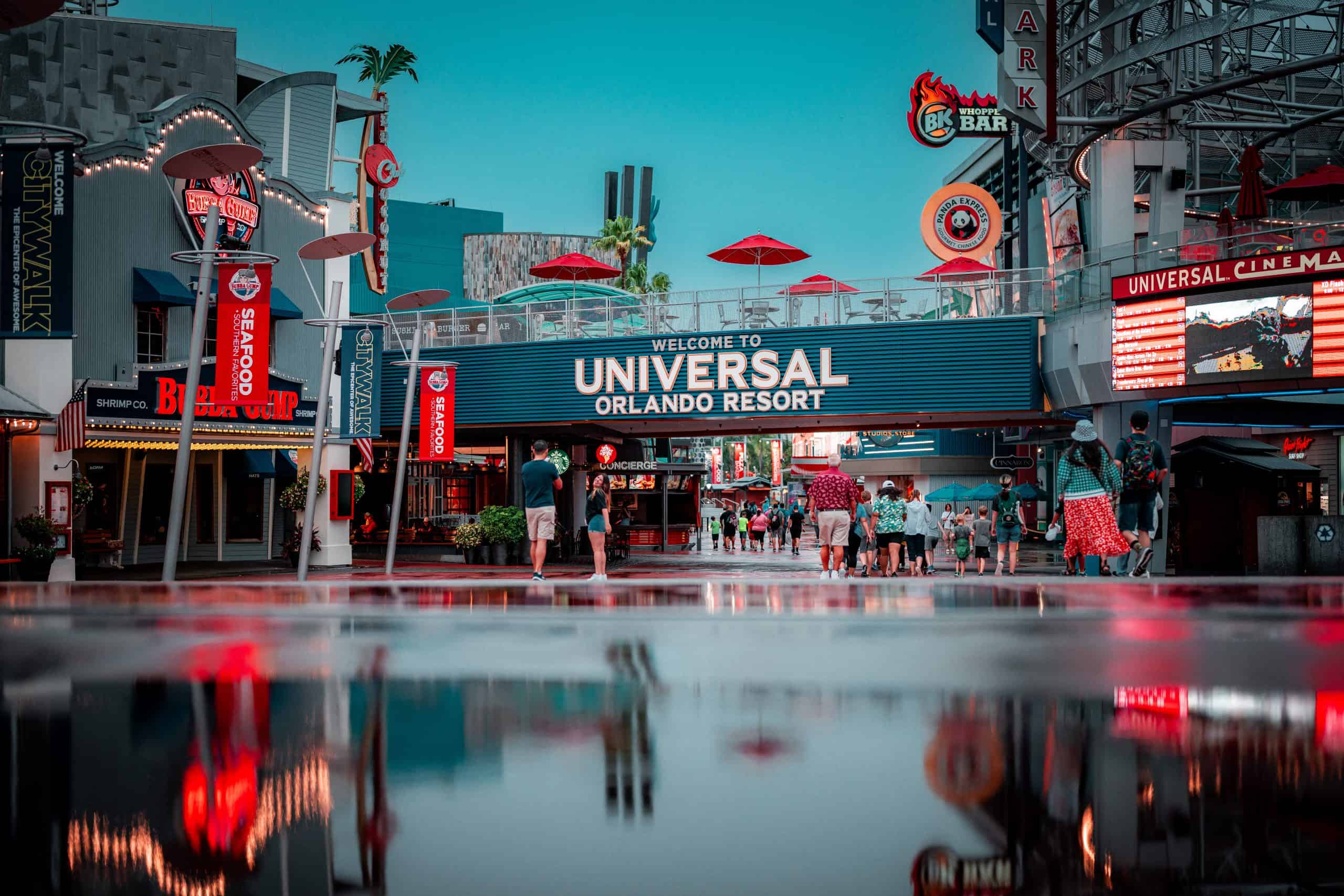
Orlando’s world-famous theme parks, including Walt Disney World Resort (home to Magic Kingdom, Epcot, Hollywood Studios, and Animal Kingdom) and Universal Orlando Resort (featuring Universal Studios Florida and Islands of Adventure), are designed to operate in various weather conditions. Many queues are covered, and numerous attractions are indoors, offering respite from rain or sun. However, intense lightning can temporarily halt outdoor rides and parades. Having a “rain plan” or a strategy for dealing with heat is crucial.
- Take Midday Breaks: Head back to your hotel for a swim or a nap, or enjoy a long, air-conditioned meal.
- Embrace Water Rides: On hot days, rides at Universal Orlando Resort like Jurassic Park River Adventure or Popeye & Bluto’s Bilge-Rat Barges offer a welcome splash.
- Utilize Park Apps: Most major parks have apps that provide real-time updates on ride closures, showtimes, and even indoor attraction wait times, helping you adapt to changing weather conditions on the fly.
- Consider SeaWorld Orlando or LEGOLAND Florida Resort: These parks also have excellent indoor shows and exhibits that are perfect for ducking out of the rain or sun.
Outdoor Adventures and Rainy Day Alternatives
Beyond the theme parks, Orlando offers a wealth of outdoor activities, from airboat rides to exploring natural springs. Your enjoyment of these will be highly weather-dependent. Cooler, drier months are ideal for hiking, cycling, or spending extended time on golf courses. Summer, with its heat and rain, pushes many toward water-centric activities or indoor alternatives.
- Museums and Galleries: Orlando boasts a growing arts and culture scene, with excellent museums that provide a perfect rainy-day refuge.
- Shopping: From premium outlets to expansive malls, retail therapy is always an option.
- Dinner Shows and Indoor Entertainment: There are countless options for evening entertainment that are climate-controlled.
- Spa Days: A relaxing spa treatment is a wonderful way to escape the elements and rejuvenate.
Real-time Weather Resources for Your Orlando Vacation
While this guide offers a foundational understanding of Orlando’s climate, always check current forecasts as your trip approaches and during your stay. Reliable sources include:
- National Weather Service (NWS): Provides detailed forecasts, severe weather alerts, and marine forecasts for coastal areas.
- Reputable Weather Apps: Most major weather apps offer highly localized forecasts, radar, and hourly predictions.
- Local News Channels: Orlando’s local news stations are excellent sources for up-to-the-minute weather, especially during hurricane season.
By combining this general knowledge with real-time updates, you’ll be well-prepared to make the most of your Orlando adventure, whatever the weather “today” brings. Planning proactively for the climate will ensure your focus remains on creating unforgettable memories in the heart of Florida.
LifeOutOfTheBox is a participant in the Amazon Services LLC Associates Program, an affiliate advertising program designed to provide a means for sites to earn advertising fees by advertising and linking to Amazon.com. Amazon, the Amazon logo, AmazonSupply, and the AmazonSupply logo are trademarks of Amazon.com, Inc. or its affiliates. As an Amazon Associate we earn affiliate commissions from qualifying purchases.