
When planning a trip to Phoenix, Arizona, understanding the local weather is paramount to a successful and enjoyable travel experience. While “today’s” weather is a snapshot, it’s crucial for travelers to grasp the broader climatic patterns of the Sonoran Desert to truly prepare. Phoenix, often called the “Valley of the Sun,” is renowned for its abundant sunshine, warm temperatures, and arid conditions. Today, like most days, visitors can likely expect clear skies and pleasant warmth, a hallmark of the city’s appeal, especially during the peak tourist seasons. However, this seemingly consistent forecast masks significant seasonal variations that dictate everything from suitable activities to essential packing choices. A deep dive into Phoenix’s climate goes beyond a single day’s reading; it’s about anticipating the desert’s embrace, whether it’s the intense heat of summer or the mild, inviting warmth of winter, ensuring travelers can fully immerse themselves in what this vibrant desert metropolis has to offer. From hiking the iconic Camelback Mountain to exploring the serene Desert Botanical Garden, weather plays a pivotal role in shaping your itinerary and overall enjoyment.

Understanding Phoenix’s Unique Climate for Travelers
Phoenix’s climate is distinct, defined by its arid desert environment and subtropical hot desert classification. This translates to extremely hot summers and mild, warm winters, with very low humidity for much of the year. For travelers, this means sun protection is a year-round necessity, and hydration is always key. The city boasts an average of 300 sunny days annually, making it a reliable destination for those seeking warmth and clear skies. While the daily forecast might simply state “sunny and warm,” the nuanced understanding for a traveler involves recognizing the typical diurnal temperature swings, where daytime highs can be significantly warmer than nighttime lows, particularly in the spring and fall. This swing often makes mornings and evenings incredibly pleasant, even if midday temperatures are high.
The dry heat of Phoenix feels different from humid heat. While summer temperatures can soar above 100°F (38°C), the lack of humidity means sweat evaporates quickly, providing a cooling effect that can be deceptive. Travelers unfamiliar with desert climates might underestimate the impact of prolonged sun exposure and high temperatures. Air conditioning is ubiquitous and essential in all indoor establishments, from hotels to restaurants and museums. The rare phenomenon of the monsoon season, typically from July through mid-September, introduces a different weather dynamic, with increased humidity, spectacular thunderstorms, and occasional flash floods. This period, while less common for peak tourism, offers a dramatic display of nature’s power and can impact outdoor activities. Understanding these fundamental climatic characteristics is the first step in planning any successful trip to Phoenix, guiding decisions on when to visit and what to pack.
The Influence of the Sonoran Desert
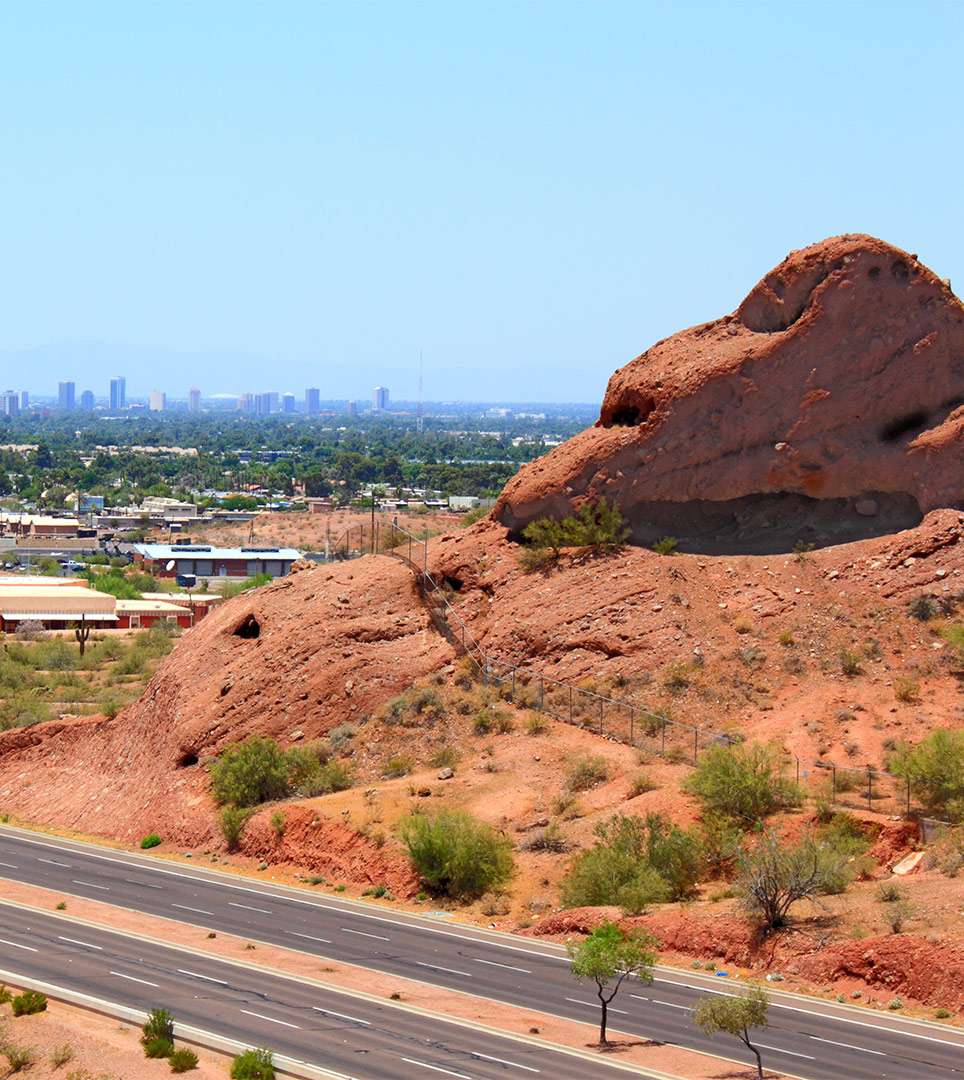
The Sonoran Desert profoundly shapes Phoenix’s weather and, consequently, the travel experience. This unique ecosystem is one of the hottest and largest deserts in North America, yet it is also remarkably biodiverse. The desert landscape means vast, open spaces, clear skies, and a distinct lack of natural shade outside of specific riparian areas or mountainous terrain. For travelers, this implies that outdoor activities, particularly hiking and exploring natural parks like South Mountain Park and Preserve, need careful scheduling to avoid the hottest parts of the day. The desert’s aridity also means that any rainfall, even during the monsoon season, can quickly lead to dry riverbeds becoming torrents, a hazard to be aware of if exploring remote areas. The low humidity for much of the year contributes to the stunning sunsets and star-filled nights that are a major draw for visitors, offering perfect conditions for evening strolls or stargazing tours away from city lights. The flora and fauna, from saguaro cacti to roadrunners, are adapted to these conditions, providing unique photographic opportunities and insights into desert life that are best enjoyed when the weather is accommodating.
Seasonal Weather in Phoenix: A Traveler’s Guide
Each season in Phoenix presents a different facet of its desert charm, directly influencing what travelers can expect and how they should plan. Choosing the right time to visit based on your preferred activities is crucial.
Winter (December – February)
Winter is Phoenix’s peak tourist season, and for good reason. The weather is consistently mild, sunny, and delightful. Daytime temperatures typically range from the mid-60s to low 70s°F (18-24°C), with crisp, cool evenings dropping into the 40s°F (4-9°C). This is the ideal time for outdoor activities such as hiking, golfing, and exploring the city’s many outdoor attractions without the oppressive heat. Events like the Waste Management Phoenix Open draw crowds. Travelers should pack layers, including light jackets or sweaters for mornings and evenings, alongside lighter clothing for the daytime. While rain is infrequent, it’s not unheard of, so a light waterproof jacket could be useful. This season is perfect for snowbirds escaping colder climates, offering a vibrant, active atmosphere.
Spring (March – May)
Spring is arguably one of the best times to visit Phoenix, offering a sweet spot before the intense summer heat sets in. Temperatures steadily rise from the 70s°F (21-26°C) in March to the high 80s or low 90s°F (30-35°C) by May. The desert flora bursts into bloom, transforming the landscape with vibrant wildflowers and blossoming cacti, making visits to the Desert Botanical Garden or scenic drives particularly rewarding. This is still an excellent time for outdoor adventures, though it’s wise to schedule them for earlier in the day as May approaches. Packing light clothing, hats, and plenty of sunscreen is essential. Spring also sees various festivals and events, including baseball’s Spring Training, drawing sports enthusiasts.
Summer (June – September)
Summer in Phoenix is characterized by intense heat, with daily temperatures often exceeding 100°F (38°C) and frequently reaching 110°F (43°C) or higher in July and August. This is the off-peak season for tourism, which means lower prices for accommodations and fewer crowds. While outdoor activities are challenging during midday, many resorts offer refreshing pools and indoor attractions provide a cool escape. The monsoon season typically arrives in July and August, bringing dramatic but often brief thunderstorms, which can be a spectacle in themselves. Travelers during this period should focus on indoor activities such as visiting the Heard Museum or the Musical Instrument Museum, enjoying early morning hikes, or poolside relaxation. Hydration is critical, and light, breathable clothing, hats, and sunglasses are non-negotiable. Many locals and seasoned travelers embrace the early mornings or late evenings for outdoor pursuits.
Fall (October – November)
Fall is another fantastic time to visit Phoenix, as the scorching summer heat begins to subside, giving way to pleasant, warm days. October sees temperatures in the 80s°F (27-32°C), cooling down to the 70s°F (21-26°C) by November. The desert air becomes crisp and dry again, making it ideal for exploring outdoor attractions, golfing, and enjoying patio dining. Like spring, fall offers beautiful weather for hiking and discovering the natural beauty of the region without the extreme temperatures of summer or the heavier crowds of winter. Packing similar to spring – light layers, sun protection – is recommended. This season is perfect for those who want to experience Phoenix’s outdoor lifestyle without the peak-season bustle.
Preparing for Phoenix Weather: Essential Packing and Health Tips
Travel to Phoenix requires thoughtful preparation, regardless of the season, due to its unique desert climate. The key is to protect yourself from the sun and stay hydrated.
Smart Packing Strategies
For most of the year, light, breathable clothing made from natural fabrics like cotton or linen is advisable. Long sleeves and pants, surprisingly, can offer better sun protection than shorts and tank tops, especially for those prone to sunburn. A wide-brimmed hat is an absolute must, providing shade for your face, ears, and neck. High-SPF sunscreen should be applied liberally and frequently, even on cloudy days, as UV rays are potent. Sunglasses are also essential to protect your eyes from the intense glare. In winter and cooler parts of spring/fall, layers are your friend: pack a light jacket, sweater, or fleece for cooler mornings and evenings, which can contrast sharply with warm daytime temperatures. Comfortable walking shoes are always recommended, especially if you plan to explore the city on foot or hike the numerous trails. Swimwear is practically a year-round necessity, as most hotels and resorts in Phoenix feature pools.
Health and Safety in the Desert Sun
Hydration is paramount in Phoenix’s arid climate. Even in cooler months, the dry air can lead to rapid dehydration. Always carry a reusable water bottle and refill it frequently. Many establishments offer water stations, and it’s advisable to drink more water than you typically would. Avoid strenuous outdoor activities during the hottest parts of the day, particularly in summer (between 10 AM and 4 PM). If you must be outside, seek shade, take frequent breaks, and monitor yourself and your companions for signs of heat exhaustion or heatstroke. Symptoms include dizziness, nausea, headache, excessive sweating (or lack thereof in severe cases), and confusion. Children and the elderly are particularly vulnerable.
For those planning to hike, especially in rugged areas like Camelback Mountain, inform someone of your route and expected return time. Carry extra water, a fully charged phone, and wear appropriate footwear. Be aware of desert wildlife, including snakes and scorpions, which are generally shy but can be encountered, especially during cooler parts of the day or near water sources. Familiarize yourself with trail markers and do not wander off marked paths. By taking these precautions, travelers can safely enjoy the stunning natural beauty and outdoor recreation Phoenix offers year-round.
Maximizing Your Phoenix Experience: Weather-Dependent Activities
Phoenix’s diverse climate means that successful travel planning involves aligning your activities with the prevailing weather. From outdoor adventures to indoor cultural explorations, there’s always something to do, provided you plan wisely.
Outdoor Adventures in Cooler Months
The mild winters and pleasant spring/fall seasons are prime time for embracing Phoenix’s outdoor lifestyle. This is when hiking trails at Camelback Mountain, South Mountain Park and Preserve, or the Phoenix Mountains Preserve are bustling. Golf courses, like those in nearby Scottsdale, are immaculate and inviting. Cycling, horseback riding, and exploring the Desert Botanical Garden are also popular. Evenings are perfect for outdoor dining on a patio, enjoying the city’s vibrant culinary scene under clear, starry skies. Consider a hot air balloon ride at sunrise for breathtaking panoramic views of the desert landscape. Trips to nearby attractions like Sedona or even the Grand Canyon are more comfortable when temperatures are moderate.

Indoor Escapes During Hotter Periods
When the summer sun is at its fiercest, Phoenix offers a wealth of air-conditioned indoor attractions. Delve into the rich history and culture of the Southwest at the Heard Museum, home to impressive collections of Native American art and artifacts. The Musical Instrument Museum provides a captivating journey through global music history with interactive exhibits. Art enthusiasts can explore numerous galleries throughout Phoenix and Scottsdale. Families can enjoy the Arizona Science Center or the Children’s Museum of Phoenix. Sports fans can catch a Diamondbacks game at Chase Field, an air-conditioned stadium, or attend events at State Farm Stadium. Of course, resort pools remain a popular daytime retreat, offering refreshing dips and shaded cabanas. Evenings in summer can still be pleasant for outdoor dining once the sun sets, but always check the forecast.
Ultimately, whether you’re seeking a winter escape or a summer adventure, understanding Phoenix’s weather patterns is fundamental to crafting an itinerary that maximizes comfort and enjoyment. By preparing for the specific seasonal conditions, travelers can fully appreciate the unique beauty and diverse attractions of this remarkable desert city, making every “today” a perfect day for exploration.
LifeOutOfTheBox is a participant in the Amazon Services LLC Associates Program, an affiliate advertising program designed to provide a means for sites to earn advertising fees by advertising and linking to Amazon.com. Amazon, the Amazon logo, AmazonSupply, and the AmazonSupply logo are trademarks of Amazon.com, Inc. or its affiliates. As an Amazon Associate we earn affiliate commissions from qualifying purchases.