
Planning a trip to the heart of the American Midwest requires a thorough understanding of the local climate, especially when your destination is a vibrant hub like Wichita. Situated along the banks of the Arkansas River, Kansas experiences a classic continental climate characterized by distinct seasons, sweeping temperature swings, and an abundance of sunshine. Whether you are traveling for business, exploring local museums, or attending an outdoor festival, knowing what to expect from the skies above will ensure your itinerary runs smoothly.
Understanding the Four Distinct Seasons in Wichita
The atmospheric rhythm of Wichita is defined by four dynamic seasons, each bringing its own visual landscape and atmospheric quirks. From crisp autumn mornings to sun-drenched summer afternoons, the city transitions dramatically throughout the year.

Spring Awakenings and Variable Skies
As winter recedes, Wichita welcomes spring with a mix of gentle breezes and sudden atmospheric drama. Temperatures during March, April, and May range from cool highs in the 50s to comfortable warmth in the high 70s. However, spring is also the start of the convective season in the Great Plains. Visitors exploring the sprawling grounds of the Botanica The Wichita Gardens or strolling through Old Town Wichita should keep an eye on the horizon. Rain showers are common, and the region occasionally experiences thunderstorms as warm Gulf moisture collides with cooler northern air masses.
Summers of Sunshine and Warmth
Summers in Kansas are unapologetically warm and bright. Spanning from June through August, daytime highs frequently soar above 90 degrees Fahrenheit. Humidity levels remain moderate, but the sun beats down relentlessly on open-air attractions like the Sedgwick County Zoo and the Keeper of the Plains monument. Mornings and evenings offer the best window for outdoor recreation, while midday heat calls for air-conditioned sanctuaries like the Wichita Art Museum. Pack lightweight fabrics, sunglasses, and plenty of sunscreen if you plan to visit during these peak months.
Autumnal Relief and Vibrant Foliage
September through November brings a welcome respite from the summer heat. Autumn in Wichita is widely considered one of the most pleasant times to visit. Daytime temperatures comfortably hover in the 60s and 70s, accompanied by crisp, clear nights. The changing leaves paint the local parks and residential neighborhoods in brilliant shades of amber and gold, making it an ideal season for walking tours or exploring the historic Cowtown. Precipitation is generally lower during these months, though occasional brisk winds signal the slow approach of winter.
Winters of Frost and Snow
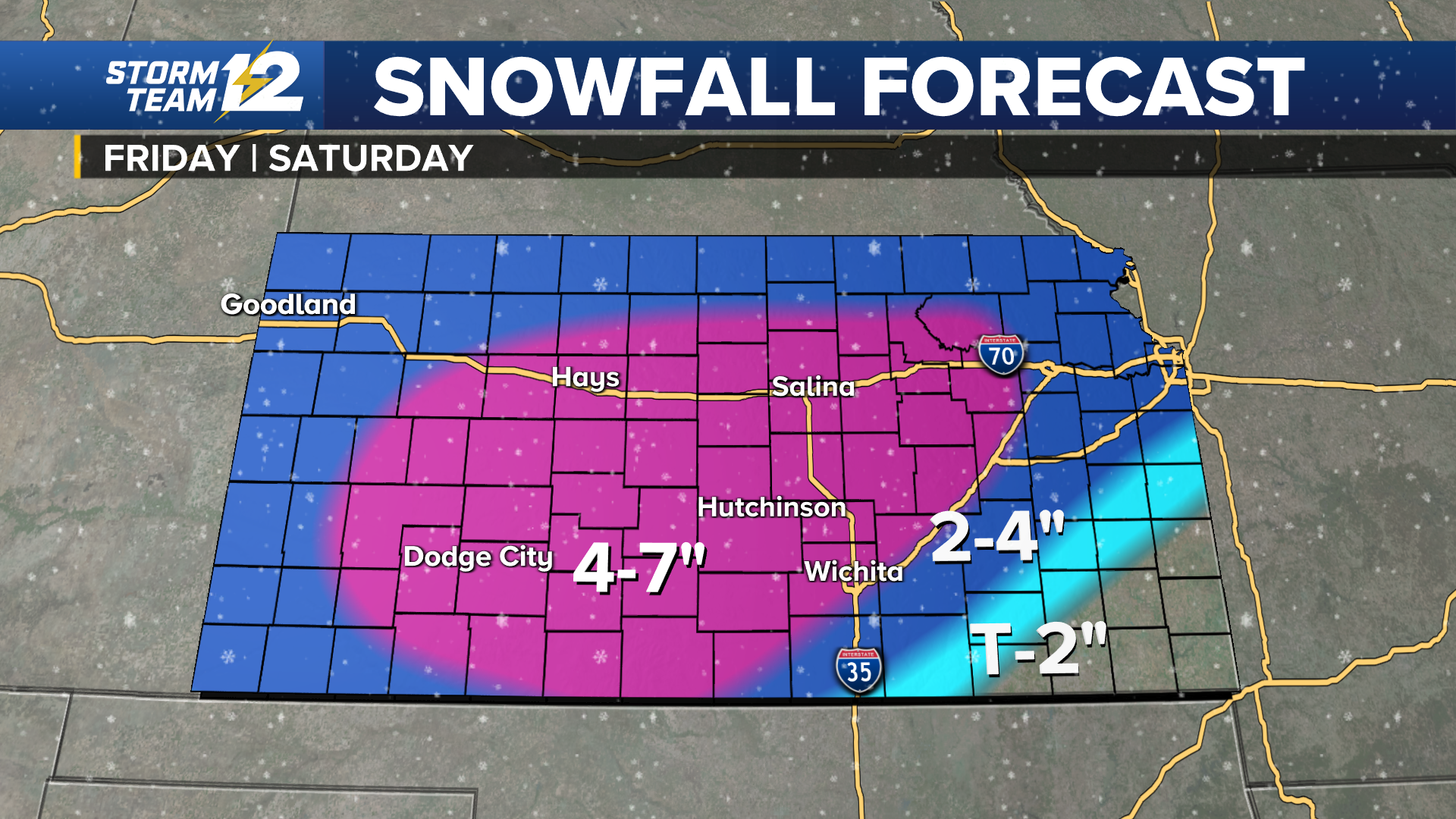
Winter settles over Wichita from December to February. While freezing temperatures and snowfall are standard, the climate remains relatively dry compared to coastal or northern regions. Daytime highs typically sit in the 40s, dropping below freezing after sunset. Snowstorms can occasionally blanket the city, transforming landmarks like the Orpheum Theatre in a picturesque layer of white, but major transportation routes are cleared rapidly. Travelers visiting during this period should pack a sturdy winter coat, gloves, and reliable footwear.
Monthly Climate Breakdown and Packing Essentials
To help you prepare your luggage and plan your daily schedule, a month-by-month overview highlights what weather patterns dominate throughout the year in Wichita.
January and February: The Chilly Peak
Winter is firmly entrenched at the beginning of the year. Average lows hover around 20°F, while highs reach the low 40s. Snow flurries are common, but sunny days frequently break up the gloom.
- What to Pack: Heavy coats, thermal layers, scarves, and insulated boots.
March through May: The Transitional Window
Spring brings rising temperatures from the 50s to the upper 70s, alongside increasing rainfall. Weather can change rapidly within a matter of hours.
- What to Pack: Layered clothing, light jackets, umbrellas, and sturdy walking shoes for damp pathways.
June through August: The High Summer
Temperatures peak consistently above 90°F. Afternoon thunderstorms occasionally roll through to provide brief relief from the heat.
- What to Pack: Breathable linen or cotton clothing, sun hats, UV-blocking sunglasses, and high-SPF sunscreen.
September through November: The Golden Season
Cooler breezes return, with temperatures ranging from the 80s in early September down to the 50s by late November. Humidity drops significantly.
- What to Pack: Sweaters, light jackets, long trousers, and comfortable footwear for exploring outdoor attractions.
December: The Festive Frost
The year closes with dropping temperatures and shorter daylight hours. Snow is possible, setting a cozy backdrop for holiday events.
- What to Pack: Winter outerwear, gloves, beanies, and festive evening attire.
Navigating Meteorological Events in the Great Plains
The geography of the Great Plains heavily influences the local climate of Wichita. The absence of major natural barriers to the north and south allows air masses to sweep across the region unimpeded, leading to rapid weather shifts. Understanding these phenomena will help you stay safe and comfortable during your stay.
Wind and Its Impact on Daily Feel
Wichita is known for being a relatively breezy city. Wind speeds can pick up significantly during the spring and autumn transition periods. While a steady breeze is refreshing during a warm summer afternoon, it can make winter temperatures feel substantially colder than the thermometer indicates. Checking the “feels like” temperature—or wind chill—is essential before stepping outside.
Storm Preparedness and Safety
Because of its geographic location, the region experiences severe weather systems during the spring and early summer months. Thunderstorms can develop quickly, occasionally bringing high winds, hail, and torrential downpours. Local authorities maintain a robust alert system, and modern accommodations in the city are well-equipped with weather monitoring tools. If visiting during storm season, simply keep an eye on local forecasts and heed any advisories issued by city officials.
Best Times to Visit Based on Weather Preferences
Choosing when to book your trip to Wichita depends entirely on your personal climate preferences and the types of activities you wish to pursue.
For Outdoor Enthusiasts and Festival Goers
If your goal is to spend maximum time exploring outdoor markets, parks, and seasonal festivals, aim for the shoulder months of May, September, and October. During these windows, the weather is mild enough to enjoy hours of walking without the intense glare of the summer sun or the bite of winter frost.

For Budget Travelers and Indoor Explorers
If you prefer lower hotel rates and plan to spend your days exploring indoor cultural sites, museums, and culinary hot spots, winter is an ideal time to visit. The cooler months offer a quieter pace, allowing you to experience the city’s indoor attractions without large crowds.
By keeping these meteorological patterns in mind, you can expertly navigate the skies over Wichita, ensuring a comfortable, well-prepared, and thoroughly enjoyable journey.
LifeOutOfTheBox is a participant in the Amazon Services LLC Associates Program, an affiliate advertising program designed to provide a means for sites to earn advertising fees by advertising and linking to Amazon.com. Amazon, the Amazon logo, AmazonSupply, and the AmazonSupply logo are trademarks of Amazon.com, Inc. or its affiliates. As an Amazon Associate we earn affiliate commissions from qualifying purchases.