
Planning a trip to the vibrant metropolis of Chicago, Illinois, involves many considerations, from booking the perfect accommodation to mapping out your must-see landmarks. However, one of the most crucial elements that can significantly impact your travel experience is the weather. Chicago is renowned for its distinct and often dramatic seasonal shifts, offering vastly different atmospheres throughout the year. Understanding these weather patterns is key to packing appropriately, planning your activities, and ultimately enjoying every moment in this incredible city.
Far from being a monotonous climate, Chicago’s weather is a dynamic tapestry woven by its latitude, its position in the heart of the continental United States, and most notably, the immense influence of Lake Michigan. From sun-drenched summers brimming with festivals to picturesque, snowy winters, each season presents unique opportunities and challenges for visitors. Whether you’re considering a luxurious stay in a downtown hotel or a budget-friendly family trip, knowing what to expect from the skies above Chicago will empower you to craft an unforgettable journey.
A City of Four Seasons: Understanding Chicago’s Climate
Chicago’s climate is classified as humid continental, characterized by warm, humid summers and cold, snowy winters. This means that travelers get to experience the full spectrum of weather, each bringing its own charm and set of activities. The city truly embraces all four seasons, and locals are adept at adapting their lifestyles to whatever Mother Nature throws their way.
The Windy City Myth vs. Reality
The moniker “Windy City” often conjures images of perpetual gale-force winds, but its origin is actually rooted more in political rhetoric than meteorology. While Chicago certainly experiences its share of blustery days, particularly in spring and winter, it’s not significantly windier than many other major cities. The average wind speed hovers around 10 miles per hour.
However, Lake Michigan plays a pivotal role in shaping Chicago‘s local weather. The vast body of water can create what’s known as the “lake effect,” influencing temperatures and precipitation. In winter, cold air passing over the relatively warmer lake can pick up moisture and dump heavy snow on the city’s immediate shoreline, creating stunning winter landscapes. In summer, the lake often provides a cooling breeze, particularly along the downtown lakefront, offering a pleasant respite from inland heat and humidity. This unique interaction ensures that the weather is never dull and always a topic of conversation.
Temperature and Precipitation Overview
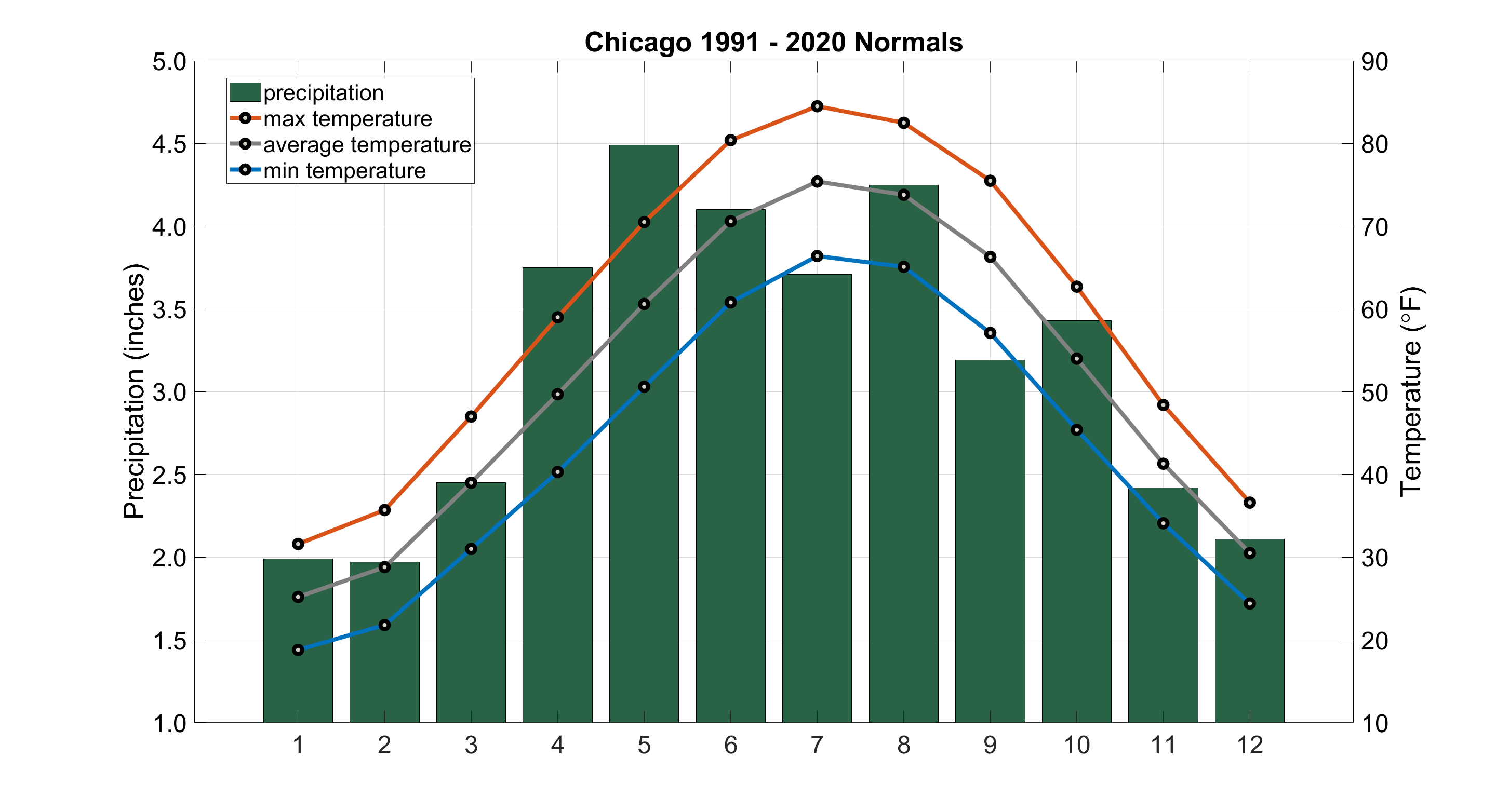
Temperatures in Chicago can swing dramatically throughout the year. Summer highs typically reach into the 80s Fahrenheit (27-32°C), occasionally pushing into the 90s (32°C+), accompanied by significant humidity. Winters are notoriously cold, with average daily temperatures often below freezing, dipping into the single digits or even below zero Fahrenheit (-12°C to -18°C) during cold snaps. Spring and autumn serve as transitional periods, with highly variable temperatures that can range from cool and crisp to surprisingly warm.
Precipitation is fairly evenly distributed throughout the year, though summer months tend to see more frequent thunderstorms. Snowfall is a significant feature of Chicago winters, with average annual accumulation often exceeding 35 inches (89 cm). This can transform the city into a beautiful, snow-covered wonderland, perfect for cozy winter activities, though it also necessitates proper cold-weather gear.
Seasonal Travel Guides: When to Visit Chicago
Each season in Chicago offers a unique set of attractions, activities, and a distinct atmosphere. Your ideal travel time will largely depend on what kind of experience you’re seeking, whether it’s an outdoor adventure, a cultural deep dive, or a festive holiday getaway.
Spring (March-May): Thawing Out and Blooming
Spring in Chicago is a period of transition, often characterized by unpredictable weather. Early spring (March) can still feel very much like winter, with lingering cold and occasional late-season snowfalls. As April progresses, temperatures begin to rise, and by May, the city truly comes alive with blooming flowers and the gradual opening of outdoor attractions.
- Weather: Expect a range from cool and crisp to mild and pleasant. Average temperatures rise from the low 30s-40s°F (0-10°C) in March to the 50s-60s°F (10-20°C) by May. Rain is common, so a waterproof jacket is advisable.
- Activities: This is a great time to enjoy indoor landmarks like the Art Institute of Chicago or the Field Museum before the summer crowds. As the weather improves, you can enjoy early strolls in Millennium Park, explore neighborhoods, or catch a baseball game. Many outdoor patios begin to open in late spring.
- Packing: Layers are essential. Bring sweaters, a light jacket, a waterproof coat, and comfortable walking shoes.
- Lifestyle: Spring offers a more relaxed travel experience than the peak summer months. It’s an excellent time for budget-conscious travelers as accommodation prices may be lower before the high season.
Summer (June-August): Festival Season and Lakeside Bliss
Summer is arguably Chicago’s most popular tourist season, and for good reason. The city absolutely buzzes with energy, and the warm weather encourages a vibrant outdoor lifestyle, heavily influenced by its beautiful lakefront.

- Weather: Warm to hot and humid, with average temperatures in the 70s-80s°F (21-32°C). Heatwaves pushing into the 90s°F (32°C+) are common. Thunderstorms are frequent, often providing dramatic afternoon relief from the heat.
- Activities: The options are endless. Head to the city’s numerous beaches along Lake Michigan, take a boat tour of the stunning architecture, explore Navy Pier, or attend one of the countless festivals, including major events like Lollapalooza. Outdoor dining, rooftop bars, and exploring public art installations are also highlights.
- Packing: Light, breathable clothing, swimwear, sunscreen, a hat, comfortable sandals or walking shoes, and a light umbrella for sudden downpours.
- Lifestyle: Peak tourist season, making it perfect for family trips and those seeking a lively, energetic atmosphere. Expect higher prices for hotels and flights, especially during major events.
Autumn (September-November): Crisp Air and Fall Foliage
Autumn in Chicago is a truly magical time. The intense heat and humidity of summer recede, replaced by crisp, comfortable air and stunning fall foliage that transforms the city’s parks and tree-lined streets into a kaleidoscope of colors.
- Weather: Generally pleasant, with sunny days and cooling temperatures. September often feels like an extension of summer, while October brings quintessential fall weather. By November, it begins to get chilly, with the possibility of the first snowfalls. Temperatures range from the 60s-70s°F (15-25°C) in early fall to the 40s-50s°F (4-15°C) by November.
- Activities: This is an ideal time for scenic walks, exploring neighborhoods, and taking architectural boat tours to see the city’s iconic buildings against a backdrop of colorful leaves. Outdoor markets, pumpkin patches, and harvest festivals are also popular. Indoor attractions like the Art Institute of Chicago and the Field Museum remain popular.
- Packing: Layers are key. Bring sweaters, a light to medium jacket, jeans, and comfortable walking shoes.
- Lifestyle: Excellent for photography enthusiasts, romantic getaways, and business stays after the summer rush. Crowds are generally thinner than in summer, making for a more relaxed experience.
Winter (December-February): A Snowy Wonderland (and Chills)
Winter in Chicago is not for the faint of heart, but it offers a unique and often beautiful experience for those prepared for the cold. The city transforms into a picturesque wonderland, especially around the holidays.
- Weather: Cold, often brutally so, with average daily temperatures frequently below freezing. Expect significant snowfall, biting winds, and occasional extreme cold snaps where temperatures can drop well below 0°F (-18°C).
- Activities: Embrace the season with ice skating at Maggie Daley Park or the McCormick Tribune Ice Rink in Millennium Park. Explore charming holiday markets, enjoy the festive lights on the Magnificent Mile, or warm up in one of Chicago’s world-class museums like the Shedd Aquarium or the Museum of Science and Industry. Cozy up in one of the city’s many acclaimed restaurants or enjoy a performance at a historic theater.
- Packing: Heavy winter coat, waterproof boots with good grip, hats, gloves, scarves, and thermal layers are absolutely essential.
- Lifestyle: A magical holiday atmosphere, fewer tourist crowds (except during holiday periods), and unique opportunities for budget travel in the quieter months of January and February.
Preparing for Your Chicago Trip: Accommodation and Activities
Regardless of when you choose to visit, a little preparation goes a long way in ensuring a comfortable and memorable trip to Chicago. Thinking about how the weather will influence your daily plans and choosing your accommodation wisely can significantly enhance your travel experience.
Smart Packing for Every Season
As highlighted in the seasonal guides, layers are almost always the answer when packing for Chicago. Even in summer, evenings can be cooler, and air-conditioned indoor spaces can be quite chilly.
- Spring/Autumn: Think versatile items like long-sleeved shirts, sweaters, light to medium jackets, and a waterproof outer layer.
- Summer: Lightweight clothing is primary, but always bring a light jacket or cardigan for cooler evenings or air-conditioned venues. Sunscreen and a hat are non-negotiable.
- Winter: This is where you need to invest in serious cold-weather gear: a heavy, insulated, waterproof winter coat, thermal underwear, wool socks, waterproof boots, a warm hat, gloves or mittens, and a scarf.
- Year-Round Essentials: Comfortable walking shoes are a must for exploring the city’s vast attractions, and a compact umbrella will always come in handy.
Navigating Chicago’s Attractions in Any Weather
One of Chicago’s greatest strengths as a travel destination is its abundance of world-class indoor attractions, making it a fantastic choice regardless of the weather.
- Bad Weather Days: If rain, extreme heat, or biting cold keep you indoors, you have an incredible array of options. Dive into history and art at the Art Institute of Chicago, explore natural wonders at the Field Museum, or marvel at marine life at the Shedd Aquarium. For breathtaking views shielded from the elements, ascend to the Willis Tower Skydeck or the 360 Chicago Observation Deck at the John Hancock Center. The shops along the Magnificent Mile also offer extensive indoor browsing.
- Good Weather Days: When the weather is cooperative, Chicago truly shines. Stroll through Millennium Park to see the “Bean” (Cloud Gate) and Crown Fountain, enjoy a leisurely walk or bike ride along the scenic Lakefront Trail, or explore the attractions and dining options at Navy Pier. Architectural boat tours are particularly enjoyable on pleasant days.
Choosing Your Accommodation Wisely
Your choice of accommodation can significantly influence your comfort, especially during extreme weather. Chicago boasts an impressive range of hotels, suites, resorts, and apartments to suit every lifestyle and budget.
- Location, Location, Location: Consider staying in a central location, such as downtown or River North, to be close to public transportation hubs. This is particularly helpful in winter or during rainy spells when minimizing outdoor exposure is desirable.
- Amenities: Look for hotels with amenities that can enhance your stay, such as heated indoor pools for winter, excellent dining options on-site, or comfortable lounges where you can relax after a day of exploring. Luxury options like the Hyatt Regency Chicago, The Peninsula Chicago, Thompson Chicago, or the Waldorf Astoria Chicago offer unparalleled comfort and service regardless of the weather outside. For those seeking a more local experience or a longer stay, apartments and villas can provide additional space and a taste of neighborhood living.
- Booking and Reviews: Always check recent reviews, especially regarding heating and air conditioning, to ensure a comfortable stay. Booking in advance, particularly for peak seasons like summer and holidays, is highly recommended to secure the best rates and availability.
Embracing Local Culture and Cuisine Year-Round
Chicago’s rich local culture and world-renowned culinary scene are enjoyable no matter what the weather brings. From iconic Chicago-style deep dish pizza and classic hot dogs to Michelin-starred restaurants and diverse ethnic eateries, there’s always something delicious to savor. The city’s vibrant theater scene, live music venues, and numerous art galleries provide ample entertainment options, making it easy to immerse yourself in the local lifestyle.
In conclusion, the weather in Chicago is as dynamic and captivating as the city itself. While it demands respect and preparation, understanding its seasonal nuances will not only prevent unwelcome surprises but also enrich your entire travel experience. Whether you dream of sun-drenched summer festivals, crisp autumn strolls, or a magical snowy wonderland, Chicago offers a compelling adventure in every season. Pack smart, plan accordingly, and get ready to discover why the Windy City is truly a year-round destination.
LifeOutOfTheBox is a participant in the Amazon Services LLC Associates Program, an affiliate advertising program designed to provide a means for sites to earn advertising fees by advertising and linking to Amazon.com. Amazon, the Amazon logo, AmazonSupply, and the AmazonSupply logo are trademarks of Amazon.com, Inc. or its affiliates. As an Amazon Associate we earn affiliate commissions from qualifying purchases.