
Colorado, the Centennial State, is renowned for its breathtaking landscapes, from the majestic peaks of the Rocky Mountains to the sweeping plains of its eastern reaches. For any traveler planning an adventure here, understanding Colorado’s weather patterns is not just helpful—it’s absolutely essential. The state is a land of dramatic contrasts, where climate can vary wildly not just from season to season, but also from one elevation to another, and even within the same day. Preparing for a trip to Colorado means embracing flexibility and packing layers, as the local saying goes, “If you don’t like the weather, wait five minutes.” This guide will delve into the nuances of Colorado’s climate, providing invaluable insights for travelers eager to explore its diverse offerings.
Understanding Colorado’s Diverse Climate: A Traveler’s Guide
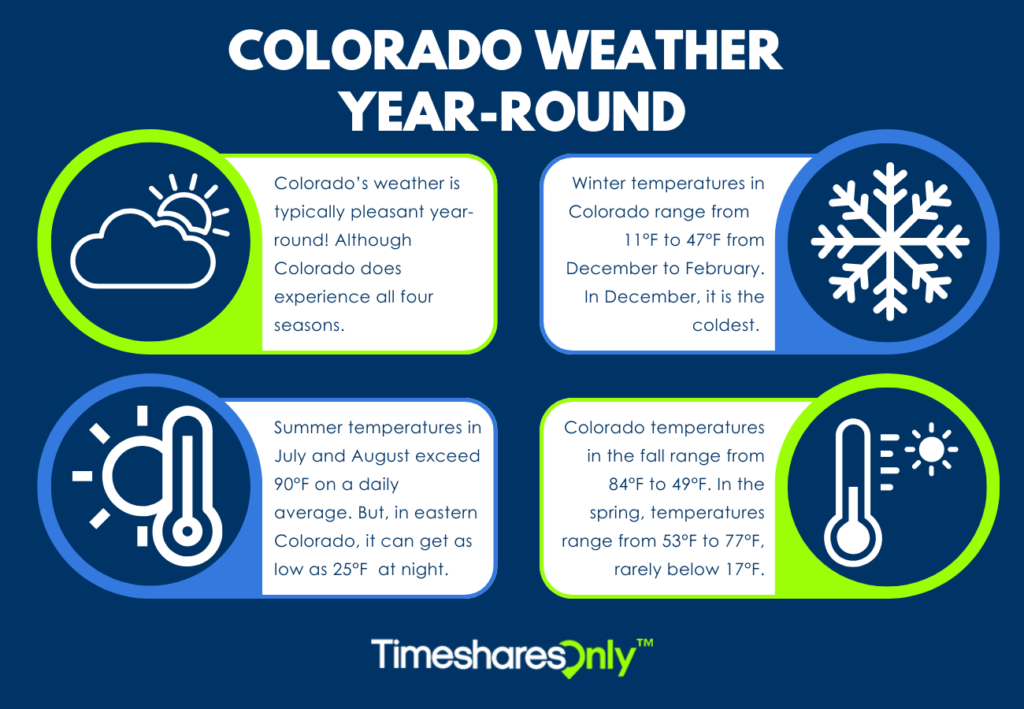
Colorado’s climate is primarily shaped by its unique geography. The towering Rocky Mountains act as a significant barrier, dividing the state into distinct climatic zones. To the west, you’ll find arid high-desert landscapes and alpine regions, while to the east lie the semi-arid Great Plains. This geographical complexity results in a climate that is, by turns, sunny, snowy, windy, and warm, often all within the span of a single week.
The High-Altitude Impact
Altitude is arguably the most critical factor influencing Colorado’s weather. Cities like Denver, situated along the Front Range at about 5,280 feet, experience less extreme temperatures than the higher mountain towns. However, even at this elevation, the air is thinner, leading to more intense sun exposure and quicker temperature drops once the sun sets. As you ascend into the mountains to destinations such as Aspen, Vail, or Breckenridge, elevations can easily reach 8,000 to 10,000 feet, where temperatures are significantly colder, and snowfall is much heavier and more frequent, even into late spring.
The high altitude also means that weather systems can move in and out with surprising speed. A clear, sunny morning can quickly give way to an afternoon thunderstorm or a sudden snow flurry, particularly in the spring and fall. Travelers must be mindful of the increased UV radiation at higher elevations, making sunscreen and sunglasses year-round essentials, regardless of the temperature.
Four Distinct Seasons and Microclimates
Despite its mountainous terrain, Colorado boasts four distinct seasons, each offering a unique experience for visitors. However, within these broad seasonal categories, specific regions and even localized valleys can exhibit their own “microclimates.” For example, the western slope near Grand Junction has a milder climate more suitable for fruit orchards, while the San Juan Mountains around Telluride receive some of the state’s deepest snowpacks. Understanding these variations is key to maximizing your travel enjoyment and preparedness.
Winter Wonders: Snowy Escapes and Crisp Air (December – February)
Colorado in winter is synonymous with world-class skiing and snowboarding. This season truly transforms the state into a pristine wonderland, but the weather patterns vary significantly depending on your location.
Abundant Snowfall in the Mountains
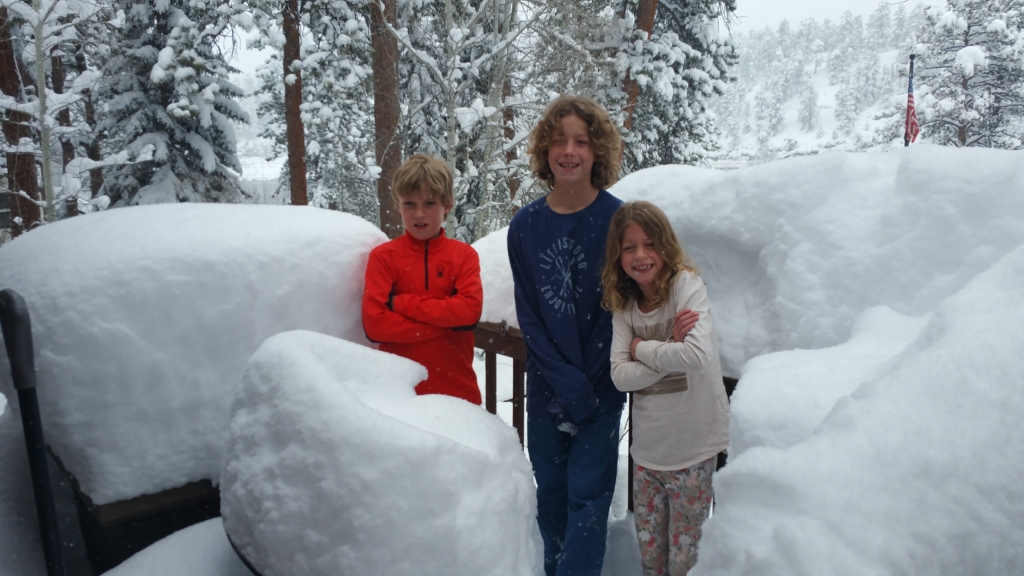
The Colorado Rocky Mountains are famed for their abundant, light, powdery snow, often referred to as “champagne powder.” Ski resorts like Vail, Aspen, and Breckenridge consistently receive hundreds of inches of snow throughout the winter months. Daytime temperatures in these areas typically range from 20°F to 30°F (-6°C to -1°C), but can plummet well below 0°F (-18°C) during cold snaps or at night. The high altitude means sunny days are frequent, even amidst heavy snowfall, creating dazzling bluebird skies.
Colder, Drier Days on the Eastern Plains
On the eastern plains and in Front Range cities like Denver, Boulder, and Colorado Springs, winter can be a mix of conditions. While snow does fall, it often melts quickly due to Colorado’s famous 300+ days of sunshine per year. Temperatures are generally milder than in the mountains, often ranging from 30°F to 50°F (-1°C to 10°C) during the day, with colder nights. However, arctic cold fronts, known as “blue northers,” can occasionally bring temperatures well below freezing for several days.
Winter Activities and Packing Essentials
For travelers, winter means skiing, snowboarding, snowshoeing, ice skating, and cozy evenings by a fireplace.
- Packing: Essential items include waterproof and insulated outer layers (jacket, pants), thermal base layers, warm hats, gloves/mittens, waterproof boots, and plenty of warm socks. Don’t forget sunglasses and high-SPF sunscreen, as the reflection off the snow can intensify UV exposure.
- Travel Tips: Keep an eye on road conditions, especially mountain passes, which can close or require specific tire equipment during heavy snowfall.
Spring’s Transition: Unpredictable Beauty (March – May)
Spring in Colorado is a period of dramatic transition, often referred to as “mud season” in the mountains. It’s a time of both lingering winter chill and burgeoning warmth, making it one of the most unpredictable seasons for weather.
“Mud Season” and the Thawing Landscape
In the mountains, March and April can often see some of the heaviest snowfalls of the year, making for excellent late-season skiing. However, as temperatures rise, especially in May, the snow begins to melt, leading to muddy trails and roaring rivers. Daytime temperatures in mountain towns might range from 30°F to 50°F (0°C to 10°C), but can swing wildly, with overnight freezes still common. This melting process rejuvenates the landscape, preparing it for the vibrant growth of summer.
Variable Weather in the Cities
Front Range cities like Denver experience a classic spring mix. March can still bring significant snowstorms, sometimes accumulating over a foot of snow, only to see it melt within days. April and May bring warmer temperatures, typically from 50°F to 70°F (10°C to 21°C), but sudden temperature drops and rain showers are common. Late spring also marks the beginning of thunderstorm season, particularly in the afternoons.
Spring Activities and Layering Strategies
Spring is ideal for travelers who enjoy both winter and early summer activities. You might ski in the morning and hike in the afternoon.
- Packing: Layers are paramount. A waterproof and windproof outer shell, a fleece or insulated mid-layer, long-sleeved shirts, and quick-drying pants are essential. Don’t forget waterproof hiking boots, as trails can be wet and muddy.
- Travel Tips: Be prepared for all four seasons in a single day. Check forecasts frequently, especially if venturing into the mountains or planning outdoor activities. Some hiking trails at higher elevations may still be snow-covered or muddy well into June.
Summer Adventures: Sunny Days and Afternoon Storms (June – August)
Colorado’s summer is a magnificent time to visit, characterized by abundant sunshine, warm temperatures, and vibrant natural beauty. It’s the peak season for hiking, mountain biking, camping, and enjoying the state’s numerous national parks and forests.
Warm Mountain Days and Cooler Nights
In the mountains, summer days are pleasantly warm, typically ranging from 70°F to 80°F (21°C to 27°C) at lower elevations (like Durango or Steamboat Springs), while higher elevations (like Rocky Mountain National Park or near Pikes Peak) might see temperatures in the 60s°F (15-20°C). Nights are consistently cool, often dropping into the 40s°F (4-9°C), even at lower mountain elevations, making a light jacket or sweater necessary for evenings. The air is generally dry and comfortable, with low humidity.
Hotter Temperatures on the Plains
Front Range cities and the eastern plains experience hotter summers, with daytime temperatures frequently reaching 80°F to 95°F (27°C to 35°C), and occasionally exceeding 100°F (38°C). While the dry heat makes these temperatures more bearable than humid climates, proper hydration is crucial. Nights in the cities offer some relief, cooling down into the 60s°F (15-20°C).
The Monsoon Season: Afternoon Thunderstorms
A distinctive feature of Colorado’s summer, particularly from mid-July through August, is the North American monsoon. This brings moisture from the Gulf of Mexico and the Pacific Ocean, resulting in daily afternoon thunderstorms, especially in the mountains and foothills. These storms often build rapidly, bringing heavy rain, lightning, and sometimes hail. They typically dissipate by late afternoon or early evening, leaving clear skies.
Summer Activities and Sun Protection
Summer is prime time for exploring Colorado’s outdoors, from hiking the peaks to whitewater rafting.
- Packing: Lightweight, breathable clothing, sun hats, sunglasses, high-SPF sunscreen, and plenty of water are non-negotiable. A light rain jacket or poncho is wise for afternoon showers.
- Travel Tips: If hiking in the mountains, aim to start early to complete your activity before the typical afternoon thunderstorms roll in. Stay vigilant for lightning and seek shelter promptly. Remember that UV radiation is significantly stronger at altitude.
Autumn’s Splendor: Golden Hues and Crisp Air (September – November)
Colorado’s autumn is a beloved season, celebrated for its spectacular fall foliage and pleasant, crisp weather. It’s a magical time for scenic drives and enjoying outdoor activities without the summer crowds.
Peak Leaf-Peeping Season
The aspens, Colorado’s iconic golden trees, typically reach their peak brilliance from mid-September to early October, though timing varies by elevation and specific location. Mountain towns like Telluride, Durango, and Aspen become a mosaic of gold, orange, and red. During this time, daytime temperatures are generally mild and comfortable, ranging from 50°F to 70°F (10°C to 21°C), making it perfect for scenic drives and leisurely hikes.
Mild Days, Frosty Nights
While days are often sunny and warm, nights become noticeably colder, with overnight frosts becoming common, especially in the mountains. By late October and November, temperatures begin to drop more consistently, and the first significant snowfalls typically occur in the high country, hinting at the approaching winter season. Cities like Denver will still enjoy many mild days, but travelers should be prepared for cooler evenings and the possibility of an early season snowstorm.
Fall Activities and Photography Tips
Autumn offers some of the most stunning photographic opportunities and comfortable hiking conditions.
- Packing: Layers are still key. A warm jacket for evenings, sweaters, long-sleeved shirts, and comfortable walking shoes are recommended.
- Travel Tips: Book accommodations and scenic tours well in advance if traveling during peak leaf-peeping season, as popular areas can get crowded. Check local tourism boards for updates on fall color progression.
Navigating Colorado’s Weather: Essential Travel Tips
Regardless of when you plan to visit, a few universal tips will enhance your Colorado travel experience by preparing you for its unique weather challenges.
Be Prepared for Sudden Changes
The most crucial advice for any Colorado traveler is to expect the unexpected. Weather forecasts, while helpful, can change rapidly, especially in mountainous terrain. Always pack layers, even in summer, and carry a waterproof outer shell. A sunny morning can turn into a hailstorm or snow flurry by afternoon, only to clear up again by evening.
Hydration and Sun Protection at Altitude
The dry air and high altitude in Colorado mean that dehydration and sunburn are common risks for unprepared travelers. Drink plenty of water throughout the day, even if you don’t feel thirsty. Use high-SPF sunscreen (SPF 30 or higher) on all exposed skin, reapply frequently, and wear sunglasses and a hat with a brim. The sun’s rays are much stronger at elevations like those found in Garden of the Gods or Rocky Mountain National Park.
Road Conditions and Travel Advisories
During winter and early spring, mountain passes can be treacherous. Always check current road conditions (e.g., through Colorado Department of Transportation, CDOT) before heading out. Certain roads may require four-wheel drive, chains, or specific tire designations. Even in summer, heavy thunderstorms can lead to flash floods in canyons or mudslides, particularly after wildfires.
Best Time to Visit Based on Your Interests
- Skiing/Snowboarding: December to March (with late season in April sometimes offering great conditions).
- Hiking/Mountain Biking: June to October (adjusting for snowpack early and late in the season).
- Leaf Peeping: Mid-September to early October.
- City Exploration (Denver, Boulder, Colorado Springs): Year-round, with spring and fall offering pleasant temperatures and fewer crowds than summer.
In conclusion, Colorado’s weather is as dynamic and captivating as its landscapes. With a little preparation and an understanding of its unique climatic patterns, travelers can confidently navigate its seasons, ensuring a safe, comfortable, and unforgettable experience in this magnificent state.
LifeOutOfTheBox is a participant in the Amazon Services LLC Associates Program, an affiliate advertising program designed to provide a means for sites to earn advertising fees by advertising and linking to Amazon.com. Amazon, the Amazon logo, AmazonSupply, and the AmazonSupply logo are trademarks of Amazon.com, Inc. or its affiliates. As an Amazon Associate we earn affiliate commissions from qualifying purchases.