
As you plan your adventure to the vibrant and sprawling metropolis of Houston, Texas, one of the most crucial factors to consider, alongside your ideal accommodation and must-see attractions, is the weather. Understanding the climate of Houston will not only help you pack appropriately but also inform your decisions about the best time to visit, what activities to prioritize, and how to make the most of your travel experience. From scorching summers to mild winters, Houston’s weather patterns are distinct and play a significant role in shaping the city’s lifestyle and the experiences of its visitors.
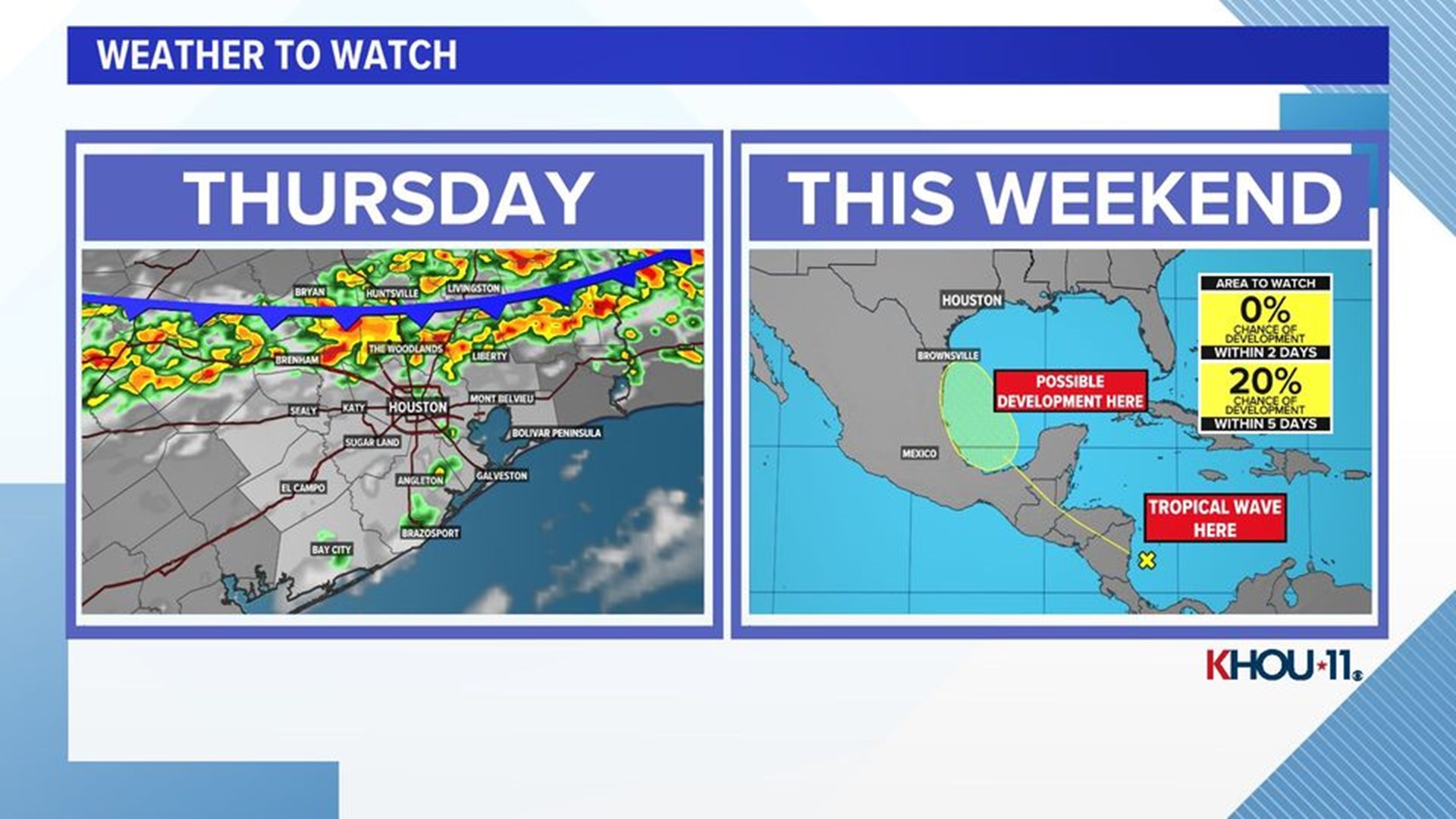
This guide delves deep into the nuances of Houston’s climate, exploring its seasonal variations, potential weather challenges, and how these elements can influence your tourism plans. Whether you’re dreaming of a luxury travel escape, a budget travel expedition, or a memorable family trip, knowing what to expect from the skies above Houston will be your first step towards a seamless and enjoyable journey.
Understanding Houston’s Humid Subtropical Climate
Houston, Texas, is characterized by a humid subtropical climate, often described as a blend of hot and humid summers and mild winters. This classification means that while you can expect warmth for a significant portion of the year, the humidity levels are a defining feature, particularly during the warmer months. The city’s proximity to the Gulf of Mexico plays a pivotal role in this atmospheric profile, contributing to elevated moisture content in the air.
Summer in Houston: Heat and Humidity
The Houston summer, typically spanning from June through August, is synonymous with intense heat and high humidity. Daytime temperatures frequently climb into the 90s Fahrenheit (around 32-37 degrees Celsius), and with the humidity, the “feels like” temperature can often exceed 100 degrees Fahrenheit (38 degrees Celsius). This prolonged period of heat necessitates careful planning for any outdoor activities. Hydration is paramount, and seeking air-conditioned attractions like the Museum District or the extensive underground pedestrian tunnel system, known as the Tunnels of Houston, becomes a wise strategy.
Evenings offer a slight reprieve, with temperatures usually dropping into the low 70s Fahrenheit (around 22 degrees Celsius), but the humidity often persists, creating a heavy, muggy atmosphere. Thunderstorms are also a common occurrence during the summer months. These often manifest as brief, intense downpours, frequently happening in the late afternoon or early evening, sometimes accompanied by lightning and gusty winds. While these storms can provide a temporary cooling effect, they can also lead to localized flooding, so it’s always advisable to stay updated on weather alerts.
For those who prefer to experience the city’s landmarks without succumbing to the heat, exploring indoor options is key. Many of Houston’s world-class museums, such as the Houston Museum of Natural Science and the Museum of Fine Arts, Houston, offer a cool and engaging escape. The Space Center Houston, a major attraction for families and space enthusiasts, is another excellent indoor venue. Even a culinary tour through the city’s diverse food scene, with its renowned Tex-Mex, barbecue, and international cuisine, provides a perfect way to experience Houston while staying out of the sun.
Spring and Fall: The Sweet Spots for Travel
The shoulder seasons, spring (March to May) and fall (September to November), are generally considered the most pleasant times to visit Houston. During these periods, the oppressive heat and humidity of summer begin to recede, giving way to milder temperatures and more comfortable conditions.
Spring in Houston is a beautiful time, with temperatures often ranging from the comfortable 70s to low 80s Fahrenheit (21-28 degrees Celsius). The city awakens with blooming flowers, making outdoor exploration particularly appealing. This is an excellent time to visit landmarks like Discovery Green park or take a stroll through the Hermann Park Japanese Garden. The cooler, more pleasant weather also lends itself well to outdoor experiences, such as exploring the Buffalo Bayou Park with its scenic trails and stunning city views. Tourism thrives during these months, with festivals and outdoor events becoming more frequent.
Fall mirrors the pleasantness of spring, with warm days and cooler evenings. Temperatures typically hover in the 60s and 70s Fahrenheit (15-25 degrees Celsius), making it ideal for exploring the city’s many outdoor offerings. This is a fantastic time for those interested in the local culture, perhaps attending an outdoor concert or enjoying a leisurely picnic in one of Houston’s many green spaces. The Houston Livestock Show and Rodeo, a quintessential Texas event, often takes place in late February and early March, just as spring begins to emerge, offering a unique cultural immersion.
Winter in Houston: Mild and Moderate
Houston’s winters are remarkably mild compared to many other parts of the United States. Snow is an extremely rare occurrence, and prolonged periods of freezing temperatures are uncommon. The winter months, from December to February, typically see average daytime temperatures in the 60s Fahrenheit (15-20 degrees Celsius), with occasional cooler snaps where temperatures can dip into the 40s or 50s Fahrenheit (4-10 degrees Celsius).
While generally pleasant, Houston does experience occasional cold fronts that can bring chilly winds and lower temperatures. These are usually short-lived. The lower humidity during the winter months also contributes to a more comfortable feeling, even when the temperatures are cooler. This makes winter a viable option for budget travel and for those seeking to avoid the summer crowds. Outdoor activities remain possible, and visiting landmarks like the Gerald D. Hines Waterwall Park or exploring the historic Galveston Island are enjoyable.
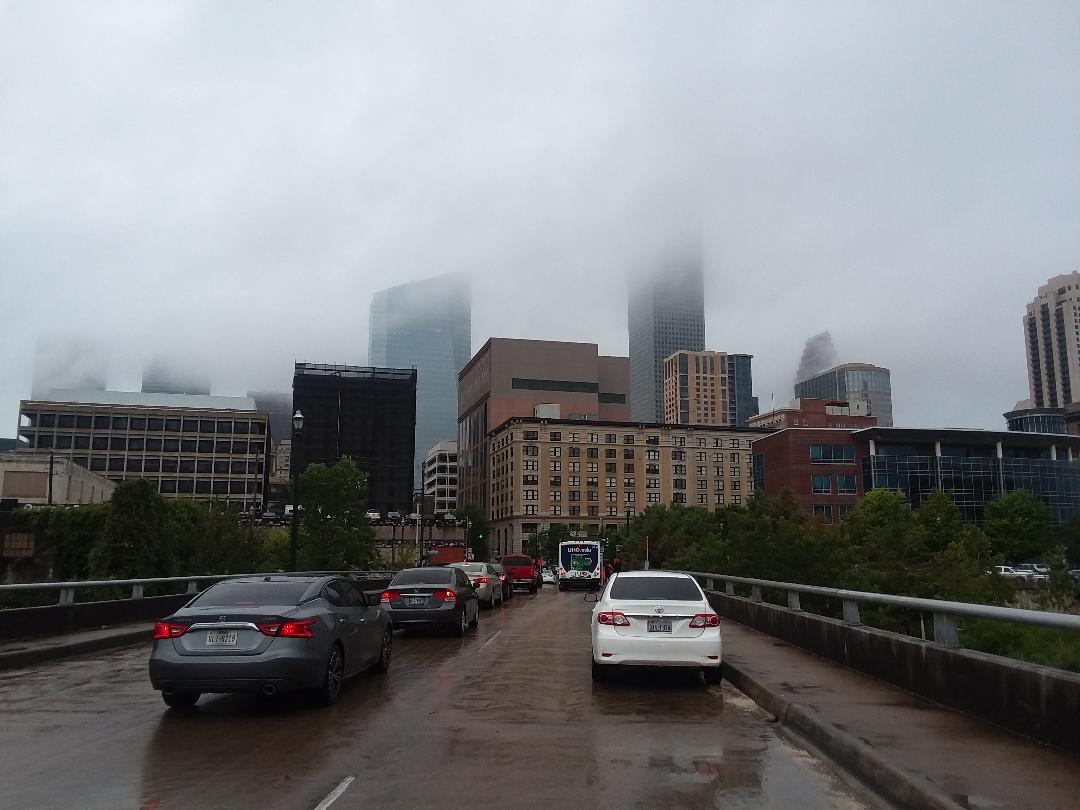
However, it’s worth noting that the mild winter climate can also bring fog, particularly in the mornings, due to the proximity to the coast. This usually dissipates as the day progresses. For those considering a long-term stay during the winter, packing layers is the most practical approach to adapt to the fluctuating temperatures.
Weather-Related Considerations for Your Houston Trip
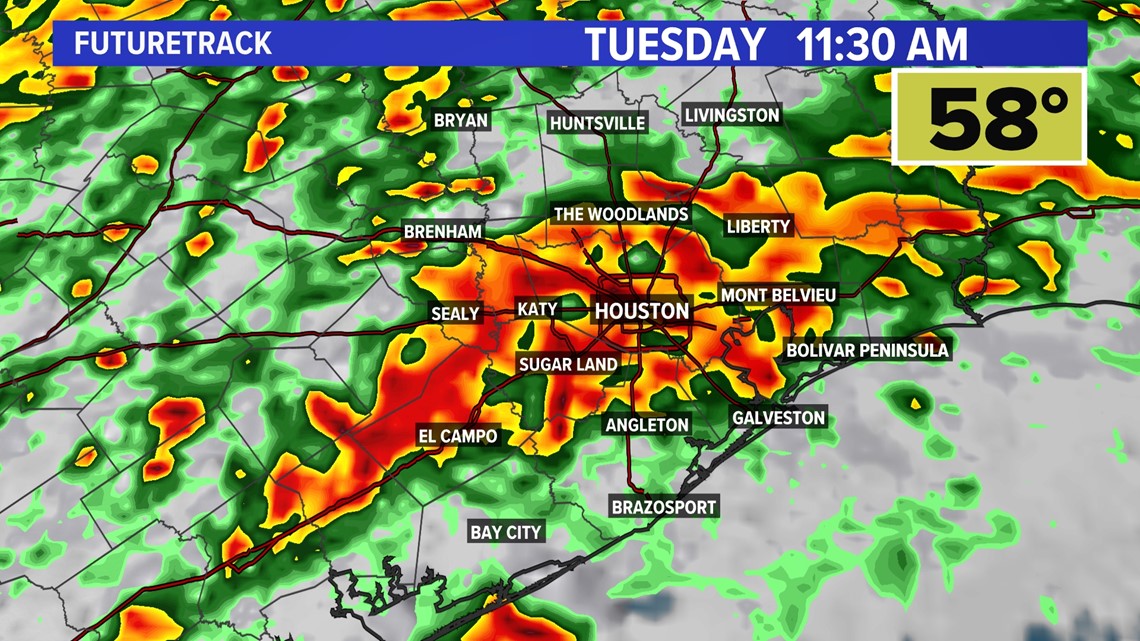
Beyond the general seasonal overview, understanding specific weather phenomena and their impact is crucial for planning a successful trip to Houston. The city’s location makes it susceptible to certain weather events that can influence travel plans and require preparedness.
Humidity and Its Impact
As mentioned, humidity is a constant companion in Houston, especially during the spring, summer, and early fall. High humidity can make even moderately warm temperatures feel significantly hotter and can affect comfort levels, particularly for those unaccustomed to such conditions. When packing, opt for lightweight, breathable fabrics like cotton and linen. Staying hydrated by drinking plenty of water is essential, and carrying a reusable water bottle is highly recommended. For luxury travel, many resorts and hotels offer excellent air-conditioned environments and pool facilities to help guests escape the heat and humidity.
Rainfall and Potential for Flooding
Houston receives a significant amount of rainfall annually, with the summer months often experiencing the most frequent and intense thunderstorms. While these are typically short-lived, they can lead to flash flooding, especially in low-lying areas. It is vital to monitor local weather reports and forecasts, especially if your travel plans involve driving. Road closures due to flooding can occur, and it’s wise to have alternative routes in mind. The city’s extensive underground tunnel system can be a lifesaver during heavy rains, providing a dry means of navigating parts of the downtown area.
Hurricane Season Preparedness
Houston is located in a region that is vulnerable to hurricanes during the Atlantic hurricane season, which runs from June 1st to November 30th. While direct hits are not a yearly occurrence, the possibility exists, and it’s important for visitors to be aware. If traveling during this period, especially during the peak months of August, September, and October, it is advisable to:
- Monitor weather forecasts closely.
- Have a flexible travel plan that allows for potential itinerary changes.
- Understand the hotel or accommodation’s hurricane policy. Many hotels and apartments offer flexible cancellation policies during severe weather events.
- Familiarize yourself with local emergency procedures and evacuation routes, although for most tourists, staying informed and following official advisories from accommodation providers will be sufficient.
While the thought of a hurricane might be daunting, it’s important to remember that Houston is well-prepared to handle such events, and the chances of a direct, impactful hurricane during any given short visit are relatively low. However, being informed is always the best approach to travel safety.
Making the Most of Houston’s Weather
The weather in Houston, Texas, presents a unique set of challenges and opportunities for travelers. By understanding its nuances and planning accordingly, you can ensure your trip is filled with enriching experiences rather than discomfort.
Embracing Indoor Pursuits
When the heat and humidity are at their peak, or if a summer storm rolls in, Houston offers an abundance of world-class indoor attractions. The Museum District, home to numerous institutions like the Children’s Museum Houston and the Holocaust Museum Houston, provides hours of educational and entertaining exploration. For sports fans, catching a game at the Toyota Center or the Minute Maid Park offers an exciting evening of entertainment. Food lovers can embark on a culinary journey through the city’s diverse neighborhoods, discovering everything from upscale dining at Nobu Houston to authentic street tacos, all within climate-controlled environments.
Optimizing Outdoor Adventures
During the more temperate months of spring and fall, Houston truly shines for outdoor enthusiasts. The city boasts an impressive park system, including the expansive Memorial Park, a popular spot for runners and cyclists. Buffalo Bayou Park offers kayaking, paddleboarding, and scenic walking trails with iconic city skyline views. For those interested in nature, a day trip to the Houston Arboretum & Nature Center provides a peaceful retreat into local flora and fauna. These periods are ideal for exploring historical landmarks, visiting outdoor markets, or simply enjoying the vibrant street life that Houston offers.
Accommodation and Lifestyle Choices
The weather can also influence your choice of accommodation. During the hot summer months, a resort with a fantastic pool or a hotel with well-appointed indoor amenities might be a priority for your lifestyle. For long-term stays, considering an apartment with good air conditioning is essential. If you are planning budget travel, you might find that visiting during the shoulder seasons or even the milder winter months can offer better rates on hotels and flights.
In conclusion, while Houston, Texas, is known for its heat and humidity, its climate is manageable with proper planning. By understanding the seasonal variations, preparing for potential weather events, and leveraging the city’s diverse indoor and outdoor offerings, your travel to Houston promises to be a memorable and enjoyable experience, irrespective of the forecast.
LifeOutOfTheBox is a participant in the Amazon Services LLC Associates Program, an affiliate advertising program designed to provide a means for sites to earn advertising fees by advertising and linking to Amazon.com. Amazon, the Amazon logo, AmazonSupply, and the AmazonSupply logo are trademarks of Amazon.com, Inc. or its affiliates. As an Amazon Associate we earn affiliate commissions from qualifying purchases.