
Planning a trip to Jacksonville, Florida requires a good understanding of its climate, which can significantly influence your travel experience, packing choices, and activity planning. As the largest city by land area in the contiguous United States, Jacksonville boasts a diverse landscape, from expansive beaches along the Atlantic Ocean to a bustling urban core and tranquil nature preserves. Its weather, characterized by a humid subtropical climate, offers distinct seasonal variations that travelers should be aware of to make the most of their visit.
Understanding Jacksonville’s Climate: A Traveler’s Overview
Jacksonville enjoys a humid subtropical climate, meaning warm, often hot, and humid summers, and mild, relatively dry winters. The city’s proximity to the Atlantic Ocean plays a significant role in moderating its temperatures, often providing a refreshing sea breeze, especially along the coast. However, this oceanic influence also contributes to higher humidity levels, particularly during the warmer months. Rainfall is abundant throughout the year, with a pronounced wet season during summer, characterized by frequent afternoon thunderstorms. These storms are typically brief but can be intense, bringing welcome relief from the heat before clearing to sunny skies. Understanding this general pattern is key to selecting the optimal time for your travel and preparing adequately for the conditions you’re likely to encounter.
Seasonal Breakdown for Travel Planning
Each season in Jacksonville presents a different facet of its weather, offering unique opportunities and considerations for travelers.
Summer (June-August): The Warmest Season
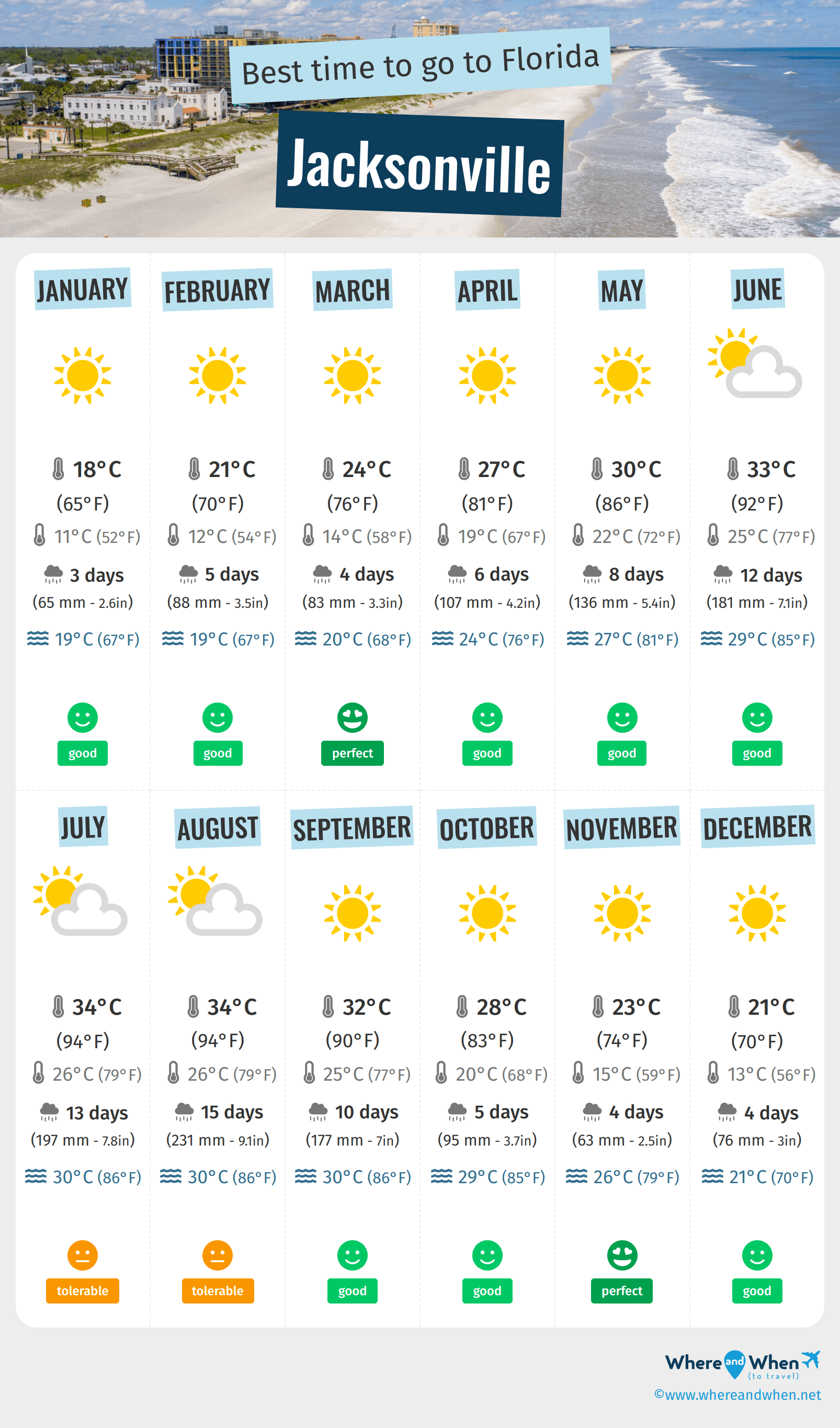
Summers in Jacksonville are characterized by heat and high humidity, with average daily temperatures often ranging from the high 80s to low 90s Fahrenheit (around 30-34°C). The humidity can make it feel even hotter. This is also the city’s wettest season, with daily afternoon thunderstorms being a common occurrence. These storms often develop quickly and can bring heavy rain and lightning, typically lasting for an hour or two before skies clear.
- Impact on Travel: Ideal for beach lovers and water sports enthusiasts who enjoy the warmth. Activities like swimming at Jacksonville Beach, Neptune Beach, or Ponte Vedra Beach, kayaking on the St. Johns River, or visiting water parks are popular. Indoor attractions such as museums, aquariums, and shopping centers offer a cool escape during the hottest parts of the day or during rain.
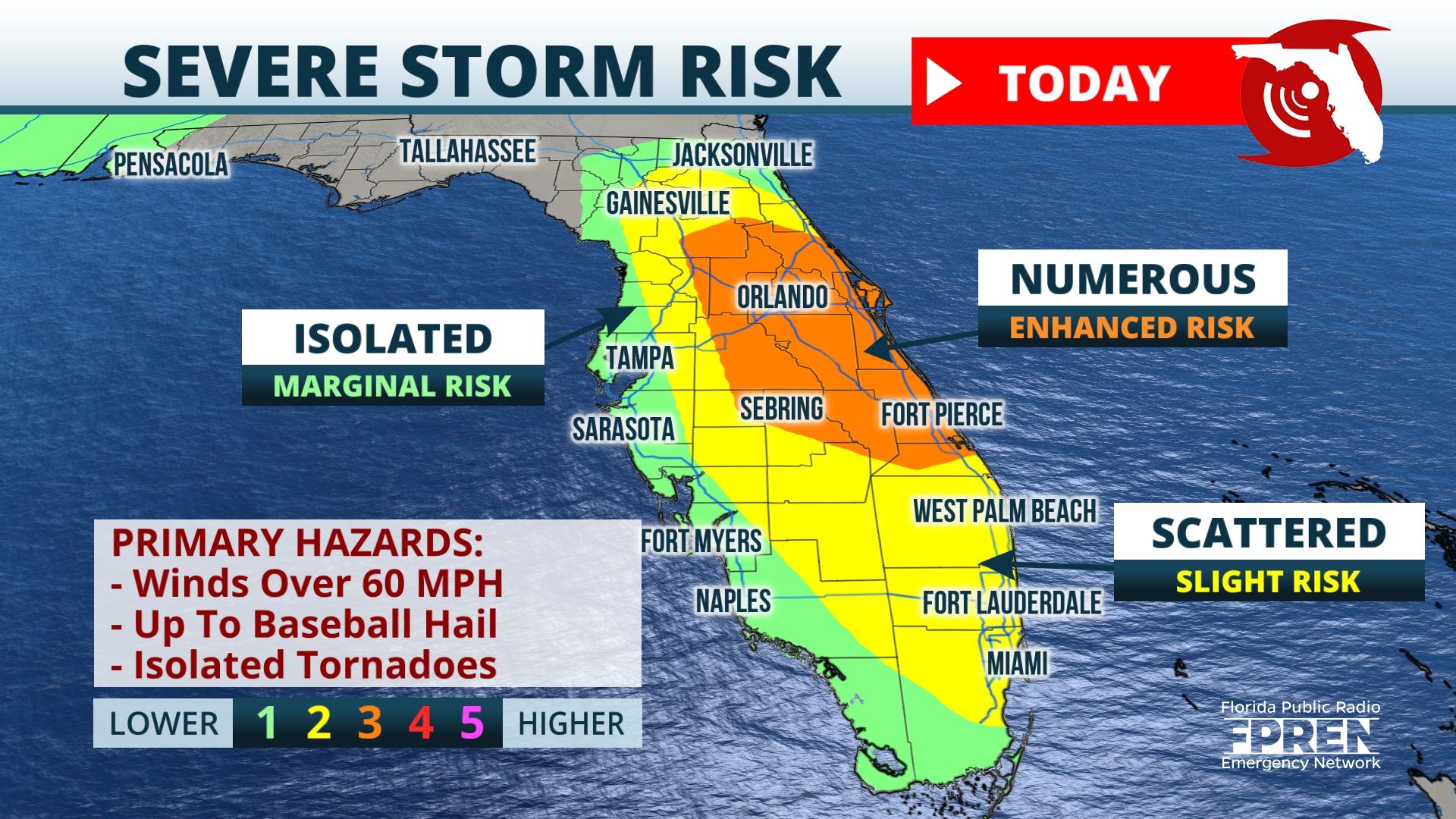
- Traveler Tips: Pack light, breathable clothing made from moisture-wicking fabrics. Stay hydrated by drinking plenty of water. Sunscreen, hats, and sunglasses are essential. Always have an umbrella or light rain jacket handy for sudden downpours. Be aware that hurricane season runs from June 1st to November 30th, with the peak typically in August and September. It’s advisable to monitor weather forecasts closely during these months.
Autumn (September-November): A Pleasant Transition
As summer transitions into autumn, Jacksonville experiences a gradual cooling and a welcome decrease in humidity. September can still feel very much like summer, but by October and November, temperatures become much more comfortable, often ranging from the mid-60s to high 70s Fahrenheit (around 18-26°C). Rainfall diminishes, and sunny days become more prevalent.
- Impact on Travel: This is an excellent time for outdoor activities that might be too hot in summer. Exploring parks like the Timucuan Ecological and Historic Preserve or Kathryn Abbey Hanna Park becomes much more enjoyable. Golfing, cycling, and attending outdoor festivals are popular. The pleasant weather also makes it a great time to explore Downtown Jacksonville’s offerings.
- Traveler Tips: While hurricane season officially extends into November, the risk generally lessens as autumn progresses. Nevertheless, it’s wise to remain vigilant, especially in September and early October. Layering clothing is a good strategy, as mornings can be cool and afternoons warm.
Winter (December-February): Mild and Enjoyable
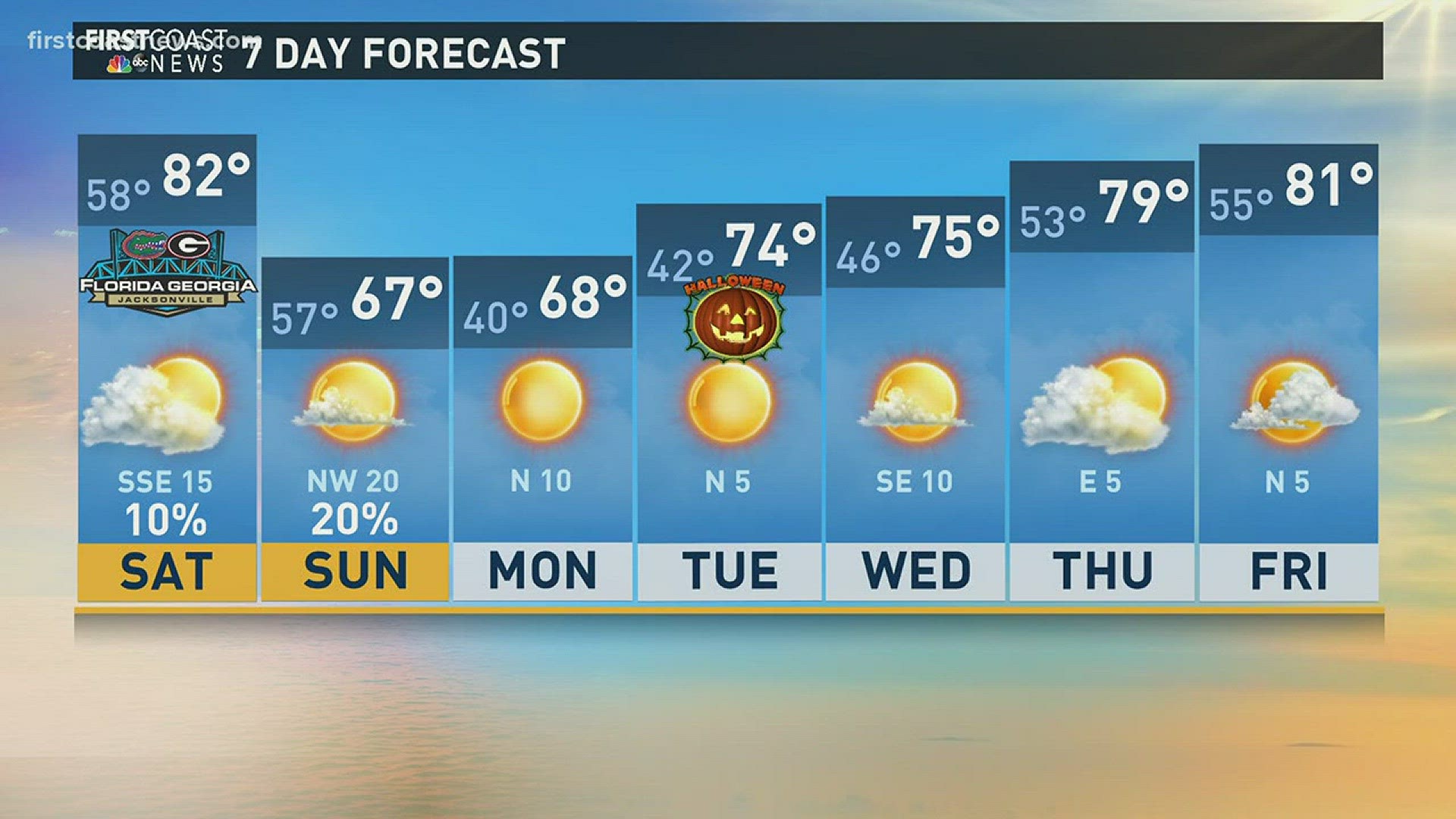
Winters in Jacksonville are mild and often quite pleasant, making it a popular escape for those seeking refuge from colder northern climates. Average daytime temperatures typically range from the low 50s to mid-70s Fahrenheit (around 10-24°C), with nights cooling down to the 40s or occasional 30s. Frost is possible on clear, still nights, but snow is extremely rare. Humidity is significantly lower than in summer, and sunny days are common.
- Impact on Travel: This is arguably one of the best times to visit Jacksonville for comfortable outdoor exploration. Enjoy leisurely strolls along the beaches without the intense heat, visit the Jacksonville Zoo and Gardens, or catch a professional football game at EverBank Stadium. This season is also ideal for birdwatching and exploring the area’s natural beauty without the summer crowds.
- Traveler Tips: While generally mild, cold fronts can bring surprisingly chilly temperatures, so packing layers, including a medium-weight jacket or sweater, is advisable. Don’t forget lighter clothing for warmer afternoons.
Spring (March-May): Blooming and Beautiful
Spring in Jacksonville is a delightful season, marked by gradually rising temperatures and relatively low humidity. Average daily temperatures typically range from the mid-60s to low 80s Fahrenheit (around 18-29°C). Rainfall is moderate, and skies are often clear and sunny, making for beautiful days.
- Impact on Travel: Spring is an incredibly popular time to visit, as the weather is nearly perfect for almost any outdoor activity. Beach trips become increasingly appealing, but without the intense summer heat. Festivals, outdoor dining, and exploring the city’s vibrant neighborhoods are all highly enjoyable. Golf courses are in prime condition, and gardens bloom with colorful flora.
- Traveler Tips: Book accommodations and popular activities in advance, as spring is a peak travel season. While the weather is generally stable, a light jacket for cooler evenings is still a good idea. Sun protection remains important, as the sun’s intensity increases.
Preparing for Jacksonville’s Weather: Essential Travel Tips
Regardless of when you visit Jacksonville, certain universal travel tips related to its climate can enhance your trip:
- Pack Smart: Always include sun protection (sunscreen, hats, sunglasses). For summer, prioritize lightweight, breathable clothing. In cooler months, layers are your friend, allowing you to adapt to temperature fluctuations throughout the day. A compact umbrella or light rain jacket is useful year-round for unexpected showers.
- Stay Hydrated and Sun Safe: Florida’s sun can be intense, even on cloudy days. Drink plenty of water, especially if you’re engaging in outdoor activities. Reapply sunscreen frequently.
- Monitor Forecasts: While seasonal patterns are predictable, daily weather can vary. Check the local forecast a few days before and during your trip, especially if you have outdoor plans or are traveling during hurricane season. Many local news outlets and weather apps provide accurate local updates.
- Flexibility is Key: Afternoon thunderstorms in summer are often brief. If rain disrupts your plans, have a backup indoor activity in mind, or simply wait it out – blue skies often return quickly. During hurricane season, be prepared for potential travel disruptions and consider travel insurance.
Best Times to Visit Based on Weather and Activities
The “best” time to visit Jacksonville largely depends on your travel priorities:
- For Beach Lovers & Water Sports: Late spring (April-May) and early summer (June) offer warm water and plenty of sunshine. If you don’t mind the heat and humidity, mid-summer is also excellent for splashing around, but be prepared for afternoon storms.
- For Outdoor Exploration & Golf: Autumn (October-November) and winter (December-February) provide the most comfortable temperatures and lower humidity, ideal for hiking, cycling, golfing, and exploring parks.
- For Festivals & Events: Spring (March-May) and autumn (October-November) are popular for outdoor events due to the pleasant weather.
- For Budget Travelers & Fewer Crowds: While less ideal weather-wise, late summer (August-September) might offer lower prices and fewer tourists, though you’ll be contending with peak heat, humidity, and hurricane season.
Ultimately, Jacksonville’s diverse climate ensures that there’s a good time to visit for nearly every traveler, provided you come prepared for the conditions. With a little planning, you can fully enjoy all that this vibrant Florida city has to offer.
LifeOutOfTheBox is a participant in the Amazon Services LLC Associates Program, an affiliate advertising program designed to provide a means for sites to earn advertising fees by advertising and linking to Amazon.com. Amazon, the Amazon logo, AmazonSupply, and the AmazonSupply logo are trademarks of Amazon.com, Inc. or its affiliates. As an Amazon Associate we earn affiliate commissions from qualifying purchases.