
Las Vegas, Nevada, often referred to as “Sin City” or the “Entertainment Capital of the World,” is a magnet for travelers seeking excitement, luxury, and unforgettable experiences. From its dazzling casinos and world-class resorts to its vibrant nightlife and spectacular shows, the city offers an unparalleled array of attractions. However, nestled in the heart of the Mojave Desert, Las Vegas’s climate is as distinctive as its personality. Understanding the weather patterns of this dynamic destination is crucial for planning the perfect trip, whether you’re aiming for a leisurely escape, a high-stakes business stay, or an adventurous exploration of the surrounding natural wonders. The unique desert climate plays a significant role in shaping the rhythm of life and tourism in Las Vegas, influencing everything from the best time to visit outdoor landmarks to the ideal choice of accommodation and packing essentials.
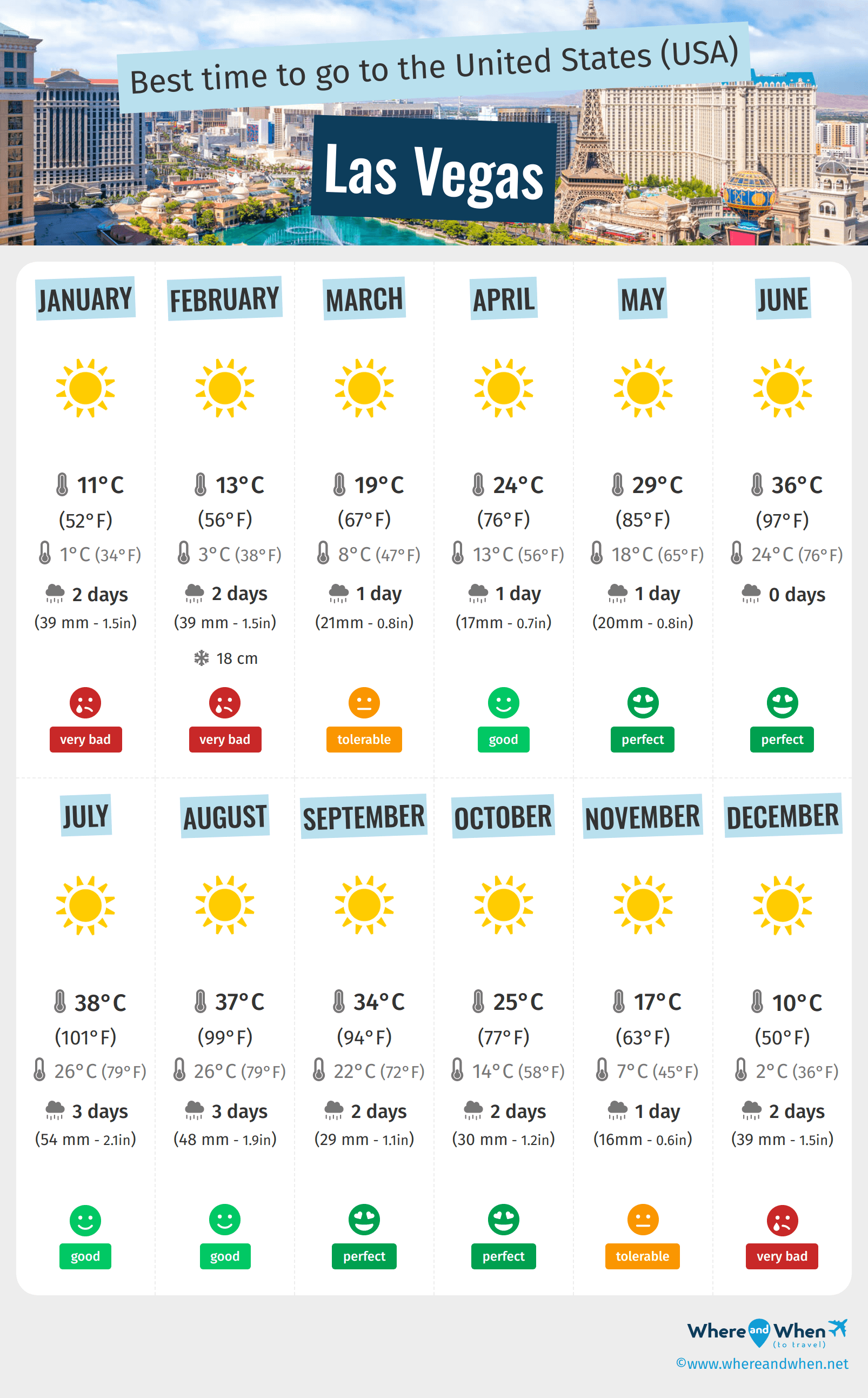
This comprehensive guide will delve into the seasonal nuances of Las Vegas’s weather, offering insights into what to expect throughout the year and how to best prepare for your visit. We’ll explore how temperature, humidity, and sunshine levels impact your travel itinerary, accommodation choices, and overall experience, ensuring you’re well-equipped to enjoy all that this incredible city has to offer, no matter when you decide to roll the dice.
Understanding the Desert Climate: Seasons in Las Vegas
Las Vegas experiences a subtropical hot desert climate, characterized by extremely hot, dry summers and mild winters. Rainfall is sparse, and sunshine is abundant year-round, making it a generally bright and clear destination. The city averages over 300 sunny days annually, which contributes significantly to its appeal as a vacation spot. However, the intensity of the sun and the fluctuating temperatures across seasons demand careful planning for any traveler.
Summer: The Scorching Peak Season
From June through September, Las Vegas truly earns its desert reputation. Summers are undeniably hot, with daily high temperatures frequently soaring above 100°F (38°C) and often reaching 105-115°F (40-46°C) in July and August, which are the hottest months. Overnight lows typically remain in the upper 70s to low 80s°F (25-29°C), offering little respite from the heat. Humidity, however, is very low, making the “dry heat” more tolerable than humid climates, although the intensity of the sun can be overwhelming.
This extreme heat significantly influences travel and tourism. Outdoor activities during midday are largely impractical, if not dangerous. Travelers often adapt by shifting their schedules to enjoy outdoor attractions in the early mornings or late evenings. For instance, exploring The Strip on foot becomes a dawn or dusk endeavor. Pool parties, a quintessential Las Vegas experience, become central to the summer lifestyle. Resorts like the MGM Grand and Aria Resort & Casino boast elaborate pool complexes, offering a refreshing escape from the searing temperatures. Hydration is paramount, and visitors are advised to constantly drink water.
Accommodation choices during summer heavily emphasize air-conditioned comfort. Hotels and resorts are equipped with powerful cooling systems, and many offer indoor entertainment options such as shopping malls, spas, and extensive casinos to keep guests comfortable. For those on luxury travel budgets, cabanas by the pool with dedicated service provide an exclusive way to beat the heat. Family trips during this time often focus on indoor attractions like arcades, shows, and air-conditioned shopping promenades like the Grand Canal Shoppes at The Venetian Resort or the Forum Shops at Caesars Palace. Despite the heat, summer remains a popular time for visitors, drawn by special events, lively pool scenes, and the allure of escaping to an air-conditioned wonderland.
Autumn: Pleasant and Popular
As summer gradually recedes, autumn in Las Vegas (October to November) ushers in arguably the most pleasant weather of the year. Temperatures become significantly more moderate, with average highs ranging from the mid-70s to low 90s°F (24-34°C) in October, cooling to the mid-60s to mid-70s°F (18-24°C) in November. Nights are comfortably cool, usually dropping into the 50s°F (10-15°C). The intense summer sun mellows, making outdoor exploration much more enjoyable.
This season is a prime time for tourism. The comfortable temperatures are ideal for a wide range of activities, from leisurely strolls along The Strip to exploring nearby natural landmarks. Hiking in Red Rock Canyon National Conservation Area or Valley of Fire State Park becomes a popular option, offering stunning desert landscapes under a gentle sun. Golf courses are in high demand, and outdoor dining experiences flourish.
Due to the excellent weather, autumn is one of Las Vegas’s peak booking seasons. Hotels and resorts often see higher occupancy rates and prices, especially during major conventions or holiday weekends. Travelers planning romantic getaways or business trips often target these months for their optimal conditions. It’s advisable to book accommodation and flights well in advance if you plan to visit during this popular period.
Winter: Surprisingly Mild and Bustling
Winter in Las Vegas, from December through February, is surprisingly mild and often very comfortable. Average daytime highs range from the low 50s to low 60s°F (10-16°C), while nights can be chilly, sometimes dipping below freezing, but typically staying in the 30s to 40s°F (0-9°C). Snowfall is extremely rare on The Strip itself, though the surrounding mountains might receive a dusting. Light rainfall can occur, but prolonged wet periods are uncommon.
Despite the cooler temperatures, winter is a bustling time for tourism, largely due to holiday events, major conventions (like CES), and a surge in visitors escaping colder climates elsewhere. The weather is perfect for exploring indoor attractions, attending spectacular shows, dining at world-class restaurants, and indulging in retail therapy without the heat fatigue. Iconic holiday displays, like the Bellagio Conservatory & Botanical Gardens, draw crowds.
Accommodation can still be expensive around holidays like New Year’s Eve, but outside of these peak dates, winter can offer more value-oriented travel options compared to the spring or fall. Many resorts heat their pools year-round, so swimming remains an option for hardy souls. This season is ideal for those who prefer cooler weather for walking and exploring, and for travelers seeking a festive atmosphere.
Spring: Bloom and Balmy Breezes
March through May brings another delightful season to Las Vegas. Spring offers a gradual warming trend, with average highs climbing from the high 60s°F (18-20°C) in March to the low 90s°F (32-34°C) by May. Nights are pleasantly cool. The desert landscape, invigorated by any winter rains, can briefly burst into bloom, adding a touch of ephemeral beauty to the rugged surroundings.
Similar to autumn, spring is an excellent time for a wide variety of activities. The weather is perfect for outdoor adventures like hiking, golfing, or exploring the vast Lake Mead National Recreation Area and the impressive Hoover Dam. The Strip is vibrant with visitors enjoying outdoor dining, patio bars, and walking tours. Spring break periods and various festivals contribute to a lively atmosphere.
Accommodation demand is moderate to high during spring, reflecting the appealing weather. It’s a popular time for family trips before the intense summer heat sets in, and for adventure travel focused on the outdoors. Booking in advance is recommended, particularly if your travel dates coincide with major events or school holidays.
Weather’s Influence on Your Las Vegas Experience
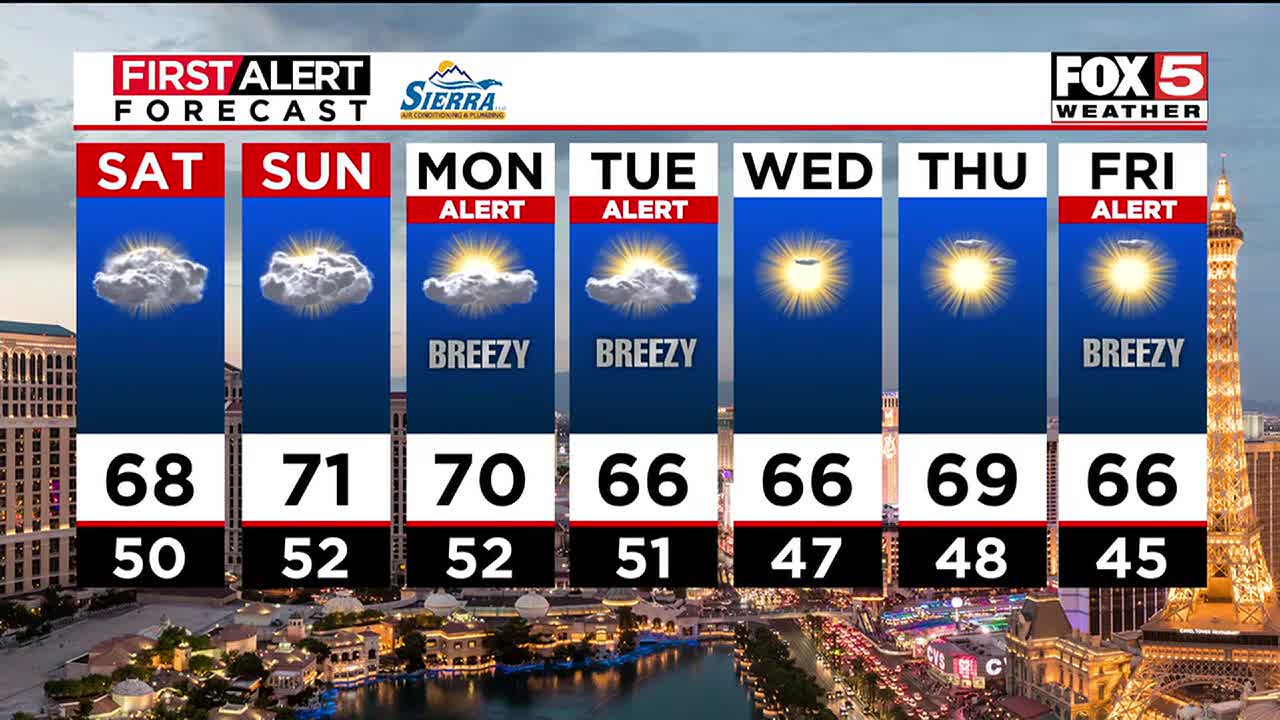
The distinct seasonal variations in Las Vegas weather profoundly impact how you experience the city. Adapting your plans and packing smart are key to a comfortable and enjoyable trip.
Planning Your Itinerary: Activities and Attractions
- Summer: Focus heavily on indoor activities. Enjoy world-class shows, explore the many museums like the Neon Museum or the Mob Museum, indulge in shopping, and spend afternoons by the pool. If venturing outdoors, do so in the early morning or late evening.
- Autumn & Spring: These shoulder seasons are ideal for a balanced itinerary. Combine indoor entertainment with extensive outdoor exploration. Walk The Strip, take a scenic drive through Red Rock Canyon, visit the Hoover Dam, or even go boating on Lake Mead.
- Winter: Perfect for those who prefer cooler temperatures for walking and sightseeing. Enjoy outdoor installations and holiday decorations without breaking a sweat. It’s also prime time for experiencing Las Vegas’s incredible array of shows, concerts, and fine dining.
Accommodation Choices and Comfort
Regardless of the season, air conditioning is a non-negotiable comfort in Las Vegas hotels. During the scorching summer, the quality of your hotel’s cooling system can make or break your stay. Many resorts offer expansive indoor environments – interconnected walkways, shopping arcades, and casinos – allowing guests to move between different properties like the Bellagio and the Cosmopolitan without stepping outside into the heat. In cooler months, while AC is less critical, heated pools are a welcome amenity, extending the swimming season year-round at many properties. When booking accommodation, consider the proximity of your hotel to major indoor attractions and whether it offers climate-controlled access to other resorts or shopping centers.
Packing Essentials for Every Season
- Summer: Lightweight, breathable clothing (cotton, linen), wide-brimmed hats, sunglasses, high-SPF sunscreen are absolute musts. Pack a light sweater or jacket for heavily air-conditioned indoor spaces, as the contrast can be quite stark. Sandals or open-toed shoes are comfortable, but also bring comfortable walking shoes if you plan to explore.
- Autumn & Spring: Layers are your best friend. Days can be warm, but evenings cool down considerably. Pack jeans or light trousers, short-sleeved shirts, and a medium-weight jacket or sweater. Comfortable walking shoes are essential for exploring.
- Winter: Bring warmer layers, including long-sleeved shirts, sweaters, and a medium-weight coat or jacket. A scarf and gloves might be useful for chilly evenings. Closed-toe shoes are recommended.
Regardless of the season, comfortable walking shoes are crucial for navigating Las Vegas’s vast resorts and expansive Strip. Always prioritize hydration, carrying a water bottle, especially if you plan to be outdoors.
Beyond the Strip: Regional Weather and Excursions
While Las Vegas itself is a hub of entertainment, its surrounding natural landscape, the Mojave Desert, offers breathtaking beauty and unique adventures. However, the weather in these areas, often at different elevations, can vary significantly from the city center and requires specific preparation.
Day Trips to Natural Wonders
- Red Rock Canyon National Conservation Area: Just a short drive west of Las Vegas, Red Rock Canyon offers stunning rock formations and hiking trails. It’s best visited during the cooler months of autumn, winter, and spring. Summer hiking is strongly discouraged due to extreme heat and lack of shade. Even in spring and fall, bring plenty of water.
- Valley of Fire State Park: Nevada’s oldest state park, about an hour northeast of Las Vegas, features Aztec sandstone outcrops that appear to be on fire when reflecting the sun’s rays. Like Red Rock Canyon, it’s best explored from October to April to avoid dangerous summer temperatures.
- Lake Mead National Recreation Area and the Hoover Dam: Located southeast of Las Vegas, these destinations offer opportunities for boating, fishing, and historical tours. Water activities on Lake Mead are popular in the warmer months (late spring through early autumn), while tours of the Hoover Dam are comfortable year-round, though the heat can still be intense on the dam’s exterior in summer.
- Grand Canyon: Many visitors to Las Vegas take day trips to the Grand Canyon, either to the West Rim (closer, home of the Skywalk) or the South Rim (more distant, classic views). Weather at the Grand Canyon can be dramatically different due to elevation. The South Rim can experience significant snowfall and cold temperatures in winter, while the West Rim generally has milder winters but still very hot summers. Always check the specific forecast for your chosen rim before departing.
- Death Valley National Park: While not typically a day trip for the faint of heart in summer, Death Valley, one of the hottest places on Earth, is also accessible from Las Vegas. It’s a fascinating visit in the much cooler winter months, offering stark, beautiful landscapes.
Adapting to Desert Conditions
When exploring outside the urban core, an understanding of desert conditions is vital. The sun’s intensity is consistently high. Sunscreen, hats, and sunglasses are non-negotiable. Hydration is key; carry more water than you think you’ll need, as facilities might be sparse. Be aware of signs of heat exhaustion or heatstroke, especially during warmer months.
Additionally, while infrequent, Las Vegas and the surrounding desert can experience “monsoon season” typically from July through September. This brings occasional, often intense thunderstorms, which can lead to flash floods in washes and low-lying areas, especially in the canyons and desert parks. Always heed weather warnings and avoid entering flood-prone areas during or after heavy rainfall.
Making the Most of Any Weather in Las Vegas
One of Las Vegas’s greatest strengths as a travel destination is its ability to offer an exceptional experience regardless of the weather. The city has mastered the art of indoor entertainment and comfort.
Embracing Indoor Entertainment
When the weather outside is either too hot or unusually cool, Las Vegas’s indoor attractions shine. The city boasts an unparalleled array of shows, from Cirque du Soleil spectacles to residencies by global music icons. Its casinos offer endless gaming opportunities. Upscale shopping malls, such as those at the Bellagio or the Cosmopolitan, provide a climate-controlled retail therapy experience. For culture and history buffs, museums like the Mob Museum and the Neon Museum offer fascinating insights into Las Vegas’s unique past. Fine dining, vibrant nightclubs, and serene spas round out the extensive indoor options, ensuring there’s always something exciting to do, shielded from the elements.
Leveraging Hotel Amenities
Las Vegas resorts are designed to be self-contained worlds, offering everything a traveler could desire under one roof. Many feature elaborate pool areas, some with year-round heated pools, or even indoor water parks like Cowabunga Bay. These amenities become particularly valuable in extreme weather, offering leisure and comfort without having to venture far. Many resorts on The Strip are interconnected by climate-controlled walkways, trams, or even underground tunnels, allowing guests to explore different properties without exposure to the elements. This seamless integration of accommodation, entertainment, and dining creates a comfortable and convenient experience for all types of travelers, from luxury seekers to those planning a family trip.
In conclusion, the weather in Las Vegas, Nevada, is a significant factor to consider when planning your trip, but it should never deter you from visiting. While summers are intensely hot, and winters can be surprisingly cool, the city’s infrastructure and array of activities are perfectly adapted to ensure comfort and enjoyment year-round. By understanding the seasonal patterns and preparing accordingly – whether by packing smart, choosing the right accommodation, or planning your itinerary to suit the temperatures – you can unlock the full potential of this dazzling desert oasis. Las Vegas truly is a destination where every season offers a unique and unforgettable experience, making it a premier choice for travelers seeking adventure, relaxation, or anything in between.
LifeOutOfTheBox is a participant in the Amazon Services LLC Associates Program, an affiliate advertising program designed to provide a means for sites to earn advertising fees by advertising and linking to Amazon.com. Amazon, the Amazon logo, AmazonSupply, and the AmazonSupply logo are trademarks of Amazon.com, Inc. or its affiliates. As an Amazon Associate we earn affiliate commissions from qualifying purchases.