
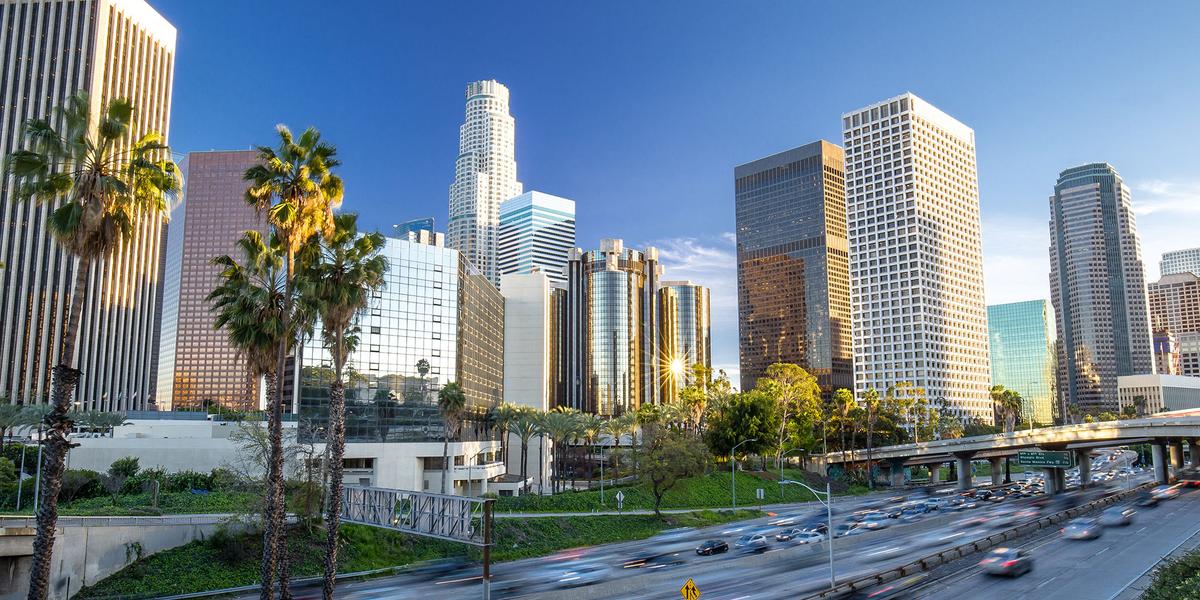
The allure of Los Angeles, California, as a premier travel destination is undeniably tied to its celebrated climate. Often referred to as the “City of Angels,” it promises visitors a lifestyle steeped in sunshine, an ideal backdrop for exploration, relaxation, and a myriad of experiences throughout the year. Understanding the nuances of Los Angeles’s weather is not just about knowing whether to pack a coat or shorts; it’s about optimizing your itinerary, enhancing your comfort, and truly immersing yourself in everything this vibrant metropolis has to offer. From its sun-drenched beaches to its bustling urban core and the majestic mountains that frame its eastern edge, the weather plays a pivotal role in defining the character of a visit.
The Allure of Los Angeles’s Climate: A Year-Round Destination
Los Angeles boasts a Mediterranean climate, characterized by mild, wet winters and hot, dry summers. This climatic pattern is globally coveted for its pleasantness, affording residents and visitors alike an abundance of clear skies and comfortable temperatures for much of the year. Unlike regions with extreme seasonal shifts, Los Angeles offers a relatively consistent forecast of agreeable conditions, making it a viable and appealing destination regardless of the calendar month. This climatic stability is a significant draw for the millions who flock to its shores annually, promising an outdoor-centric travel experience that is rarely hindered by adverse weather.
General Climate Overview
The defining characteristics of Los Angeles’s weather include ample sunshine, low humidity for most of the year, and minimal rainfall concentrated mainly in the winter months. Summers are long, warm, and exceptionally dry, with temperatures often soaring into the 80s Fahrenheit (27-32°C) and occasionally higher in inland areas. Winters, conversely, are short and mild, with daytime temperatures typically hovering in the 60s Fahrenheit (15-20°C). Frost is a rare occurrence, and snow is virtually unheard of in the basin, reserved instead for the higher elevations of the surrounding mountains. The consistency of sunny days allows for extensive outdoor activities, from beach visits to hiking, nearly every day of the year, which is a major boon for travelers seeking an active vacation. The city averages over 280 sunny days per year, a statistic that speaks volumes about its predictable and inviting weather patterns.
Microclimates: The City of Angels’ Diverse Topography
One of the most fascinating aspects of Los Angeles’s weather is its distinct microclimates. Due to its diverse topography, encompassing a coastal plain, valleys, and mountain ranges, weather conditions can vary significantly across relatively short distances. For example, a warm, sunny day in Downtown Los Angeles might coincide with a cooler, foggier morning along the coast in Santa Monica or Malibu. The Pacific Ocean plays a crucial role in moderating coastal temperatures, leading to cooler summers and milder winters compared to inland areas like the San Gabriel Mountains or the San Fernando Valley. These inland regions experience more extreme temperature swings, with hotter summers and colder winters. This phenomenon means that travelers must consider their specific destinations within the greater Los Angeles area when planning activities and packing. A trip combining beach time with a hike in Runyon Canyon Park or a visit to Universal Studios Hollywood might necessitate packing for a range of temperatures within a single day.
Seasonal Breakdown: What to Expect When You Visit
Understanding the distinct characteristics of each season in Los Angeles is essential for effective travel planning, allowing visitors to align their expectations and activities with the prevailing climate.
Spring (March – May): Mild and Pleasant
Spring in Los Angeles is arguably one of the most delightful times to visit. The air is crisp, the skies are generally clear, and the temperatures are wonderfully mild, typically ranging from the low 50s to high 70s Fahrenheit (10-25°C). The brief winter rains have often left the surrounding hillsides lush and green, creating picturesque landscapes. Humidity remains low, and while coastal areas may still experience occasional morning fog (the famous “May Gray” or “June Gloom” which sometimes extends into May), it usually burns off to reveal sunny afternoons. This season is perfect for exploring outdoor attractions, dining al fresco, and enjoying comfortable conditions without the peak summer crowds or heat.
Summer (June – August): Sunny and Warm
Summers are the epitome of Los Angeles’s iconic image: abundant sunshine, warm temperatures, and virtually no rain. Daytime highs typically range from the low 70s Fahrenheit (22°C) near the coast to the high 80s or even 90s Fahrenheit (30-35°C) inland. While “June Gloom” can sometimes extend into July along the immediate coastline, bringing overcast mornings, these typically give way to bright, warm afternoons. Evening temperatures remain pleasant, often in the 60s Fahrenheit (15-20°C), making it ideal for evening strolls or outdoor entertainment. This is peak tourist season, drawing visitors eager to experience the classic California summer, from lounging on Venice Beach to experiencing the thrill of Disneyland (which is in nearby Anaheim). While the heat can be intense inland, the coastal breezes offer a refreshing reprieve, making beach communities popular retreats.
Autumn (September – November): Indian Summers and Clear Skies
Many locals consider autumn to be the best season in Los Angeles. The oppressive summer heat often breaks, yet the warm, sunny days linger, creating what is known as “Indian Summer.” Temperatures are pleasantly warm, often in the 70s and 80s Fahrenheit (21-30°C), particularly in September and October. The air often feels clearer, and the light is particularly beautiful, making it an excellent time for photography and sightseeing. As November approaches, temperatures begin to cool, and there’s a slight increase in the chance of rain, signaling the approach of winter. The crowds also thin out after the peak summer season, offering a more relaxed experience at popular attractions like the Griffith Observatory.
Winter (December – February): Cool and Occasionally Wet
Los Angeles’s winter is mild by most standards, though it represents the city’s “rainy season.” Daytime temperatures typically range from the high 50s to mid-60s Fahrenheit (13-20°C), with evenings cooling down to the 40s Fahrenheit (4-9°C). While the rain can be a factor, it rarely lasts for extended periods, and many days are still sunny and clear. The occasional storms are crucial for replenishing the region’s water supply. Snowfall is extremely rare in the city basin but common in the nearby San Gabriel Mountains, offering opportunities for skiing or snowboarding just a short drive from the city. Winter is also a great time for cultural events, museum visits, and exploring attractions without the larger crowds of summer.
Packing Smart: Essentials for Your Los Angeles Trip
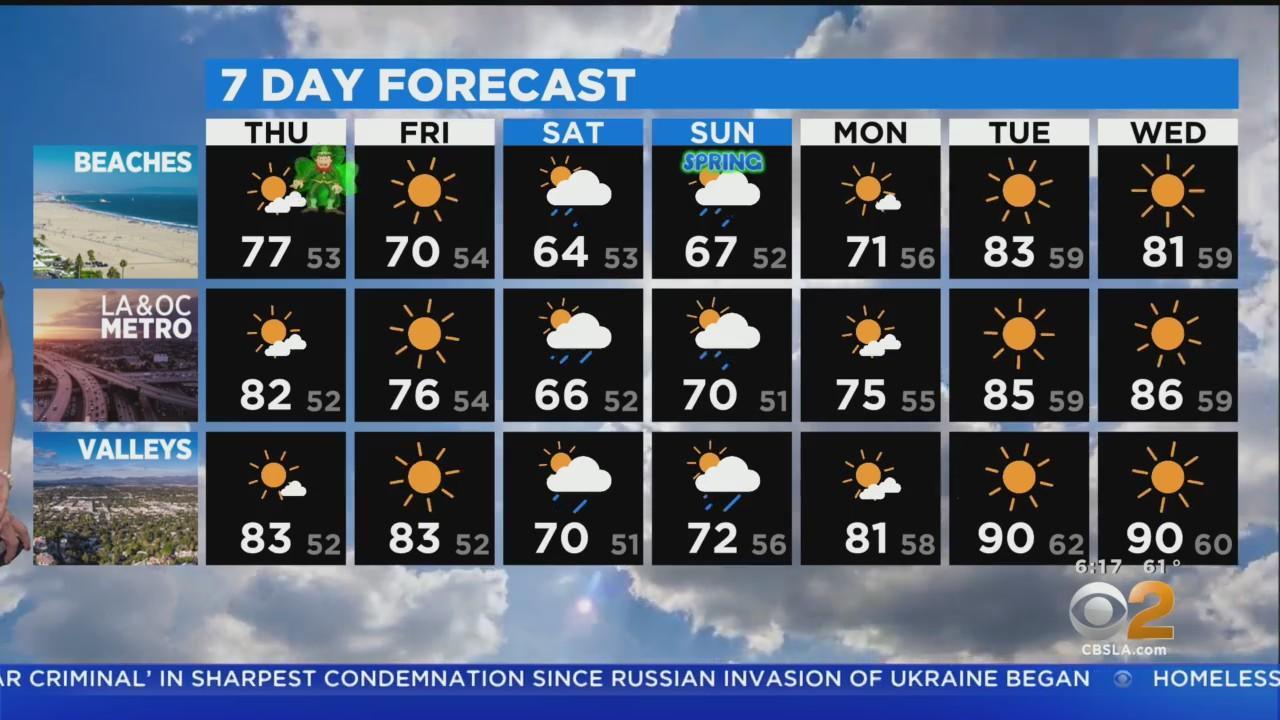
Given Los Angeles’s diverse microclimates and generally pleasant but occasionally variable conditions, strategic packing is paramount for a comfortable and enjoyable trip.
Layering is Key
The most crucial piece of advice for packing for Los Angeles is to dress in layers. Even on the warmest days, coastal breezes can bring a chill, and air-conditioned indoor venues can feel cold after spending time in the sun. A light jacket, cardigan, or a stylish hoodie is indispensable, especially for evenings, early mornings, or visits to coastal areas. For daytime, comfortable t-shirts, light blouses, or breathable fabrics are ideal. This approach allows you to adapt effortlessly to changing temperatures throughout the day and across different parts of the city.
Sun Protection is Non-Negotiable
With sunshine being a constant companion in Los Angeles, sun protection is not just recommended but essential. Pack high-SPF sunscreen, sunglasses, and a wide-brimmed hat to shield yourself from the strong California sun, even on overcast days. Prolonged exposure can lead to sunburn quickly, impacting your comfort and ability to enjoy outdoor activities. Lip balm with SPF is also a good idea.
Footwear for Exploration
Much of the Los Angeles experience involves walking, whether exploring Hollywood Boulevard, strolling along Santa Monica Pier, or hiking in Angeles National Forest. Comfortable walking shoes, sneakers, or sandals (for warmer months) are a must. If you plan on more strenuous hikes, ensure you bring appropriate athletic footwear. For evenings out, you might want to pack a dressier pair, but prioritize comfort for daytime exploration.
Maximizing Your Experience: Weather-Dependent Activities and Tips
Leveraging Los Angeles’s favorable weather allows for an incredible range of activities. Tailoring your plans to the season and daily forecast ensures the best possible experience.
Coastal Adventures
The beaches of Los Angeles are best enjoyed during summer and early autumn when temperatures are warmest and the ocean is most inviting. Surfing, paddleboarding, and swimming are popular activities from Santa Monica to Malibu. Even during cooler months, a brisk walk along the sand, a bike ride on the path, or a visit to Catalina Island can be incredibly rejuvenating, though water activities might be limited to those with wetsuits. Always check local beach forecasts, especially for potential “May Gray” or “June Gloom” during late spring/early summer.
Urban Exploration
Los Angeles’s urban attractions, from world-class museums to diverse neighborhoods like Beverly Hills and Hollywood, are accessible year-round. Cooler spring and autumn days are ideal for extensive walking tours or exploring outdoor markets. During the height of summer, plan indoor activities during the hottest part of the afternoon, such as visiting museums or taking a studio tour, and save outdoor strolling for mornings and evenings. Winter provides an excellent opportunity to explore indoor cultural institutions without the distraction of extreme heat or large crowds.
Mountain Retreats
The mountains surrounding Los Angeles offer a stark contrast to the city’s climate. During winter, the San Gabriel Mountains can receive significant snowfall, providing opportunities for winter sports. In spring and early summer, the hills are vibrant with wildflowers, perfect for hiking. Always check mountain weather forecasts before heading out, as conditions can change rapidly and differ significantly from the city basin. Summers can be very hot and dry in the mountains, increasing fire risk, so heed any warnings or closures.
Event Planning
Many of Los Angeles’s major events and festivals are timed to capitalize on the good weather. Outdoor concerts, film screenings, and street fairs are common during spring, summer, and fall. If attending a large outdoor event, consider the sun exposure and potential for cooler evening temperatures. Even rainy winter days don’t halt the city’s vibrant cultural scene; rather, they encourage exploration of its renowned indoor venues and eateries.

The Best Time to Visit Los Angeles for You
Ultimately, the “best” time to visit Los Angeles largely depends on your personal preferences and planned activities. If sun-drenched beach days and lively outdoor events are your priority, late summer to early autumn (August to October) offers reliably warm weather and clear skies. For comfortable sightseeing, hiking, and exploring urban attractions without the intense heat or peak crowds, spring (March to May) and late autumn (November) are ideal. Even winter, with its milder temperatures and occasional rain, presents a unique charm for those seeking a less crowded, more culturally focused trip. Regardless of the season, Los Angeles’s consistent Mediterranean climate ensures a welcoming backdrop for an unforgettable travel experience, proving its status as a quintessential year-round destination.
LifeOutOfTheBox is a participant in the Amazon Services LLC Associates Program, an affiliate advertising program designed to provide a means for sites to earn advertising fees by advertising and linking to Amazon.com. Amazon, the Amazon logo, AmazonSupply, and the AmazonSupply logo are trademarks of Amazon.com, Inc. or its affiliates. As an Amazon Associate we earn affiliate commissions from qualifying purchases.