
Puerto Rico, the enchanting island nestled in the northeastern Caribbean, is a year-round paradise for travelers. Its tropical climate offers warm temperatures, gentle breezes, and a vibrant atmosphere conducive to exploration and relaxation. Understanding the nuances of its weather patterns is key to planning the perfect escape, ensuring you pack appropriately and can fully immerse yourself in the island’s diverse offerings. From the sun-drenched beaches of San Juan to the lush rainforests of the El Yunque National Forest, the weather plays a significant role in shaping the island’s allure and the experiences available to visitors.
Understanding Puerto Rico’s Tropical Climate
Puerto Rico experiences a tropical marine climate, characterized by high humidity and relatively consistent temperatures throughout the year. The island is situated in the trade wind belt, which generally brings refreshing easterly and northeasterly breezes, mitigating the intensity of the tropical heat. The average annual temperature hovers around a balmy 80°F (27°C), with minimal seasonal variation. This consistent warmth makes it an ideal destination for those seeking an escape from colder climates.
Seasonal Variations and Their Impact
While the temperature remains remarkably stable, Puerto Rico does experience two distinct seasons: the dry season and the wet season. These are not marked by dramatic temperature shifts but rather by differences in rainfall.
The Dry Season (December to May)
The dry season is generally considered the most pleasant time to visit Puerto Rico. During these months, rainfall is significantly lower, and humidity levels tend to be a bit more manageable. The skies are often clearer, offering abundant sunshine perfect for beach activities, exploring historical sites like Old San Juan, and enjoying outdoor adventures. The trade winds are usually at their strongest during this period, providing a welcome cooling effect. This season coincides with the peak tourist period, so expect larger crowds and potentially higher prices for accommodations and flights, especially around holidays like Christmas and Easter.
The Wet Season (June to November)
The wet season, while characterized by more frequent rainfall, does not mean constant downpours. Instead, expect brief, intense showers, often occurring in the afternoon. These rain events are usually short-lived and are followed by sunshine, keeping the island lush and green. The humidity levels are higher during these months, and the temperatures can feel warmer. This period also marks the Atlantic hurricane season, which runs from June 1st to November 30th, with the highest risk typically between August and October. While hurricanes are infrequent, travelers visiting during this time should stay informed about weather advisories. The wet season often offers lower prices and fewer crowds, making it an attractive option for budget-conscious travelers or those seeking a more tranquil experience.
Regional Weather Differences
Puerto Rico’s diverse topography leads to subtle variations in weather across the island.
Coastal Areas
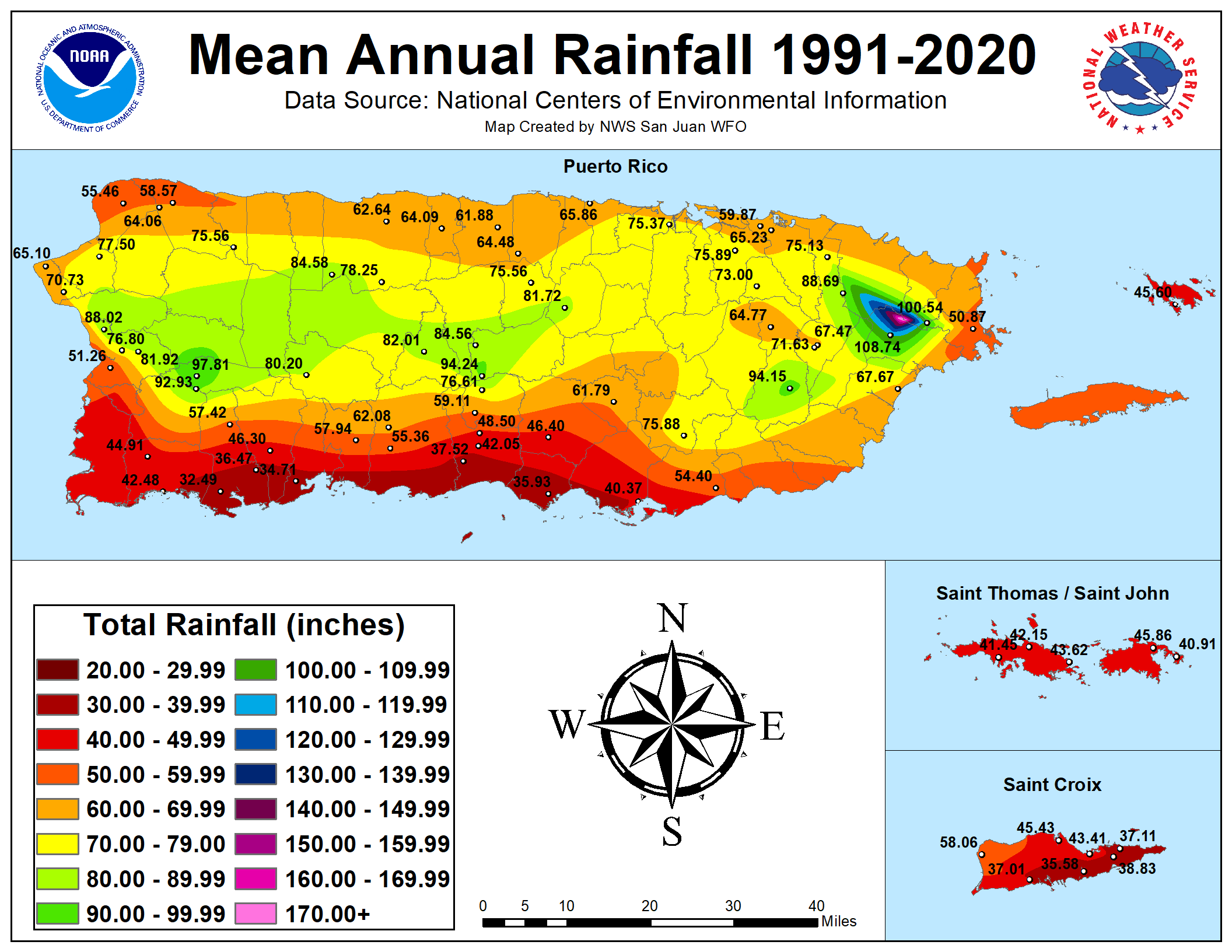
The coastal regions, including popular destinations like Ponce and Rincón, tend to be warmer and experience more consistent sea breezes. The proximity to the ocean moderates temperatures, making the beaches particularly inviting. Rainfall in these areas is generally moderate, influenced by the prevailing trade winds.
Inland and Mountainous Regions
The central mountainous region, home to the Cordillera Central, experiences cooler temperatures and higher rainfall compared to the coast. The El Yunque National Forest, the only tropical rainforest in the U.S. National Forest System, is a prime example. Here, consistent cloud cover and higher elevations contribute to a mistier, wetter environment. This lushness supports a unique biodiversity and offers a different kind of natural beauty for visitors.
Western Coast (Rincón)
The western coast, particularly the area around Rincón, is famous for its surf breaks. The weather here can be influenced by the changing direction of ocean swells, but it generally enjoys a good amount of sunshine, especially during the dry season. It’s a prime spot for surfing and water sports enthusiasts.

Preparing for Your Puerto Rican Adventure
Understanding the weather is crucial for packing and planning activities. Regardless of the season, some essentials are always recommended.
Packing Essentials
- Lightweight, Breathable Clothing: Cotton or linen fabrics are ideal for staying cool and comfortable.
- Swimwear: Essential for enjoying the numerous beaches and water activities.
- Rain Gear: A lightweight, packable rain jacket or poncho is advisable, especially during the wet season. Even during the dry season, an unexpected shower can occur.
- Sun Protection: Sunscreen with a high SPF, a wide-brimmed hat, and sunglasses are indispensable. The Caribbean sun is strong.
- Insect Repellent: Particularly useful for evenings and when exploring natural areas like El Yunque.
- Comfortable Walking Shoes: For exploring cities like Old San Juan or hiking in the mountains.
- Waterproof Bag: To protect electronics and valuables during rain showers or boat trips.
Planning Activities Based on Weather
The weather dictates the best activities for any given day.
Sunny Days
Sunny days are perfect for:
- Beach Excursions: Relaxing on the sands of Luquillo Beach, exploring the secluded shores of Culebra (like Flamenco Beach), or enjoying water sports.
- Exploring Old San Juan: Wandering through the cobblestone streets, visiting Castillo San Felipe del Morro and Castillo de San Cristóbal, and enjoying the vibrant atmosphere.
- Island Hopping: Day trips to Culebra and Vieques are best enjoyed with clear skies for boat travel and beach exploration.
- Outdoor Dining: Enjoying mofongo and other local delicacies at outdoor restaurants.
Rainy Days
Even on rainy days, Puerto Rico offers plenty to do:
- Museums and Galleries: Visit the Museo de Arte de Puerto Rico or the Museo de Arte Contemporáneo de Puerto Rico in San Juan.
- Indoor Markets: Explore local crafts and produce.
- Casinos and Entertainment: Enjoy the lively nightlife and entertainment options.
- Arecibo Observatory (formerly): Though damaged, the site offers historical context and is often associated with scientific discovery.
- Coffee Plantations: Many tours are available that include tasting and educational components, often with indoor facilities.
- Bioluminescent Bays: While a boat tour is involved, the magic of the Laguna Grande or Mosquito Bay can be experienced even with overcast skies, and the rain typically stops or lessens during the evening tours.
Hurricane Season Preparedness
As mentioned, Puerto Rico is part of the Atlantic hurricane belt. While the probability of a direct hit is low, it’s essential to be aware and prepared.
During Hurricane Season (June – November)
- Stay Informed: Monitor weather forecasts from reliable sources like the National Hurricane Center and local news outlets.
- Book Flexible Travel: Consider travel insurance and flexible booking options for flights and accommodations.
- Understand Evacuation Routes: Familiarize yourself with local emergency procedures if you are staying for an extended period.
- Check Accommodation Preparedness: Ensure your hotel or rental is equipped to handle potential weather events. Many resorts in areas like Dorado have robust emergency plans.
Climate Change and Its Potential Impact
Like many destinations worldwide, Puerto Rico’s climate is subject to the influences of global climate change. While long-term projections are complex, potential impacts include rising sea levels, increased intensity of storms, and shifts in rainfall patterns. Travelers should be mindful of these broader environmental changes when planning their trips and consider sustainable tourism practices.
In conclusion, Puerto Rico’s weather is a defining element of its charm, offering a tropical embrace that welcomes visitors year-round. By understanding its climate, seasonal variations, and regional differences, you can tailor your visit to maximize your enjoyment, whether you’re seeking sun-drenched adventures on its famous beaches or a more serene exploration of its verdant interior. A little preparation goes a long way in ensuring your Puerto Rican sojourn is as idyllic as the island itself.
LifeOutOfTheBox is a participant in the Amazon Services LLC Associates Program, an affiliate advertising program designed to provide a means for sites to earn advertising fees by advertising and linking to Amazon.com. Amazon, the Amazon logo, AmazonSupply, and the AmazonSupply logo are trademarks of Amazon.com, Inc. or its affiliates. As an Amazon Associate we earn affiliate commissions from qualifying purchases.