
Planning a trip to a new destination always involves a myriad of considerations, from accommodation and attractions to local cuisine and transportation. However, one of the most fundamental, yet often overlooked, factors that can significantly shape your travel experience is the weather. For those setting their sights on the vibrant city of Minneapolis, understanding its distinct and often dramatic seasonal shifts is not just helpful—it’s essential. This guide delves into the climate of Minneapolis, offering insights into what you can expect throughout the year and how to best prepare for an unforgettable visit to this gem of the Midwest.
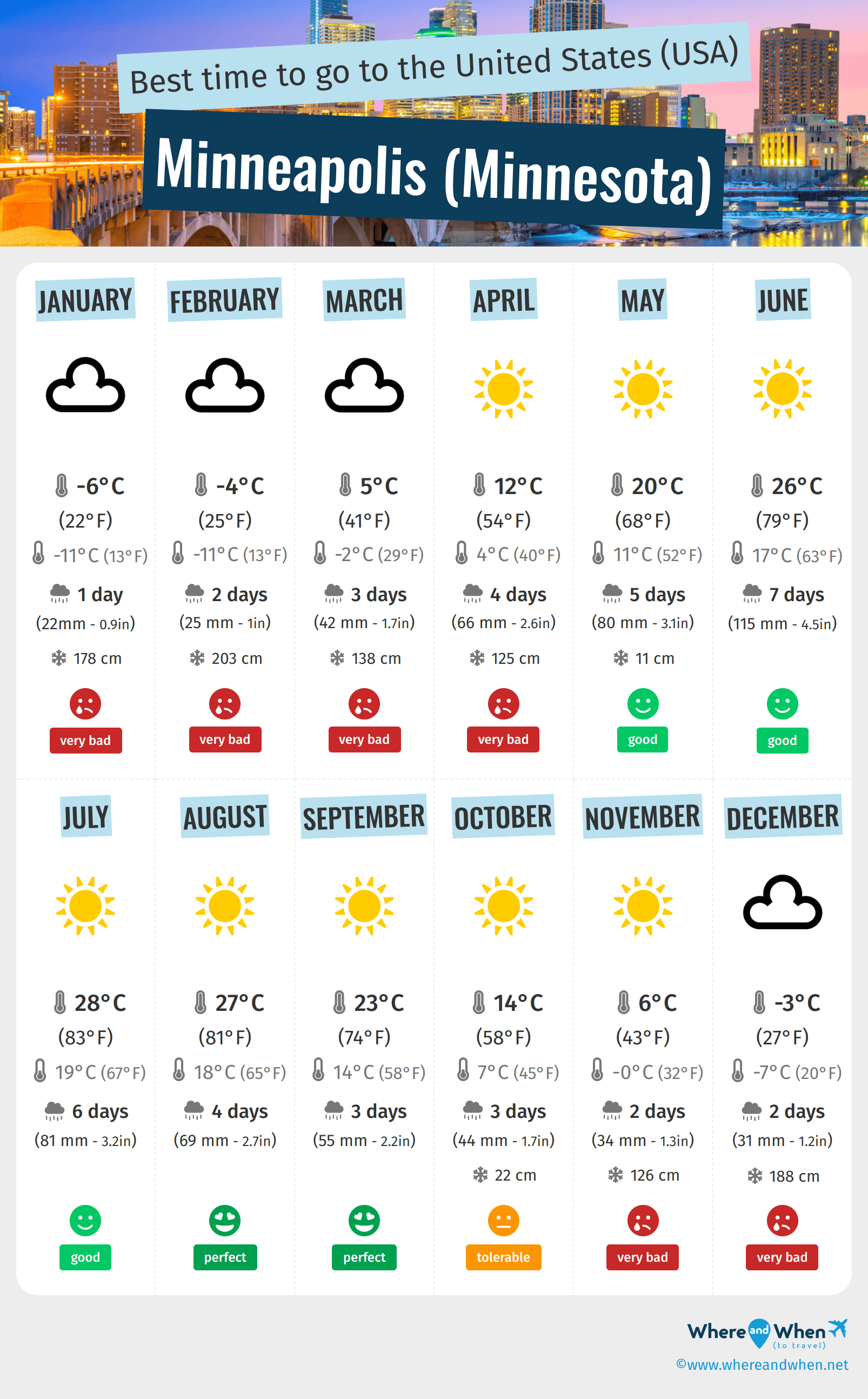
Minneapolis, the larger of the “Twin Cities” (with its sibling city St. Paul), is renowned for its beautiful lakes, parks, and a thriving arts and culture scene. But beneath its urban charm lies a climate characterized by four wonderfully distinct seasons, each offering a unique palette of experiences. From sun-drenched summers to snow-blanketed winters, the weather here doesn’t just change; it transforms the very essence of the city. As a traveler, knowing what’s in store meteorologically allows you to pack appropriately, plan activities strategically, and truly embrace the local rhythm, ensuring your trip is comfortable, enjoyable, and memorable, no matter the time of year.
Understanding Minneapolis’s Distinct Seasons
Minneapolis experiences a humid continental climate, meaning it has wide temperature variations between summer and winter. This isn’t a city of subtle shifts; its seasons are bold, pronounced, and each holds its own unique appeal for travelers.
The Glorious Summers: June to August
Summer in Minneapolis is nothing short of glorious. After a long winter, residents and visitors alike emerge to embrace the warmth, sunshine, and a city buzzing with outdoor activity. Average daytime temperatures typically range from the mid-70s to low 80s Fahrenheit (24-28°C), though occasional heatwaves can push temperatures into the 90s (32°C and above). Evenings are generally pleasant and mild, often perfect for alfresco dining or strolling along the Mississippi River.
Humidity levels can vary, sometimes making the air feel thick, but frequent thunderstorms, though usually short-lived, often bring a refreshing coolness. This is peak season for lake activities, with the city’s famous Chain of Lakes becoming a hub for swimming, kayaking, paddleboarding, and sailing. Parks like Minnehaha Park burst with life, offering waterfalls, walking trails, and open spaces for picnics. The long daylight hours—sometimes extending past 9 PM—mean more time to explore and enjoy the city’s vibrant outdoor festivals and events.
Vibrant Autumns: September to November
As September arrives, Minneapolis transitions into a stunning display of autumn colors. The air becomes crisp, the intense summer humidity dissipates, and the landscape transforms into a breathtaking tapestry of reds, oranges, and yellows. Average temperatures in September are comfortably in the 60s Fahrenheit (15-20°C), gradually cooling to the 40s (4-9°C) by November. Nights can become quite chilly, especially as October progresses.
Autumn is arguably one of the most picturesque times to visit. The changing leaves provide a spectacular backdrop for walks or bike rides, particularly along the Stone Arch Bridge or within the city’s extensive park system. While the first frost can occur in late September, the weather often remains mild and inviting through much of October. Snowfall can begin as early as late October or early November, signaling the impending winter, but generally, the early autumn months offer ideal conditions for exploring the city’s urban attractions without the summer crowds.
Winter Wonderland: December to March
Winter in Minneapolis is a defining characteristic of the city, known for its cold temperatures and abundant snowfall. For the uninitiated, it can seem daunting, but for those prepared, it’s a season of unique beauty and invigorating activities. Average high temperatures typically hover in the 20s Fahrenheit (-6 to -2°C), with lows frequently dipping into the single digits or even below zero (-17°C or colder). Wind chill factors can make it feel significantly colder, requiring proper attire.
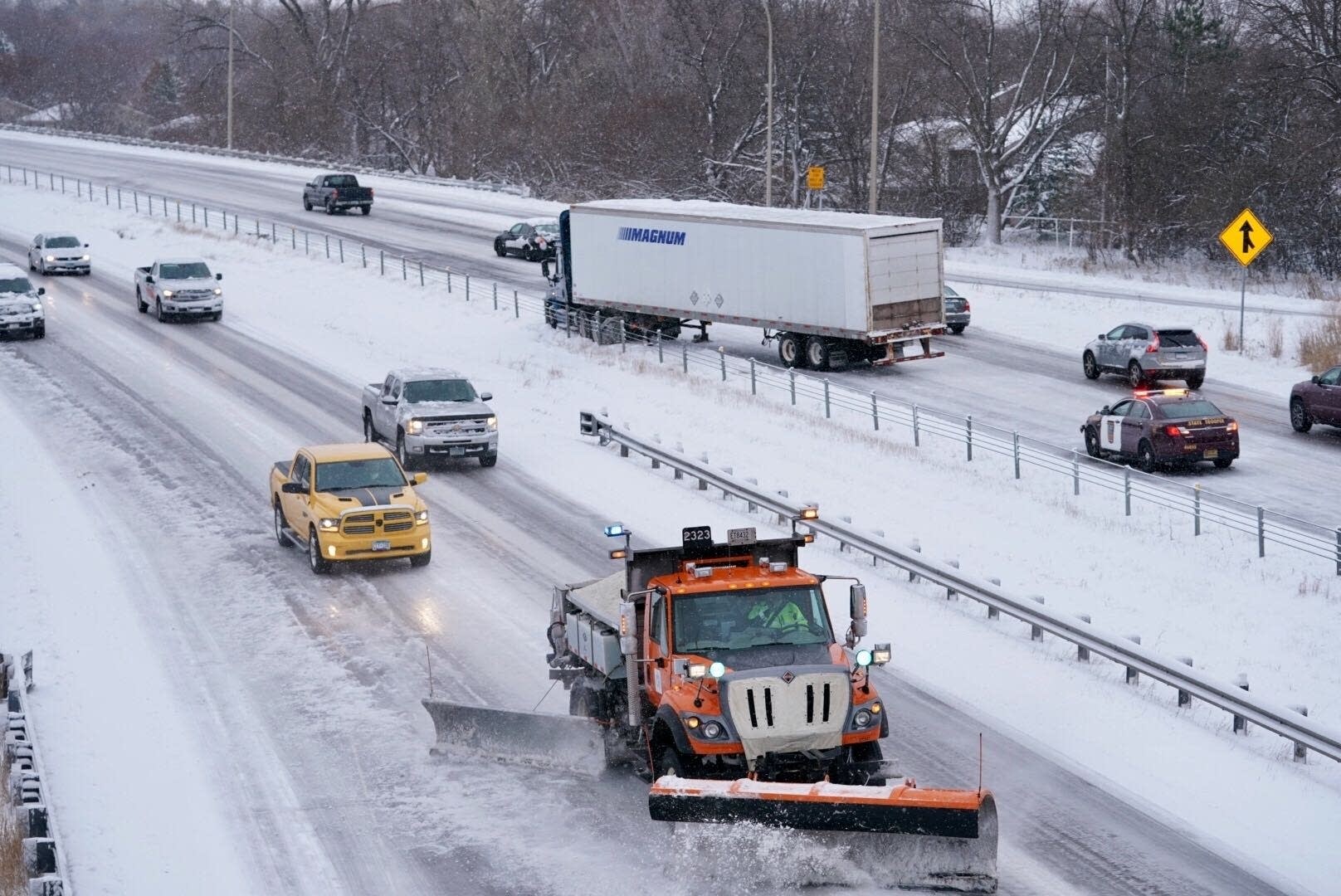
Snowfall is common and often heavy, blanketing the city in a serene white landscape. While this might deter some, it opens up opportunities for winter sports like cross-country skiing, ice skating on frozen lakes, and ice fishing. The city is adept at managing snow, keeping roads and pathways clear. For those seeking warmth, Minneapolis boasts an extensive skyway system connecting downtown buildings, offering a climate-controlled way to navigate. Indoor attractions like the Guthrie Theater, the Walker Art Center, and the nearby Mall of America in Bloomington become popular havens. Embracing the winter means experiencing a truly authentic side of Minneapolis life.
Awakening Springs: April to May
Spring in Minneapolis is a season of transition, often characterized by unpredictable weather as the city shakes off its winter slumber. Early spring in April can still bring cold snaps and even late-season snowfall, with average temperatures in the 40s and 50s Fahrenheit (4-15°C). However, as May progresses, the days rapidly warm, with averages rising into the 60s and 70s (15-24°C).
The landscape slowly awakens, with trees budding and flowers blooming, bringing a fresh vibrancy to the parks and gardens. While the weather can be fickle—sunny and warm one day, cool and rainy the next—it’s a time of optimism and renewal. Travelers in spring should be prepared for a mix of conditions, often needing layers to adapt. It’s a great time to witness the city’s green spaces come alive and enjoy outdoor activities before the full heat of summer arrives.
Planning Your Minneapolis Trip by Season
Choosing the best time to visit Minneapolis largely depends on your travel preferences and the types of activities you wish to pursue. Each season offers a distinct charm and a unique set of adventures.
Summer Travel: Embrace the Outdoors
If you’re an outdoor enthusiast, summer is undeniably the prime time for your visit. The warm weather is perfect for exploring the Chain of Lakes, biking along scenic trails, kayaking on the Mississippi River, or enjoying a picnic in Minnehaha Park. Many festivals and outdoor concerts take place during these months, adding to the city’s lively atmosphere. Packing essentials include light clothing, swimwear, comfortable walking shoes, sunscreen, a hat, and perhaps a light jacket for cooler evenings. Due to its popularity, summer can also be the busiest season, so booking accommodations and popular tours in advance is advisable.
Autumn Adventures: Scenic Beauty and Culture
For those who appreciate vibrant foliage, cooler temperatures, and a more relaxed pace, autumn is an ideal choice. The crisp air and stunning natural backdrops are perfect for sightseeing, photography, and exploring the city’s neighborhoods like Uptown or Downtown Minneapolis without the summer crowds. Fall also brings a rich calendar of cultural events and harvest festivals. Your packing list should include layers: sweaters, light jackets, scarves, and comfortable closed-toe shoes. While the weather is generally pleasant, it’s wise to be prepared for the possibility of a chilly day or early snowfall, especially later in the season.
Embracing Winter: Unique Experiences and Indoor Comforts
Don’t let the cold deter you; winter offers a truly unique Minneapolis experience. If you’re keen on winter sports, enjoy the beauty of a snow-covered landscape, or prefer focusing on indoor cultural attractions, this season has much to offer. Skiing, snowboarding, ice skating, and even dog sledding are all possibilities in or near the city. The skyway system provides unparalleled access to museums, restaurants, and shops without stepping outside into the cold. Essential winter packing includes a heavy winter coat, waterproof boots, gloves or mittens, a warm hat, and thermal layers. Embrace the opportunity to witness the city transform into a serene, snow-dusted wonderland.
Spring Exploration: Witnessing Renewal
Spring in Minneapolis is for travelers who enjoy witnessing a city’s renewal. It’s a season of budding life, often with fewer tourists, making it a good time for those seeking value and tranquility. You might catch the tail end of winter or get an early taste of summer, offering a versatile travel experience. Flexibility is key; be prepared for anything from chilly rain to pleasantly warm sunshine. Layered clothing, waterproof outerwear, and versatile footwear are crucial. This season is perfect for visiting indoor museums and galleries while also catching the first signs of green in the parks.
Navigating Minneapolis Weather: Tips for Travelers
Regardless of when you visit, being prepared for Minneapolis’s weather ensures a smoother and more enjoyable travel experience.
Essential Packing Strategies
Layering is Your Best Friend: This advice holds true for almost any season in Minneapolis, but especially for spring and autumn. The ability to add or remove clothing layers allows you to adapt easily to fluctuating temperatures throughout the day.
Waterproof Outerwear: Even in summer, unexpected thunderstorms can occur. A light, waterproof jacket is always a good idea. In spring and fall, a more substantial waterproof coat will be invaluable.
Appropriate Footwear: Comfortable walking shoes are a must for exploring, but consider waterproof boots for spring, fall, and certainly winter to protect against rain, slush, or snow.
Sun Protection: Don’t underestimate the sun in summer. Sunglasses, hats, and sunscreen are crucial for outdoor activities.
Winter Gear: If visiting in winter, invest in high-quality cold-weather gear: a warm, insulated, and preferably waterproof coat, thermal base layers, waterproof gloves/mittens, a warm hat that covers your ears, and insulated, waterproof boots with good traction.
Staying Informed
Before and during your trip, make it a habit to check local weather forecasts regularly. Weather patterns, especially in the transitional seasons, can change quickly. Utilize reliable weather apps or local news channels for the most up-to-date information. This will help you make last-minute adjustments to your packing or daily itinerary.
Flexibility is Key
Minneapolis is a city that thrives in all seasons, but sometimes the weather can throw a curveball. Having backup indoor plans for outdoor activities is a smart strategy, particularly in spring, fall, and winter. The city boasts an impressive array of indoor attractions, including museums, theaters, shopping centers, and fantastic dining options, ensuring there’s always something to do, rain or shine (or snow).
Beyond the Forecast: Minneapolis’s Climate and Microclimates
While general forecasts provide a good overview, understanding some nuances of Minneapolis’s climate can further enhance your travel planning.
Lake Effects and the Mississippi River
The presence of the Chain of Lakes and the mighty Mississippi River can create localized microclimates. Areas directly adjacent to these bodies of water might experience slightly cooler temperatures in summer due to evaporative cooling, and potentially milder temperatures in winter, though this effect is often limited and subtle. However, the open expanse of the lakes can also mean increased wind exposure, which affects perceived temperatures.
Urban Heat Island Effect
Like many major cities, Downtown Minneapolis can experience an urban heat island effect. This means that the densely built-up areas, with their concrete and asphalt, tend to absorb and retain more heat than surrounding rural areas. As a result, downtown temperatures might be a few degrees warmer than the suburbs, particularly during summer nights.
Humidity and Wind Chill
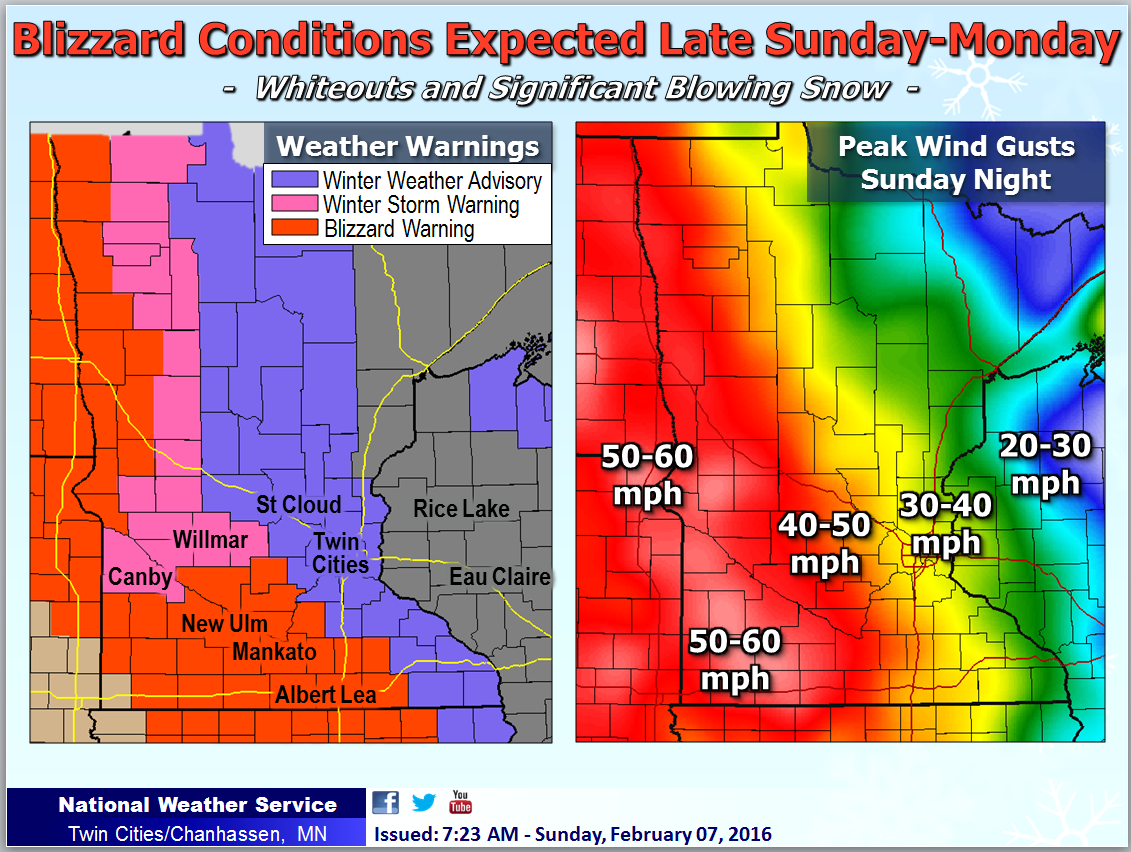
Beyond just temperature, humidity and wind are significant factors in how the weather “feels.” Summers can be humid, making high temperatures feel even hotter. Conversely, in winter, even moderate cold can feel biting when combined with strong winds, leading to dangerously low wind chill temperatures. Always factor in these elements when deciding on attire for outdoor activities.
In conclusion, the weather in Minneapolis is an integral part of its identity and a crucial consideration for any traveler. By understanding and preparing for its distinct seasonal variations, you can ensure your visit is not just comfortable, but truly optimized to embrace all the city has to offer. Whether you’re chasing the summer sun, admiring autumn’s vibrant hues, navigating a winter wonderland, or witnessing spring’s gentle awakening, Minneapolis promises a unique and memorable travel experience in every season.
LifeOutOfTheBox is a participant in the Amazon Services LLC Associates Program, an affiliate advertising program designed to provide a means for sites to earn advertising fees by advertising and linking to Amazon.com. Amazon, the Amazon logo, AmazonSupply, and the AmazonSupply logo are trademarks of Amazon.com, Inc. or its affiliates. As an Amazon Associate we earn affiliate commissions from qualifying purchases.