
San Francisco, a city synonymous with innovation, iconic landmarks, and a vibrant cultural tapestry, also possesses a famously capricious climate. Often described as having a microclimate, the weather in San Francisco can shift dramatically from one neighborhood to another, and even throughout the day. For travelers planning a visit to this stunning Californian metropolis, understanding the nuances of its weather patterns is crucial for packing the right attire and maximizing your exploration of its diverse attractions. This guide delves into the typical weather you can expect in San Francisco throughout the year, offering insights that will help you make the most of your trip, whether you’re interested in its world-renowned landmarks, luxurious accommodations, or immersive local experiences.

The city’s proximity to the Pacific Ocean and its characteristic rolling hills play significant roles in shaping its distinct climate. Unlike many other major cities, San Francisco rarely experiences extreme heat or cold. Instead, its weather is characterized by cool, foggy summers and mild, wet winters. This unique meteorological profile means that layers are always key when visiting, and even a seemingly warm day can quickly turn crisp as the ubiquitous fog rolls in.
Understanding San Francisco’s Microclimate
San Francisco’s weather is a fascinating study in contrasts, largely dictated by the interplay between the cool Pacific Ocean currents and the warm inland air. This phenomenon creates distinct microclimates across the city, meaning the temperature, wind, and fog can vary significantly depending on where you are.
The Pervasive Fog: A San Francisco Icon
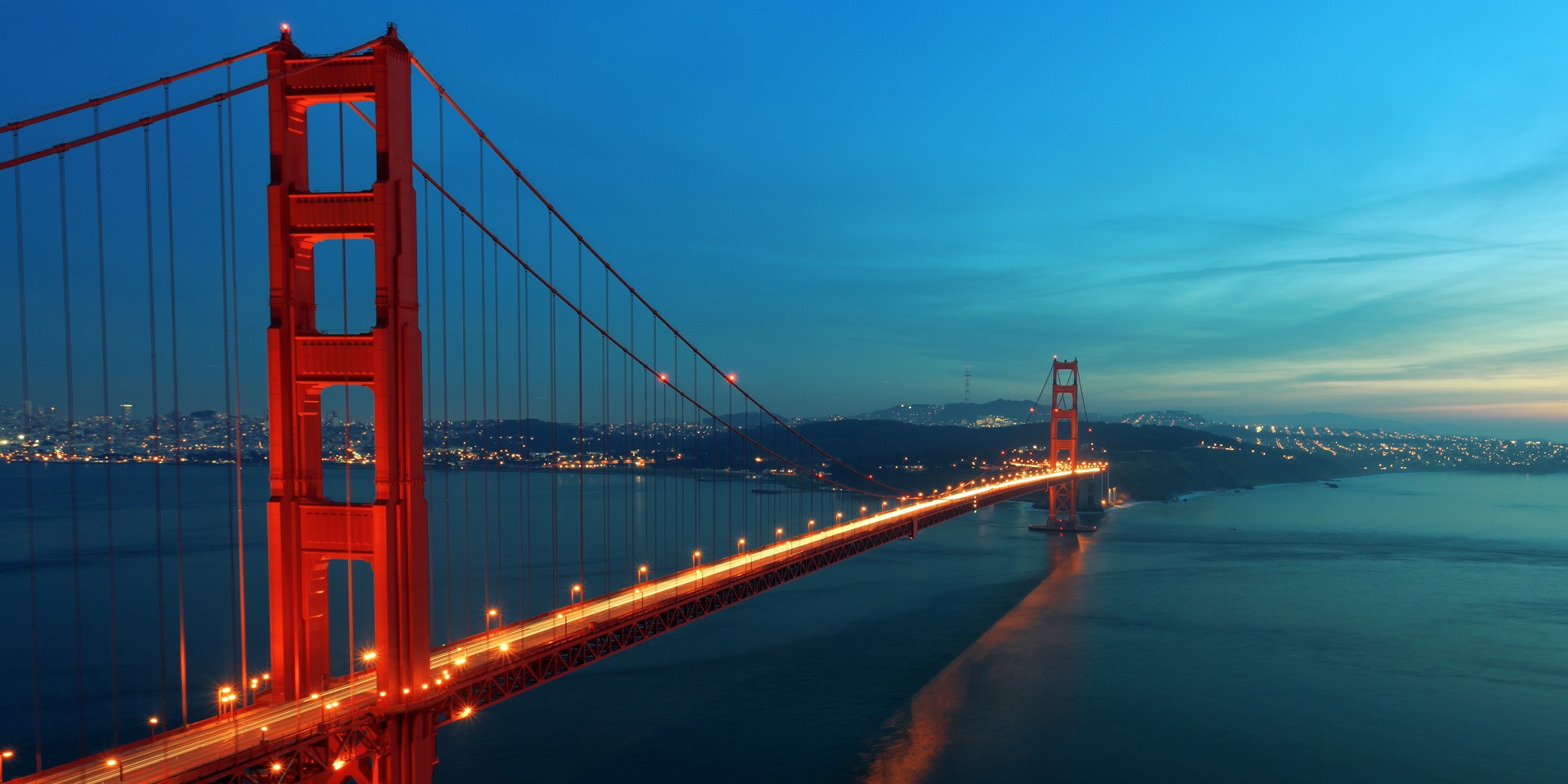
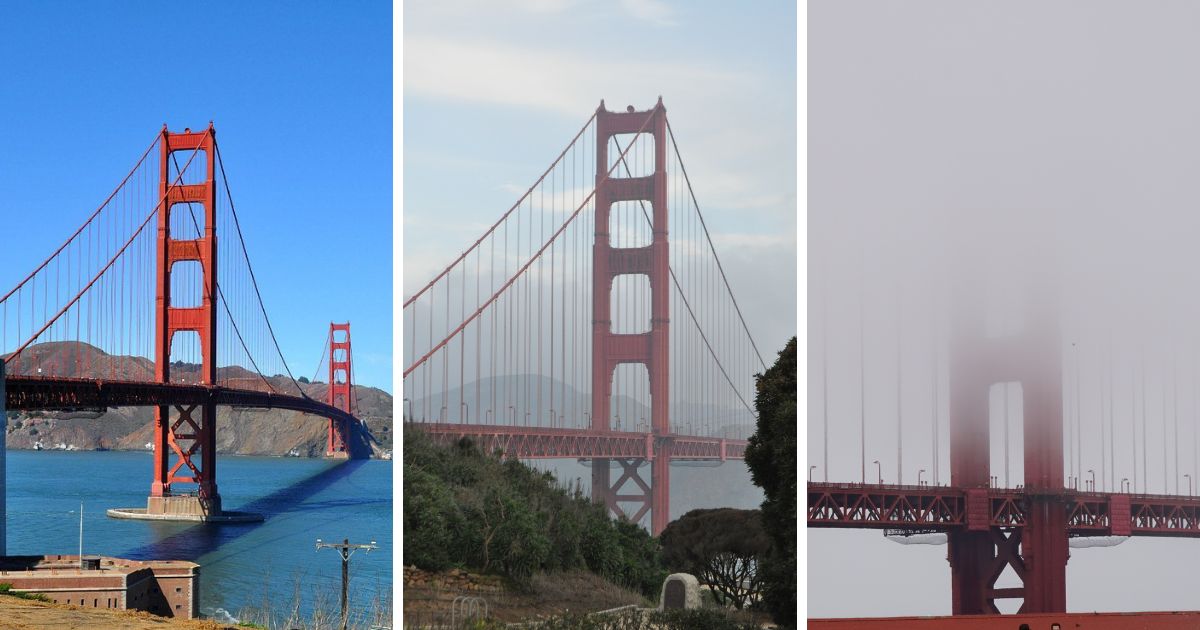
Perhaps the most defining feature of San Francisco’s weather is its fog. Originating from the cold waters of the Pacific, this dense fog typically rolls inland during the late spring and summer months, particularly in the afternoons and evenings. It often blankets the western parts of the city, including neighborhoods like the Richmond District and the Sunset District, and can dramatically lower temperatures. While it might obscure views of iconic landmarks like the Golden Gate Bridge from certain vantage points, it also lends a unique, ethereal beauty to the cityscape and provides a welcome respite from the sun. Areas further east, such as Downtown San Francisco and the Mission District, tend to be warmer and sunnier, benefiting from being inland and sheltered from the direct oceanic influence.
Seasonal Weather Patterns
While San Francisco doesn’t have the four distinct seasons of many continental climates, its weather does follow a discernible pattern throughout the year.
Spring (March – May)
Spring in San Francisco is a transitional period. March often carries the last remnants of winter’s rain, but as April and May arrive, the weather begins to warm up, and sunshine becomes more prevalent. While the mornings and evenings can still be cool and foggy, especially near the coast, the afternoons often bring pleasant temperatures. This is a wonderful time to visit, as the city’s gardens begin to bloom, and outdoor activities become more enjoyable. It’s wise to pack a light jacket or sweater, as the fog can still make an appearance. The average temperatures during spring range from the low 50s to the low 60s Fahrenheit (around 10-17°C).
Summer (June – August)
Contrary to what many might expect from a Californian summer, San Francisco is typically cool and foggy during these months. June, often referred to as “June Gloom,” is particularly known for its persistent fog and overcast skies. July and August are not much warmer, with temperatures often hovering in the 60s Fahrenheit (around 15-20°C). The fog usually burns off in some inland areas by late morning or early afternoon, revealing sunshine, while coastal areas can remain shrouded. This cool summer is a significant draw for those seeking an escape from sweltering heat. Pack layers, including a windbreaker or a fleece, as even a sunny day can feel chilly when the fog rolls in. Popular attractions like Alcatraz Island can be particularly breezy and cool, even on a “warmer” day.
Autumn (September – November)
Many consider autumn to be San Francisco’s most beautiful season. September and October often bring the warmest and sunniest weather of the year, as the fog typically recedes. This period is characterized by clear skies and comfortable temperatures, perfect for exploring the city’s numerous landmarks and engaging in outdoor activities. Evenings can still be cool, but the overall atmosphere is often more pleasant and stable than in the summer. November starts to see a return of cooler temperatures and an increase in rainfall, signaling the approach of winter. Average temperatures in autumn range from the mid-50s to the mid-70s Fahrenheit (around 13-24°C) in September and October, gradually cooling down in November. This is an excellent time to experience neighborhoods like North Beach or enjoy a leisurely stroll through Golden Gate Park.
Winter (December – February)
San Francisco winters are mild and wet. Temperatures rarely drop below freezing, and snow is an exceptionally rare occurrence. Instead, this season is characterized by rain, often in the form of intermittent showers rather than prolonged downpours. The average temperatures typically range from the mid-40s to the low 60s Fahrenheit (around 7-17°C). While the weather might be less conducive to extensive outdoor exploration, it’s a great time to delve into the city’s rich museum scene, enjoy its renowned culinary offerings, and experience its vibrant indoor attractions. Consider visiting iconic spots like the Palace of Fine Arts or exploring the historic streets of Chinatown. Rain gear, including a waterproof jacket and umbrella, is essential during these months.
Packing for San Francisco’s Ever-Changing Climate
The most crucial advice for anyone visiting San Francisco is to pack in layers. This applies regardless of the season. The city’s proximity to the ocean, combined with its hilly topography, creates a climate where temperatures can fluctuate significantly within a short period and across different districts.
Essential Items for Your Wardrobe
- Layering Pieces: Bring t-shirts, long-sleeved shirts, and sweaters or fleece jackets. These can be easily added or removed as the temperature changes.
- Outerwear: A medium-weight, water-resistant jacket or windbreaker is indispensable. It should be substantial enough to protect you from the wind and potential rain but not so heavy that it becomes cumbersome. Many visitors opt for a stylish trench coat, which is both practical and fashionable in San Francisco.
- Comfortable Footwear: You’ll likely be doing a lot of walking, whether exploring the steep streets of the Marina District or visiting landmarks like Lombard Street. Comfortable walking shoes or sneakers are a must. Consider waterproof options, especially if visiting during the wetter months.
- Scarf and Hat: A light scarf can add warmth and style, while a hat can protect you from the sun or provide extra insulation on cooler days.
- Pants: Jeans or comfortable trousers are suitable for most occasions. Shorts are generally only comfortable during the warmer, sunnier afternoons, which are more common in the autumn.
Considering Specific Activities and Locations
When planning your packing list, also consider the specific activities you have in mind and the parts of the city you intend to visit.
- Coastal Areas and Parks: If you plan on visiting areas like Ocean Beach, Presidio National Park, or taking a ferry to Sausalito, expect cooler temperatures and stronger winds due to their direct exposure to the Pacific. A windproof layer is particularly important here.
- Inland Neighborhoods: Districts further from the coast, such as the Castro District or the Hayes Valley area, often experience warmer and sunnier conditions. However, even here, the evenings can bring a noticeable drop in temperature.
- Fine Dining and Entertainment: For evenings out at San Francisco’s acclaimed restaurants or attending cultural events, a slightly more dressed-up outfit might be appropriate, but comfort and the ability to layer are still key. Think smart casual – a nice shirt or blouse with a blazer or stylish jacket.
Accommodation Choices and Weather Preparedness
While the weather dictates your wardrobe, your accommodation choice can also influence your comfort. Many hotels in San Francisco, from luxury options like the Four Seasons Hotel San Francisco to boutique inns, offer climate control systems. However, the sheer presence of fog can mean that even a well-heated room might feel cooler when you step outside. Consider the location of your accommodation; staying in a more inland neighborhood might offer slightly warmer mornings, while a hotel closer to the waterfront might provide stunning, albeit often misty, views. If you’re considering a long-term stay or an apartment rental, a good heating system is a practical consideration, especially for the winter months.
Making the Most of San Francisco’s Climate
San Francisco’s unique weather, while sometimes challenging, is an integral part of its charm and offers opportunities for diverse experiences. Embracing its variability allows for a more authentic and enjoyable visit.
Embracing the Fog
The fog is not just a meteorological phenomenon; it’s a part of San Francisco’s identity. It creates dramatic visuals, especially around landmarks like the Coit Tower and the aforementioned Golden Gate Bridge. Instead of lamenting its presence, consider it an opportunity. Foggy days can be perfect for exploring indoor attractions, enjoying a leisurely meal at a cozy restaurant, or visiting museums like the de Young Museum or the California Academy of Sciences in Golden Gate Park. The reduced visibility can even lend a certain mystique to a visit to Alcatraz Island.
Leveraging Sunny Spells
When the sun does shine, San Francisco truly sparkles. These are the days to take full advantage of its outdoor attractions. Think about visiting the vibrant Ferry Building Marketplace for local delicacies, exploring the colorful murals of the Mission District, or taking a cable car ride up and down the city’s iconic hills. Sunny afternoons are also ideal for enjoying the city’s numerous parks, such as Dolores Park, which offers panoramic views of the skyline. For those seeking a touch of luxury, a sunny day is perfect for a scenic drive along the coast or enjoying the outdoor amenities of a resort like the Ritz-Carlton, San Francisco.
Seasonal Activities and Events
The weather also influences the types of activities and events that are popular throughout the year. Summer, despite its coolness, is a prime time for outdoor festivals and events. Autumn offers a perfect backdrop for exploring wine country in nearby Napa Valley or enjoying the city’s vibrant street art scene. Winter, while rainy, is festive with holiday decorations and indoor cultural happenings. Spring sees the city come alive with outdoor markets and blooming botanical gardens. Regardless of the season, San Francisco’s dynamic weather ensures there’s always something to experience, from the grandeur of its famous architecture to the warmth of its local culture. By understanding and respecting its unique climate, visitors can ensure a comfortable and memorable journey through this captivating city.
LifeOutOfTheBox is a participant in the Amazon Services LLC Associates Program, an affiliate advertising program designed to provide a means for sites to earn advertising fees by advertising and linking to Amazon.com. Amazon, the Amazon logo, AmazonSupply, and the AmazonSupply logo are trademarks of Amazon.com, Inc. or its affiliates. As an Amazon Associate we earn affiliate commissions from qualifying purchases.