
Texas, the Lone Star State, conjures images of vast landscapes, rich history, and vibrant culture. But when it comes to “What’s time in Texas?”, the answer is more nuanced than a simple glance at a clock. Beyond the literal time zone, understanding the concept of time in Texas is crucial for any traveler, whether planning an epic road trip, a business stay, or a leisurely cultural immersion. From the best seasons to visit bustling cities to the optimal time for witnessing breathtaking natural wonders, mastering the flow of time in this expansive state can transform a good trip into an unforgettable experience. This guide delves into the literal and metaphorical aspects of time in Texas, offering insights into travel planning, accommodation choices, tourism experiences, and lifestyle considerations that make every moment count.
Navigating the Lone Star Clock: Time Zones and Practicalities
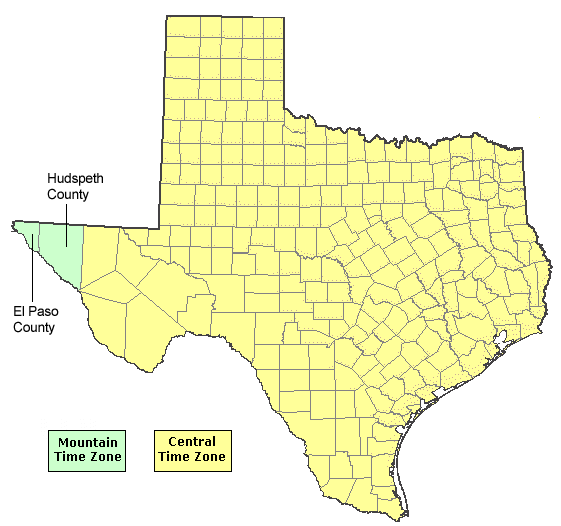
At its most fundamental level, “What’s time in Texas?” refers to its official time zones. Due to its sheer size, Texas spans two time zones, a detail that is often overlooked but can significantly impact travel logistics and communication.
The Two Time Zones of Texas
The vast majority of Texas operates on Central Time Zone (CT), which observes Central Standard Time (CST) during the fall and winter months and Central Daylight Time (CDT) from spring through summer. This includes major metropolitan areas such as Dallas, Houston, Austin, and San Antonio. For anyone traveling to or communicating with these vibrant hubs, understanding that they are typically six hours behind Coordinated Universal Time (UTC-6) during standard time and five hours behind (UTC-5) during daylight saving is essential. Whether you’re catching a flight, scheduling a business meeting, or simply making dinner reservations, the Central Time Zone dictates the rhythm of daily life for most Texans.
However, a notable exception exists in the westernmost part of the state. El Paso and a portion of Hudspeth County observe the Mountain Time Zone (MT). This means El Paso is consistently an hour behind the rest of Texas. While seemingly a minor detail, this one-hour difference can be critical. Imagine departing Dallas at 9:00 AM CT for a cross-state flight to El Paso and arriving at 10:00 AM MT – it’s crucial to adjust your internal clock to avoid missing appointments or connections. This geographical split also impacts nearby natural attractions like parts of Guadalupe Mountains National Park and the less-traveled western edges of Culberson County, where visitors might find themselves on Mountain Time. For those embarking on a journey across the state, particularly westward, verifying the local time zone upon arrival is always a wise practice.
Time and Travel Planning: Beyond the Clock
Beyond the literal time zones, the concept of “time” in Texas extends to the optimal periods for travel, influenced by weather, events, and seasonal attractions. Planning your visit around these temporal elements can greatly enhance your experience.
The best time to visit Texas largely depends on your desired activities. Spring (March to May) is often considered ideal across the state. Wildflowers, particularly the iconic Bluebonnets, carpet the Hill Country, offering picturesque landscapes. The weather is generally pleasant, perfect for exploring outdoor attractions, attending festivals, or simply enjoying the mild climate before the summer heat descends. This is a prime time for tourism, often leading to higher demand for accommodation and attractions, so booking hotels like a JW Marriott in Austin or a charming boutique stay in Fredericksburg well in advance is highly recommended.
Autumn (September to November) offers another beautiful window for travel, especially in regions known for their fall foliage, such as Lost Maples State Natural Area. The oppressive summer heat subsides, and the crisp air is inviting for hiking in Big Bend National Park or enjoying outdoor events in Dallas and Fort Worth. This period also sees a surge in football games and other sporting events, which can influence hotel availability and prices.
Summers in Texas (June to August) are notoriously hot, particularly in inland areas. While this is prime time for water-based activities along the Gulf Coast or at theme parks like Schlitterbahn Waterpark in New Braunfels, it may not be ideal for extensive outdoor exploration in cities or deserts. However, coastal destinations like South Padre Island thrive during this period, offering resort experiences and family-friendly accommodation options.
Winter (December to February) brings milder temperatures to much of Texas, though cold fronts can occur. It’s an excellent time for cultural tourism in cities, exploring museums, or enjoying holiday festivities. Houston and San Antonio offer festive lights and events, making it a pleasant time for a city break without the intense heat.

Making the Most of Your Time in Texas: Destinations and Experiences
Maximizing your time in Texas means strategically choosing destinations and activities that align with your interests and the best times to experience them. From bustling urban centers to serene natural escapes, Texas offers a diverse array of experiences for every type of traveler.
Urban Adventures: City Time
Texas’ major cities are powerhouses of culture, entertainment, and history, each demanding dedicated time to explore fully.
Dallas-Fort Worth: This sprawling metroplex offers a mix of modern sophistication and Western heritage. In Dallas, allocate time for the Sixth Floor Museum at Dealey Plaza for a somber but important historical perspective, explore the vibrant Dallas Arts District, and enjoy high-end shopping and dining. Accommodation ranges from luxury options like The Ritz-Carlton to well-appointed business hotels like a Hyatt Regency. Just a short drive away, Fort Worth transports visitors back in time with its historic Fort Worth Stockyards National Historic District, where daily cattle drives and rodeos are a timeless tradition. Budget at least two to three full days to truly experience both cities without feeling rushed.
Houston: Known as “Space City,” Houston is a global hub for energy, medical innovation, and aerospace. A visit to the NASA Johnson Space Center is a must, requiring at least half a day. The Houston Museum District boasts an impressive collection of institutions, including the Museum of Fine Arts, Houston, and is easily explorable over a full day. Houston’s diverse culinary scene, from authentic Tex-Mex to upscale international dining, deserves ample evening time. Options for accommodation are vast, from executive suites in the city center to comfortable family-friendly Embassy Suites near popular attractions.
Austin: The “Live Music Capital of the World,” Austin offers a unique blend of government, education, and quirky culture. Exploring its vibrant music scene along Sixth Street or South Congress Avenue is best done in the evenings. During the day, enjoy outdoor activities like kayaking on Lady Bird Lake or hiking in Zilker Park. Spring and fall are prime times to enjoy Austin’s outdoor lifestyle and numerous festivals.

San Antonio: Steeped in history, San Antonio is home to The Alamo and the famous River Walk. Dedicate significant time to The Alamo and the broader San Antonio Missions National Historical Park, a UNESCO World Heritage Site. Strolling or taking a barge tour along the River Walk is a timeless pleasure, especially in the cooler evening hours. Many hotels, from luxury Four Seasons properties to reliable Courtyard by Marriott options, offer direct access to this iconic attraction.
Timeless Landscapes: Natural Wonders and Road Trips
Beyond the cities, Texas’ natural beauty calls for exploration, often best experienced through multi-day road trips.
Big Bend National Park: Located in West Texas, this remote gem offers stunning desert landscapes, mountains, and the Rio Grande border with Mexico. Due to its remoteness, a trip to Big Bend National Park requires significant travel time and ideally, three to five days within the park itself to explore its vast trails, scenic drives, and stargazing opportunities. Winter and early spring are the best times to visit to avoid extreme summer heat. Accommodation within the park is limited, but charming Airbnbs and local inns can be found in nearby towns like Terlingua or Marfa.
Hill Country: A scenic region of rolling hills, vineyards, and quaint towns, the Hill Country is perfect for a leisurely road trip. Spend time exploring Fredericksburg’s German heritage and wineries, enjoying live music at Gruene Hall in New Braunfels, or marveling at the geological wonders of Natural Bridge Caverns. Spring is particularly enchanting with wildflowers, but fall offers pleasant weather for outdoor activities like hiking at Enchanted Rock State Natural Area. Boutique hotels, charming B&Bs, and cozy VRBOs are plentiful here, offering unique accommodation experiences.
Palo Duro Canyon State Park: Often called the “Grand Canyon of Texas,” this dramatic canyon in the Panhandle offers incredible hiking, camping, and scenic drives. A full day is needed to explore its trails and viewpoints, with more time if camping. Spring and fall are ideal for comfortable outdoor activities.
Time and Lifestyle: Accommodation, Culture, and Experiences
The concept of “time” in Texas also encompasses the various lifestyles and experiences available, from luxury getaways to budget-conscious trips, all influenced by how you choose to spend your moments.
Accommodation: Matching Your Time and Style
Your choice of accommodation heavily depends on the duration and purpose of your stay, as well as your budget. For short business trips in cities like Houston or Dallas, time is often of the essence, and convenience is key. Business hotels like a Hilton Garden Inn or Homewood Suites by Hilton offer amenities like Wi-Fi, meeting rooms, and quick access to business districts.
For luxury travelers, Texas boasts a range of upscale resorts and hotels, such as The Driskill Hotel in Austin or Hotel Emma in San Antonio, providing exquisite service and a timeless ambiance for a pampered escape. These establishments often have dedicated concierge services that can help manage your time efficiently, arranging tours or securing exclusive reservations.
Family trips or longer stays might benefit from self-catering options like Airbnbs or VRBOs, particularly in destinations like South Padre Island or the Hill Country, where the extra space and kitchen facilities can save both time and money. For those seeking unique experiences, historic inns, charming bed and breakfasts, or even glamping sites in natural areas offer a distinct way to spend your time.
Cultural Immersions: Experiencing Texas Time
To truly understand Texas is to immerse yourself in its distinctive culture, which unfolds at its own pace. Time spent enjoying genuine Texas BBQ in a roadside joint, listening to live country music in Luckenbach, or witnessing a rodeo, is time well spent. These cultural experiences often don’t adhere to a strict schedule but rather invite you to slow down, savor the moment, and connect with the local spirit.
Food tourism in Texas is a journey through diverse flavors. From savoring slow-smoked brisket in Lockhart, the “Barbecue Capital of Texas,” to indulging in authentic Tex-Mex cuisine in San Antonio, these culinary adventures require patience and an open palate. Don’t rush your meals; enjoy the atmosphere and the hospitality.
For history buffs, the depth of Texas’ past, from its struggle for independence at The Alamo to the frontier stories of Fort Worth, provides endless opportunities for reflection. Visiting landmarks and museums is not just about seeing artifacts but about understanding the narrative of time that shaped the state.
In conclusion, “What’s time in Texas?” is a multifaceted question. It’s about knowing whether you’re in the Central Time Zone or Mountain Time Zone, choosing the optimal season for your travel itinerary, and wisely allocating your precious moments to experience the best of its urban marvels, natural splendors, and unique cultural tapestry. Whether you’re planning a quick business trip or an extended family vacation, a conscious approach to time will ensure your Texas adventure is as rich and rewarding as the state itself.
LifeOutOfTheBox is a participant in the Amazon Services LLC Associates Program, an affiliate advertising program designed to provide a means for sites to earn advertising fees by advertising and linking to Amazon.com. Amazon, the Amazon logo, AmazonSupply, and the AmazonSupply logo are trademarks of Amazon.com, Inc. or its affiliates. As an Amazon Associate we earn affiliate commissions from qualifying purchases.