
Las Vegas, a city synonymous with dazzling lights, non-stop entertainment, and the stark beauty of the Mojave Desert, experiences a climate that is as dynamic as its nightlife. Understanding the weather is paramount for anyone planning a visit, whether it’s for a quick business trip, a celebratory holiday, or an extended vacation. The desert climate dictates extreme temperatures, with hot summers and surprisingly mild winters, making each season offer a distinct experience.
Understanding Las Vegas’s Desert Climate
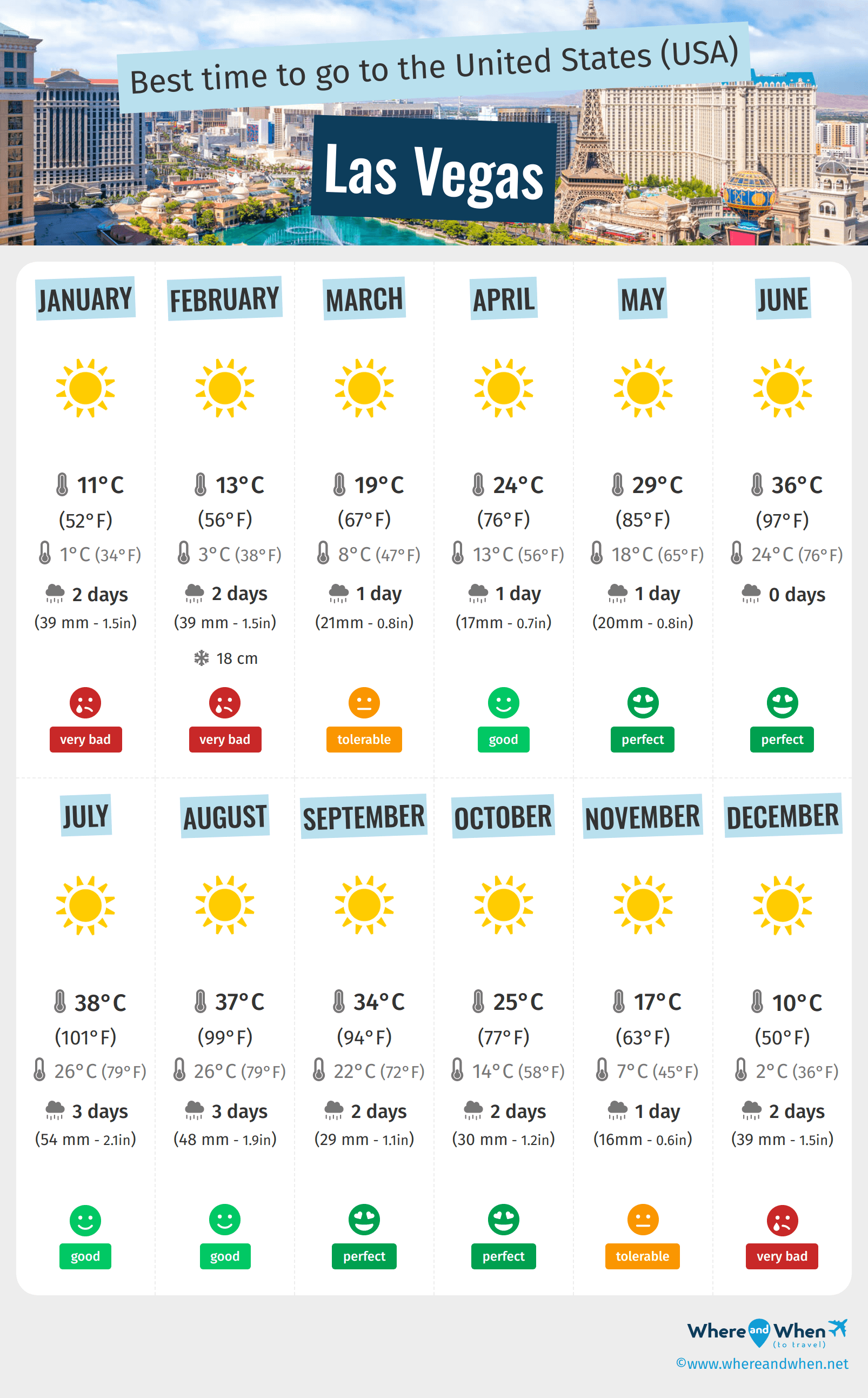
The arid climate of Las Vegas is characterized by low humidity, abundant sunshine year-round, and significant diurnal temperature variations. This means that while days can be intensely hot, nights often cool down considerably. The city receives very little rainfall, with most precipitation occurring during the winter months in the form of brief, often heavy, thunderstorms.
Key Climate Characteristics
- Aridity: Las Vegas is situated in a desert basin, leading to exceptionally dry air. This can be beneficial for those sensitive to humidity, but it also necessitates increased hydration.
- Sunshine: Expect abundant sunshine. Las Vegas boasts an average of over 290 sunny days per year, making it a prime destination for those seeking vitamin D.
- Temperature Extremes: The desert environment contributes to significant temperature swings between day and night, and between seasons.
Seasonal Weather Patterns
Each season in Las Vegas brings its unique atmospheric personality, influencing everything from wardrobe choices to planned outdoor activities.
Spring (March – May)
Spring is arguably one of the most pleasant times to visit Las Vegas. The harsh summer heat has not yet arrived, and the winter chill has receded.
- Temperatures: Daytime temperatures typically range from the pleasant 60s°F (15-20°C) in early spring to the comfortable 80s°F (27-32°C) by May. Evenings remain cooler, often dropping into the 40s°F (4-10°C) to 60s°F (15-20°C), so a light jacket or sweater is advisable.
- Sunshine: Sunshine is abundant, though occasional spring showers can occur, usually brief and refreshing.
- Activities: This season is ideal for exploring outdoor attractions like the Red Rock Canyon National Conservation Area, hiking, enjoying the resort pools, or attending outdoor events and concerts.
Summer (June – August)
Summers in Las Vegas are notoriously hot, with temperatures frequently soaring well above 100°F (38°C).
- Temperatures: Daytime highs routinely reach 100-115°F (38-46°C), and nighttime lows rarely dip below the 80s°F (27-32°C). The intense heat demands careful planning and constant hydration.
- Sunshine: Expect relentless sunshine and very low humidity.
- Activities: Outdoor activities are best scheduled for early mornings or late evenings. Daytime is often best spent indoors, enjoying the air-conditioned casinos, shopping malls, shows, and world-class dining. Resort pools become a primary oasis, often featuring cooling misters.
Autumn (September – November)
Autumn offers a welcome return to more moderate temperatures, making it another prime season for visiting Las Vegas.
- Temperatures: September can still feel warm, with highs in the 90s°F (32-37°C), but by October and November, daytime temperatures comfortably settle into the 70s°F (21-26°C) and 60s°F (15-20°C). Evenings become cool, often in the 50s°F (10-15°C), requiring layers.
- Sunshine: Sunshine remains plentiful, contributing to the pleasant conditions.
- Activities: This is an excellent time for outdoor exploration, including visiting attractions just outside the city, playing golf, or simply strolling the Las Vegas Strip in comfort.

Winter (December – February)
Winter in Las Vegas is mild and generally pleasant, though it is the season with the highest likelihood of rain.
- Temperatures: Daytime temperatures typically range from the 50s°F (10-15°C) to the low 60s°F (15-20°C). Nights can be chilly, often dropping into the 30s°F (0-5°C) and occasionally near freezing.
- Sunshine: Sunny days are still common, but cloudier periods and rainfall are more frequent than in other seasons. Snow is extremely rare in the city itself but can occur in the surrounding mountains.
- Activities: Winter is ideal for indoor entertainment, dining, and exploring the themed resorts. Outdoor activities are still possible, especially during the day, but travelers should be prepared for cooler conditions.
Planning Your Visit Based on Today’s Weather
While general seasonal trends provide a valuable framework, understanding today’s specific weather forecast in Las Vegas is crucial for immediate travel planning.
Essential Considerations for Today’s Forecast
- Temperature Fluctuations: Always check the projected high and low temperatures for the day and night. This will inform your clothing choices, ensuring you are prepared for both daytime heat or sun and evening coolness.
- Precipitation: While Las Vegas is dry, unexpected thunderstorms can occur, especially during certain months. If rain is in the forecast, have an umbrella or rain jacket handy and adjust plans for outdoor excursions.
- Wind: Desert winds can pick up, especially during transitional seasons. Be aware of wind advisories if you plan on spending significant time outdoors or in areas exposed to the elements.
- Air Quality: While generally good, air quality can sometimes be affected by dust storms, particularly in and around the desert. Check local reports if you have respiratory sensitivities.
Packing Tips Based on Today’s Weather
- Hydration is Key: Regardless of the season, the dry desert air means you should always pack and consume plenty of water. Lip balm and moisturizer are also highly recommended.
- Sun Protection: Even on cooler days, the Nevada sun is strong. Pack sunscreen, sunglasses, and a hat.
- Layering: The significant temperature difference between day and night makes layering essential. Pack light clothing for warm days and add sweaters, jackets, or scarves for cooler evenings.
- Comfortable Footwear: You’ll likely be doing a lot of walking, whether on the Strip or exploring attractions. Comfortable shoes are non-negotiable.
- Rain Gear (Seasonal): If your visit coincides with the wetter months (typically winter), a compact umbrella or a light, packable rain jacket is a wise addition.
Beyond the City: Weather’s Impact on Nearby Attractions
The weather in Las Vegas also dictates the experience of visiting its iconic surrounding natural wonders.
Hoover Dam and Lake Mead
- Summer: Extreme heat can make exploring the exterior of the Hoover Dam uncomfortable during midday. Tours inside the dam are air-conditioned and offer a cool respite. Lake Mead activities like boating are popular but require serious sun and heat protection.
- Winter/Spring/Fall: These seasons offer much more pleasant conditions for visiting both the dam and Lake Mead, allowing for more comfortable exploration and outdoor recreation.
Red Rock Canyon National Conservation Area
- Summer: Hiking is strongly discouraged during the peak heat of summer due to the extreme danger of heatstroke. Scenic drives are possible, but it’s essential to carry ample water and stay in the air-conditioned car as much as possible.
- Spring and Fall: These are the ideal times for hiking and exploring the trails and scenic overlooks at Red Rock Canyon. The temperatures are perfect for outdoor activity.
- Winter: Days are cool, making it suitable for hiking, though early mornings and evenings can be quite cold.
Valley of Fire State Park
Similar to Red Rock Canyon, Valley of Fire is best experienced during the milder spring and fall months. Summer visits require extreme caution and early morning excursions.
In conclusion, while the allure of Las Vegas often lies in its man-made wonders, its desert climate plays an integral role in shaping the visitor experience. By staying informed about today’s weather, you can maximize your enjoyment of the city’s vibrant attractions and the breathtaking natural beauty that surrounds it, ensuring a memorable and comfortable journey.
LifeOutOfTheBox is a participant in the Amazon Services LLC Associates Program, an affiliate advertising program designed to provide a means for sites to earn advertising fees by advertising and linking to Amazon.com. Amazon, the Amazon logo, AmazonSupply, and the AmazonSupply logo are trademarks of Amazon.com, Inc. or its affiliates. As an Amazon Associate we earn affiliate commissions from qualifying purchases.