
Navigating the labyrinth of business compliance can feel as complex as planning an elaborate itinerary through the diverse landscapes of Florida. For many businesses operating within the Sunshine State, a recurring question arises: “When are annual reports due in Florida?”. While the initial title might seem like a dry, administrative query, its implications are deeply intertwined with the operational health and continued viability of countless enterprises that contribute to Florida’s vibrant economy, including those within the thriving tourism and hospitality sectors that define so much of the state’s allure.
Understanding these deadlines is not merely a matter of avoiding late fees; it’s a crucial step in maintaining good standing with the state, ensuring continued access to business operations, and demonstrating a commitment to transparency. For businesses focused on providing unforgettable experiences, from luxury resorts in Miami to charming boutique hotels in St. Augustine, or even guiding travelers through the natural wonders of the Everglades, a lapse in regulatory compliance can have unintended consequences. Imagine a popular resort facing operational hurdles because its annual report was missed – it could impact booking capabilities, guest experiences, and its overall reputation, much like a poorly planned excursion can detract from a memorable Florida vacation.

This article aims to demystify the deadlines for annual reports in Florida, offering clarity to business owners, managers, and stakeholders. We’ll explore who needs to file, when they need to file, and the potential ramifications of missing these crucial dates. While the topic may seem far removed from sun-drenched beaches and theme park thrills, its relevance touches every business that calls Florida home, shaping the very environment in which tourism, travel, and lifestyle ventures flourish.
Understanding Florida’s Annual Report Requirements
At its core, an annual report is a document that a business files with the state to update its information and confirm its continued existence. In Florida, the primary entity responsible for these filings is the Florida Department of State, Division of Corporations. This requirement applies to most business structures, including corporations (both S-corps and C-corps), limited liability companies (LLCs), and limited partnerships. Sole proprietorships and general partnerships generally do not have an annual report filing requirement with the state in the same way.
The purpose of the annual report is multifaceted. It serves as a mechanism for the state to maintain an accurate record of all registered businesses. This includes verifying the principal office address, the registered agent and their address, and the names and addresses of officers and directors (for corporations) or managers and members (for LLCs). This information is vital for communication between the state and the business, as well as for public access, allowing customers, creditors, and other stakeholders to identify and verify a company’s legitimacy. For instance, a tourist planning a stay at a specific hotel needs assurance that the establishment is a properly registered and operating entity in Florida.
The filing itself is typically an online process, designed for efficiency. Businesses can access the Florida Department of State’s online portal to submit their annual reports. The information required is usually a confirmation and update of previously submitted details. This is not a time for deep financial analysis or a comprehensive review of business performance, as might be found in a more detailed annual report issued to shareholders. Instead, it’s a procedural check-in.
Who Needs to File an Annual Report in Florida?
As mentioned, the primary entities obligated to file an annual report in Florida are:
- Corporations: This includes both for-profit and not-for-profit corporations. Whether you operate a large hotel chain with multiple properties across Florida or a small consulting firm, if you are incorporated, you must file.
- Limited Liability Companies (LLCs): Florida LLCs are also required to file an annual report. This is a crucial step for maintaining the limited liability protection that is a cornerstone of the LLC structure.
- Limited Partnerships: These entities, less common in the direct hospitality sphere but present in broader business operations, also have an annual reporting obligation.
Entities that are exempt from filing typically include:
- Sole Proprietorships: Individuals operating a business under their own name or a fictitious name without forming a separate legal entity.
- General Partnerships: Partnerships where all partners share in the business’s profits, losses, and management, and are personally liable for its debts.
- Certain federal or state-chartered entities.
The distinction is significant. If your business operates as an LLC or a corporation, even if your primary focus is on guiding visitors through the historic streets of St. Augustine or managing vacation rentals in Orlando, adhering to the annual report filing is non-negotiable. Failure to do so can have repercussions that directly affect your ability to operate and serve your clients.
The Critical Deadlines: When to File Your Florida Annual Report
The timing of your annual report filing in Florida is not arbitrary; it’s tied to your business’s anniversary of formation or qualification. This makes the deadline personal to your specific business, rather than a universal date for all entities.
The Anniversary Date: Your Personal Filing Window
For corporations and LLCs formed or qualified to do business in Florida, the annual report is due annually on May 1st. However, the specific date you must file is determined by the anniversary of your business’s formation or qualification date in Florida. The Florida Department of State uses this anniversary to track your filing obligation.

For example:
- If your corporation was formed on July 15, 2010, your annual report is generally due by May 1st of each subsequent year, but the state often reminds you based on your formation month. A more precise way to think about it is that the filing window opens after your business has been active for a full year. However, the state has standardized the due date to May 1st for all entities for administrative purposes. The key is to remember that the report must be filed each year to remain in compliance.
- The Florida Department of State sends out annual notices as a courtesy, typically by mail to the registered agent’s address or via email if an electronic contact is on file. It is crucial not to rely solely on these notices, as mail can be misdirected, or electronic notifications can be overlooked.
It’s best practice to mark your company’s formation or qualification anniversary in your business calendar and set reminders well in advance of the May 1st deadline. This allows ample time for gathering any necessary information and completing the filing without last-minute stress. For businesses planning major tourism events or launching new resort amenities along the Florida coast, ensuring regulatory compliance is a background task that should not be overshadowed by more visible operational demands.
The Importance of Timely Filing: Avoiding Penalties
Failing to file your annual report by the May 1st deadline carries significant consequences for your business. Florida takes compliance seriously, and the state has mechanisms in place to enforce these requirements.
The primary consequence of missing the May 1st deadline is that your business will be considered delinquent. This delinquency status can have several immediate and cascading effects:
- Loss of Good Standing: Your business will no longer be considered in “good standing” with the state. This can impact your ability to conduct business, enter into contracts, secure loans, or even renew certain licenses and permits. Imagine trying to book a large group for a corporate retreat at a Florida resort, only to find that the resort’s business is no longer in good standing due to a missed filing. This could jeopardize the entire booking.
- Administrative Dissolution/Revocation: If a business remains delinquent for an extended period, the Florida Department of State can administratively dissolve (for corporations) or revoke (for LLCs) your business. This means your legal entity will cease to exist, and you will lose the legal protections and privileges associated with operating as a registered entity in Florida. This is a severe outcome that can be incredibly difficult and costly to reverse.
- Delinquency Fees and Penalties: While Florida does not impose a daily late fee in the same way some other states do, the consequences of being delinquent can be far more damaging than a simple monetary penalty. The process of reinstating a dissolved or revoked entity can involve significant fees, back taxes, and a complex legal process.
For businesses in the travel and tourism industry, maintaining good standing is paramount. It’s a signal of professionalism and reliability to customers, partners, and regulatory bodies. A business that is not in good standing may face difficulties securing partnerships with airlines, tour operators, or other travel service providers, impacting its ability to offer comprehensive packages or attract business. The reputation of a hotel or a tour operator in Florida is built on trust, and being in good standing with the state is a fundamental part of that trust.
Preparing and Filing Your Annual Report: A Step-by-Step Guide
The process of filing your Florida annual report is designed to be straightforward, especially if your business information has not changed significantly. However, preparation is key to ensuring a smooth and accurate submission.
Key Information to Have on Hand
Before you log in to the Florida Department of State’s online portal, gather the following essential information:
- Your Business Entity Name: Ensure you have the exact legal name of your corporation or LLC.
- Your Florida Document Number: This is a unique identifier assigned by the Florida Department of State when your business was originally registered. You can usually find this on your formation documents or by searching the Florida Department of State’s online database.
- Registered Agent Information: You’ll need the name and address of your registered agent. This is the person or entity designated to receive official legal and state correspondence on behalf of your business. If this has changed, you would typically need to update it through a separate amendment process before or during your annual report filing.
- Principal Office Address: The main address where your business is located.
- Mailing Address: If different from your principal office.
- Names and Addresses of Officers/Directors (for Corporations) or Managers/Members (for LLCs): You will need to confirm or update the names and addresses of the key individuals involved in the management of your entity.
- Date of Incorporation or Qualification: Knowing when your business was established in Florida is helpful for your own record-keeping.
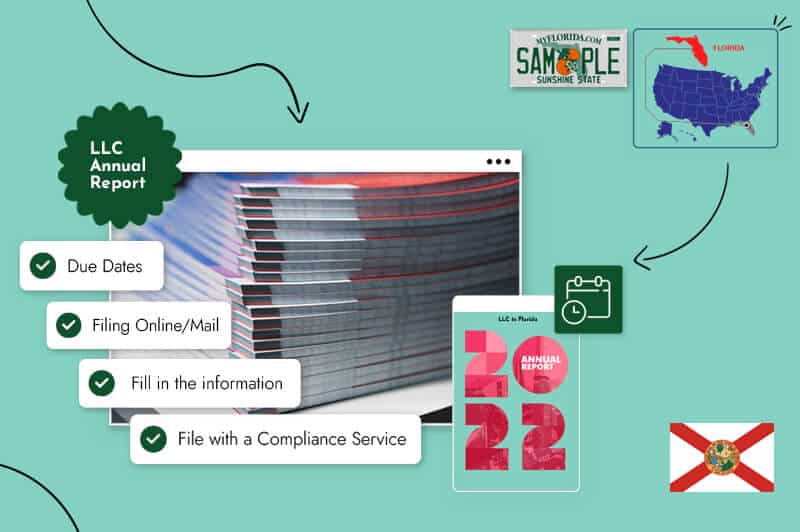
The Online Filing Process
Once you have the necessary information, you can proceed with the online filing:
- Visit the Florida Department of State Website: Navigate to the Florida Department of State, Division of Corporations website. Look for the section dedicated to “Annual Reports” or “Business Filings.”
- Access the Online Filing System: You will likely find a link to the state’s online filing portal.
- Locate Your Business: You will typically be prompted to enter your Florida Document Number to retrieve your business’s record.
- Review and Update Information: The system will display the information currently on file for your business. Carefully review each field. If there are no changes, you can confirm the existing information. If any details have changed (e.g., registered agent address, officer names), you will need to make the necessary updates directly within the filing form. Important Note: Significant changes to your entity’s structure or registered agent might require filing separate amendment documents before or in conjunction with your annual report.
- Submit and Pay: After reviewing and updating all information, you will proceed to the payment stage. The filing fee for Florida annual reports is a modest amount, designed to cover the administrative costs of processing. Payment is typically made via credit card or electronic check.
- Confirmation: Upon successful submission and payment, you will receive a confirmation. It is highly recommended to save a copy of this confirmation for your records, along with a confirmation of payment.
The entire process can often be completed in a matter of minutes if your information is up-to-date and you have all the necessary details readily available. For businesses focused on the intricacies of operating a travel agency in Florida or managing a bustling seafood restaurant in the Florida Keys, dedicating a small amount of time to this compliance task ensures that the foundation of their business remains secure, allowing them to focus on delivering exceptional customer experiences.
By staying informed about Florida’s annual report requirements and adhering to the May 1st deadline, businesses can avoid unnecessary complications and maintain their good standing, ensuring they can continue to contribute to and benefit from the dynamic economic landscape of the Sunshine State, whether through providing luxurious accommodations in Palm Beach or organizing unforgettable eco-tours through the state’s natural beauty.
LifeOutOfTheBox is a participant in the Amazon Services LLC Associates Program, an affiliate advertising program designed to provide a means for sites to earn advertising fees by advertising and linking to Amazon.com. Amazon, the Amazon logo, AmazonSupply, and the AmazonSupply logo are trademarks of Amazon.com, Inc. or its affiliates. As an Amazon Associate we earn affiliate commissions from qualifying purchases.