
The allure of California is undeniable. From the sun-drenched beaches of Malibu to the majestic redwoods, the vibrant cultural tapestry of Los Angeles, and the innovation hub of San Francisco, the Golden State offers a lifestyle and experience unlike any other. Whether you’re planning a luxurious getaway, considering a long-term stay, investing in a vacation home, or even contemplating a permanent move, understanding the financial landscape is crucial. A significant part of this landscape involves taxes. While often perceived as complex, knowing when and how California taxes are due can demystify the process, helping you budget for your dream trip, make informed relocation decisions, or manage your investments wisely. This guide aims to shed light on California’s tax deadlines, framing them within the context of travel, accommodation, lifestyle, and property ownership in this iconic state.

Navigating California’s Tax Landscape for Travelers and Residents
California’s dynamic economy and diverse population mean that its tax system impacts a wide array of individuals and entities. For those captivated by its charm, it’s not just full-time residents who need to be aware of tax obligations. Temporary visitors earning income, individuals with vacation properties, or even those just enjoying the local attractions will encounter various forms of taxation. Understanding these nuances is essential for seamless travel and living experiences across the state.
Understanding Residency and Its Tax Implications
One of the most fundamental concepts in California tax law is residency. For tax purposes, your residency status determines how much of your income is subject to California’s state income tax. Generally, you are considered a resident if your domicile (the place where you intend to return after absences) is California, or if you spend more than nine months of the taxable year in the state, regardless of your domicile. This distinction is critical for:
- Remote Workers and Digital Nomads: Many individuals choose to live and work remotely from picturesque California locations like San Diego or the serene wine country of Napa Valley. If your primary work location is in California for an extended period, you might be considered a resident, even if your company is based elsewhere.
- Seasonal Visitors and Snowbirds: Those who spend a significant portion of the year in a California vacation home, perhaps in Palm Springs during the winter months, need to monitor their time spent in the state to avoid inadvertently establishing residency for tax purposes.
- Business Travelers: Individuals on long-term business assignments in technology hubs or entertainment centers must understand how their earnings during their stay might be taxed.
- Property Owners: Owning a second home or rental property in California (e.g., along the Orange County coast) automatically places you within the state’s tax system, even if you are not a full-time resident.
For non-residents, California typically taxes income derived from sources within the state, such as wages, business income, or rental income from California properties. This distinction means that even a short-term visitor who earns money while performing services in California could have a filing obligation. Being aware of these rules helps in financial planning, whether you’re exploring the vibrant lifestyle of Los Angeles or considering investing in a piece of the Golden State.
Key California Tax Deadlines for Income, Property, and Sales
Understanding specific tax deadlines is paramount for effective financial management in California. These dates govern when various types of taxes must be paid, impacting personal finances, property investments, and even daily travel expenditures. Staying informed helps avoid penalties and ensures a smooth experience, whether you’re a long-term resident, a new arrival, or a frequent visitor.
Personal Income Tax Deadlines: For Those Earning in the Golden State
California has a progressive state income tax system, meaning higher earners pay a higher percentage of their income in taxes. For residents and those non-residents with California-sourced income, several key dates apply:
- Annual Filing Deadline: For most individual taxpayers, the primary deadline to file your California state income tax return (Form 540 or Form 540NR) is April 15. This date typically aligns with the federal income tax deadline. If April 15 falls on a weekend or holiday, the deadline is usually extended to the next business day. This applies to wage earners, self-employed individuals, and those with various forms of investment income. For many, this is the most anticipated tax date, influencing budgeting and financial planning for the year.
- Estimated Tax Payments: If you are self-employed, a freelancer, receive significant income not subject to withholding (like rental income from an Orange County property or investment income), or own a small business, you may be required to pay estimated taxes quarterly. The typical deadlines for these payments are:
- 1st Quarter (January 1 – March 31): Due April 15
- 2nd Quarter (April 1 – May 31): Due June 15
- 3rd Quarter (June 1 – August 31): Due September 15
- 4th Quarter (September 1 – December 31): Due January 15 of the following year.
Again, if any of these dates fall on a weekend or holiday, the deadline shifts to the next business day. Missing these deadlines can result in penalties, making diligent tracking crucial for those managing their own income in California.
- Extensions: If you need more time to prepare your return, California typically grants an automatic extension to file until October 15. It’s vital to remember that an extension to file is not an extension to pay. Any taxes owed are still due by the April 15 deadline, and penalties and interest may accrue on underpayments. This flexibility can be particularly useful for individuals relocating, managing complex financial portfolios, or navigating international tax implications.
These deadlines underpin the financial rhythm for anyone earning income in California, whether they’re pursuing a dream career in Los Angeles or enjoying a remote work lifestyle in San Diego.
Property Tax Deadlines: Investing in California Real Estate
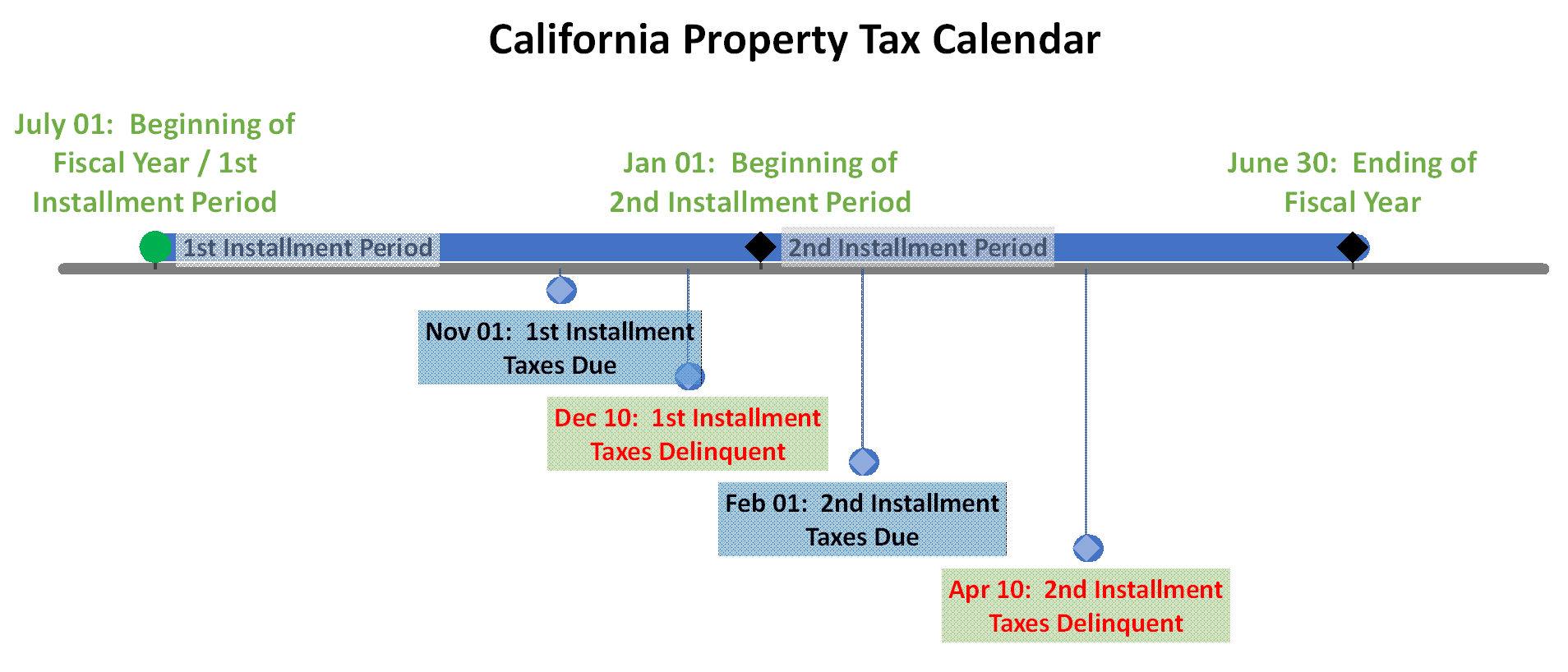
For many, investing in California real estate is a dream, offering everything from luxury villas in Dana Point to charming bungalows in Sonoma or mountain retreats in Lake Tahoe. Property taxes are a significant consideration for homeowners and real estate investors. In California, property taxes are levied by counties and are generally due in two installments:
- First Installment: This covers the period from July 1 through December 31. The payment is due by December 10 of the current year. Payments received after this date are considered delinquent and incur penalties.
- Second Installment: This covers the period from January 1 through June 30 of the following year. The payment is due by April 10. Similarly, payments received after this date are considered delinquent and incur penalties.
As with income tax deadlines, if December 10 or April 10 falls on a weekend or holiday, the deadline is automatically extended to the next business day. Homeowners typically receive a property tax bill from their county assessor’s office well in advance of these deadlines. For those managing long-term accommodation rentals or personal vacation properties, integrating these dates into your financial calendar is critical to avoid unexpected costs. Property taxes vary significantly by county and assessed value, making careful research a key part of purchasing real estate in desirable areas like Beverly Hills or Santa Monica.
Sales Tax and Transient Occupancy Tax: Daily Life and Travel Expenses
Beyond income and property taxes, visitors and residents alike encounter other forms of taxation that affect daily expenditures and travel budgets.
- Sales Tax: This is a consumption tax applied to the sale of most tangible goods and some services in California. The statewide base sales tax rate is set by the state, but local jurisdictions (cities and counties) can impose additional district taxes. This means the total sales tax rate varies depending on where you make your purchase. For instance, buying souvenirs in San Francisco or luxury items in Beverly Hills will include sales tax, which is essentially “due” at the point of transaction from the consumer’s perspective. Retailers are responsible for collecting and remitting these taxes to the state on a regular schedule (monthly, quarterly, or annually), depending on their sales volume. While consumers don’t have a specific “due date” for sales tax, it directly impacts the cost of goods and services, influencing travel budgets for shopping, dining, and activities across the state.
- Transient Occupancy Tax (TOT) / Hotel Tax: This is a crucial tax for anyone planning a trip to California and booking accommodation. The TOT, often referred to as a “hotel tax,” is levied by cities and counties on guests staying in hotels, motels, bed and breakfasts, and short-term vacation rentals (including those booked through platforms for stays in places like Lake Tahoe or Napa Valley). The rate of TOT varies significantly by city and county, ranging from single digits to over 15% in major tourist destinations. For example, a stay in a luxury hotel in Los Angeles or San Francisco will incur a higher TOT than in some smaller, less-visited areas. This tax is paid by the guest at the time of check-out or booking and is then remitted by the accommodation provider to the local government. Understanding TOT rates is vital when comparing hotel prices and budgeting for your overall travel expenses, as it can add a substantial amount to the cost of your stay.
These consumption-based taxes are woven into the fabric of daily transactions and significantly influence the financial planning for any California experience, from a weekend getaway to Sonoma to a family vacation at Disneyland Park.
Strategic Planning for a California Lifestyle: Beyond the Deadlines
While understanding tax deadlines is fundamental, a holistic approach to managing finances in California involves looking beyond just the dates. Strategic planning encompasses everything from budgeting for your dream vacation to making sound decisions about relocation or investment, ensuring your experience in the Golden State is as enriching as possible.
Planning Your Visit or Relocation: Financial Considerations
California’s reputation for a high cost of living is well-known, and taxes play a significant role in this. For anyone considering an extended stay, a permanent move, or even a long-term business assignment, careful financial planning is non-negotiable.
- Comprehensive Budgeting: Beyond the cost of flights and accommodation, factor in sales tax on purchases, potential income tax implications if you’re working remotely, and property taxes if you’re considering buying. Researching average costs for everyday expenses in cities like San Diego or San Francisco can provide a clearer picture.
- Professional Guidance: For complex situations, such as cross-state relocation, significant investments, or business ventures, consulting with a California-specific tax professional or financial advisor is highly recommended. They can offer personalized advice on residency rules, deductions, credits, and overall tax efficiency, helping you navigate the intricacies of state and local tax laws.
- Lifestyle Choices: Your chosen lifestyle in California will directly impact your financial obligations. A minimalist approach to travel might mean lower sales tax expenditures, while investing in a luxury property in Beverly Hills comes with substantial property tax commitments. Balancing your aspirations with financial realities is key to enjoying California without undue stress.
Maximizing Your California Experience: Travel, Accommodation, and Tax Awareness
Tax awareness isn’t just about compliance; it’s also about making smart decisions that enhance your travel and lifestyle experiences.
- Accommodation Choices: Understanding the Transient Occupancy Tax (TOT) can help you compare accommodation costs more accurately. A slightly higher nightly rate at a hotel in Dana Point might be offset by a lower TOT compared to a similar property in a major metropolitan area, or vice-versa. When booking, always check the total price including all taxes and fees.
- Budgeting for Attractions and Activities: Whether you’re planning a visit to Yosemite National Park, exploring the vineyards of Napa Valley, or enjoying the vibrant nightlife of Los Angeles, consider the impact of sales tax on ticket purchases, souvenirs, dining, and other expenditures. A clear understanding helps you allocate your budget effectively.
- Business Travel Efficiency: For business travelers, being aware of state tax rules can inform expense tracking and potential deductions. Knowing what expenses are deductible can optimize your business stay and contribute to overall financial health.
- Investment in Experiences: With a solid grasp of your financial commitments, you can confidently invest in the unique experiences California has to offer. From a scenic drive along the coast to culinary tours in Sonoma, a clear financial picture allows you to fully immerse yourself without financial surprises.
In conclusion, California offers an unparalleled blend of natural beauty, cultural richness, and economic opportunity. While the state’s tax system can appear intricate, understanding the key deadlines and how various taxes apply to your specific situation—whether as a traveler, homeowner, or resident—is an invaluable tool. By arming yourself with this knowledge, you can navigate the Golden State’s financial landscape with confidence, ensuring that your focus remains on enjoying all the incredible experiences and opportunities it provides.