
For anyone considering embracing the Florida lifestyle, whether through a long-term residency, a seasonal vacation home, or a strategic real estate investment, understanding the intricacies of property taxes is paramount. Beyond the allure of sun-drenched beaches and vibrant communities, the financial obligations associated with property ownership significantly shape one’s lifestyle budget and long-term financial planning. Knowing when property taxes are due, how they are calculated, and what avenues exist for potential relief is not merely a bureaucratic detail; it is a fundamental aspect of intelligent living and investment in the Sunshine State.
Understanding the Florida Property Tax Cycle
The property tax system in Florida operates on an annual cycle, with key dates that property owners must be aware of to avoid penalties and potentially benefit from discounts. This cycle governs when taxes are assessed, when bills are mailed, and critically, when payments are due. For those planning a permanent move, purchasing a second home, or managing rental properties, familiarity with this timeline ensures a smooth and predictable financial calendar.

The Annual Timeline: Key Dates and Deadlines
The assessment and collection of property taxes in Florida follow a fairly standardized schedule across all 67 counties, ensuring consistency for property owners.
- January 1: This is the assessment date, also known as the “lien date.” Property values are assessed as of this date for the upcoming tax year. Eligibility for exemptions, such as the Homestead Exemption, is also determined based on residency and ownership as of January 1.
- August: Property Appraisers typically mail out “Notice of Proposed Property Taxes” or TRIM (Truth in Millage) notices. These notices provide an estimate of what your property taxes will be for the year, based on the proposed millage rates and assessed value. This is a crucial window for property owners to review their assessments and, if necessary, initiate an appeal.
- November 1: Property tax bills are officially mailed out by the County Tax Collector. This date marks the beginning of the tax payment period for the current year.
- November – March: This five-month window is the period during which property taxes can be paid, often with discounts applied for early payment.
- March 31: This is the absolute deadline for paying property taxes for the current tax year without incurring penalties. Any payments received after this date are considered delinquent.
- April 1: Unpaid property taxes become delinquent. At this point, a 3% penalty is immediately applied to the outstanding balance, and further interest and collection fees will accrue. Delinquent taxes are subject to a tax certificate sale process in May or June, which can have significant long-term implications for the property owner.
This predictable schedule allows property owners to plan their finances effectively, integrating property tax payments into their annual budget for a stress-free Florida lifestyle.
How Tax Bills Are Calculated
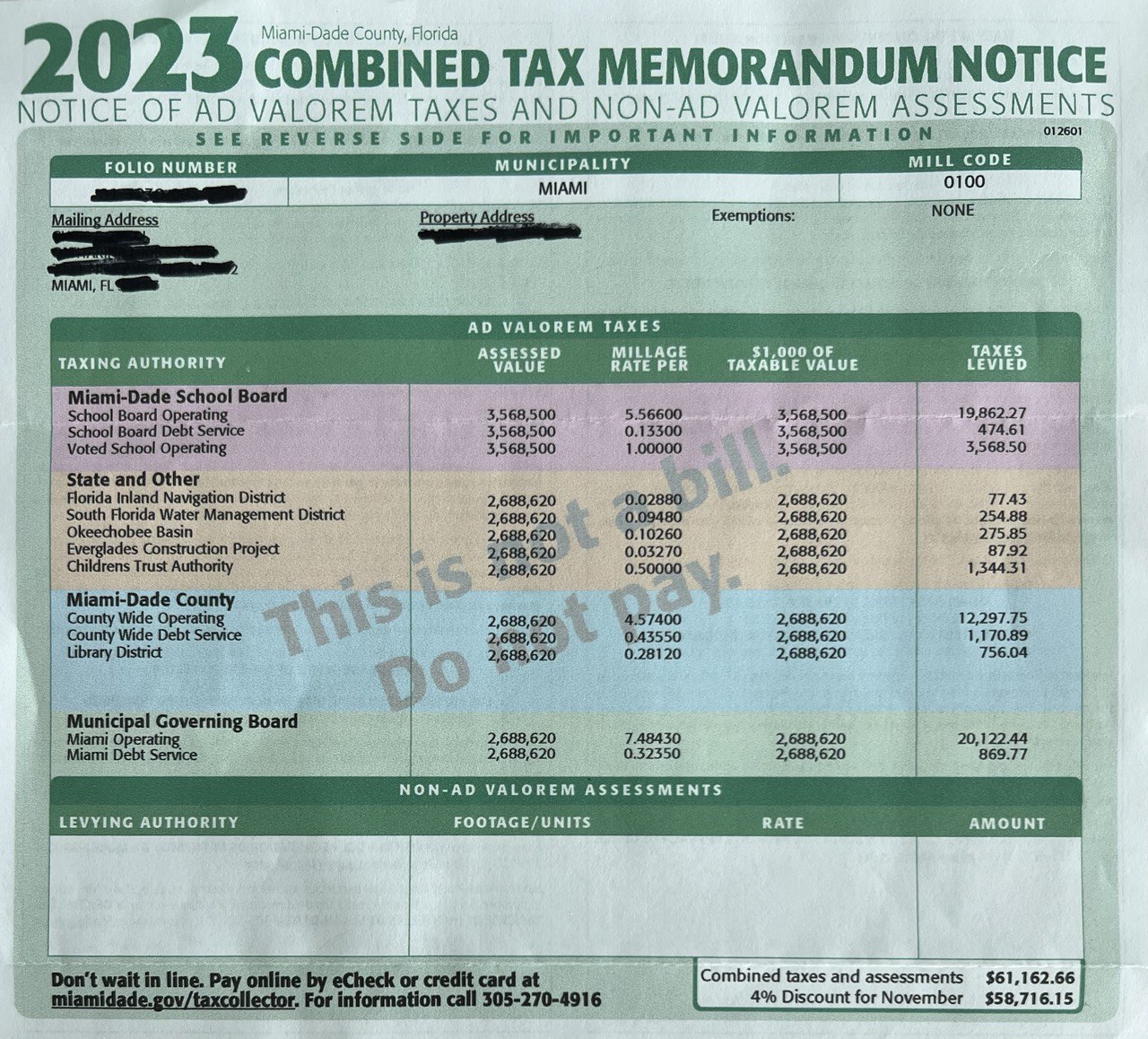
Understanding the components of your property tax bill demystifies the amount you owe and empowers you to evaluate its fairness. Florida property taxes are calculated using two primary factors: the taxable value of your property and the millage rate set by local taxing authorities.
- Assessed Value: The County Property Appraiser determines the market value of your property annually.
- Taxable Value: This is the assessed value minus any applicable exemptions (like the Homestead Exemption, senior, or veteran exemptions). This lower value is what your tax liability is based on.
- Millage Rate: Also known as the “mill rate,” this is the tax rate applied to your property’s taxable value. One mill equals $1 for every $1,000 of taxable value. Millage rates are set annually by various local government entities, including the county commission, school board, cities, and special districts (e.g., water management, fire rescue). These rates reflect the funding needed for public services.
The formula is straightforward: (Taxable Value / 1,000) x Millage Rate = Property Tax Amount. By knowing these figures, property owners can gain a clear picture of their annual obligations.
Discounts and Penalties: Maximizing Your Florida Property Investment
For those committed to a Florida lifestyle, whether as a full-time resident or a vacation home owner, understanding the incentives for early payment and the repercussions of delinquency can have a tangible impact on your financial well-being. Smart planning can lead to savings, while oversight can result in unnecessary costs.
Early Payment Discounts: A Smart Lifestyle Choice
Florida law encourages early payment of property taxes by offering a tiered discount system. This system rewards property owners who pay their taxes well in advance of the final deadline.
- 4% Discount: Applied to payments made in November.
- 3% Discount: Applied to payments made in December.
- 2% Discount: Applied to payments made in January.
- 1% Discount: Applied to payments made in February.
- No Discount: For payments made in March.
These discounts, while seemingly small, can add up, especially on higher-valued properties. For a homeowner with an annual tax bill of $5,000, paying in November saves $200 – a welcome boost to any Florida lifestyle budget. This incentive provides a compelling reason for proactive financial management.
Understanding Delinquency and Penalties

Ignoring the March 31 deadline carries significant financial consequences. As of April 1, unpaid property taxes are deemed delinquent, triggering a series of actions aimed at collection.
- Immediate Penalty: A 3% penalty is added to the outstanding tax amount.
- Interest Accrual: Further interest begins to accrue monthly on the delinquent amount.
- Tax Certificate Sale: In May or June, the County Tax Collector is mandated to hold a tax certificate sale for all properties with delinquent taxes. In this process, investors purchase tax certificates, effectively paying the delinquent taxes on behalf of the property owner. These certificates earn interest, often at competitive rates, which must be paid by the property owner to the certificate holder to redeem the certificate.
- Tax Deed Application: If a tax certificate is not redeemed after two years (and up to seven years), the certificate holder can apply for a tax deed, which can ultimately lead to the property being sold at a public auction to recover the outstanding taxes, interest, and fees. This is an extreme measure but underscores the importance of timely payment to protect one’s property investment.
For snowbirds or those frequently away from their Florida property, it is crucial to establish systems for receiving and paying tax bills promptly, such as signing up for e-billing or authorizing a trusted property manager to handle payments.
Homestead Exemptions and Other Reliefs for Florida Residents
One of the most significant advantages for Florida residents is the availability of various property tax exemptions, designed to reduce the taxable value of their homes. These exemptions are a cornerstone of the Florida lifestyle for permanent residents, providing substantial savings that can enhance quality of life and financial stability.
The Florida Homestead Exemption: A Benefit for Permanent Residents
The Homestead Exemption is arguably the most impactful property tax relief available in Florida. It allows permanent residents to reduce the taxable value of their primary residence by up to $50,000.
- Eligibility: To qualify, the property owner must hold legal title to the property and reside on it as their permanent home as of January 1 of the tax year. This means the property cannot be a rental unit or a second home.
- Application: New residents must apply for the Homestead Exemption with their County Property Appraiser between January 1 and March 1 of the year they wish for it to take effect. While it’s a one-time application (unless circumstances change), it’s vital to meet this initial deadline.
- “Save Our Homes” Amendment: A critical component of the Homestead Exemption is the “Save Our Homes” (SOH) amendment. This limits the annual increase in the assessed value of a homesteaded property to 3% or the Consumer Price Index (CPI), whichever is lower. This cap provides significant protection against rapidly rising property values, offering long-term predictability for property taxes and financial planning. For those seeking a stable, long-term Florida lifestyle, SOH is an invaluable benefit.
Additional Exemptions: Seniors, Veterans, and More
Beyond the Homestead Exemption, Florida offers several other property tax exemptions that cater to specific demographics, further supporting various lifestyles.
- Senior Citizen Exemption: Many counties offer additional exemptions for seniors aged 65 and older who meet specific income limitations. The amount varies by county and often requires a separate application.
- Veteran Exemptions: Disabled veterans, particularly those with a 100% service-connected disability, may qualify for substantial or even 100% exemptions from property taxes.
- Widow/Widower Exemption: A $500 exemption is available for widows and widowers.
- Blind Person Exemption: A $500 exemption is available for legally blind residents.
- First Responder Exemption: Certain first responders (e.g., paramedics, firefighters, law enforcement) who are totally and permanently disabled in the line of duty may also qualify for significant exemptions.
Exploring these exemptions with the County Property Appraiser’s office can uncover additional savings, making the Florida lifestyle even more financially attractive for eligible individuals and families.
Impact on Florida Living: Beyond the Due Date
Understanding property tax due dates is just the beginning. The broader implications of property taxes permeate various aspects of living in Florida, influencing budgeting, investment decisions, and the overall quality of life. Integrating this knowledge into one’s financial strategy is essential for a well-rounded and successful Florida experience.
Budgeting for Property Taxes in Your Florida Lifestyle
Effective budgeting is crucial for any lifestyle, and property taxes represent a significant annual expenditure that must be accounted for.
- Annual vs. Monthly Allocation: While taxes are due once a year (or paid in a discount window), many property owners find it beneficial to set aside a portion of their income monthly into a dedicated savings account. This “escrow” approach ensures funds are readily available when the tax bill arrives, preventing a large lump-sum payment from disrupting other financial plans.
- Forecasting Increases: Even with the “Save Our Homes” cap, property taxes can increase. Budgeting for potential annual increases (e.g., 3% for homesteaded properties) helps maintain financial preparedness. For non-homesteaded properties, annual value increases can be more significant, requiring a more conservative buffer.
- Impact on Monthly Housing Costs: For those with mortgages, property taxes (along with homeowner’s insurance) are typically included in monthly escrow payments. However, it’s vital to understand the tax component and how it fluctuates, as escrow payments can change annually based on tax and insurance adjustments.
Proactive budgeting for property taxes ensures financial stability, allowing property owners to fully enjoy the recreational and cultural offerings that define the Florida lifestyle without undue financial stress.
Property Taxes and Real Estate Investment
For those who view their Florida property as an investment, either for rental income or long-term appreciation, property taxes are a critical factor in profitability and cash flow.
- Investment Property Tax Rates: Unlike homesteaded properties, investment properties do not benefit from the Homestead Exemption or the “Save Our Homes” cap. Their assessed value can increase by up to 10% annually, which means property tax bills can rise more significantly and unpredictably. This needs to be factored into pro forma calculations for rental yields and overall return on investment.
- Due Diligence: When purchasing an investment property, thoroughly researching historical tax bills and understanding the current assessed value and millage rates is crucial. This provides a realistic projection of ongoing operating costs.
- Tax Advantages: While an expense, property taxes are often deductible for investment properties, offering a potential offset against rental income. Consulting with a tax professional familiar with Florida real estate taxation is advisable to maximize these benefits.
Ultimately, whether seeking a tranquil retirement, an exciting new chapter, or a strategic investment, a comprehensive understanding of when Florida property taxes are due, how they are calculated, and the available relief mechanisms is indispensable for a well-managed and rewarding Florida lifestyle.
LifeOutOfTheBox is a participant in the Amazon Services LLC Associates Program, an affiliate advertising program designed to provide a means for sites to earn advertising fees by advertising and linking to Amazon.com. Amazon, the Amazon logo, AmazonSupply, and the AmazonSupply logo are trademarks of Amazon.com, Inc. or its affiliates. As an Amazon Associate we earn affiliate commissions from qualifying purchases.