
California, a premier destination for travelers worldwide, offers an unparalleled array of experiences, from its stunning coastlines to its vibrant cities and majestic national parks. However, enjoying the Golden State requires a clear understanding of the various fees associated with transportation and potential health-related costs. For both domestic and international visitors, knowing when and how these expenses arise is crucial for effective budget planning and a stress-free journey. This guide delves into the specifics, helping you navigate the financial landscape of travel in California.
Navigating California’s Transportation Costs for Travelers
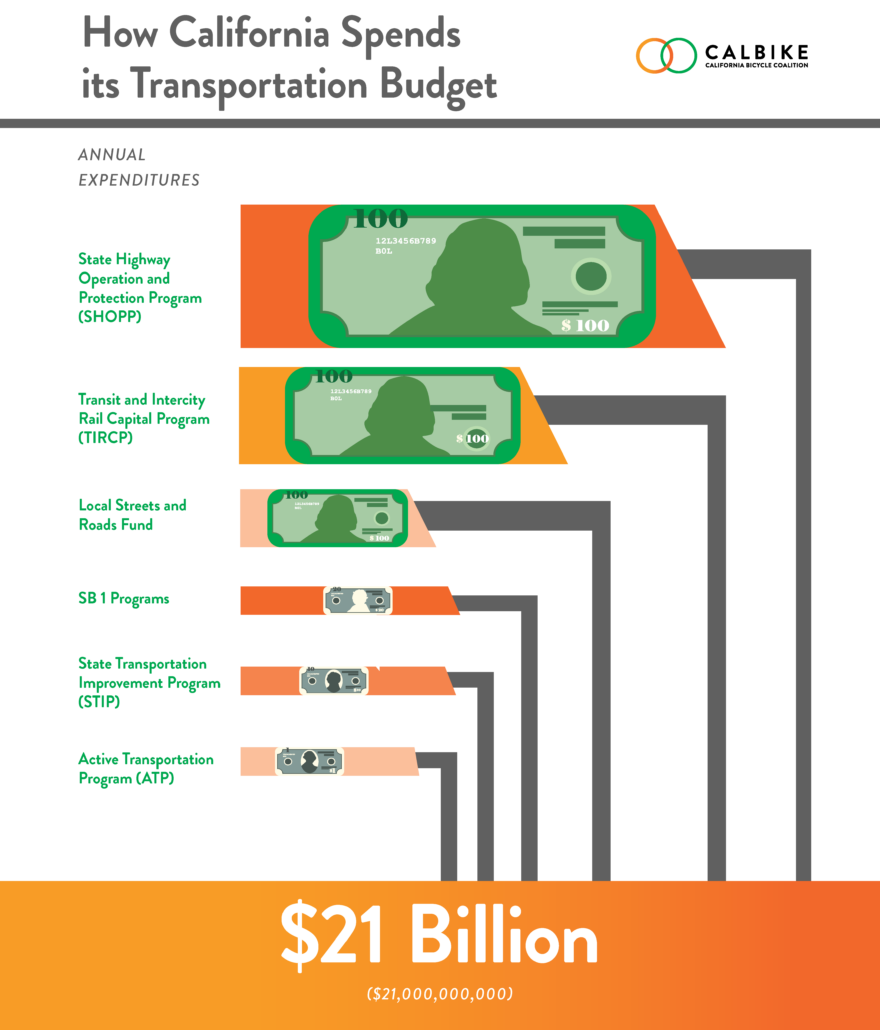
Getting around California involves a diverse range of transportation options, each with its own set of associated fees. From the moment you book your flight to the last mile of your journey, various charges can impact your travel budget.
Air Travel and Airport-Related Fees
Most travelers arrive in California by air, landing at major hubs like Los Angeles International Airport (LAX), San Francisco International Airport (SFO), or San Diego International Airport. The fees related to air travel are typically integrated into your ticket price, but understanding their components can be insightful. These often include:
- Passenger Facility Charges (PFCs): Imposed by airports to fund improvement projects, these fees are usually a few dollars per segment. They are generally collected by the airline at the time of ticket purchase.
- TSA Security Fees: A federal fee levied to cover the costs of aviation security. This is also included in your ticket price and paid when you purchase your flight.
- Airline Surcharges: While not strictly “fees due” at a separate time, these can include fuel surcharges, baggage fees (for checked bags or even sometimes carry-ons on budget airlines), and seat selection fees. Baggage fees are often paid when you check in online or at the airport, while seat selection is usually an option during booking.
- Airport Concession Fees (Car Rentals): If you plan to rent a car from an on-airport agency, you’ll almost certainly encounter an Airport Concession Fee (ACF) or similar surcharge. This is a percentage of your rental cost and is paid when you settle your car rental bill, usually upon return of the vehicle.
Road Travel: Car Rentals, Tolls, and Fuel Taxes
For many, exploring California means hitting the open road. This comes with its own financial considerations beyond the initial rental cost.
- Car Rental Specific Fees: Beyond the daily rate, rental companies impose several fees. These can include a Vehicle License Recovery Fee (to recover costs of licensing and registration), energy surcharges, airport surcharges (as mentioned above), and sales taxes. These are due at the end of your rental period, either when you return the vehicle or when your card is charged for the final amount. Optional add-ons like GPS, child seats, or additional drivers also incur daily fees.
- Toll Roads and Bridges: California has numerous toll roads, particularly in the Bay Area (e.g., Golden Gate Bridge, Bay Bridge) and parts of Southern California with express lanes. Most tolls are collected electronically via FasTrak transponders or license plate recognition. If you’re driving a rental car, the rental company will typically provide a transponder or bill you for tolls incurred, often with an added administrative fee. It’s critical to understand your rental agreement regarding tolls. For personal vehicles, tolls are generally due at the time of passage (electronically) or shortly after if you receive a mailed invoice. Neglecting to pay can result in significant penalties.
- Fuel Taxes: California has some of the highest gasoline prices in the United States, partly due to state and federal fuel taxes. While not a direct “fee due” at a specific separate time, these taxes are built into the price you pay at the pump. Budgeting for higher fuel costs is essential for any road trip through the state.
Public Transit and Ride-Share Services
For urban exploration, public transit and ride-sharing are popular choices.
- Public Transportation Fares: Major cities like Los Angeles, San Francisco, and San Diego offer extensive public transportation networks. Systems like BART in the Bay Area and Metro in Los Angeles charge fares per ride, which can often be purchased via reusable cards (e.g., Clipper Card, TAP card), mobile apps, or single-use tickets. Fares are due immediately before or upon boarding the service. Daily or weekly passes can offer savings for extensive use.
- Ride-Share Services (Uber/Lyft): Services like Uber and Lyft are ubiquitous. Fares are calculated per ride and include service fees, local taxes, and sometimes dynamic “surge pricing” during peak demand. Payments are processed automatically through the app immediately after the ride concludes.
Understanding Health-Related Expenses for Visitors to California
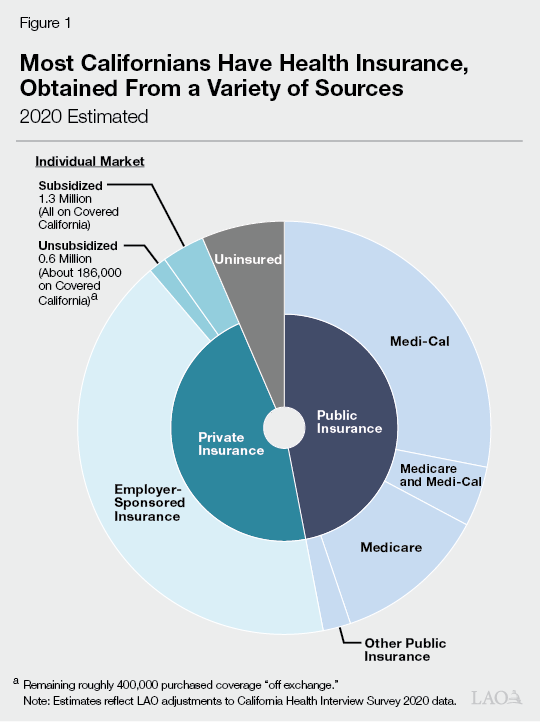
While not always a direct “fee” paid to the state, health-related costs can be a significant and unexpected expense for travelers in California, especially for those without adequate insurance coverage.
Travel Insurance: A Prudent Investment
For both domestic and international visitors, comprehensive travel health insurance is highly recommended. The United States healthcare system is notoriously expensive, and even a minor emergency can result in bills soaring into thousands of dollars.
- When Due: Travel insurance premiums are typically paid upfront, at the time of purchase, usually well before your departure date. This ensures coverage is in place from the start of your trip. Policies can cover emergency medical treatment, medical evacuation, and sometimes trip cancellation or interruption.
Direct Medical Costs and Emergency Services
Should you require medical attention during your stay, the associated fees can be substantial.
- Urgent Care and Doctor Visits: For non-life-threatening conditions, an urgent care center is often more affordable than an emergency room. Fees for visits are typically due at the time of service, though you might receive a bill for remaining balances later. Without insurance, these could range from a few hundred to over a thousand dollars.
- Emergency Room Visits: For serious emergencies, an Emergency Room visit is necessary. These are the most expensive option, with initial facility fees, doctor fees, and charges for any tests, procedures, or medications. While no one will be turned away from an Emergency Room for inability to pay, the resulting bills can be staggering. Payment for services is often requested at the time of discharge or billed to your home address if you cannot pay upfront.
- Prescription Medications: If you need a prescription refilled or a new one issued, the cost of drugs in the United States can be very high. Payment is due at the pharmacy when you pick up your medication. Always carry a supply of any essential prescription drugs and a copy of your prescription.
Payment Timelines: When to Expect and Budget for Fees
Effective budgeting for a trip to California involves understanding the different stages at which various fees typically become due.
Pre-Trip Planning and Upfront Payments
Many of the significant costs are incurred before you even set foot in California:
- Flight Tickets: Full payment is required at the time of booking.
- Travel Insurance: Premiums are paid upfront, upon policy purchase.
- Car Rental Bookings: While a deposit may be taken or a hold placed on your card, the full payment for the rental car itself (excluding incidentals) is typically due at the time of pickup or upon return.
- Accommodation Deposits/Prepayments: Many hotels or vacation rentals require a deposit or full prepayment at the time of booking.
During Your Stay: On-the-Go Expenses
These are the fees you’ll encounter as you travel and utilize services:
- Public Transit Fares: Due at the time of use (tapping a card, buying a ticket).
- Ride-Share Fares: Charged immediately after the ride.
- Toll Road Payments: Electronically deducted as you pass or billed shortly after. If using a rental car, these are often processed by the rental company with an administrative fee, appearing on your credit card statement days or weeks later.
- Fuel Costs: Paid at the pump.
- Parking Fees: Due upon entry or exit from parking garages or paid to meters.
- Medical Services (Urgent Care, Pharmacy): Often requested at the time of service, with residual bills sent later.
Post-Trip Considerations
Occasionally, fees may surface after your trip has concluded:
- Rental Car Surcharges: Any tolls, parking violations, or damage incurred during your rental period will be charged to your card, potentially days or weeks after returning the vehicle.
- Medical Bills: If you received medical care, balance bills from doctors, hospitals, or labs might arrive in the mail weeks or months later.
Smart Strategies to Minimize and Manage California Travel Fees
Being proactive about understanding and managing fees can significantly enhance your travel experience and protect your budget.
Research and Pre-Booking
Thorough research before your trip is invaluable. Compare car rental companies for their toll policies and hidden fees. Look into public transport pass options in cities like San Francisco or Los Angeles if you plan extensive use. Booking flights and accommodations in advance often secures better rates, though cancellation policies should be carefully reviewed.
Utilize Public Transportation and Carpooling
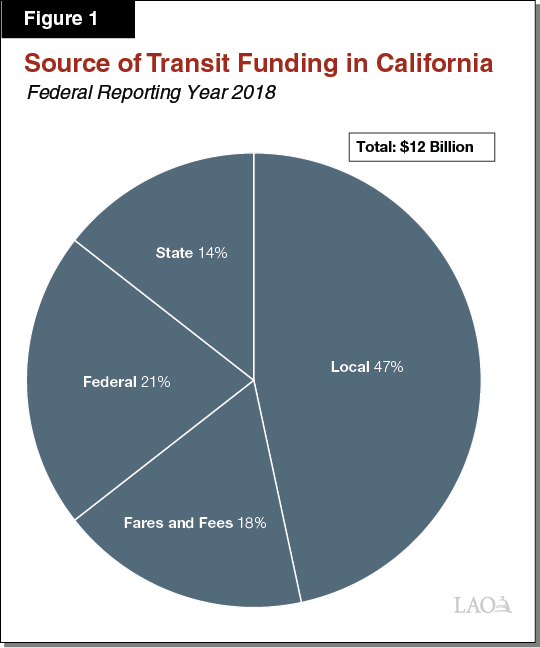
In metropolitan areas, opting for public transit or ride-sharing can often be more cost-effective than renting a car, especially when factoring in parking costs and high fuel prices. If you do rent a car, consider carpooling to split costs if traveling with others. Many California highways also have carpool lanes (HOV lanes) that can save time, although some are now express lanes requiring tolls for single occupants.
Comprehensive Travel Insurance
Never underestimate the value of travel health insurance. For a relatively small upfront investment, it provides peace of mind against potentially catastrophic medical expenses. Ensure your policy covers emergency medical treatment, hospitalization, and medical evacuation to the required limits for your trip duration. Understanding your deductibles and coverage limits before you travel is essential.
By anticipating these various transportation and health-related fees and understanding their payment timelines, you can better prepare your travel budget for an unforgettable journey through California.
LifeOutOfTheBox is a participant in the Amazon Services LLC Associates Program, an affiliate advertising program designed to provide a means for sites to earn advertising fees by advertising and linking to Amazon.com. Amazon, the Amazon logo, AmazonSupply, and the AmazonSupply logo are trademarks of Amazon.com, Inc. or its affiliates. As an Amazon Associate we earn affiliate commissions from qualifying purchases.