
California beckons with its diverse landscapes, vibrant cities, and unparalleled lifestyle. From the sun-drenched beaches of San Diego to the majestic redwoods of Big Sur, the rolling vineyards of Napa Valley to the iconic urban sprawl of Los Angeles and San Francisco, the Golden State offers an irresistible allure for travelers, investors, and those seeking a permanent slice of paradise. For many, the dream extends beyond a fleeting visit; it involves owning a piece of this sought-after land, whether it’s a luxurious vacation home, an income-generating rental property, or a tranquil haven for long-term stays. However, navigating the intricacies of property ownership in California involves understanding a fundamental aspect: real estate taxes. While the prospect of managing property taxes might seem a world away from planning your next travel adventure or curating a bespoke lifestyle experience, it is an essential piece of the puzzle for anyone looking to make California their home, even if temporarily, through property investment.

This guide will demystify when real estate taxes are due in California, providing crucial insights for discerning travelers, aspiring property owners, and seasoned investors alike. We’ll explore not just the critical deadlines but also the broader implications for budgeting, lifestyle choices, and the immense potential of owning property in one of the world’s most desirable destinations. Understanding these financial rhythms is key to a seamless experience, whether you’re considering a chic Santa Monica apartment, a sprawling estate in Beverly Hills, or a charming bungalow near Disneyland Resort.
Understanding California’s Property Tax Calendar: Key Dates for Owners
For anyone considering purchasing a property in California, or those who already own one, the state’s property tax system operates on a clear, semi-annual schedule. This rhythm dictates when payments are due, ensuring that property owners can plan their finances effectively. Unlike some regions where taxes might be paid monthly through an escrow account, direct property tax payments in California adhere to specific deadlines that, if missed, can incur penalties.
The Semi-Annual Rhythm: Key Payment Deadlines
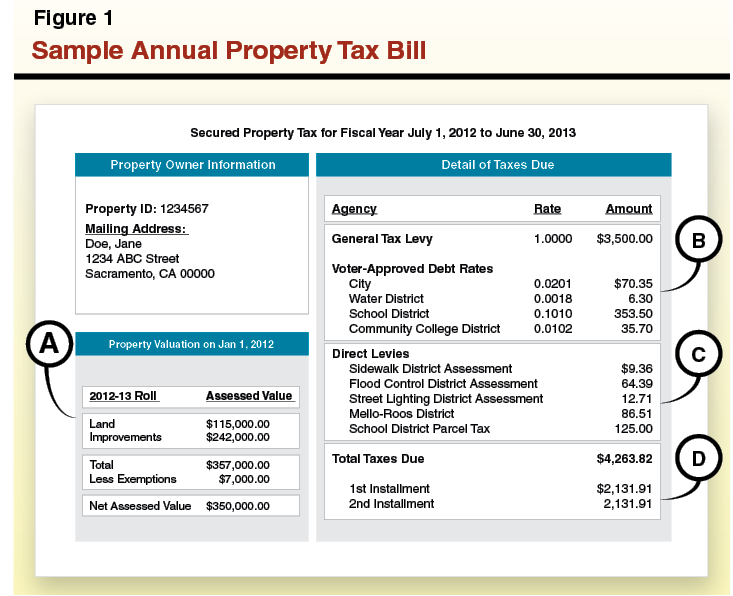
The primary property tax payments in California are divided into two installments. These dates are consistent across all 58 counties, from Orange County‘s coastal gems to the desert allure of Palm Springs and the mountain retreats around Lake Tahoe.
-
First Installment:
- Due Date: November 1st
- Delinquent Date: December 10th
The first installment covers the period from July 1st through December 31st of the current tax year. While the bill is technically “due” on November 1st, property owners have a grace period until December 10th to make their payment without penalty. If December 10th falls on a weekend or holiday, the delinquency date is typically extended to the next business day. Missing this deadline means a 10% penalty is applied to the unpaid amount, a detail no savvy property owner wants to overlook.
-
Second Installment:
- Due Date: February 1st
- Delinquent Date: April 10th
The second installment covers the period from January 1st through June 30th of the current tax year. Similar to the first installment, this payment is due on February 1st, but owners have until April 10th before the payment is considered delinquent. Again, if April 10th falls on a weekend or holiday, the delinquency date is extended. A 10% penalty plus a $33 lien fee (this fee can vary slightly by county) will be assessed if the second installment is not paid by its delinquent date.
Property tax bills are typically mailed to owners around September or October each year, providing ample time to review the assessment and prepare for the November 1st due date. It is always the property owner’s responsibility to ensure taxes are paid, even if a bill is not received. Most county tax collector websites (Los Angeles County Tax Collector, for example, or the San Francisco Treasurer & Tax Collector) offer online payment options and the ability to view or download tax bills.
Navigating Supplemental Taxes: Unexpected Considerations
Beyond the regular semi-annual property tax payments, California has a unique system of “supplemental taxes.” These often catch new property owners by surprise and are crucial for anyone buying a home or undertaking significant construction.
Supplemental taxes are triggered by a “reappraisable event,” which primarily occurs when:
- A change in ownership: When a property is sold, it is reassessed to its new market value.
- New construction: Significant additions or renovations to a property can also trigger a reappraisal of the value added.
When such an event occurs, the county assessor issues a supplemental assessment reflecting the difference between the old assessed value and the new market value. This supplemental bill covers the period from the date of the change in ownership or new construction to the end of the current tax year (June 30th). Because these bills are issued outside the regular tax cycle, they can arrive at any time of the year and have their own separate due and delinquent dates, typically 60 days from the mailing date.
For instance, if you purchase a charming Spanish-style villa in Santa Barbara in March, you would continue to pay the previous owner’s taxes on the old assessed value for the remaining part of the current tax year until June 30th. Then, a supplemental tax bill would be generated for the period from your purchase date in March through June 30th, reflecting the new, higher assessed value. This bill could arrive months after your purchase and must be paid promptly to avoid penalties. Understanding supplemental taxes is especially vital for those investing in property for vacation rentals or long-term accommodation, as it directly impacts initial budgeting and cash flow.
The Lifestyle and Investment Appeal of California Real Estate
Understanding property tax due dates is not just a matter of financial prudence; it’s an integral part of realizing the lifestyle and investment dreams that draw so many to California. The state’s unparalleled beauty, economic vibrancy, and cultural richness make property ownership here a compelling proposition, offering both personal enjoyment and significant financial potential.
Vacation Rentals and Investment Properties: A Dual Advantage
For many travelers and entrepreneurs, owning real estate in California isn’t just about personal use; it’s a strategic investment. The robust tourism industry, which encompasses everything from theme parks like Disneyland Resort to natural wonders such as Yosemite National Park and the urban excitement of Hollywood Walk of Fame, creates a consistent demand for high-quality accommodation. Investing in a property that doubles as a vacation rental can offer a dual advantage: a personal retreat when desired and a significant income stream when not in use.
Consider a chic bungalow in Venice Beach or a modern condo in downtown San Diego. Such properties can command premium nightly rates, especially during peak travel seasons. The revenue generated can not only offset the mortgage but also cover property taxes, insurance, and maintenance, potentially leading to a profitable venture. This approach allows owners to experience the California lifestyle at a reduced cost while simultaneously building equity in a valuable asset. The appeal of having a curated, private space as an alternative to traditional hotels often resonates with discerning travelers seeking local experiences, family-friendly options, or extended stays.
Long-Term Stays and Digital Nomads: A Home Away From Home
The rise of remote work has ushered in an era where digital nomads and extended-stay travelers seek more permanent, yet flexible, living arrangements. For these individuals, owning property in California can offer unparalleled stability and a genuine “home away from home” experience. Instead of navigating endless hotel bookings or short-term rental agreements, property ownership provides a consistent base from which to explore, work, and live.
Imagine a tech professional setting up a home office in their owned apartment in Silicon Valley, enjoying weekend trips to the Golden Gate Bridge or the vineyards of Sonoma County. Or a retired couple spending half the year in their Palm Springs oasis, soaking in the desert sun. These scenarios highlight how property ownership in California facilitates a desirable lifestyle that blends travel, leisure, and work. For those committed to long-term stays, the predictability of property taxes, once understood, is a small price to pay for the freedom and comfort of owning their space in such a dynamic state.
Financial Planning and Property Management for California Properties
Owning property in California, whether for personal use, investment, or a blend of both, requires meticulous financial planning and, often, thoughtful property management. Beyond the initial purchase price and mortgage, property taxes represent a significant ongoing expense that must be budgeted for.
Budgeting for Property Taxes in Popular Destinations
California property taxes are calculated based on the assessed value of the property, which under Proposition 13, is generally capped at increasing by no more than 2% per year, plus the local tax rate. However, when a property changes ownership, it is reassessed to its new market value. This means a newly purchased property will likely have higher taxes than the previous owner’s bill.
In addition to the base property tax, some communities in California have special assessments, often referred to as Mello-Roos taxes or other direct assessments. These are typically found in newer, master-planned communities like those in Irvine or other rapidly developing areas, and they fund specific public improvements such as schools, parks, or infrastructure. Mello-Roos taxes are paid alongside your regular property taxes but can add a substantial amount to the overall annual bill. Therefore, when budgeting for a potential property in sought-after locations, it’s crucial to investigate if any such special assessments apply. A beautiful home in a desirable neighborhood near Santa Monica Pier might come with higher property taxes due to its prime location and desirability, and factoring this into your overall travel or investment budget is paramount.
Many property owners opt to have their property taxes paid through an escrow account managed by their mortgage lender. This means a portion of the estimated annual property tax is added to your monthly mortgage payment and held by the lender, who then pays the tax collector on your behalf when the installments are due. This method provides convenience and helps avoid missed payments, ensuring that you remain compliant with the tax schedule without constant monitoring. For vacation rental owners, incorporating these tax costs into rental pricing strategies is essential to maintain profitability.

Resources and Assistance for Property Owners
Navigating the nuances of California property taxes can seem daunting, but numerous resources are available to assist property owners. Each county has a Tax Collector’s Office and an Assessor’s Office, both of which maintain comprehensive websites providing access to property tax records, payment portals, and detailed information about assessment methodologies. For example, the San Diego County Treasurer-Tax Collector’s website offers a user-friendly interface to look up property tax bills and make payments online.
Additionally, engaging with local real estate professionals, tax advisors, or property management companies can provide invaluable guidance. For those operating vacation rentals, a local property management service can handle not only guest bookings and maintenance but also ensure timely payment of all property-related expenses, including taxes, offering peace of mind and maximizing the investment’s return. These experts can help new owners understand their tax obligations, identify any special assessments, and even appeal assessments if they believe there’s an error.
In conclusion, while the question “When are real estate taxes due in California?” points to specific dates – November 1st and February 1st, with delinquency on December 10th and April 10th – the answer extends far beyond a simple calendar notation. It delves into the financial commitment required to embrace the California lifestyle, unlock investment opportunities, and secure a luxurious or comfortable base for your travels. By understanding these critical dates and the broader tax landscape, property owners can confidently enjoy all that the Golden State has to offer, from its iconic landmarks and vibrant culture to its serene natural beauty, without financial surprises.