
For anyone considering a move to the Lone Star State, investing in a vacation home, or even just understanding the economics behind the vibrant tourism industry, a key aspect to grasp is the rhythm of property taxes in Texas. Far from being a dry administrative detail, knowing when Texas property taxes are due can significantly impact financial planning for homeowners, prospective investors in the hospitality sector, and long-term visitors embracing the Texas lifestyle. From the bustling metropolises like Houston and Dallas to the serene coastal retreats of Galveston and South Padre Island, property taxes play a crucial role in funding local services that enhance the quality of life and the appeal of destinations for travelers.
Understanding the Texas property tax calendar is essential for strategic budgeting, avoiding penalties, and even planning travel or accommodation decisions. Unlike some states with income taxes, Texas relies heavily on property taxes to fund its public services, including schools, local infrastructure, and emergency services—all elements that contribute to a welcoming environment for both residents and tourists. This guide will walk you through the annual cycle of property taxes in Texas, highlighting key dates and offering insights into how this financial framework intertwines with the state’s burgeoning travel, accommodation, and lifestyle scene.
The Annual Texas Property Tax Calendar: A Crucial Timeline for Homeowners and Investors
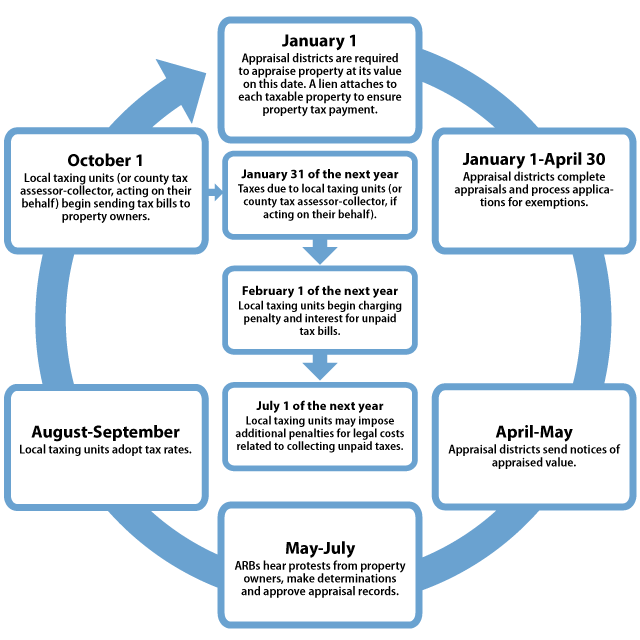
Navigating the Texas property tax system requires an understanding of its annual cycle, which typically begins in January and concludes the following February. This timeline affects everything from property valuations that influence investment returns on rental properties in Austin to the financial commitments of owning a cozy retreat near Big Bend National Park. Being informed about each phase allows for proactive management, whether you’re a permanent resident, a vacation homeowner, or an investor eyeing the lucrative Texas real estate market, including hotels and resorts.
January 1: The Valuation Snapshot and Assessment Period
The Texas property tax year officially kicks off on January 1. On this date, all taxable property, whether it’s a downtown Dallas high-rise apartment, a ranch outside San Antonio, or a boutique hotel in Fort Worth, is appraised at its market value. This is the “snapshot” date for tax purposes, meaning the condition and ownership of the property on January 1 determine its tax liability for the entire year.
For potential homeowners or those planning long-term stays, understanding this valuation date is critical. If you purchase property after January 1, you may still be responsible for the taxes assessed for that year, often prorated at closing. For those in the tourism sector, particularly owners of hotels or short-term rental accommodations, this initial appraisal sets the baseline for their annual operational costs. A higher appraisal might mean higher property taxes, which can influence rental rates, room prices, and overall profitability, thus indirectly affecting the affordability of travel and accommodation in various Texas destinations.
Throughout the spring, appraisal districts across the state, such as the Travis Central Appraisal District for Austin properties or the Harris County Appraisal District for Houston, work to determine the market value of all properties. This period involves extensive data collection, property inspections, and analysis to ensure fair and equitable valuations.
April-May: Notice of Appraised Value and Protest Period
Typically in April or early May, property owners receive their Notice of Appraised Value from their local appraisal district. This notice details the market value assigned to their property as of January 1, along with any exemptions applied (such as homestead exemptions for primary residences). This is a pivotal moment for property owners.
Upon receiving the notice, property owners have a limited window—usually until May 15th (or 30 days after the notice is mailed, whichever is later)—to formally protest their property’s appraised value if they believe it is incorrect. This protest period is an essential right for property owners to ensure they are not overtaxed. For investors in commercial properties, including hotels, resorts, or apartment complexes in prime tourist locations, a successful protest can significantly reduce annual operating expenses, making their ventures more competitive and attractive for tourism.
Engaging in the protest process often involves presenting evidence to the appraisal review board (ARB) demonstrating why the proposed value is too high. This could include comparable sales data, photos of disrepair, or expert appraisals. For those considering buying property in Texas, understanding the protest process is a valuable part of due diligence, as it highlights the dynamic nature of property valuation and the avenues available for adjustment. Even for those enjoying the Texas lifestyle through extended stays, awareness of how property values are managed provides insight into the local economic landscape.
October: Tax Bills are Mailed
Once the appraisal values are finalized (often after the protest period concludes in late summer), local taxing units—such as cities, counties, school districts, and special districts—calculate their tax rates. These rates, combined with the finalized appraised values, determine the total tax bill for each property.
Around October 1st, property tax bills are typically mailed out to owners. This bill consolidates all the taxes owed to the various taxing units that have jurisdiction over a specific property. For example, a homeowner in Austin might see separate charges for the city of Austin, Travis County, and the Austin Independent School District, among others.
Receiving the tax bill marks the beginning of the payment period. For lifestyle seekers considering relocating to Texas or purchasing a second home, this bill provides a concrete figure for their annual property tax liability, which is crucial for overall financial planning. For those operating accommodations, this is a fixed cost that needs to be factored into their pricing strategies and budget forecasts for the upcoming year, influencing everything from the rates at a luxury Hyatt Regency in Dallas to a charming bed-and-breakfast in a smaller Texas town.
Key Due Dates and Payment Deadlines
The most critical information for property owners and investors in Texas revolves around the specific due dates for property tax payments. Missing these deadlines can result in significant penalties and interest, impacting profitability for businesses and causing financial strain for homeowners.
January 31: The Primary Payment Deadline
The primary deadline for paying Texas property taxes without incurring penalties and interest is January 31st of the following year. For example, taxes assessed for the 2024 tax year are due by January 31st, 2025. This date is paramount for all property owners, from individual homeowners enjoying the Texas lifestyle to major hotel chains managing properties in prominent tourism hubs like San Antonio or Houston.
Property owners have several options for payment, including online portals, mail, or in-person at the local tax assessor-collector’s office. It’s highly advisable to submit payments well in advance of the deadline, especially if mailing, to account for potential delays.
For those managing vacation rentals or considering buying a property for investment, budgeting for this annual lump sum is non-negotiable. Many mortgage lenders include property taxes in escrow payments, alleviating the direct burden on homeowners. However, for properties without escrow, or for commercial ventures, careful financial planning is essential to meet this significant annual obligation without financial stress. The timely payment of these taxes ensures the continuity of local services that, in turn, support the vibrant tourism and travel infrastructure that draws visitors to Texas.
February 1: The Start of Delinquency
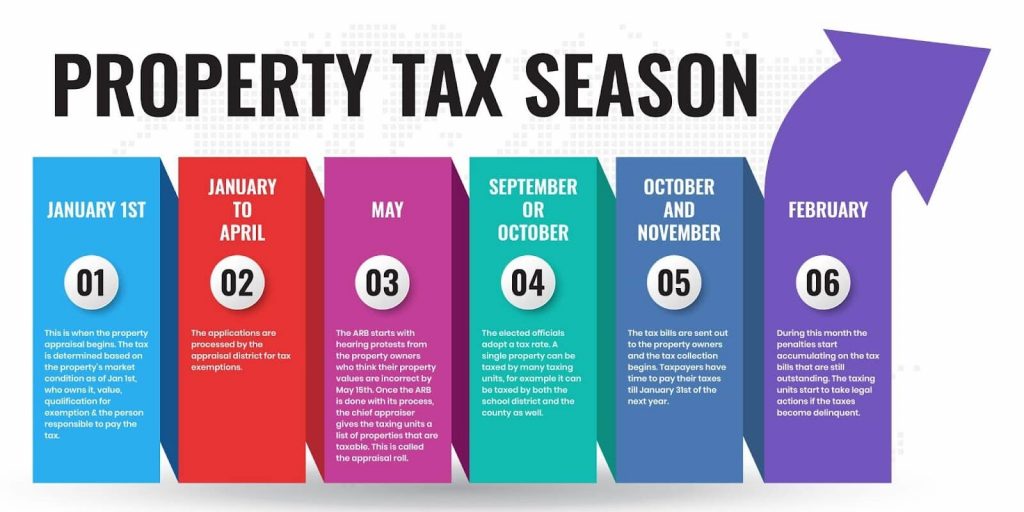
If property taxes are not paid by January 31st, they become delinquent on February 1st. Once delinquent, penalties and interest immediately begin to accrue on the unpaid balance. The penalty is typically 6% on February 1st and increases by an additional 1% each month thereafter, up to a maximum of 12%. Interest also accumulates at a rate of 1% per month.
For business owners, including those running hotels, resorts, or local tourist attractions that own their property, these penalties can quickly erode profits. For individuals, they represent an unnecessary financial burden that can disrupt travel plans or long-term lifestyle goals.
July 1: Additional Penalties for Delinquent Accounts
For accounts that remain delinquent, another significant penalty is added on July 1st. This typically includes an additional penalty of 15% to 20% of the total tax, interest, and penalties due, to cover the costs of collection by attorneys. At this point, the tax units can initiate legal action to collect the overdue taxes, which may include tax liens and even foreclosure proceedings.
Understanding this progression of penalties underscores the importance of timely payment. For anyone contemplating property ownership in Texas, whether for personal use, a vacation rental business, or as a commercial accommodation venture, incorporating these tax deadlines into financial models is crucial. It’s not just about paying the bill, but also about appreciating the system that funds the infrastructure and public services enhancing the Texas experience for residents and visitors alike.
Broader Implications for Lifestyle, Travel, and Investment in Texas
Beyond the strict deadlines, the Texas property tax system has far-reaching implications for various aspects of life and commerce within the state. For those drawn to the unique Texas lifestyle, planning a significant trip, or eyeing investment opportunities, understanding this financial backbone is key.
Impact on Vacation Homes and Short-Term Rentals
The allure of owning a vacation home in popular Texas destinations like Galveston, South Padre Island, or the Texas Hill Country is undeniable. For many, it’s a dream of a luxurious getaway or a smart investment in the burgeoning short-term rental market. However, property taxes are a significant recurring cost that must be factored into the equation. A high property tax rate in a desirable tourist spot can influence the profitability of a rental property, affecting the rates charged to travelers and the overall return on investment.
Investors keen on capitalizing on the rise of experience-based travel and unique accommodation options in Texas must perform thorough due diligence on local property tax rates. These rates vary significantly by county and taxing district. For example, a property in the city limits of Austin might have different tax obligations than one just outside the city in a less developed area, even if both are popular with tourists. Understanding the tax calendar ensures that cash flow is managed effectively, preventing unexpected penalties that could diminish the appeal of an otherwise lucrative investment in the travel and tourism sector.
Relocating to Texas: Cost of Living Considerations
Texas continues to be a magnet for individuals and families seeking a new lifestyle, often drawn by its diverse economy, cultural richness, and vibrant cities. For those contemplating relocation, the absence of a state income tax is a major draw. However, this is largely offset by higher-than-average property tax rates, which can be a surprise for newcomers from states with different tax structures.
When budgeting for a move to Texas, property taxes should be a primary consideration. The annual property tax bill can represent a substantial portion of a household’s expenses, influencing housing affordability in different regions. For instance, while housing prices in Houston or Dallas might seem attractive, the long-term cost of property taxes can significantly impact the overall cost of living. Prospective residents should research the property tax rates for their target cities and counties, understanding the tax calendar to ensure they are prepared for annual payments. This knowledge empowers individuals to make informed decisions about where to settle, ensuring their chosen lifestyle in Texas remains sustainable and enjoyable.
Understanding the Local Economy and Tourism Funding
Property taxes are the lifeblood of local government and school district funding in Texas. The revenue generated supports critical infrastructure, public safety, parks, and, importantly, public schools. These services directly contribute to the appeal and functionality of Texas cities and towns, making them attractive destinations for both residents and tourists. Well-maintained roads, safe communities, and quality educational institutions indirectly support the tourism industry by creating desirable environments for visitors and a skilled workforce for hospitality businesses.
For the travel and tourism industry, understanding the property tax framework offers insights into the local economic landscape. A city’s ability to maintain its landmarks, fund cultural events, and invest in tourist infrastructure is directly tied to its tax base, including property tax collections. When taxes are paid diligently, these local amenities thrive, enhancing the visitor experience and reinforcing Texas’ reputation as a premier travel destination. Conversely, delinquent taxes can strain local budgets, potentially impacting the quality of public services and, by extension, the overall appeal of a destination.

Navigating the System and Finding Resources
For anyone involved with property in Texas, whether a first-time homeowner, a seasoned investor, or a business owner in the hospitality sector, knowing where to find reliable information and assistance is invaluable.
The primary resource for property tax information is your local county’s appraisal district and tax assessor-collector’s office. Each county in Texas has its own appraisal district responsible for valuing properties and a tax assessor-collector responsible for collecting the taxes. Their websites typically provide comprehensive information on:
- Property Search Tools: Allowing you to look up appraised values, exemptions, and tax history for specific properties.
- Tax Rate Information: Detailing the rates set by various taxing units within the county.
- Payment Options: Explaining how to pay your tax bill, including online portals, mailing addresses, and office locations.
- Protest Procedures: Guiding property owners through the process of appealing their appraised value.
- Exemption Information: Detailing available exemptions, such as homestead, senior, or disabled person exemptions, which can reduce tax liability.
Organizations like the Texas Comptroller of Public Accounts also offer extensive resources and guides on Texas property taxes, providing a broader statewide perspective. For those considering a long-term stay or an investment in Texas, consulting these resources early in the planning process can provide clarity and prevent future complications. Financial advisors specializing in Texas real estate can also offer tailored advice, especially for complex investment scenarios involving hotels, multi-unit accommodations, or large commercial properties that contribute significantly to the state’s tourism infrastructure.
In conclusion, understanding “When Are Texas Property Taxes Due?” is more than just knowing a date on a calendar; it’s about comprehending a fundamental aspect of the state’s financial ecosystem. This knowledge empowers homeowners, guides investors in the dynamic travel and accommodation markets, and provides valuable insight for anyone embracing the diverse and vibrant lifestyle Texas has to offer. By staying informed and adhering to the annual tax calendar, you ensure responsible property ownership and contribute to the continued prosperity and appeal of the Lone Star State for generations to come.
LifeOutOfTheBox is a participant in the Amazon Services LLC Associates Program, an affiliate advertising program designed to provide a means for sites to earn advertising fees by advertising and linking to Amazon.com. Amazon, the Amazon logo, AmazonSupply, and the AmazonSupply logo are trademarks of Amazon.com, Inc. or its affiliates. As an Amazon Associate we earn affiliate commissions from qualifying purchases.