
The dream of escaping to the Pacific Ocean is a perennial one for many travelers. With its volcanic landscapes, crystal-clear waters, and the ubiquitous spirit of aloha, Hawaii stands as one of the most desirable destinations on the planet. However, for the savvy budget traveler, the hurdle is often the perceived cost of entry. In the world of lifestyle and budget travel, the primary objective is to maximize value without sacrificing the quality of the experience. Finding the cheapest flights to the islands is not merely a matter of luck; it is a strategic endeavor that requires an understanding of seasonal demand, carrier competition, and regional logistics. By mastering the timing of your booking and your departure, you can transform an expensive bucket-list item into an attainable annual tradition.
Seasonal Trends: Finding the Sweet Spot for Savings
The most significant factor influencing flight prices to the United States’ 50th state is seasonality. Because Hawaii enjoys a tropical climate year-round, demand is driven less by the weather in the islands and more by the weather—and the school schedules—of the places people are flying from.
The Off-Peak Advantage: Fall and Late Spring
For those prioritizing budget travel, the months of September through mid-November, and mid-April through early June, are the golden windows. During the fall, the rush of summer families has subsided, and the winter “snowbirds” have yet to arrive. You will often find the lowest fares of the year during this period, particularly to major hubs like Honolulu on the island of Oahu. Similarly, late spring offers a lull between the spring break crowds and the summer vacationers. Not only are flights more affordable, but the islands themselves are less crowded, allowing for a more authentic lifestyle experience at landmarks like Diamond Head or the historic streets of Lahaina.
Avoiding the Peak Season Spikes
Conversely, if you are looking to save money, you must avoid the “Golden Week” in Japan, which typically occurs in late April and early May, as this brings a massive influx of tourists to the islands. More importantly, the period from mid-December through the first week of January sees prices skyrocket, sometimes doubling or tripling. The summer months of June, July, and August also see a steady climb in prices as families take advantage of the school holidays. While the lifestyle of a summer Hawaii trip is iconic, it is rarely the most economical choice.
The Shoulder Season Secret
The “shoulder season” is the sweet spot between peak and off-peak. February and March often provide a unique opportunity. While many are escaping the cold of Canada or the northern states, there are frequently “flash sales” during these months to fill seats during the mid-week lulls. Monitoring these windows can lead to significant savings for those with a flexible lifestyle.
Strategic Booking: Days and Lead Times
In the niche of budget travel, when you book is just as important as when you fly. The logistics of the airline industry are governed by complex algorithms, but patterns do emerge that the discerning traveler can exploit.
The Best Days of the Week to Fly
Conventionally, Tuesday and Wednesday are the cheapest days to fly to the islands. Most vacationers want to maximize their time by arriving on a Friday or Saturday and leaving the following Sunday. By shifting your schedule to a mid-week departure and return, you can often save hundreds of dollars. This is particularly true for long-haul flights from cities like New York City or Chicago, where the price differential between a weekend and a weekday flight is most pronounced.
Optimal Booking Windows
While “last-minute deals” are a popular myth in the lifestyle travel community, they are increasingly rare for destinations like Hawaii. For domestic travel within the United States, the optimal booking window is generally one to three months in advance. For international travelers coming from Sydney, Tokyo, or Vancouver, this window extends to four to six months. Booking too early can be just as detrimental as booking too late, as airlines often haven’t released their promotional fares yet.
Leveraging Fare Alerts and Technology

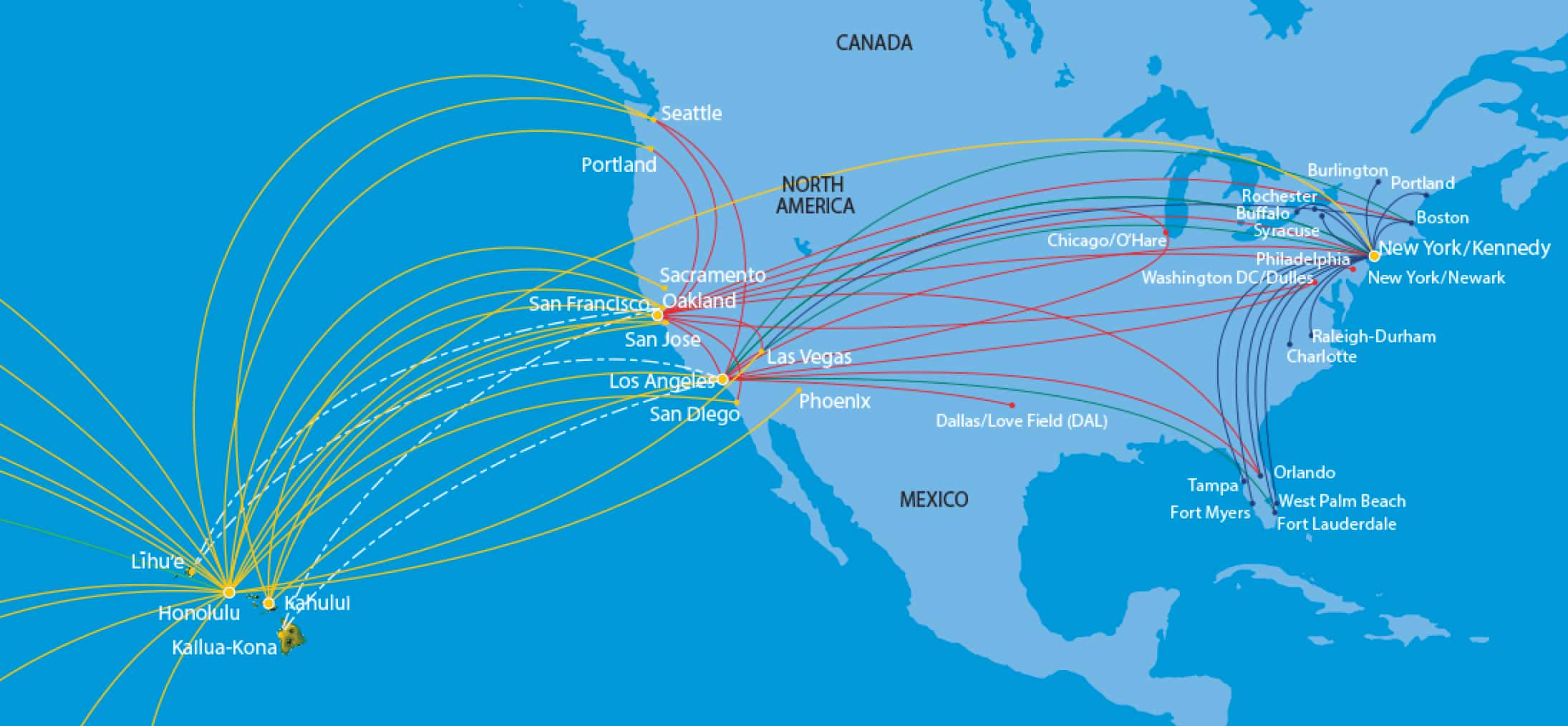
A modern budget travel lifestyle relies heavily on technology. Utilizing fare tracking tools for specific routes—such as Los Angeles to Kahului—allows you to receive notifications the moment a price drop occurs. Setting alerts for multiple airports, such as San Francisco, Oakland, and San Jose, can also reveal hidden savings, as airlines often compete aggressively on these overlapping routes.
Geographic Factors and Route Selection
Where you choose to land in the archipelago can have a profound impact on your total travel expenditure. Each island has its own primary airport, and the competition between airlines varies significantly across these entry points.
Major Entry Points: Honolulu vs. The Neighbor Islands
Honolulu International Airport (HNL) remains the primary gateway. Because it handles the highest volume of traffic and the most international carriers, it is almost always the cheapest airport to fly into. However, if your ultimate destination is Maui to see Haleakala National Park, or Kauai to hike the Napali Coast, you must factor in the cost of inter-island flights. Sometimes, flying directly into Lihue or Kona can be more cost-effective when you consider the time and expense of a connecting flight and the associated baggage fees.
The “Southwest Effect”
The entry of Southwest Airlines into the Hawaiian market has been a game-changer for budget travelers. By offering service from various California gateways like Sacramento and San Diego, they have forced legacy carriers like Hawaiian Airlines, United Airlines, and Alaska Airlines to lower their prices to remain competitive. Furthermore, Southwest Airlines offers two free checked bags, which is a significant “hidden” saving for those planning a longer stay or bringing their own surfing gear.
West Coast vs. East Coast Departures
For travelers on the West Coast, particularly in Seattle or Portland, Hawaii is a relatively short five-to-six-hour flight. These routes are highly competitive and frequently see prices dip below $300 round-trip. For those on the East Coast, the journey is more arduous and expensive. A common strategy for the budget-conscious lifestyle is to book a separate “positioning flight” to a West Coast hub like Los Angeles and then book a separate, cheaper ticket to the islands. While this requires more planning, the savings can be substantial.
Budget Travel Hacks for the Aloha State
Beyond just the timing and the route, several “hacks” can further reduce the cost of your airfare, allowing you to reallocate those funds toward experiences like snorkeling at Molokini Crater or enjoying a luxury meal in Waikiki.
Alternative Airports and Inter-Island Connectivity
Don’t limit your search to just one airport. Sometimes flying into Honolulu and taking a local carrier like Mokulele Airlines to a smaller airstrip can save money and provide a more scenic, adventurous start to your trip. This approach is perfect for travelers who view the journey as part of the destination.
Credit Card Rewards and Airline Miles
For those committed to a travel-heavy lifestyle, credit card points are the ultimate currency. Many airlines, including Delta Air Lines and American Airlines, have partnerships that allow you to redeem miles for Hawaiian routes. Specifically, using British Airways Avios to book flights on Alaska Airlines or American Airlines from the West Coast is a legendary “sweet spot” in the points and miles world, often costing far fewer points than booking directly.
The Myth of the Round Trip
In many cases, booking two one-way tickets on different airlines can be cheaper than a standard round-trip ticket. You might fly into Maui via Hawaiian Airlines but find a better deal returning from Honolulu on United Airlines. This flexibility is a hallmark of the sophisticated budget traveler.
The pursuit of the cheapest flights to Hawaii is a rewarding challenge that blends analytical planning with a passion for discovery. By understanding the ebb and flow of tourism in the United States and the specific dynamics of the Pacific Ocean routes, you can secure a seat to paradise for a fraction of the standard cost. Whether you are aiming for the volcanic peaks of the Big Island or the lush valleys of Kauai, the savings you find in the air will only enhance the lifestyle you enjoy on the ground. Through strategic timing, technological tools, and a bit of geographic flexibility, the spirit of aloha becomes more accessible than ever before.
LifeOutOfTheBox is a participant in the Amazon Services LLC Associates Program, an affiliate advertising program designed to provide a means for sites to earn advertising fees by advertising and linking to Amazon.com. Amazon, the Amazon logo, AmazonSupply, and the AmazonSupply logo are trademarks of Amazon.com, Inc. or its affiliates. As an Amazon Associate we earn affiliate commissions from qualifying purchases.