
Alaska, the Last Frontier, is a mesmerizing destination renowned for its pristine wilderness and abundant wildlife. Among its most magnificent residents are whales, majestic creatures that grace its icy waters with their presence. For travelers eager to witness these gentle giants, understanding their seasonal migration patterns is paramount to planning an unforgettable Alaskan adventure. Whale watching in Alaska is not merely an activity; it’s an immersive experience that connects visitors with the raw power and serene beauty of the marine world.
The Seasonal Rhythms of Alaskan Whale Migration
The presence of whales in Alaskan waters is largely dictated by the availability of food sources, primarily krill and small schooling fish, which flourish in the nutrient-rich subarctic seas during warmer months. This leads to distinct peak seasons for various species.
Spring: Awakening Waters and Returning Giants
As winter’s grip begins to loosen in April and May, the Alaskan seas awaken. This period marks the return of several whale species from their warmer breeding grounds to the colder, food-rich waters of Alaska. It’s a time of renewal, and early bird travelers can experience the excitement of the first significant sightings.
The Gray Whale migration is particularly notable in spring. These incredible travelers undertake one of the longest mammalian migrations on Earth, journeying from the warm lagoons of Baja California to the Arctic feeding grounds. Their northbound migration along the Alaskan coast peaks in late April and early May, offering excellent viewing opportunities, especially in areas like Kodiak Island and along the outer coast of Southeast Alaska.
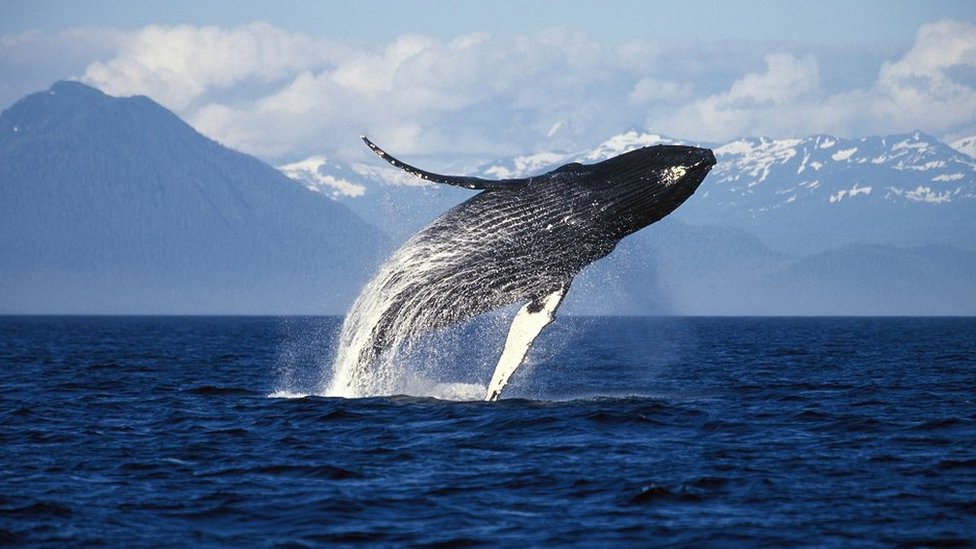
Humpback Whales also begin to arrive in earnest during late spring. While some may appear earlier, their numbers swell significantly from May onwards. The waters become a bustling feeding ground, and the chances of witnessing their spectacular breaches and tail lobs increase. Spring whale watching often comes with the added bonus of fewer crowds, allowing for a more intimate experience with nature.
Summer: Peak Season for Diverse Sightings
June, July, and August constitute the absolute peak whale watching season in Alaska. During these months, the long daylight hours, relatively calm seas, and abundant food supplies draw an incredible diversity and density of whales to Alaskan waters. This is when tour operators run their most frequent excursions, capitalizing on the high probability of multiple sightings.
Humpback Whales are ubiquitous throughout the summer, known for their elaborate feeding strategies, including bubble-net feeding, a cooperative hunting technique unique to these waters. Orcas (Killer Whales), another highly sought-after species, are also consistently present. There are two main ecotypes: transient orcas, which hunt marine mammals like seals and sea lions, and resident orcas, which primarily feed on fish, particularly salmon. The summer salmon runs make these areas prime hunting grounds for resident pods.
Beyond these prominent species, travelers may also encounter Minke Whales, often solitary and more elusive, and occasionally Fin Whales, the second-largest whale species, though less common closer to shore. The sheer volume of marine life during summer makes it an ideal time for a comprehensive whale watching experience.
Autumn: Preparations for the Journey South
As September arrives and transitions into October, the Alaskan summer begins to wane, and with it, the intense feeding frenzy of the whales. Many species, particularly the Humpbacks, start their southbound migration towards warmer breeding grounds. While whale watching opportunities decrease slightly compared to the peak summer months, autumn still offers unique advantages.
The waters remain rich with marine life, and cooler temperatures often bring clearer skies and stunning autumnal foliage, adding another layer of beauty to the backdrop. Early autumn can still yield excellent sightings of Humpback Whales as they fuel up for their long journey. Orcas also remain active, particularly following late salmon runs.
Late autumn, into October, generally marks the end of the dedicated whale watching season for most operators as the majority of migratory whales have departed. However, some areas might still offer sporadic sightings for those undertaking self-guided exploration or specialized tours.
Key Whale Species and Their Alaskan Habitats
Alaskan waters are a critical habitat for several whale species, each with unique characteristics and preferred locations. Understanding these can enhance the anticipation of your journey.
Humpback Whales: Acrobats of the Deep
Humpback Whales (Megaptera novaeangliae) are arguably the most famous and frequently sighted whales in Alaska. Their distinctive long pectoral fins, knobbly heads, and spectacular surface behaviors — breaching, tail slapping, and fin slapping — make them a favorite among tourists. They are baleen whales, filter-feeding on krill and small schooling fish. Southeast Alaska, especially around Juneau, Sitka, and Icy Strait Point, is a prime location for observing their intricate bubble-net feeding. The Gulf of Alaska and Prince William Sound are also significant feeding grounds.
Orcas (Killer Whales): Apex Predators of the Pacific

Orcas (Orcinus orca), despite their common name, are actually the largest members of the dolphin family. Highly intelligent and social, they are easily recognizable by their striking black and white coloration and tall dorsal fins. Alaskan waters are home to both transient (mammal-eating) and resident (fish-eating) populations. They can be found in nearly all coastal waters of Alaska, but Prince William Sound, the Kenai Fjords National Park near Seward, and the Inside Passage are particularly good locations to spot these majestic hunters.
Gray Whales: The Coastal Migrators
Gray Whales (Eschrichtius robustus) are distinguished by their mottled gray skin, covered in barnacles and whale lice, and their long, low dorsal hump followed by a series of “knuckles” leading to the fluke. They are bottom feeders, sifting small crustaceans and invertebrates from the seabed. Their incredible migration takes them past the Alaskan coast in spring and autumn. While their primary feeding grounds are in the Bering Sea and Chukchi Sea further north, their migratory path offers excellent opportunities for sightings along the outer coast, particularly in the spring around Kodiak Island and the Aleutian Chain.
Minke and Beluga Whales: Less Common but Present
Minke Whales (Balaenoptera acutorostrata) are the smallest of the rorqual whales found in Alaska. They are fast, often solitary, and can be more challenging to spot due to their elusive nature and short surface times. They are present in various Alaskan waters, particularly the Gulf of Alaska and the Inside Passage.
Beluga Whales (Delphinapterus leucas), with their distinctive white color and melon-shaped heads, are unique among Alaskan whales. Unlike other species, they are non-migratory and reside year-round in specific Alaskan waters, primarily Cook Inlet near Anchorage. Their population in Cook Inlet is critically endangered, making sightings rare and highly protected, though specific viewing platforms exist to potentially spot them from shore.
Top Alaskan Destinations for Whale Watching
Selecting the right departure point is crucial for maximizing your chances of a successful whale watching excursion. Alaska offers several premier locations, each with its own charm and typical sightings.
Southeast Alaska (Juneau, Sitka, Icy Strait Point)
Often called the “Whale Watching Capital of Alaska,” Southeast Alaska is the most popular region for this activity, thanks to the nutrient-rich waters of the Inside Passage.
- Juneau: As the state capital, Juneau is easily accessible and boasts numerous tour operators. Humpbacks are the stars here, often seen bubble-net feeding in the waters of Lynn Canal and Favorite Channel. Orcas are also frequent visitors.
- Sitka: Located on Baranof Island, Sitka offers fantastic opportunities to see Humpbacks and Orcas against a backdrop of volcanic peaks. It’s particularly known for its diverse wildlife viewing, including sea otters and various seabirds.
- Icy Strait Point: Near the Native village of Hoonah, Icy Strait Point is a world-renowned Humpback feeding ground. The sheer concentration of whales here during summer is phenomenal.
Southcentral Alaska (Seward, Valdez, Whittier)
This region, including the Kenai Peninsula and Prince William Sound, provides excellent viewing opportunities, often combined with stunning glacier scenery.
- Seward: Gateway to Kenai Fjords National Park, Seward is a hotspot for Orcas and Humpbacks. Tours from Seward venture into deep fjords where whales thrive, alongside other marine mammals like sea lions and puffins.
- Valdez: Situated at the head of Prince William Sound, Valdez offers tours that navigate its majestic fjords, providing chances to see Humpbacks, Orcas, and sometimes even Fin Whales against dramatic glacial backdrops.
- Whittier: Also located in Prince William Sound, Whittier is a small but bustling port offering similar whale watching experiences to Valdez, often with easier access for those traveling from Anchorage.
Southwest Alaska (Kodiak Island)
For a more remote and rugged experience, Southwest Alaska offers its own unique whale watching opportunities.
- Kodiak Island: Known for its massive brown bears, Kodiak Island is also an excellent place to observe Gray Whales during their spring and fall migrations. Humpbacks and Orcas are also present in the surrounding waters, particularly in summer.
Planning Your Alaskan Whale Watching Experience
To make the most of your trip, consider these practical tips for planning your whale watching adventure.
Choosing the Right Tour Operator
Research is key when selecting a tour operator. Look for companies with a strong track record, experienced naturalists on board who can provide insightful commentary, and a commitment to ethical whale watching practices. Many operators offer guarantees for whale sightings, providing a partial refund or another tour if no whales are seen. Ensure the boat is comfortable and suitable for varying weather conditions. Smaller vessels can offer a more intimate experience, while larger boats may provide more stability.
What to Bring and Expect
Alaskan weather can be unpredictable, even in summer. Dress in layers, including waterproof and windproof outerwear, a warm hat, and gloves. Sunglasses are essential to reduce glare off the water, and sunscreen is important, especially with the long daylight hours. Bring a camera with a good zoom lens for capturing distant shots, and binoculars for a closer view. Seasickness medication might be advisable if you are prone to motion sickness. Most tours provide light snacks and beverages, but it’s wise to bring your own water and any specific dietary needs. Expect tours to last anywhere from 3 to 6 hours, depending on the itinerary and location.

Ethical Whale Watching Practices
Responsible tourism is crucial for protecting these magnificent creatures and their habitat. Reputable tour operators adhere to strict guidelines, such as maintaining safe distances from whales, avoiding sudden changes in speed or direction, and never pursuing whales. The National Oceanic and Atmospheric Administration (NOAA) provides specific regulations for marine wildlife viewing. By choosing an ethical operator, you contribute to the conservation efforts that ensure future generations can also marvel at Alaska’s whales. Your experience should prioritize the well-being of the animals above all else, allowing you to witness their natural behaviors without causing disturbance.
LifeOutOfTheBox is a participant in the Amazon Services LLC Associates Program, an affiliate advertising program designed to provide a means for sites to earn advertising fees by advertising and linking to Amazon.com. Amazon, the Amazon logo, AmazonSupply, and the AmazonSupply logo are trademarks of Amazon.com, Inc. or its affiliates. As an Amazon Associate we earn affiliate commissions from qualifying purchases.