
California, the renowned Golden State, is a magnet for travelers, dreamers, and those seeking iconic landscapes and vibrant city life. From the sun-kissed beaches of Southern California to the majestic redwoods of Northern California, every corner offers a unique experience. However, beneath the consistent allure of its destinations, there’s an annual rhythm that can subtly impact your travel plans, hotel bookings, and overall experience: the shifting sands of Daylight Saving Time (DST).
For both first-time visitors and seasoned residents, understanding when and why California changes its clocks is crucial. It’s not just about adjusting your wristwatch; it’s about optimizing your itinerary, ensuring timely arrivals for tours, and making the most of those precious daylight hours, whether you’re exploring Yosemite National Park, strolling across the Golden Gate Bridge, or enjoying the magic of Disneyland. This article delves into the specifics of California’s time changes, their implications for your travel and lifestyle, and the ongoing debate surrounding this intriguing practice.
Understanding California’s Annual Time Shift
The concept of moving clocks forward and backward is a deeply ingrained part of modern life for many across the globe, and California is no exception. This practice, known as Daylight Saving Time, aims to make better use of natural daylight. But what does this mean for the Golden State specifically, and when do these shifts actually occur?
The Rhythms of Daylight Saving Time in the Golden State
California meticulously follows the federally mandated schedule for Daylight Saving Time within the United States. This means two distinct annual events that subtly (or sometimes jarringly) redefine the flow of daily life and travel.
The first shift, often referred to as “spring forward,” occurs on the second Sunday in March. On this day, clocks in California jump forward by one hour at 2:00 AM local time, effectively losing an hour from the day. This transition marks the beginning of Pacific Daylight Time (PDT), shifting from the earlier Pacific Standard Time (PST). The primary effect is that evenings become brighter and longer, providing extended daylight for after-work activities, sightseeing, and enjoying the state’s natural beauty well into the twilight hours. For travelers, this extra hour of evening light can be a significant bonus, allowing for more time to explore destinations like Hollywood, dine al fresco in Napa Valley, or simply relax on a beach in San Diego as the sun sets later.
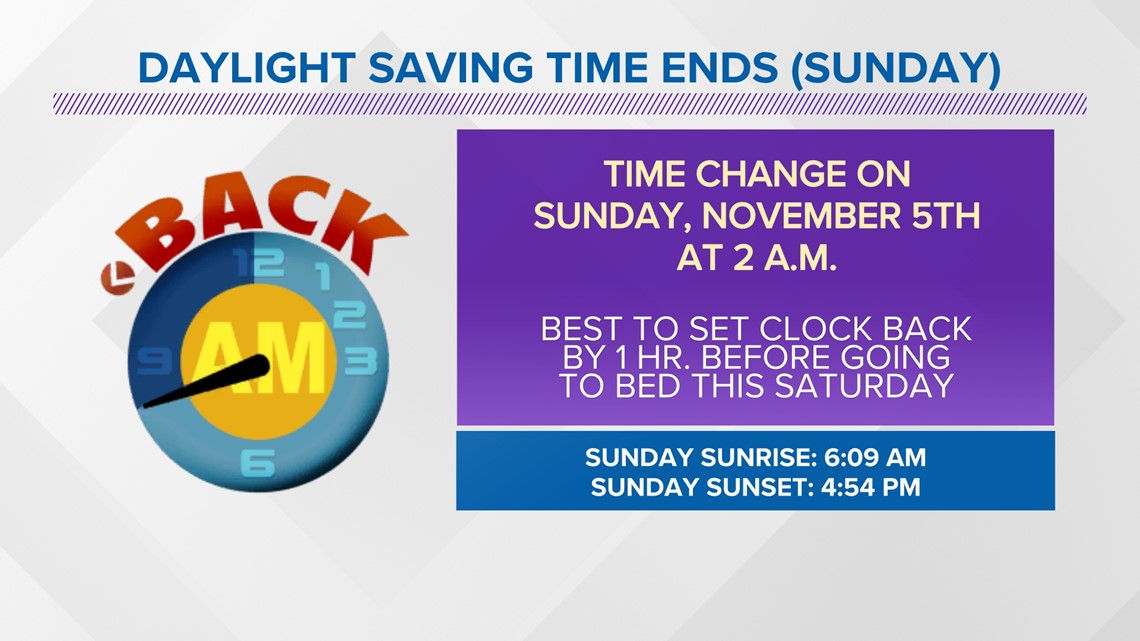
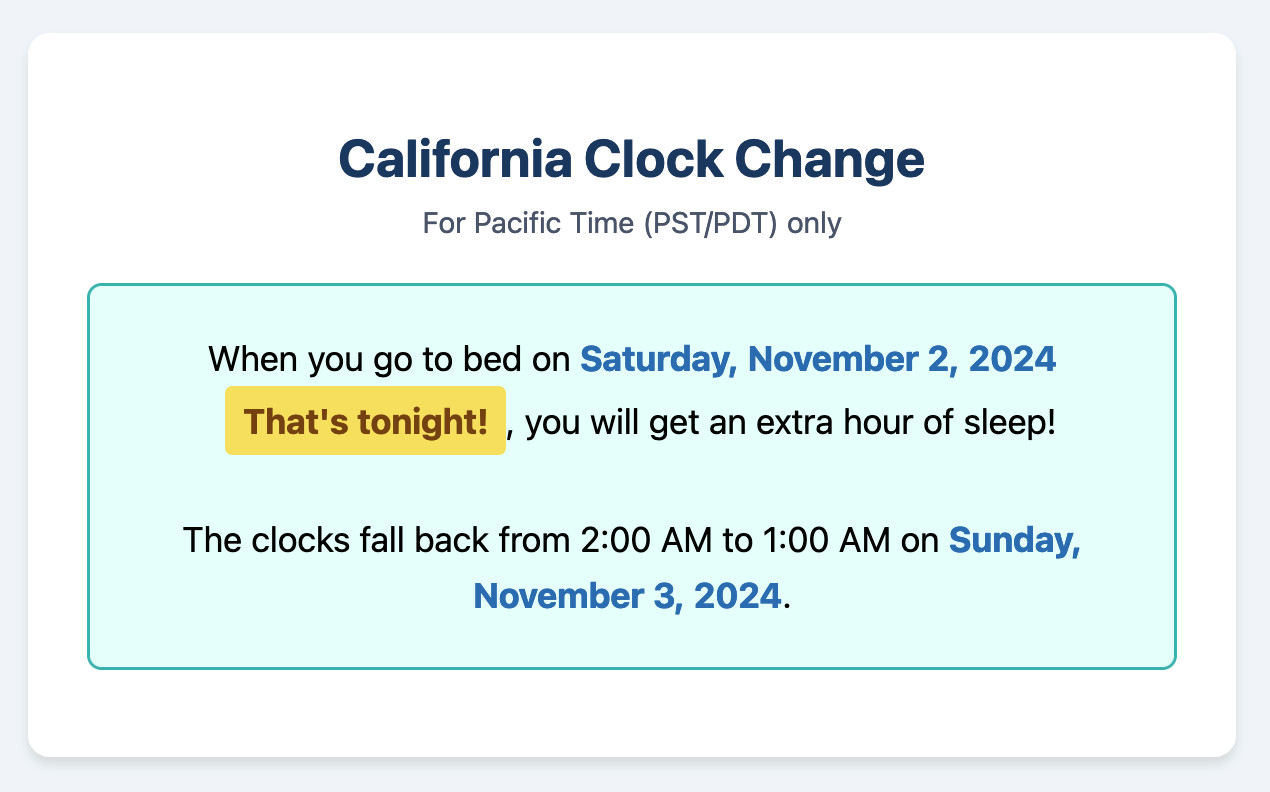
The second shift, known as “fall back,” happens on the first Sunday in November. At 2:00 AM local time, clocks are moved backward by one hour, effectively gaining an hour back. This transition marks the end of Pacific Daylight Time and the return to Pacific Standard Time. While it grants an extra hour of sleep (a welcome perk for many), it also means that daylight diminishes earlier in the evenings. For tourism, this can mean adjusting schedules for outdoor activities, being mindful of earlier sunsets for photo opportunities, and potentially planning indoor attractions for later in the day. Visitors to California during the fall often revel in the crisp air and vibrant autumn colors, but they must also be cognizant that their evenings will begin sooner.
Throughout these shifts, California remains within the overarching Pacific Time Zone, simply oscillating between its standard and daylight variants. This consistent observation of DST places California in line with most other United States states, with notable exceptions being Arizona (which largely opts out) and Hawaii (which doesn’t observe it).
A Glimpse into DST’s History and Purpose
The origins of Daylight Saving Time are rooted in various rationales that have evolved over time. The initial widespread adoption of DST in countries like the United States often coincided with major global conflicts. During World War I and World War II, the primary impetus was energy conservation. By extending daylight into the evening, it was believed that people would rely less on artificial lighting, thereby saving fuel for the war effort.
Beyond wartime measures, the concept was later embraced for broader societal benefits. The idea that longer daylight evenings would foster leisure activities and stimulate commerce gained traction. Industries like golf courses, theme parks such as Universal Studios Hollywood, and retail businesses often championed DST, recognizing the potential for increased patronage during extended evening hours. People, too, enjoyed the opportunity for outdoor recreation, sports, and social gatherings after their workday.
However, the efficacy and desirability of Daylight Saving Time have been subjects of ongoing debate. Critics point to several negative impacts:
- Disruption of Sleep and Health: The abrupt shift in time, particularly the “spring forward,” is often linked to disruptions in circadian rhythms, leading to sleep deprivation, increased heart attacks, and a rise in accidents in the days following the change.
- Questionable Energy Savings: Modern studies increasingly question whether DST genuinely conserves energy. While lighting consumption might decrease, there’s evidence that increased use of air conditioning in warmer, brighter evenings, and heating in colder, darker mornings, could offset or even negate any energy savings.
- Economic Impact: While some businesses benefit, others, like those in agriculture or certain transportation sectors, can face complications and additional costs due to the time shifts.
Despite these criticisms, the practice persists, largely due to inertia and the ingrained nature of the system. For California, a state where outdoor lifestyle and tourism are paramount, the debate about DST’s true value remains particularly relevant.
Navigating Time Changes: A Traveler’s Guide to California
The annual clock shifts in California can significantly influence a traveler’s experience, from the moment they book their flight to their final farewell. Being prepared for these changes can mean the difference between a seamless journey and unexpected inconveniences.
Impact on Travel Logistics and Accommodation
When visiting California around the “spring forward” or “fall back” dates, understanding the immediate effects on travel logistics is paramount.
- Flights & Transportation: Airlines, train services, and bus operators meticulously adjust their schedules to accommodate the time change. For instance, on the “spring forward” Sunday, flights scheduled to depart at 2:00 AM might instead leave at 3:00 AM after the clocks have jumped, or they might be rescheduled entirely. Conversely, on the “fall back” Sunday, flights could appear to have a longer duration if they depart at 1:00 AM PDT and arrive at 1:00 AM PST an hour later. Travelers with connecting flights, especially those crossing time zones, need to be extra vigilant. Always reconfirm your departure and arrival times directly with the carrier in the days leading up to the change. Apps and digital calendars usually adjust automatically, but a manual check can prevent stress.
- Hotel Stays & Check-ins: The time change can subtly affect your accommodation experience. While most modern hotels, from luxury resorts in Los Angeles to boutique apartments in San Francisco, will have their systems automatically updated, guests should be aware of how it impacts check-in and check-out times. If you arrive early on a “spring forward” day, you might have less actual time before your room is ready, and if you’re checking out on a “fall back” day, you might inadvertently find yourself with an extra hour in your room (though hotels will still enforce their standard check-out policies based on the new time). It’s always wise to confirm specific times with the front desk, especially if your travel schedule is tight. For long-term stays, the adjustment will be more about your daily routine within the accommodation.
- Car Rentals and Local Services: Picking up or dropping off a rental car, scheduling appointments for local tours, or even attending business meetings can be impacted. Ensure all confirmations reflect the correct local time after the change. GPS devices and smartphone maps usually update automatically, but verifying the displayed time is a good habit.
Maximizing Your California Tourism Experience
Beyond the technicalities of travel, the time change also influences how you experience California’s rich tourism offerings and overall lifestyle.
- Attraction Hours: During Daylight Saving Time (spring through fall), the extended daylight hours are a boon for visitors. Iconic landmarks like the Santa Monica Pier or the historical missions can be enjoyed later into the evening. This allows for more relaxed exploration, less rushing between sites, and the opportunity to capture stunning sunset photographs at places like Lake Tahoe or along the Pacific Coast Highway. Conversely, returning to Standard Time in November means earlier darkness. If you’re visiting Yosemite National Park or exploring the vast San Joaquin Valley, be mindful that your daylight for hiking or scenic drives will conclude sooner. Always check the operating hours of specific attractions, as these may vary seasonally and be adjusted around the time change.
- Activities & Tours: Many guided tours, outdoor activities, and specific events (like winery tastings in Napa Valley or whale watching excursions) are scheduled based on natural light or fixed hourly slots. The transition to Daylight Saving Time often enables later afternoon tours or extended evening events, enriching the local culture and entertainment scene. When planning, double-check if your booked activities account for the time shift, especially if you’re making arrangements weeks or months in advance.
- Lifestyle Considerations: For international travelers or those visiting from vastly different time zones, the added “shock” of the Daylight Saving Time change on top of existing jet lag can be challenging. Giving yourself an extra day or two to adjust upon arrival can be beneficial. Consider light therapy, mindful eating, and gentle exercise to help your body adapt. For those embracing a long-term stay or a more immersive lifestyle experience, the time change will affect daily routines, from morning commutes in Sacramento to evening strolls in San Francisco – dictating when schools start, when businesses close, and when the natural light for various activities dwindles.
The Ongoing Debate: California’s Quest for a Permanent Time Solution
While Daylight Saving Time is an established annual event, California has been at the forefront of a national discussion about its future. The state has actively explored the possibility of altering its relationship with DST, reflecting a broader societal reconsideration of its benefits and drawbacks.
The Road to Proposition 7 and Beyond
The current stance of California on Daylight Saving Time is largely shaped by a significant event in 2018. That year, California voters overwhelmingly passed Proposition 7, an initiative that aimed to provide the state with greater flexibility regarding its observance of DST. This proposition, passed with nearly 60% of the vote, explicitly gave the California State Legislature the power to change Daylight Saving Time by a two-thirds vote. Crucially, it also opened the door to the possibility of establishing permanent Daylight Saving Time in California, provided that federal law allowed it.
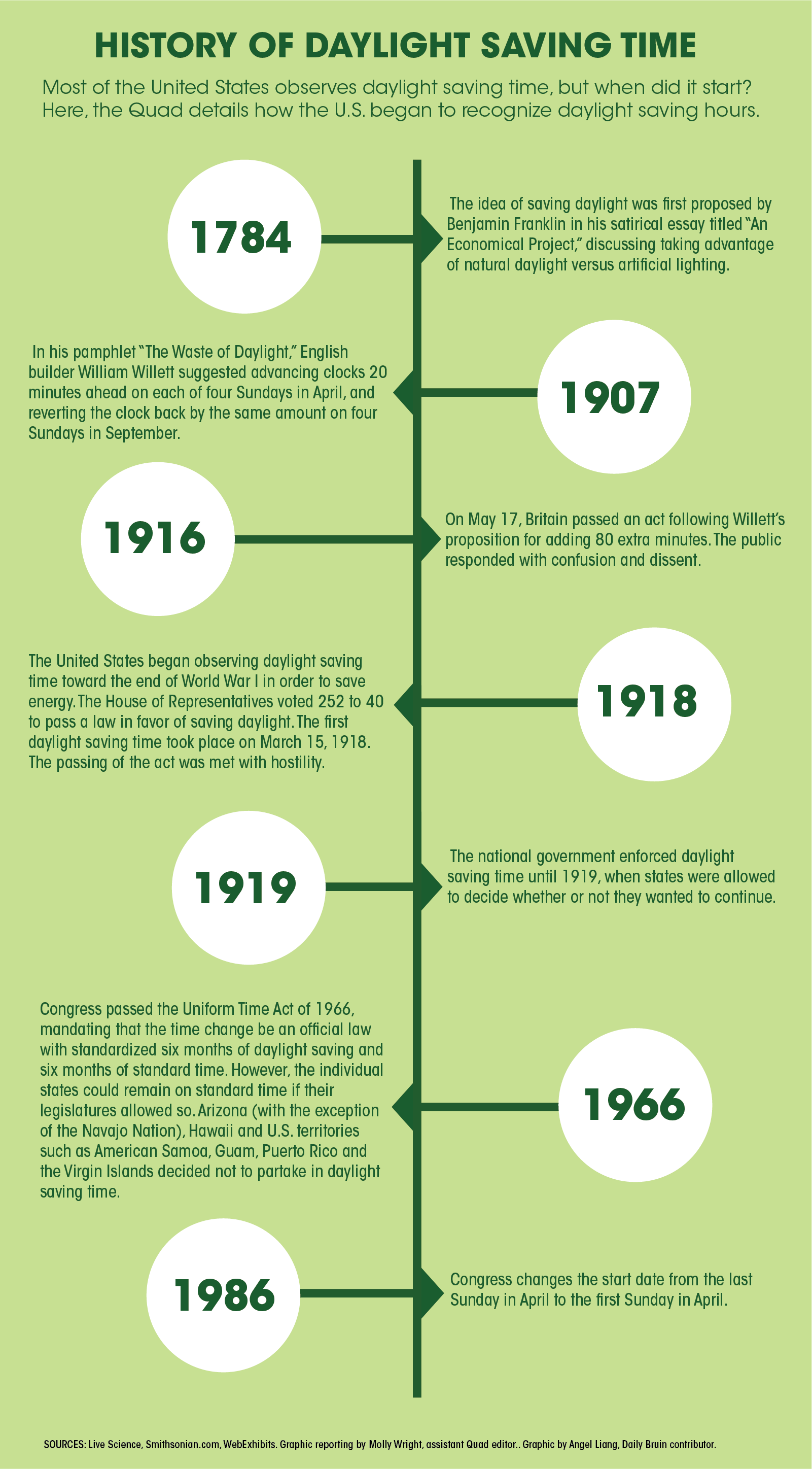
This last clause highlights the core challenge for states like California seeking to alter their timekeeping practices. Under the Uniform Time Act of 1966, the federal government regulates Daylight Saving Time across the United States. States have only two options: they can either observe Daylight Saving Time as currently mandated, or they can opt out entirely and remain on Standard Time year-round (like Arizona and Hawaii). However, states are not permitted to unilaterally adopt permanent Daylight Saving Time. Such a change would require action from the United States Congress to amend federal law.
Since the passage of Proposition 7, the California State Legislature has considered several bills aimed at ending the biannual time change. These legislative efforts reflect the growing sentiment among some residents and lawmakers that the traditional arguments for DST no longer hold true and that the health and economic disruptions outweigh any benefits. Proponents of permanent Standard Time emphasize the benefits of consistent schedules, citing potential improvements in public health, reductions in traffic accidents, and greater stability for businesses. Those who favor permanent Daylight Saving Time often point to the economic advantages of more evening daylight for retail and tourism, as well as the perceived lifestyle benefits for outdoor activities.
Potential Future Scenarios for the Golden State
Given the current federal constraints, California’s future with time changes could unfold in a few ways:
- Remaining Status Quo: The most straightforward path is for California to continue observing Daylight Saving Time biannually, as it does now. This maintains consistency with most other states in the Pacific Time Zone. While the debate continues, without federal intervention or a strong legislative push to switch to permanent Standard Time, the familiar “spring forward, fall back” routine will persist.
- Opting for Permanent Standard Time: The California State Legislature could, with a two-thirds vote, choose to abolish Daylight Saving Time and move the state to permanent Pacific Standard Time. This means longer, darker mornings in the summer but consistent timekeeping throughout the year. Such a move would align California with states like Arizona and could have significant implications for cross-state business and travel, particularly with neighboring states that continue to observe DST.
- Awaiting Federal Action for Permanent Daylight Saving Time: Many in California and other states would prefer permanent Daylight Saving Time, given the perceived benefits of extended evening daylight. However, this hinges entirely on a change in federal law by the United States Congress. There have been attempts at the federal level to pass legislation allowing states to adopt permanent DST, often citing similar movements in places like the European Union. If such a federal bill were to pass, California would likely be among the first states to implement it, fulfilling the intent of Proposition 7. This would mean perpetually brighter evenings, potentially impacting tourism positively by offering more daylight for activities and increasing the enjoyment of California’s vibrant nightlife and outdoor entertainment scene.
The decision about Daylight Saving Time in California is not merely a technical adjustment; it’s a deeply debated issue that touches upon public health, economic activity, and the very rhythm of life in the Golden State. For travelers, staying informed about these discussions and any potential legislative changes is part of planning an optimal trip to this dynamic destination.
In conclusion, while the question “When California Change Time?” currently has a clear annual answer – the second Sunday in March and the first Sunday in November – the future remains a topic of active discussion. For now, whether you’re planning a lavish getaway, a budget-friendly adventure, or a long-term stay, being aware of these biannual shifts is key to a smooth and enjoyable California experience. Adjust your watches, prepare for the beautiful daylight, and embrace the vibrant energy of this unforgettable state.