
The Gateway to Golden State Exploration
California, a state synonymous with diverse landscapes, vibrant cities, and unparalleled natural beauty, offers an extraordinary tapestry of experiences for tourists and long-term visitors alike. While public transportation can facilitate urban exploration in cities like San Francisco or Los Angeles, truly unlocking the state’s extensive wonders often necessitates the freedom of personal transport. From the breathtaking coastal drives along Highway 1 to the serene vineyards of Napa Valley, or the majestic expanses of Yosemite National Park and the tranquil deserts of Death Valley, a California driver’s license serves as a crucial key. For those planning an extended stay, considering residency, or simply seeking the ultimate independence in their Californian adventures, understanding the requirements and timeline for obtaining a driver’s license is paramount. This credential not only facilitates unfettered access to attractions beyond city limits but also integrates individuals more deeply into the local culture, allowing for spontaneous road trips, discovery of hidden culinary gems, and participation in community activities that often demand personal mobility. Navigating the California Department of Motor Vehicles (DMV) process is a practical tip for any aspiring resident-tourist looking to fully embrace the Golden State’s unique lifestyle and extensive offerings.
Eligibility and Initial Steps for Aspiring Drivers
The journey to obtaining a California driver’s license is meticulously structured, with specific requirements tailored to different age groups. Understanding these distinctions is crucial for anyone planning to integrate into the state’s driving culture.
Age Requirements and Provisional Licenses
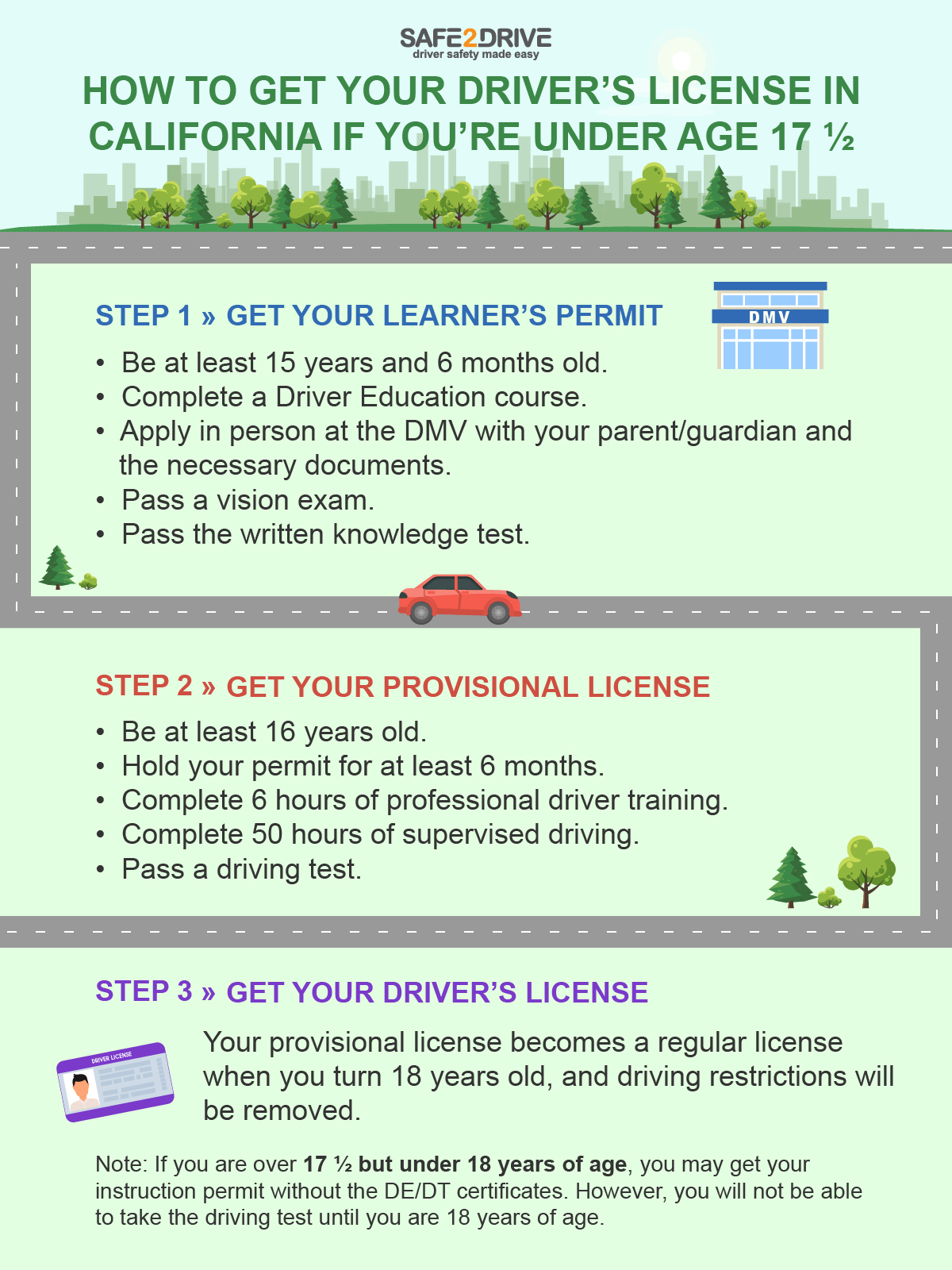
For younger aspiring drivers, California implements a graduated licensing program designed to ease new drivers into responsibilities safely. Individuals can apply for a provisional instruction permit once they are at least 15 ½ years old. This permit allows them to practice driving with a licensed California driver, who is at least 25 years old and present in the passenger seat, ensuring supervised learning. This initial phase is vital for young visitors or new residents who might be accustomed to different driving rules in their home countries or states, providing a structured environment to learn California’s specific traffic laws and driving conditions.
After holding the provisional instruction permit for a minimum of six months, and having completed both 50 hours of supervised driving practice (including 10 hours at night) and 6 hours of professional driver training, individuals can then apply for their provisional driver’s license. The earliest one can obtain this provisional license is at 16 years of age. This provisional license comes with specific restrictions: for the first 12 months, holders cannot drive between 11:00 p.m. and 5:00 a.m., nor can they transport passengers under 20 years old, unless a licensed driver aged 25 or older is present. These restrictions are in place to minimize risks associated with new drivers and are crucial for young individuals exploring California, as they directly impact their ability to undertake certain activities, such as late-night drives to attractions or transporting friends to events. Understanding and adhering to these rules is not just a legal requirement but also a significant part of responsible tourism and local integration for young drivers.
Adult Applicants: The Path to Unrestricted Freedom
For individuals aged 18 and older, the process is streamlined, reflecting a recognition of greater maturity and, often, prior driving experience. There is no provisional license period for adult applicants, offering a more direct route to full driving privileges. The first step for adults is also to apply for an instruction permit. Unlike minors, adults are not required to hold the permit for a specific duration (though practice is highly recommended), nor are they mandated to complete professional driver education courses. They must, however, pass the written knowledge test. Once they have successfully passed the written test and received their instruction permit, they can begin practicing driving. During practice, a licensed California driver, aged 18 or older, must be present in the vehicle.
The primary objective for adult applicants is to demonstrate their driving proficiency and understanding of California traffic laws by passing the behind-the-wheel driving test. Upon successful completion of this test, they are issued a standard, unrestricted California driver’s license. This unrestricted license grants immediate and full driving freedom, empowering adults to explore every corner of California without the limitations imposed on provisional drivers. For adults relocating to California or planning an extended stay, obtaining this license represents a significant step towards full independence and seamless integration into the state’s dynamic lifestyle, enabling them to pursue diverse tourism opportunities, from self-guided culinary tours to extensive backcountry explorations, with absolute freedom and convenience.
Navigating the Application Process at the DMV
The California DMV is the central authority for issuing driver’s licenses. While the process can seem daunting, being well-prepared with the correct documentation and understanding each step can make it efficient and straightforward, ensuring you are ready to explore California’s wonders with legal confidence.
Essential Documents and Proof of Identity
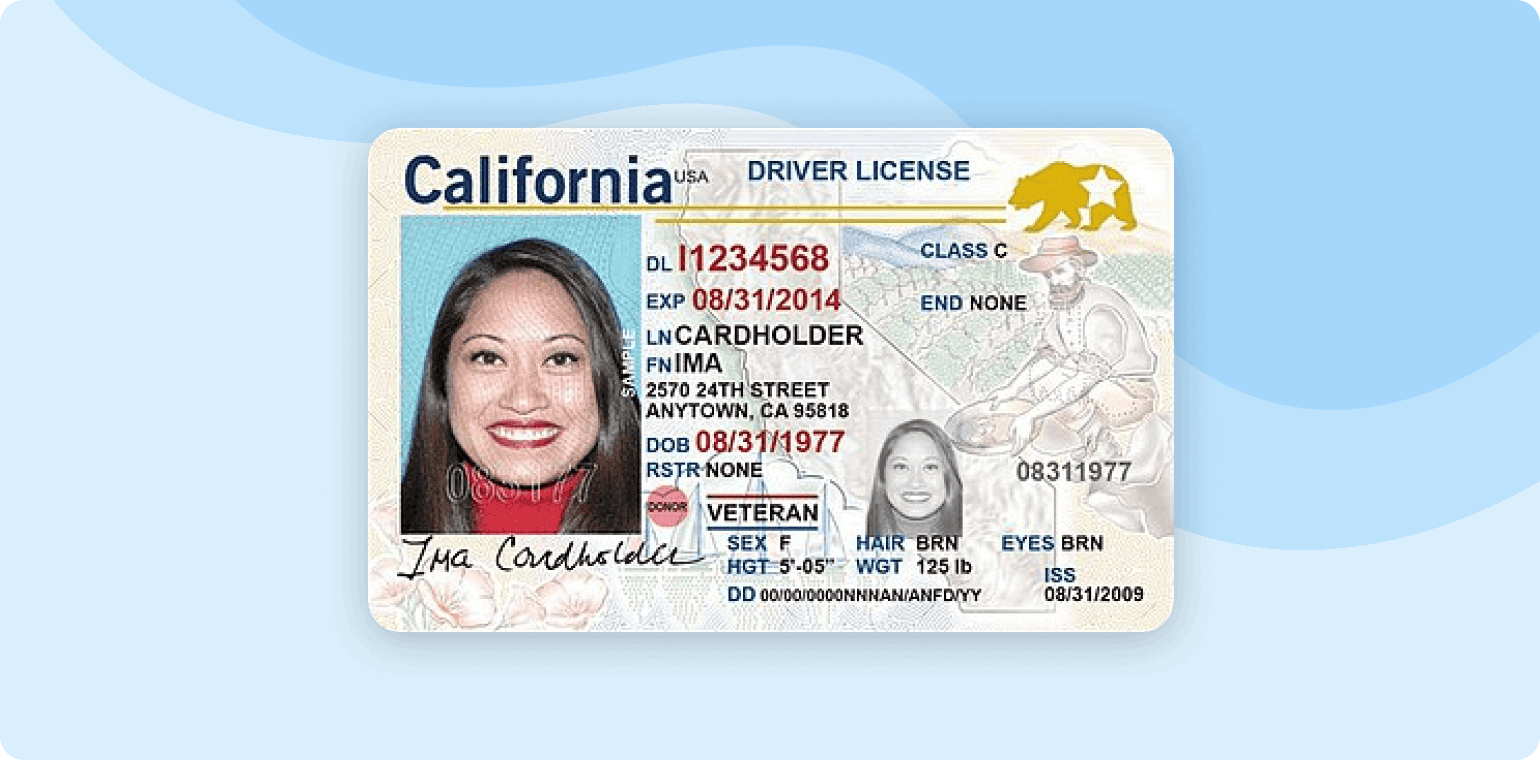
To apply for a California driver’s license, applicants must visit a DMV office in person. The initial step involves completing a driver’s license application form (DL 44 or eDL44), which can often be started online to save time. A crucial part of the application is providing irrefutable proof of identity and residency. For identity, acceptable documents typically include a U.S. birth certificate, a U.S. passport, a foreign passport with a valid U.S. visa and I-94 form, or a permanent resident card. The DMV requires two different documents to prove California residency, such as utility bills, rental agreements, mortgage statements, or bank statements that display the applicant’s name and California address. Furthermore, applicants must provide their Social Security number (SSN) if they have one. If not eligible for an SSN, a specific certification may be required.
Alongside these documents, a non-refundable application fee must be paid. Applicants will also undergo a vision test to ensure their eyesight meets the minimum standards for safe driving. This meticulous verification process is designed to ensure that all licensed drivers are legally identified and qualified, thereby contributing to the safety and reliability of California’s roads for both residents and tourists. Preparing these documents in advance is a critical “tip” for a smooth DMV visit, avoiding delays and allowing you to quickly move forward with your plans for exploring the state’s local culture and attractions.
Written Test and Behind-the-Wheel Exam
Once identity and residency are verified and the fees paid, the next significant hurdle is the written knowledge test. This exam assesses an applicant’s understanding of California traffic laws, road signs, and safe driving practices, all of which are detailed in the California Driver Handbook. The handbook is an indispensable resource for anyone planning to drive in California, covering everything from speed limits on California highways to specific rules for turns and parking in various urban and rural settings. Passing this test is essential for obtaining an instruction permit, which is the precursor to the behind-the-wheel driving test.
The final stage of the licensing process is the behind-the-wheel driving test. This practical examination evaluates an applicant’s ability to safely operate a vehicle in real-world traffic conditions. During the test, a DMV examiner will assess various skills, including lane changes, turns, parking maneuvers, observation skills, adherence to traffic signals and signs, and overall vehicle control. For the test, applicants must provide a vehicle that is properly registered, insured, and in safe operating condition. It is highly recommended that applicants practice extensively in the type of vehicle they will use for the test, becoming familiar with its controls and dimensions. For tourists or new residents, this test is particularly important as it ensures they can navigate California’s often complex road systems, from its multi-lane freeways to its winding mountain roads, responsibly and safely. Successfully passing both the written and driving tests confirms an individual is ready to confidently and legally explore California by car, opening up countless opportunities for independent tourism and cultural immersion.
Beyond the Basics: What to Expect and Plan For
Understanding the nuances of driving in California, especially for those new to the state, extends beyond merely acquiring a license. It involves appreciating how this credential enhances your capacity for unique tourism experiences and integrating into the local lifestyle.
International Visitors and Out-of-State Licenses
For many international visitors on short trips, a valid driver’s license from their home country is often sufficient to drive in California for up to one year. An International Driving Permit (IDP) is highly recommended as a translation of your foreign license, though it is not a standalone license. Similarly, individuals holding valid driver’s licenses from other U.S. states are generally permitted to drive in California. However, if an individual establishes residency in California – for instance, by getting a job, enrolling in school, or renting a home – they are typically required to obtain a California driver’s license within 10 days. This regulation is crucial for anyone considering a longer stay, working remotely from the state, or planning to immerse themselves in California’s lifestyle for an extended period. Obtaining a local license when required ensures legal compliance and simplifies interactions with law enforcement and insurance providers, providing peace of mind as you explore [California](https://lifeoutofthebox.com/california]’s vast and varied tourism landscape. It’s a key tip for seamless transition from visitor to a more integrated “resident-tourist.”
The Freedom a License Unlocks
Possessing a California driver’s license transforms your ability to engage with the state’s tourism offerings. It moves beyond the limitations of guided tours and public transport routes, granting you the autonomy to craft personalized itineraries. Imagine spontaneous day trips from Los Angeles to the beaches of Malibu or Santa Barbara, exploring the charming coastal towns of Monterey and Carmel-by-the-Sea at your own pace, or embarking on an epic road trip through the dramatic landscapes of the Eastern Sierra and Lake Tahoe. A license allows for exploration of hidden local eateries far from tourist traps, access to secluded hiking trails in national forests, and the freedom to chase sunsets along any stretch of California’s iconic coastline.
Beyond the scenic, it provides practical benefits for experiencing local culture, enabling easier participation in community events, farmers’ markets, or sporting events that might be less accessible via public transit. It fosters a deeper connection with the state, allowing you to live like a local, not just visit as a tourist. The California driver’s license is more than just a document; it is a passport to independent discovery, cultural immersion, and truly experiencing the expansive and diverse heart of the Golden State. For anyone aspiring to embrace California fully, understanding and completing this process is an invaluable investment in their adventure.
LifeOutOfTheBox is a participant in the Amazon Services LLC Associates Program, an affiliate advertising program designed to provide a means for sites to earn advertising fees by advertising and linking to Amazon.com. Amazon, the Amazon logo, AmazonSupply, and the AmazonSupply logo are trademarks of Amazon.com, Inc. or its affiliates. As an Amazon Associate we earn affiliate commissions from qualifying purchases.