
For travelers planning a visit to the Golden State, understanding local time practices is essential for a seamless and enjoyable experience. One of the most common questions revolves around Daylight Saving Time, or DST. While many places around the globe observe some form of seasonal time adjustment, the nuances of “when change time in California?” are particularly relevant given the state’s vast attractions, bustling cities, and diverse natural landscapes. This guide delves into the specifics of California’s time changes, their historical context, and the practical implications for anyone looking to make the most of their travel, accommodation, and tourism experiences in this iconic United States destination.

Understanding Daylight Saving Time in the Golden State
At its core, Daylight Saving Time is the practice of advancing clocks during warmer months so that darkness falls later in the evening, effectively “saving” daylight. In California, this means a shift between Pacific Standard Time (PST) and Pacific Daylight Time (PDT).
The Annual Cycle:
Typically, California follows the standard schedule for the United States and many other parts of the Northern Hemisphere:
- Spring Forward: Clocks move forward by one hour on the second Sunday in March. This marks the transition from Pacific Standard Time (PST) to Pacific Daylight Time (PDT). For travelers, this means a “lost” hour of sleep but the benefit of an extra hour of daylight in the evening for sightseeing and outdoor activities.
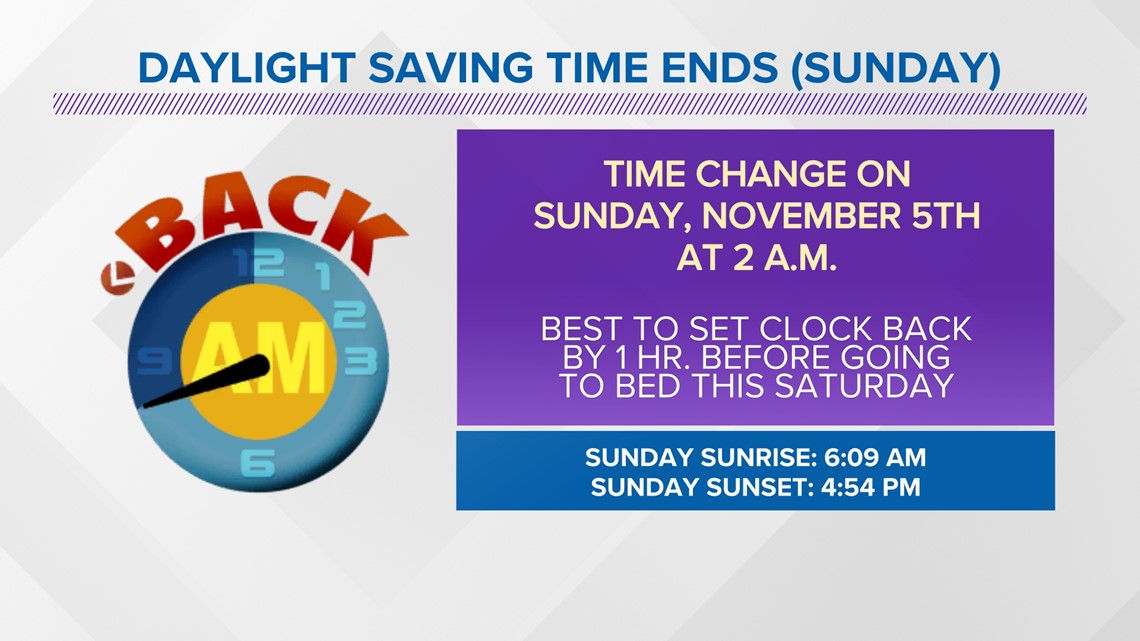
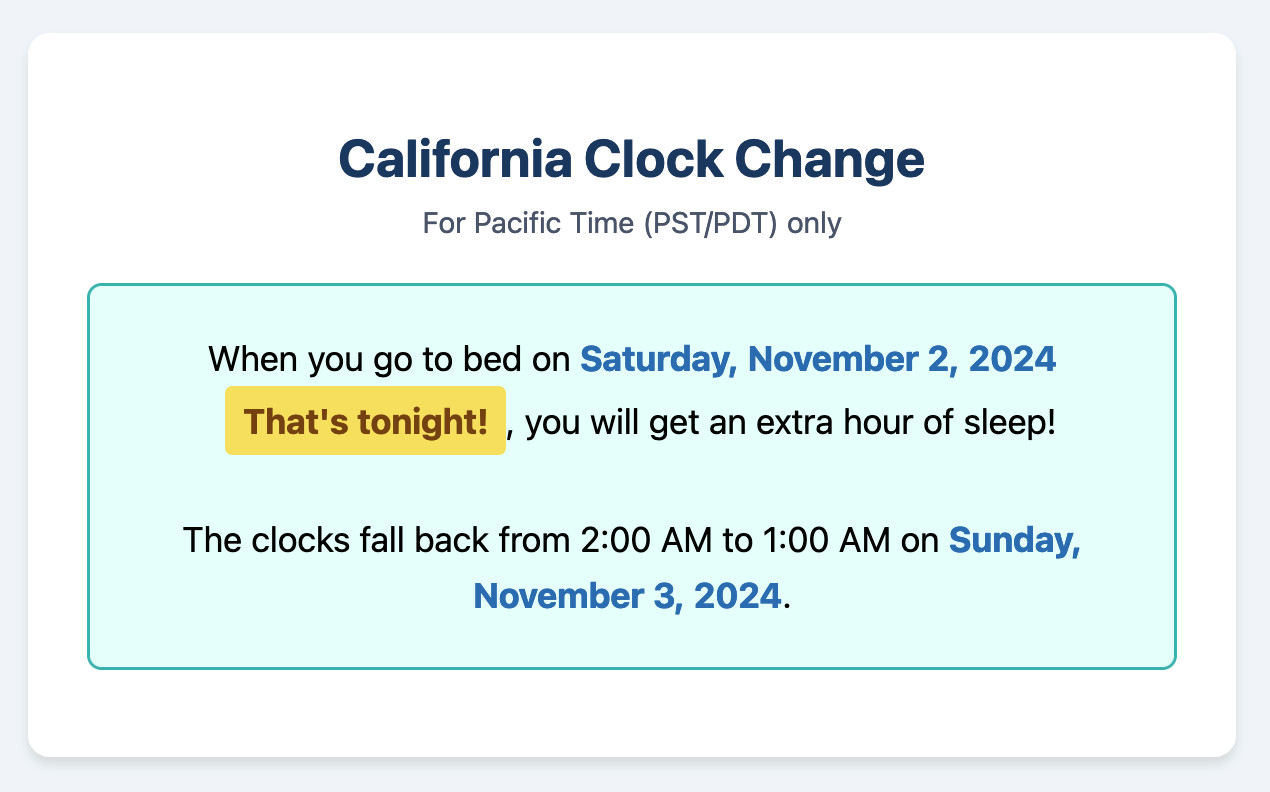
- Fall Back: Clocks move back by one hour on the first Sunday in November. This signifies the return from Pacific Daylight Time (PDT) to Pacific Standard Time (PST). While this grants an extra hour of sleep, it also brings earlier sunsets.
For example, on the second Sunday in March, at 2:00 AM PST, clocks automatically jump forward to 3:00 AM PDT. Conversely, on the first Sunday in November, at 2:00 AM PDT, clocks fall back to 1:00 AM PST. Most modern devices, such as smartphones, computers, and smartwatches, automatically adjust, so manual changes are usually only necessary for analog clocks. For those relying on precise schedules, like flight departures or hotel check-in times, it’s always wise to double-check in the days leading up to the change. Understanding these shifts is crucial for managing travel itineraries, booking accommodations, and planning activities, ensuring visitors can fully immerse themselves in the rich tapestry of California’s offerings without unexpected time-related disruptions.
The History and Ongoing Debate of DST in California
Daylight Saving Time has a fascinating and often contentious history, particularly in a state as progressive and economically significant as California. The concept itself dates back to early 20th-century proposals, primarily aimed at conserving energy and making better use of daylight hours during wartime. The United States officially adopted a standardized DST schedule with the Uniform Time Act of 1966, though states retain the option to opt out. Arizona and Hawaii, for instance, do not observe DST.
In California, the journey has been particularly complex. For decades, the state adhered to the federal standard. However, growing debates around the actual benefits and drawbacks of DST led to significant public discourse. Proponents often cite energy savings, reduced traffic accidents, and boosted retail sales due to longer evening daylight. Critics, on the other hand, point to potential health impacts from disrupted sleep patterns, minimal energy savings, and logistical complications for various industries.
The most notable recent development occurred in 2018 when California voters passed Proposition 7. This ballot measure granted the state legislature the authority to change DST, including potentially ending it or making it permanent. While Proposition 7 passed with a significant majority, legislative action has yet to fully solidify a new path. Bills have been introduced in Sacramento to establish year-round Pacific Standard Time or year-round Pacific Daylight Time, but these proposals require federal approval from the United States Congress to take effect, a hurdle that has proven difficult to clear. This ongoing legislative limbo means that for the foreseeable future, California will continue its biannual time adjustments, reinforcing the need for travelers and residents alike to remain informed about the “spring forward” and “fall back” dates. The debate highlights the intricate balance between tradition, perceived benefits, and the very real impact on daily life and, by extension, the seamless operation of the state’s vibrant tourism and hospitality sectors.
Impact on Travel, Tourism, and Accommodation in California
The biannual time change in California can have a surprisingly significant impact on various aspects of travel, tourism, and accommodation, shaping everything from flight schedules to evening activities. For visitors planning a trip, understanding these implications can help optimize their experience.
Logistical Considerations for Travelers:
- Flight and Transportation Schedules: For those arriving or departing around the time change, flight schedules can be particularly confusing. While airlines typically adjust their displayed times, it’s crucial to confirm departure and arrival times with the specific airline or transportation provider. Train and bus schedules are also subject to these adjustments. Misinterpreting the time change could lead to missed connections or unnecessary waits.
- Hotel Check-ins and Check-outs: Hotels, resorts, and various other accommodation providers operate on strict schedules. While most will be well-versed in handling DST transitions, guests should be mindful. An early morning check-out on the “fall back” day might feel an hour later, offering a perceived advantage. Conversely, an early morning check-in on the “spring forward” day could feel an hour earlier. It’s always prudent to confirm exact check-in/check-out times with your specific property, whether it’s a luxury suite in Los Angeles or a cozy villa in Napa Valley.
- Tour and Activity Timings: Guided tours, museum visits, theme park hours (like Disneyland or Universal Studios Hollywood), and reservation-based experiences are all governed by local time. During “spring forward,” an evening tour might start an hour “later” by the clock, but still benefit from extended daylight. During “fall back,” an afternoon activity might conclude sooner due to earlier sunset. Always confirm the exact start times for any pre-booked activities.
Enhanced Tourism Experiences and Lifestyle:
- Maximizing Daylight for Attractions: One of the most significant benefits for tourists during Pacific Daylight Time is the extended evening daylight. This allows for longer days of exploring iconic landmarks such as the Golden Gate Bridge in San Francisco, the beaches of San Diego, or the trails of Yosemite National Park. Imagine enjoying a sunset stroll along the Santa Monica Pier or lingering at an outdoor cafe in Hollywood with natural light extending further into the evening. This extra hour of perceived daylight can significantly enhance the travel experience, particularly for outdoor activities and evening dining.
- Adjusting to Local Lifestyle: The time change subtly influences the local lifestyle. Dinner reservations might shift slightly, and evening entertainment schedules can adjust. For travelers, embracing this rhythm can mean enjoying later sunsets with a glass of local wine in Napa Valley or experiencing the vibrant nightlife of Los Angeles with the feeling of a prolonged day.
- Booking and Reviews: When researching accommodation or planning activities, consider how the time of year (and thus, DST status) might influence reviews or expectations. A “beautiful sunset view” might be particularly stunning during PDT, whereas in PST, the sun might set much earlier, altering the experience.
Practical Tips for Navigating Time Changes as a Visitor
For travelers venturing into California, especially during the weeks surrounding the time changes in March and November, a few practical tips can help ensure a smooth and stress-free journey. Whether you’re staying in a luxurious resort or a budget-friendly apartment, being prepared for the shift from Pacific Standard Time to Pacific Daylight Time or vice-versa will make all the difference.
- Double-Check All Schedules: This is arguably the most critical piece of advice. Confirm your flight, train, or bus departure and arrival times directly with the service provider. Do the same for hotel check-in/check-out, rental car pick-up/drop-off, and any pre-booked tours, dining reservations, or attraction entry times. Even if your smartphone automatically adjusts, a manual verification can prevent headaches.
- Utilize Technology Wisely: Most modern smartphones, smartwatches, and laptops automatically update to the correct local time. Ensure your devices are set to “automatic time zone” updates. However, don’t rely solely on them; cross-reference with an official time source if you have any doubts, especially for critical appointments. Traditional analog clocks in hotel rooms or public spaces may need manual adjustment.
- Plan for Potential Jet Lag or Fatigue: The “spring forward” change, where an hour of sleep is lost, can mimic mild jet lag, particularly for those already traveling across multiple time zones. Plan for a slightly more relaxed schedule on the first day or two after the change. Prioritize rest, stay hydrated, and try to adjust to the new local time quickly by exposing yourself to daylight. The “fall back” change, while giving an extra hour of sleep, can also disrupt circadian rhythms for some.
- Adjust Your Internal Clock Gradually: If you know you’ll be traveling during a time change, try to adjust your sleep schedule by 15-30 minutes each day leading up to the shift. This gradual change can make the transition smoother, helping you enjoy early morning drives through Big Sur or late-night entertainment in Las Vegas (if your itinerary extends beyond California’s borders) without feeling out of sync.
- Consider Daylight for Activities: When planning your itinerary, factor in the amount of available daylight. During Pacific Daylight Time (March to November), you’ll have more evening light, perfect for outdoor excursions like hiking in Yosemite National Park, exploring the vineyards of Napa Valley, or enjoying sunsets over Lake Tahoe. In Pacific Standard Time (November to March), daylight fades earlier, so plan outdoor activities for the morning or early afternoon.
- Communication is Key with Accommodation Providers: If you have special requirements or a very tight schedule, communicate proactively with your hotel or resort. They are accustomed to these changes and can provide specific guidance regarding breakfast times, shuttle services, or facility hours during the transition. Whether it’s a family trip or a business stay, ensuring clear communication will always be beneficial.
By keeping these tips in mind, visitors to California can confidently navigate the time changes, allowing them to focus on creating unforgettable travel experiences and enjoying everything the state has to offer, from its vibrant cities to its serene natural wonders.
The Future of Daylight Saving in California
The conversation around Daylight Saving Time in California is far from over. Despite the passage of Proposition 7 in 2018, which aimed to give the legislature the power to alter the state’s DST observance, no definitive change has been implemented. This leaves California in a unique position, with a clear mandate from its voters but an inability to unilaterally enact a permanent time system without federal approval.
Potential Scenarios for the Future:
- Year-Round Pacific Daylight Time (PDT): This scenario would involve permanently “springing forward” and staying on Pacific Daylight Time. For travelers, this would mean consistently later sunsets throughout the year, offering extended evening hours for tourism activities, outdoor recreation, and dining. Imagine the ability to enjoy the beaches of San Diego or the bustling streets of Los Angeles with ample natural light even in winter. However, this would also mean darker mornings, which could impact commutes and school schedules, potentially creating logistical challenges for the lifestyle of residents. States like Oregon and Washington have also explored this option, contingent on federal approval and potentially synchronizing with neighboring states like Nevada and even Mexico‘s border regions.
- Year-Round Pacific Standard Time (PST): The alternative is to abolish DST entirely and remain on Pacific Standard Time year-round. This would mean consistent morning light but earlier sunsets in the summer. For tourism, this might necessitate adjusting evening activity schedules, but it could offer a more stable daily rhythm for residents, potentially reducing the health impacts associated with biannual time shifts. States like Arizona and Hawaii already operate without DST, and parts of Idaho also observe year-round PST.
- Continued Biannual Changes: Until federal law changes or California manages to secure an exemption, the most likely outcome is the continuation of the current system: “springing forward” in March and “falling back” in November. This means visitors and residents alike will continue to contend with the adjustments and plan their travel and daily lives accordingly.
The complexity of changing DST is not just a state-level issue; it involves federal legislation, as well as coordination with other states in the Pacific time zone. The arguments for and against DST often weigh economic benefits for businesses (like retail and tourism) against health and safety concerns for the populace. For lifeoutofthebox.com’s readers, this ongoing debate underscores the importance of staying informed about potential future changes, as they could significantly impact future travel planning, hotel bookings, and the overall experience of exploring California’s diverse attractions. Until a permanent solution is found, adapting to the current biannual time changes remains a key aspect of mastering the art of travel in the Golden State.
In conclusion, “When change time in California?” is a question with a clear answer for now: the second Sunday in March and the first Sunday in November. However, the context surrounding this simple question reveals a rich history, an ongoing debate, and practical implications for everyone, especially those exploring the state’s vibrant tourism landscape. By understanding these dynamics, travelers can ensure their journey through California is as smooth and enjoyable as possible, allowing them to soak in every moment of this incredible destination.
LifeOutOfTheBox is a participant in the Amazon Services LLC Associates Program, an affiliate advertising program designed to provide a means for sites to earn advertising fees by advertising and linking to Amazon.com. Amazon, the Amazon logo, AmazonSupply, and the AmazonSupply logo are trademarks of Amazon.com, Inc. or its affiliates. As an Amazon Associate we earn affiliate commissions from qualifying purchases.