
Securing an affordable trip to Hawaii is often viewed as a complex puzzle, influenced by seasonal demand, airline competition, and the unique geography of the Pacific Ocean. As one of the most coveted destinations in the United States, the archipelago maintains a relatively high baseline for travel costs. However, savvy travelers who understand the nuances of the lifestyle of budget travel can find significant windows of opportunity. Identifying when the cheapest flights to the islands occur requires a deep dive into the cyclical nature of tourism in the Central Pacific.
Decoding the Seasonal Peaks and Valleys of Hawaiian Airfare
The primary driver of airfare to Oahu, Maui, and the other islands is demand. Because Hawaii is a year-round destination with consistently warm weather, the “low season” is not defined by climate, but by the school calendar and major holidays in North America and Asia.

The “Sweet Spot” Months: February and September
Historically, the months of February and September represent the most significant dips in pricing. Following the winter holiday rush—which sees prices skyrocket from mid-December through the first week of January—airlines often struggle to fill seats. By the second week of January, prices begin to plummet, reaching a low point in February. This period is ideal for budget-conscious travelers who wish to experience the whale-watching season on the Maui coast without paying premium rates.
Similarly, September is widely considered the absolute cheapest month to fly. As the school year begins across California, Washington, and the rest of the mainland, family travel drops off precipitously. Airlines frequently introduce aggressive sales during this period to maintain occupancy. This “shoulder season” extends into October and early November, offering warm waters and manageable crowds at famous spots like Waikiki and the North Shore.
Avoiding the Peak Surges
To keep costs low, certain windows must be avoided. The period surrounding Christmas and New Year is the most expensive time to visit. Additionally, the “Golden Week” in Japan, which typically occurs in late April or early May, can drive up prices and hotel occupancy in Honolulu due to the high volume of international visitors. Summer, particularly July, sees a surge in domestic demand as families take advantage of the school break, making it one of the most challenging times to find a bargain.
Strategic Departure Points and Airline Selection
The cost of your ticket is heavily dependent on your departure city and the airline you choose. The entry of low-cost carriers into the Hawaiian market has fundamentally shifted the pricing landscape over the last decade.
The West Coast Advantage
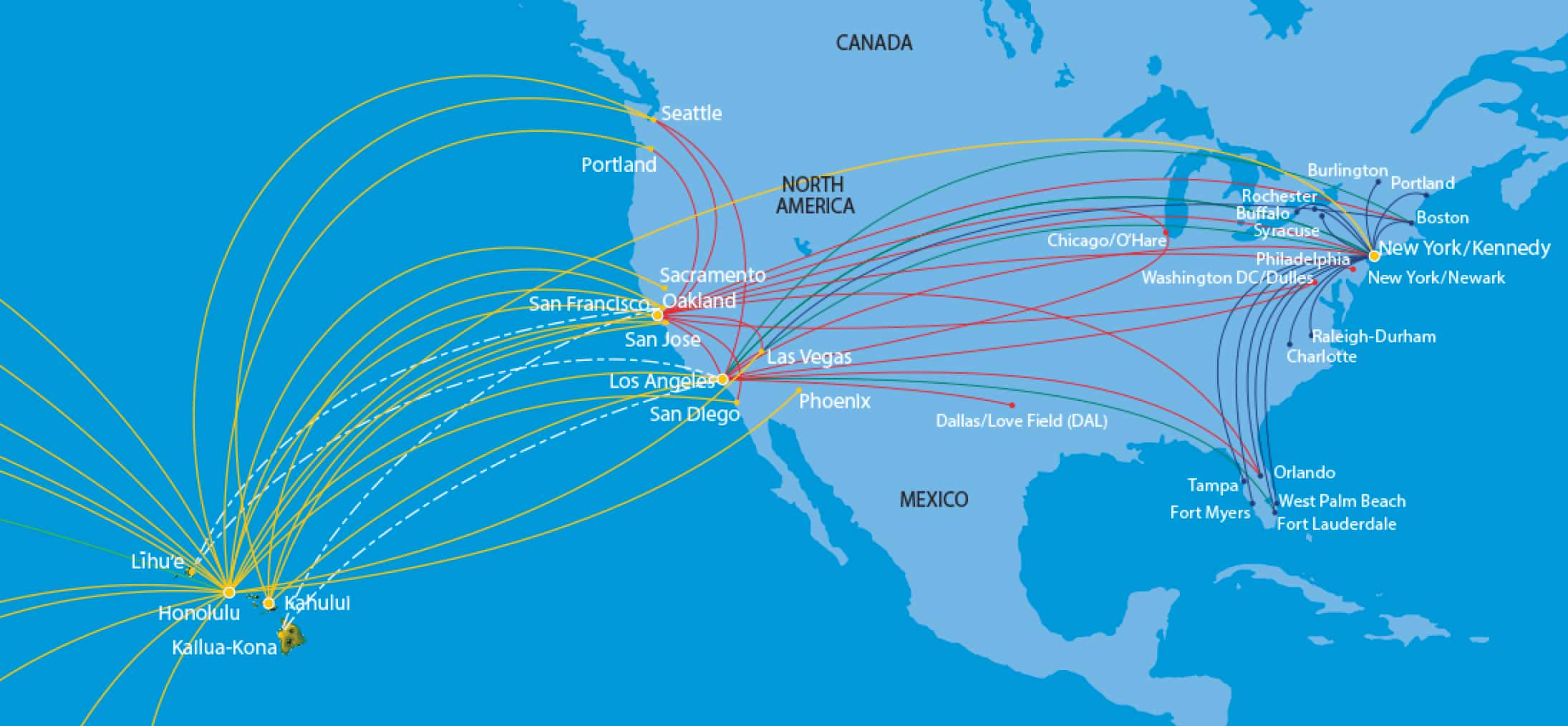
For travelers departing from the United States West Coast, competition is fierce. Hubs such as Los Angeles, San Francisco, Seattle, and San Diego frequently see round-trip fares that drop below the $300 mark. The “Southwest Effect” has been a major contributor to this trend. Since Southwest Airlines began service to the islands, legacy carriers like Hawaiian Airlines, Alaska Airlines, and United Airlines have had to adjust their pricing models to remain competitive.
Travelers from inland cities like Phoenix, Las Vegas, and Salt Lake City also benefit from direct routes that often participate in these price wars. Conversely, those flying from the East Coast, such as New York City or Boston, should expect to pay significantly more due to the fuel costs associated with the long-haul flights, though occasional deals can be found during the September lull.
Carrier Loyalty vs. Budget Lines
While Delta Air Lines and American Airlines offer robust loyalty programs, they are rarely the “cheapest” unless you are redeeming miles. For those paying cash, Southwest Airlines is often the leader in value, particularly because they include two checked bags for free—a significant saving for those planning to bring surfing gear or hiking equipment for the Na Pali Coast. From Canada, carriers like WestJet and Air Canada frequently run winter promotions from Vancouver and Calgary to lure travelers away from the cold.
Island-Specific Cost Variations
Not all Hawaiian destinations are priced equally. The choice of which island to fly into can impact the total cost of your flight by hundreds of dollars.
Honolulu: The Budget Gateway
Daniel K. Inouye International Airport in Honolulu is the primary gateway to the state. Because it handles the highest volume of flights, it is almost always the cheapest island to fly into. From Honolulu, visitors can easily access iconic landmarks like Pearl Harbor and Diamond Head. If your heart is set on a different island, it is sometimes more economical to fly into Oahu and then take a short inter-island flight rather than booking a direct flight from the mainland to a neighbor island.
The Outer Islands: Maui, Kauai, and the Big Island
Flying directly into Kahului Airport on Maui or Lihue Airport on Kauai usually commands a premium. However, during the shoulder seasons, airlines may offer “teaser” rates to these destinations to encourage tourism outside of Waikiki. The Big Island presents a unique opportunity; travelers can check prices for both Ellison Onizuka Kona International Airport on the west side and Hilo International Airport on the east. Kona typically sees more competition and lower fares, especially for those looking to visit Volcanoes National Park.
Expert Tactics for Securing Budget-Friendly Rates
Beyond simply picking the right month, specific booking behaviors can yield substantial savings. Budget travel is as much about the “how” as it is about the “when.”
The Optimal Booking Window
The “Goldilocks” window for booking flights to Hawaii is typically between one and three months before departure. Unlike international travel to Europe, where booking six months in advance is often recommended, Hawaiian airfare is highly reactive to domestic market trends. Booking too early can result in missing out on “flash sales,” while booking too late (less than 21 days out) almost guarantees a higher fare as airlines capitalize on last-minute business travelers or urgent family visits.
Mid-Week Travel and Timing
Flying on Tuesday or Wednesday remains the gold standard for budget travel. Most vacationers aim to arrive on Friday or Saturday to maximize their weekend time, which drives up prices for those days. By shifting your itinerary to a mid-week start, you can often save 20-30% on the base fare. Furthermore, taking the “red-eye” flight back to the mainland is a common tactic. While less comfortable, these overnight flights are often priced lower and save you the cost of one night’s accommodation.
Leveraging Technology and Newsletters
To find the absolute cheapest flights, one must utilize fare tracking tools. Setting alerts for specific routes to Honolulu or Kahului allows you to strike when a price drop occurs. Additionally, subscribing to newsletters that specialize in “error fares” or “mistake fares” can occasionally lead to unbelievable deals, such as round-trip tickets from the United States mainland for under $200.

The Role of Inter-Island Travel
Once you have arrived in the islands, the budget travel lifestyle requires careful planning regarding inter-island transit. Southwest Airlines has revolutionized this by offering frequent, low-cost flights between Honolulu, Lihue, Kona, and Kahului. If the flight to your primary destination—perhaps to see Haleakala or the Waimea Canyon—is too expensive, look for the cheapest entry point into the state and use these local “puddle jumpers” to reach your final destination.
In summary, the cheapest flights to Hawaii are found by those who remain flexible. By targeting September or February, flying mid-week, and utilizing major hubs like Los Angeles or San Francisco, the dream of an affordable tropical escape becomes a reality. The Aloha State is accessible to more than just luxury travelers; it simply requires a strategic approach to the calendar and a keen eye on the shifting tides of the aviation industry.
LifeOutOfTheBox is a participant in the Amazon Services LLC Associates Program, an affiliate advertising program designed to provide a means for sites to earn advertising fees by advertising and linking to Amazon.com. Amazon, the Amazon logo, AmazonSupply, and the AmazonSupply logo are trademarks of Amazon.com, Inc. or its affiliates. As an Amazon Associate we earn affiliate commissions from qualifying purchases.