
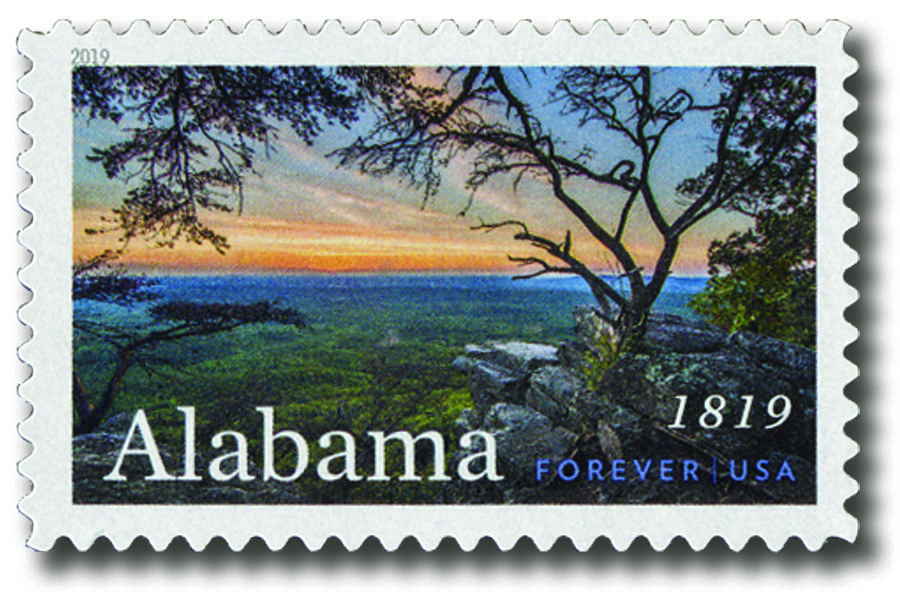
The history of any place is intrinsically woven into its present-day character, shaping its culture, its people, and the very landscapes that captivate travelers. For the state of Alabama, this truth rings particularly clear. The definitive answer to “When did Alabama become a state?” is December 14, 1819. On this day, the United States Congress formally admitted Alabama as the 22nd state into the Union. However, understanding this pivotal moment offers much more than a simple date; it unlocks a deeper appreciation for the rich tapestry of experiences awaiting visitors to the Yellowhammer State.
From its earliest indigenous inhabitants to the colonial struggles of European powers and the eventual westward expansion of the United States, Alabama’s path to statehood was a complex journey. This historical narrative is not confined to textbooks; it lives on in the state’s vibrant cities, serene landmarks, and cherished traditions. For those with a passion for travel, immersing oneself in Alabama’s past offers an unparalleled way to connect with its soul, making every destination and attraction encountered all the more meaningful. This article delves into the fascinating history that led to Alabama’s statehood and explores how this legacy continues to shape the incredible tourism and lifestyle opportunities available across the state today.
Alabama’s Journey to Statehood: A Glimpse into its Formative Years
The land that would become Alabama boasts a history far predating its statehood. For thousands of years, Native American tribes, including the Creek, Choctaw, Chickasaw, and Cherokee, thrived across its fertile lands and along its intricate river systems. Their ancient societies left indelible marks, such as the impressive earthen mounds at Moundville Archaeological Park, which serve as powerful reminders of a sophisticated pre-colonial civilization.
European interest in the region began in the early 16th century with Spanish explorers, followed by French and British colonial powers vying for control. Each left their unique cultural imprint, particularly evident in the architecture and customs of cities like Mobile, which was founded by the French in 1702. Following the American Revolution, the area became part of the newly formed United States, though land claims remained contentious with Spain until the early 19th century.
From Territory to Union: The Road to December 14, 1819
The official American governance of the region began with the creation of the Mississippi Territory in 1798, encompassing what is now Alabama and Mississippi. As the population grew, primarily due to an influx of settlers seeking new agricultural opportunities, the western portion of the territory pushed for separate statehood, leading to the division of the Mississippi Territory. On March 3, 1817, the Alabama Territory was officially established.
This period was marked by rapid expansion, economic development driven by cotton agriculture, and significant conflicts with Native American tribes. The Creek War, culminating in Andrew Jackson’s decisive victory at the Battle of Horseshoe Bend in 1814, had profound consequences, leading to the Treaty of Fort Jackson and the cession of vast Native American lands to the United States. This opened up millions of acres for settlement and paved the way for Alabama’s swift transition towards statehood.
By 1819, the Alabama Territory had met the population requirements for state admission. A constitutional convention was held in Huntsville, and a constitution was drafted. William Wyatt Bibb was elected as the first governor. With its constitution approved and all formalities complete, President James Monroe signed the resolution admitting Alabama to the Union on December 14, 1819, marking its official birth as the 22nd state.
Key Figures and Early Settlements
The narrative of Alabama’s statehood is dotted with important figures and burgeoning settlements that laid the groundwork for future prosperity. St. Stephens, strategically located on the Tombigbee River, served as the first territorial capital, a bustling hub for trade and government before the capital moved to Cahaba and eventually to Montgomery.
Huntsville, where the state’s constitution was forged, was another vital early settlement in the northern part of the territory, attracting pioneers with its abundant land and resources. Meanwhile, Mobile, with its deep-water port, grew into a crucial center for commerce, connecting Alabama’s agricultural interior to global markets. These early communities, along with others like Tuscaloosa and Florence, formed the foundational pillars of the new state, each contributing to its unique character and development. Their stories are preserved in historical markers, museums, and the very street names that crisscross these vibrant cities today, inviting visitors to step back in time.
Discovering Alabama’s Rich History and Culture Today
The historical journey to statehood is far from a dusty chapter in a book; it’s a living, breathing part of Alabama’s allure for modern travelers. The state’s narrative extends beyond its founding, encompassing pivotal moments like the Civil War and the Civil Rights Movement, all of which contribute to a profound sense of place and a wealth of engaging attractions. For anyone planning a trip, exploring these layers of history promises an enriching and unforgettable experience.
Historical Landmarks and Attractions
Alabama is a treasure trove of historical landmarks, each telling a compelling story. In Mobile, the USS Alabama Battleship Memorial Park honors military history, while the historic downtown area showcases stunning French and Spanish influenced architecture. Further inland, Montgomery, the state capital, stands as a crucible of the Civil Rights Movement. Here, visitors can trace the footsteps of legends at the Dexter Avenue King Memorial Baptist Church, where Dr. Martin Luther King Jr. preached, or immerse themselves in the stories of the Montgomery Bus Boycott at the Rosa Parks Museum and the Freedom Rides Museum.
Selma is home to the iconic Edmund Pettus Bridge, a symbol of the struggle for voting rights, offering a poignant reminder of Alabama’s role in shaping the nation’s conscience. Birmingham, the state’s largest city, features the world-renowned Birmingham Civil Rights Institute and Kelly Ingram Park, essential stops for anyone seeking to understand this pivotal era.
Beyond these more recent histories, the Tuskegee Institute National Historic Site celebrates the legacy of education and innovation fostered by Booker T. Washington and George Washington Carver, whose scientific contributions are highlighted at the George Washington Carver Museum. In Tuscumbia, Ivy Green, the birthplace of Helen Keller, offers an intimate look into the early life of this extraordinary woman. And for music lovers, the legendary studios of Muscle Shoals, including FAME Studios and 3614 Jackson Highway, are pilgrimage sites, where countless iconic songs were recorded. These sites not only honor the past but also provide a rich context for understanding modern Alabama’s diverse cultural identity.
Celebrating Alabama’s Heritage Through Festivals and Local Cuisine
Alabama’s heritage isn’t just in its buildings; it’s vibrantly alive in its local culture, festivals, and especially its food. The state’s deeply rooted Southern traditions manifest in hospitality, storytelling, and a calendar full of lively events. The French influence, for instance, is still celebrated annually in Mobile through the oldest Mardi Gras celebration in the United States, a spectacle of parades, music, and vibrant community spirit.
Throughout the year, towns and cities across Alabama host numerous festivals dedicated to everything from peanuts and peaches to arts and crafts, each providing a unique glimpse into local customs and community pride. These gatherings are fantastic opportunities to engage with Alabamians, listen to regional music, and experience the warm, welcoming spirit of the South.
And then there’s the food. Alabama’s cuisine is a delicious blend of Southern comfort, Gulf Coast fresh seafood, and distinct regional flavors. From smoky BBQ joints in Birmingham to fresh oysters and shrimp along the coast in Orange Beach and Gulf Shores, the state offers a culinary journey as rich and diverse as its history. Don’t miss out on classic dishes like fried green tomatoes, pecan pie, or a hearty bowl of gumbo. These culinary experiences are not just about eating; they are about tasting the history and culture of Alabama in every bite.

Planning Your Alabama Adventure: Travel, Accommodation, and Experiences
Understanding Alabama’s past lays a superb foundation for planning a truly memorable trip. The state offers an incredible array of travel experiences, catering to every kind of explorer, from history buffs and nature lovers to beachgoers and urban adventurers. With diverse destinations and a wide spectrum of accommodation options, designing your ideal Alabama itinerary is both exciting and accessible.
Top Destinations and Unique Stays
Whether you’re drawn to the sun-drenched beaches of the Gulf Coast or the rolling foothills of the Appalachian Mountains, Alabama presents a variety of captivating regions. The coastal towns of Gulf Shores and Orange Beach are renowned for their pristine white sands, family-friendly attractions, and abundant water sports. For a quieter coastal escape, Dauphin Island offers birdwatching, historic forts, and a laid-back vibe.
In northern Alabama, Huntsville is a hub of aerospace innovation, home to the U.S. Space & Rocket Center, a must-visit for families and science enthusiasts. Nearby, natural wonders abound, with opportunities for hiking, fishing, and exploring beautiful state parks like Cheaha State Park, home to Alabama’s highest point.
For those seeking a blend of history and Southern charm, towns like Fairhope and Point Clear on Mobile Bay offer quaint streets, art galleries, and waterfront views. In these destinations, you can find a range of unique stays, from luxurious resorts such as the historic Grand Hotel Golf Resort & Spa to charming boutique hotels and cozy bed-and-breakfasts. Major cities like Birmingham and Montgomery offer a wider selection of modern hotels and suites, including upscale options like the Renaissance Montgomery Hotel & Spa at the Convention Center or The Battle House Renaissance Mobile Hotel & Spa, ensuring comfort and convenience. Along the Gulf Coast, vacation rentals, apartments, and larger villas are popular for families and longer stays, such as The Lodge at Gulf State Park, a Hilton Hotel, which combines luxury with environmental stewardship.
Lifestyle and Travel Tips for Exploring the Yellowhammer State
Alabama caters to a variety of lifestyles and budgets. For luxury travel enthusiasts, the state offers top-tier golf courses, exclusive spas, and fine dining experiences. Art and architecture lovers will appreciate unique sites like the Frank Lloyd Wright Rosenbaum House in Florence, a testament to groundbreaking American design.
Budget travel is also easily achievable, with numerous state parks offering affordable camping, and many historical sites providing free or low-cost admission. Family trips will find endless entertainment, from interactive museums and wildlife encounters to safe, expansive beaches. For business stays, Birmingham, Montgomery, and Huntsville provide excellent conference facilities and modern amenities.
When planning your trip, consider the seasonal variations. Spring and fall offer pleasant weather ideal for outdoor activities and festival attendance. Summers can be hot, making the Gulf Coast a popular escape. Always check local event calendars for unique experiences like farmers’ markets, live music performances, and community celebrations, which can add an authentic layer to your travels. Utilizing online booking platforms and checking reviews can help in finding the best accommodations and deals, ensuring your Alabama adventure is as seamless as it is spectacular.
The Enduring Legacy: Why Alabama Continues to Captivate
The question of “When did Alabama become a state?” is a starting point, not an endpoint, for understanding this remarkable part of the United States. The date December 14, 1819 signifies a historical milestone, but it merely opened the door to centuries of development, struggle, triumph, and cultural evolution that continue to define Alabama today.
The echoes of its early settlers, the resilience of its Native American heritage, the influences of its colonial past, and the profound impact of later historical movements are all deeply embedded in the state’s identity. This rich background makes Alabama an incredibly compelling destination for modern travelers.
From exploring ancient mounds and colonial forts to standing on the very ground where civil rights history was made, visitors are offered a powerful connection to the past. This historical depth is seamlessly integrated with contemporary tourism offerings: vibrant cities with diverse cuisine and lively arts scenes, pristine natural landscapes perfect for outdoor adventures, and welcoming communities ready to share their stories.
Whether you’re seeking a serene beach escape, an immersive historical tour, a thrilling outdoor experience, or a taste of authentic Southern hospitality, Alabama truly has something for everyone. Its journey to statehood laid the groundwork for a multifaceted culture and a diverse landscape that continues to captivate and inspire. So, next time you plan your travels, consider stepping into the vibrant history and warm embrace of Alabama – a state whose past is as rich and inviting as its present.
LifeOutOfTheBox is a participant in the Amazon Services LLC Associates Program, an affiliate advertising program designed to provide a means for sites to earn advertising fees by advertising and linking to Amazon.com. Amazon, the Amazon logo, AmazonSupply, and the AmazonSupply logo are trademarks of Amazon.com, Inc. or its affiliates. As an Amazon Associate we earn affiliate commissions from qualifying purchases.