
For visitors planning a culinary adventure or an immersive travel experience in California, understanding the nuances of the state’s labor laws, particularly concerning the wages of service industry professionals, is becoming increasingly relevant. The narrative around when California servers started making minimum wage is a common point of curiosity, often leading to misconceptions given the diverse practices across the United States. Unlike many other states that employ a lower “tipped minimum wage,” California has historically taken a distinct approach, ensuring that servers and other front-of-house staff always earn the full state-mandated minimum wage, with tips being an additional income rather than a subsidy. This fundamental difference shapes the economics of dining, the quality of service, and the overall lifestyle experience for both residents and the millions of tourists who flock to the Golden State each year.

The discussion around server wages has gained renewed prominence with recent legislative changes and a statewide focus on providing a living wage, especially in a state known for its high cost of living. From the bustling streets of Los Angeles to the historic charm of San Francisco and the picturesque vineyards of Napa Valley, the restaurant and hospitality sectors are integral to California’s vibrant tourism industry. These wage policies directly influence everything from menu prices at a Michelin-starred restaurant in Beverly Hills to the bill at a casual beachside cafe in San Diego. For travelers, this translates into a unique tipping culture and potentially different expectations for budgeting their dining experiences while exploring California’s iconic destinations and diverse culinary landscapes.
A Distinct Path: California’s Long-Standing Approach to Server Wages
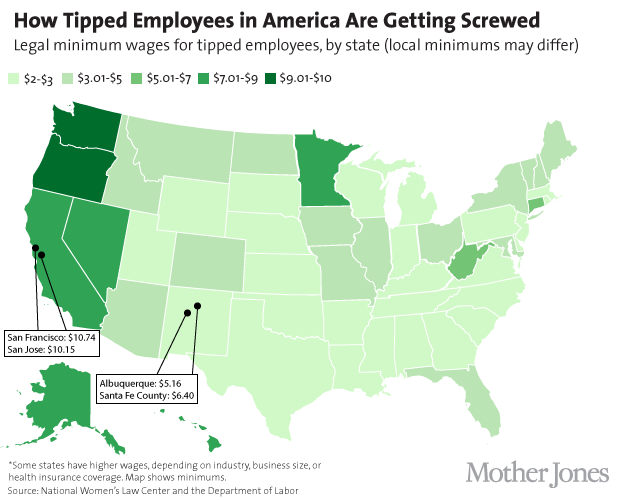
The question “When did California servers start to make minimum wage?” is rooted in a common misunderstanding of California’s labor laws. The truth is, servers in California have always been entitled to the full state minimum wage, even before recent discussions around wage increases. This sets California apart from many other states that operate under a “tip credit” system, where employers are allowed to pay servers a sub-minimum wage, with the expectation that tips will bring their total earnings up to at least the federal or state minimum.
Dispelling the Myth: No Tipped Minimum Wage Here
Historically, California labor law dictates that employers must pay all employees, including those who receive tips, at least the prevailing state minimum wage. This means that tips are considered supplementary income, a bonus for good service, rather than a necessary component to reach a basic hourly wage. This policy has been in place for decades, long before the recent pushes for higher minimum wages across the country. As such, the concept of a “tipped minimum wage” simply does not exist in California, and has not for a very long time. This is a crucial distinction for travelers, as it influences the underlying cost structure of restaurants and, consequently, menu pricing and the local tipping etiquette. When you dine in a California restaurant, from a high-end hotel dining room in San Francisco to a casual diner along Highway 1, you can be assured that your server is already earning at least the state minimum wage for their labor.
A Steady Ascent: The Evolution of California’s General Minimum Wage
While the principle of paying the full minimum wage to servers has been constant, the amount of that minimum wage has steadily increased over the years. California has consistently been at the forefront of the movement for higher minimum wages, often surpassing the federal standard. These incremental increases have gradually raised the base earnings for all workers, including servers, across the state.
For example, the statewide minimum wage in California reached $15.00 per hour for all employers, regardless of size, by January 1, 2023. This progressive increase has had a significant impact on the financial well-being of service industry workers, aiming to provide a more livable wage in one of the nation’s most expensive states. These increases are not just arbitrary numbers; they reflect ongoing efforts to address income inequality and ensure that individuals working in vital sectors like hospitality can afford to live and thrive in their communities. For those working in hotels, resorts, and popular tourist attractions across California, these wage adjustments mean a greater ability to cover the high costs of accommodation and daily living.

The New Horizon: Recent Legislative Shifts and the Broader Restaurant Landscape
While servers in full-service restaurants in California have always earned the full minimum wage, recent legislative actions, particularly Assembly Bill 1228, have introduced significant changes to the broader food service landscape, sending ripples through the entire industry. These changes, primarily impacting the fast-food sector, inevitably spark conversations and pressures for similar adjustments across other segments of the restaurant and hospitality industries.
The Fast-Food Wage Hike (AB 1228) and Its Echoes
A significant development on the wage front in California is the passage of Assembly Bill 1228, which went into effect on April 1, 2024. This landmark legislation established a new minimum wage of $20 per hour for workers in fast-food establishments across the state, specifically those chains with 60 or more locations nationwide. While this bill directly targets fast-food employees and does not apply to servers in full-service, sit-down restaurants, its implications are far-reaching.
The introduction of a $20 minimum wage for a large segment of the food service workforce has undoubtedly created a new benchmark and raised expectations across the entire industry. For travelers who frequent both fast-food chains and traditional restaurants, this means a shift in the perceived value of labor and potentially different pricing strategies across various dining options. It also highlights California’s commitment to improving conditions for frontline workers, which contributes to a distinct lifestyle and economic environment within the state’s tourism and accommodation sectors. Many argue that this move helps address the high cost of living in major cities like San Jose and Oakland, ensuring that workers can afford to reside in the areas where they work, thus enhancing the overall local culture and community stability, which are vital aspects of a vibrant tourist destination.
The Ongoing Debate: Wages, Tipping, and the Future of Service
The implementation of AB 1228 for fast-food workers has naturally intensified the debate around wages and tipping practices in full-service restaurants. Restaurant owners and industry groups continually grapple with balancing increased labor costs with consumer expectations and business viability. Some establishments have responded by adding service charges, implementing higher menu prices, or experimenting with “no-tipping” models to ensure fair compensation for all staff, including both front-of-house (servers, hosts) and back-of-house (cooks, dishwashers) teams.
This ongoing evolution directly impacts the travel and tourism experience. For those enjoying a stay at a luxury resort like the Ritz-Carlton in Laguna Niguel or a business trip in downtown San Francisco staying at a Hilton or a Grand Hyatt, the dining experience is often a crucial part of their accommodation and overall trip. Changes in wage structures can affect everything from staff morale and retention to the perceived quality of service. As California continues to lead the way in progressive labor policies, the hospitality industry remains in a state of dynamic adaptation, constantly seeking ways to provide excellent service while navigating a complex economic landscape. This also speaks to the broader lifestyle aspects of visiting California – whether one is seeking budget-friendly travel options or indulging in a luxurious getaway, the underlying economics of service play a significant role.
Dining in the Golden State: Impact on Travelers and the Culinary Scene
The unique wage structure and recent legislative changes in California have profound implications for travelers and the state’s renowned culinary scene. Understanding these dynamics can help visitors better plan their trips, manage their budgets, and appreciate the local culture. California is a global magnet for tourism, known for its diverse attractions from Disneyland to Yosemite National Park, and its food scene is an equally compelling draw.
From Boutique Hotels to Roadside Cafes: Service, Quality, and Staffing
The practice of paying servers the full minimum wage in California aims to create a more stable and professional workforce. Unlike states where servers rely heavily on tips to meet basic income, California’s system provides a more predictable base salary. This can lead to higher staff retention rates and a greater sense of professionalism, as employees are less dependent on the whims of tipping customers for their primary income. For hotels and resorts, whether it’s a boutique hotel in Santa Barbara or a sprawling resort in Palm Springs, maintaining a skilled and motivated dining staff is crucial for guest satisfaction.
Travelers staying in various accommodations, from budget motels to luxury suites, will encounter these dynamics. A highly compensated server might be more invested in providing exceptional service, knowing their base earnings are secure. This translates into a potentially higher quality of service across the board, from your morning coffee at a casual roadside cafe to an elaborate dinner at a fine dining establishment. The stability provided by a higher minimum wage can also attract more talent to the industry, enhancing the overall skill level and passion evident in California’s vibrant food service sector. This focus on local culture and the well-being of the community adds another layer to the travel experience, allowing visitors to appreciate the ethos behind California’s unique approach to labor.
Navigating Menus and Money: Budgeting for Your California Culinary Adventure
The higher labor costs inherent in California’s wage structure often translate into higher menu prices compared to states with a tip credit system. This is an essential consideration for travelers planning their budget for food and drink. Whether you’re embarking on a luxury trip through Wine Country or a budget-friendly family vacation to a theme park, understanding this factor is key.
While menu prices might be higher, the expectation for tipping can sometimes be slightly different. While tipping is still customary and appreciated for good service, the pressure to “make up” for a server’s low base wage is less prevalent. Some restaurants might also incorporate a service charge to help cover rising labor costs, distributing it among all staff members, including the back-of-house team. This practice varies widely, so it’s always wise for tourists to review their bill carefully. For budget travelers, exploring farmers’ markets, food trucks, and casual eateries might offer more affordable options, while luxury travelers can indulge in world-class dining experiences, understanding that the prices reflect a commitment to fair wages for all staff involved in their exquisite meal. This blend of options ensures that California’s culinary attractions remain accessible and enjoyable for every lifestyle.
Beyond the Bill: Adapting to California’s Evolving Hospitality
As California’s hospitality industry continues to evolve under the influence of progressive labor laws, both residents and visitors need to adapt to new norms in dining and service interactions. These adaptations are part of the broader lifestyle and tourism landscape of the state.
Understanding Service Charges and New Tipping Norms
Travelers to California should be aware that some restaurants, particularly in major urban centers like San Francisco and Los Angeles, have begun implementing mandatory service charges. These charges, which can range from 3% to 20% or more, are often explicitly stated on the menu or bill and are intended to cover various costs, including increased wages for all staff, health benefits, or other operational expenses. It’s crucial to read the fine print; sometimes, these service charges are in lieu of a tip, while other times, a tip is still expected on top of the charge. When exploring local culture through food, understanding these practices becomes an integral part of the experience.
The goal of these charges is often to ensure equitable pay for all restaurant staff, including the “back-of-house” workers who traditionally don’t receive tips but are essential to the dining experience. For guests staying in hotels or resorts, dining within their accommodation often means encountering similar practices, especially in more upscale establishments. A quick question to your server or checking the restaurant’s policy can clarify expectations and help you navigate the new tipping landscape gracefully. This transparency is a growing trend, reflecting the industry’s efforts to educate consumers about the true cost of service.
The Traveler’s Perspective: Maximizing Your California Dining Experience
Ultimately, California’s approach to server wages ensures a baseline of fair compensation, which ideally fosters a more dedicated and professional service industry. For travelers, this means a reliable standard of service throughout their journey, whether they are enjoying a multi-course meal in Yountville or grabbing a quick bite near Hollywood Boulevard.
To maximize your California dining experience:
- Research in Advance: If dining at a specific establishment is a priority, check their website or recent reviews for any mentions of service charges or unique tipping policies.
- Budget Accordingly: Factor in potentially higher menu prices when planning your food budget, especially for extended stays or luxury travel plans.
- Observe and Ask: Pay attention to your bill for any added charges. If you’re unsure about tipping etiquette, politely ask your server or a host for clarification.
- Embrace the Quality: Recognize that higher costs often contribute to a well-compensated workforce, which can translate into better service and a more professional dining environment, enhancing your overall tourism experience.
- Explore Diversity: From farm-to-table cuisine in Northern California to vibrant fusion flavors in Southern California, the state offers an incredible array of culinary experiences. Don’t let wage discussions overshadow the joy of discovering California’s diverse food culture.
In conclusion, California’s servers have always earned the state’s full minimum wage, a practice that predates many of the current national debates. Recent legislative changes, particularly for fast-food workers, underscore the state’s ongoing commitment to a living wage, influencing the broader restaurant and hospitality sectors. While this translates into different pricing structures and evolving tipping norms, it ultimately aims to foster a more stable, professional, and equitably compensated workforce. For any traveler to the Golden State, understanding these dynamics enriches the experience, allowing for more informed budgeting, appreciation of local practices, and, most importantly, the enjoyment of California’s world-class dining and vibrant lifestyle.