
The history of Hawaii is a complex narrative of indigenous sovereignty, geopolitical maneuvering, and eventual integration into the United States. For many travelers drawn to the breathtaking landscapes of the Pacific Ocean, understanding the path that led to statehood is essential to appreciating the depth of the islands’ heritage. While the archipelago is globally recognized today as a premier destination, its political journey was long, contentious, and fundamentally transformative.
The Era of the Hawaiian Kingdom
Before becoming part of the American fold, the Hawaiian Islands functioned as a sovereign nation recognized by major world powers. Under the Kamehameha dynasty, the islands were unified into a kingdom that maintained diplomatic relations with Great Britain, France, and the United States.
Foreign Influence and Economic Interests
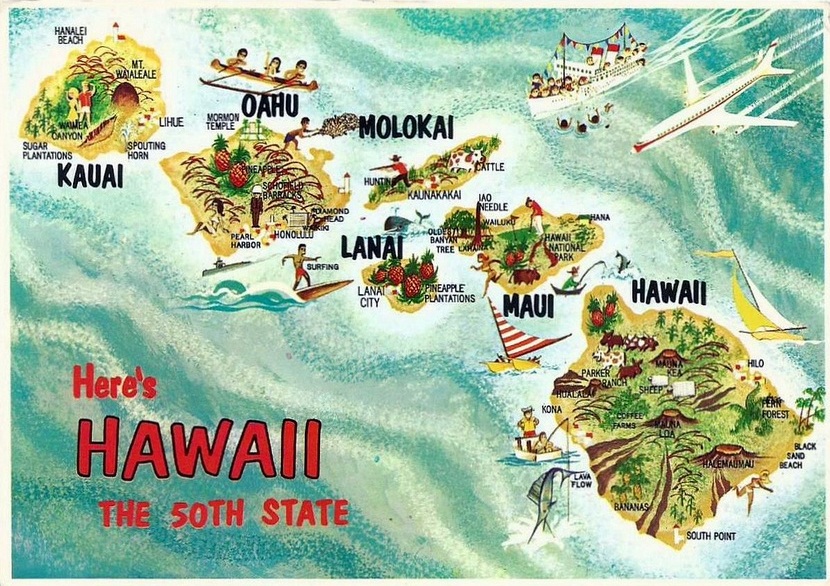
Throughout the 19th century, Honolulu became a pivotal port for international commerce, particularly for whaling ships and, later, the burgeoning sugar industry. American missionaries and businessmen began settling in the region, bringing with them a desire for greater influence over the monarchy. As the sugar industry on islands like Oahu, Maui, and Kauai grew, the economic entanglement between the Kingdom and American interests became increasingly inextricable.
The Overthrow of the Monarchy
The turning point arrived in 1893. Queen Liliuokalani, the last reigning monarch of the kingdom, sought to promulgate a new constitution that would restore power to the Hawaiian people and limit the influence of foreign residents. In response, a group of businessmen, backed by the presence of United States Marines, staged a coup. The monarchy was overthrown, and a provisional government was established, setting the stage for annexation.
The Road to Annexation and Territory Status
The transition from a sovereign nation to an American territory did not happen overnight. After the 1893 overthrow, there was a period of intense political debate in Washington D.C. regarding the legitimacy of the seizure of power.
The Newlands Resolution
Following the Spanish-American War, the strategic value of the islands as a mid-Pacific naval base became undeniably clear to American leaders. In 1898, the Newlands Resolution was passed by the United States Congress, formally annexing the islands. This legal maneuver bypassed the need for a treaty, effectively making the region a territory of the United States.

Life as a U.S. Territory
From 1898 until 1959, the islands existed as the Territory of Hawaii. This period was defined by massive demographic shifts as workers from Japan, China, Portugal, and the Philippines arrived to support the agricultural plantations. This influx of labor created the multicultural tapestry that defines the islands today. It was during this era that iconic landmarks such as Pearl Harbor gained global significance, shifting the focus of the territory toward military and defense roles that continue to influence the regional landscape.
The Path to Statehood
The final chapter of Hawaii’s political evolution occurred in the mid-20th century. Following the devastation of World War II, the push for statehood gained significant momentum. Residents of the territory campaigned for full representation in Congress and the ability to participate in presidential elections.
The 1959 Referendum
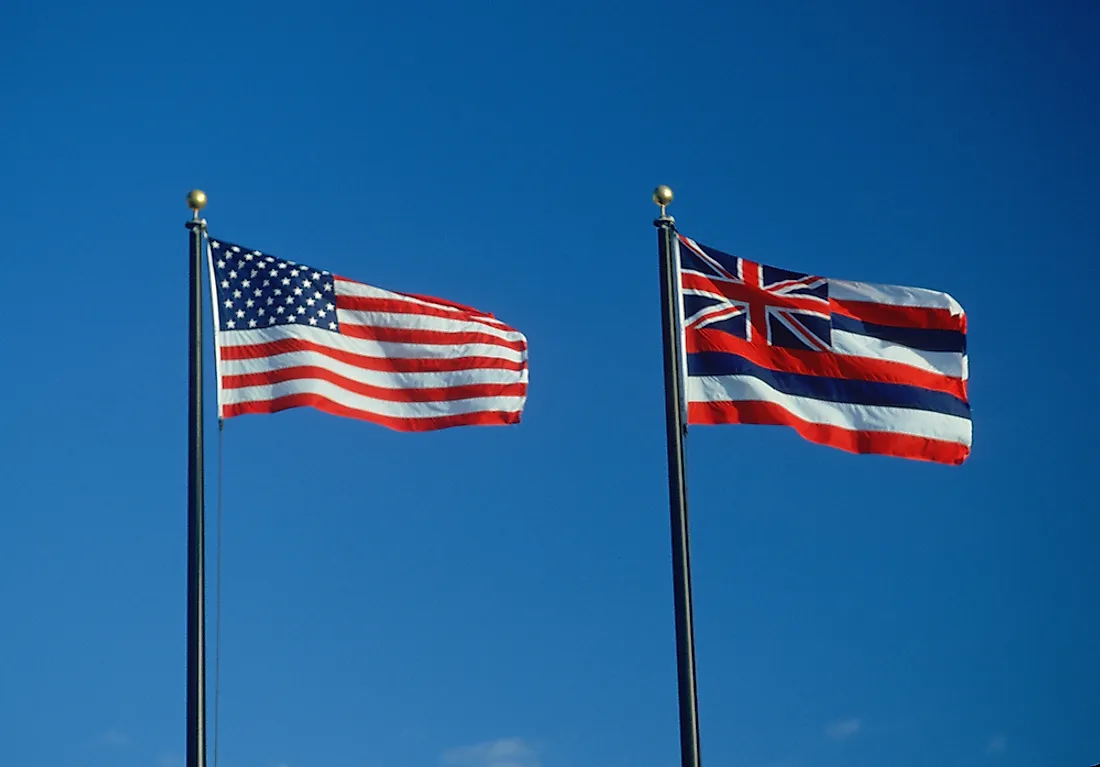
In 1959, a formal vote was held, and an overwhelming majority of the residents voted in favor of statehood. On August 21, 1959, President Dwight D. Eisenhower signed the proclamation that officially admitted Hawaii as the 50th state of the United States. This historical milestone marked the end of the territorial period and the beginning of a new era of integration.
Hawaii Today: A Modern Cultural Landmark
Today, the state stands as a unique blend of Pacific traditions and American governance. Visitors traveling to Waikiki Beach or exploring the volcanic terrains of Hawaii Volcanoes National Park are walking through a history that spans centuries. The resilience of native traditions, visible in the preservation of the hula and the revival of the Hawaiian language, exists alongside the modern infrastructure developed during the territorial and statehood years.
Understanding the Historical Significance for Visitors
For those who visit The Big Island or Molokai, understanding that the islands were not merely “discovered” or “acquired” is vital. It is a story of a kingdom that held its own on the world stage, a story of diplomatic struggle, and a story of a people whose culture remains the bedrock of the islands’ identity.
Preserving the Legacy
Many of the most popular historical sites, such as the Iolani Palace, serve as solemn reminders of the royal history. As travelers traverse these spaces, they are encouraged to look beyond the beaches and resorts to understand the political and cultural currents that shaped the archipelago. From the Polynesian voyagers who first navigated the Pacific to the modern political reality, every layer of history informs the visitor experience.
Responsible Tourism and Cultural Respect
By recognizing the historical context of when and how the islands became part of the union, visitors can engage more respectfully with the local community. The identity of the state is not static; it is a living, breathing heritage that continues to evolve. Whether visiting the memorials at Punchbowl Crater or participating in cultural festivals in Hilo, travelers find that the history of the islands is as much a part of the destination as the surf and the sand.
As you plan your next trip, consider the narrative arc of this beautiful chain of islands. It is a journey through time, from a remote kingdom in the vast blue expanse of the ocean to the integral American state it is today. By acknowledging this history, your journey to the islands becomes more than a vacation—it becomes an education in the spirit and resilience of one of the most fascinating places on Earth.
LifeOutOfTheBox is a participant in the Amazon Services LLC Associates Program, an affiliate advertising program designed to provide a means for sites to earn advertising fees by advertising and linking to Amazon.com. Amazon, the Amazon logo, AmazonSupply, and the AmazonSupply logo are trademarks of Amazon.com, Inc. or its affiliates. As an Amazon Associate we earn affiliate commissions from qualifying purchases.